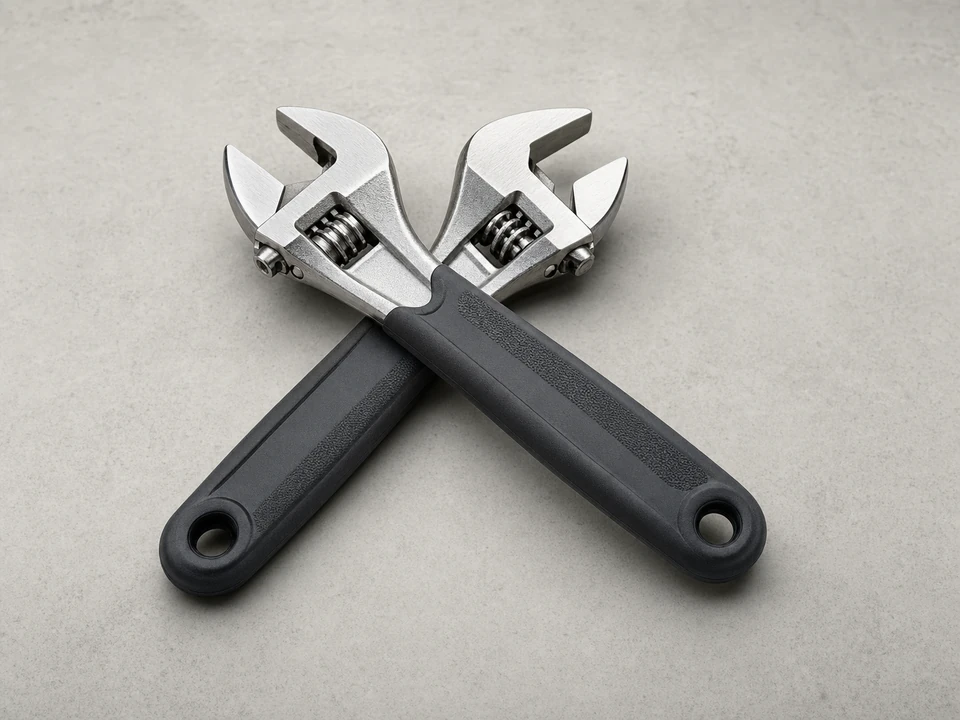
Adjustable wrench
Use it for: To snug the packing nut without rounding it off.
Shop adjustable wrenchesIf your hose bib drips from around the handle when the water is on, you can often stop it by snugging the packing nut about 1/8 to 1/4 turn at a time.
This is a small adjustment, not a full rebuild. The goal is to compress the stem packing just enough to stop a handle-area leak without making the faucet too stiff to turn.
Before you start: This task is for a standard hose bib or outdoor faucet with a small nut directly behind the handle. If your faucet body is cracked or the leak is from the spout, this is probably not the right fix.
Use it for: To snug the packing nut without rounding it off.
Shop adjustable wrenches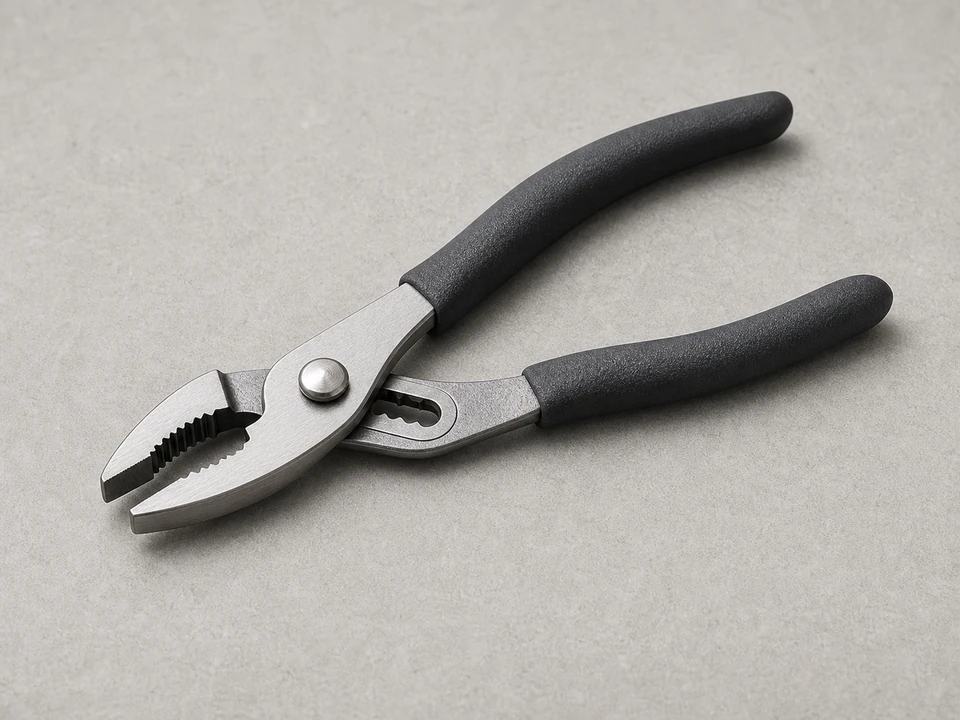
Use it for: Helpful for holding the faucet body steady if it wants to twist.
Shop slip-joint pliers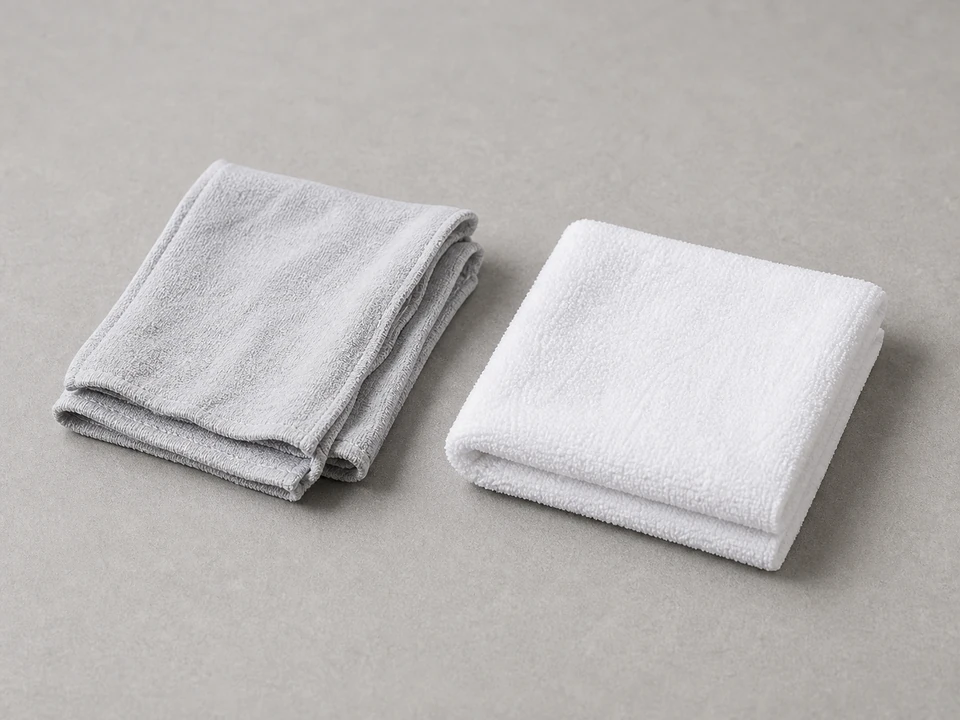
Use it for: To dry the faucet so you can see exactly where the leak starts.
Shop shop towels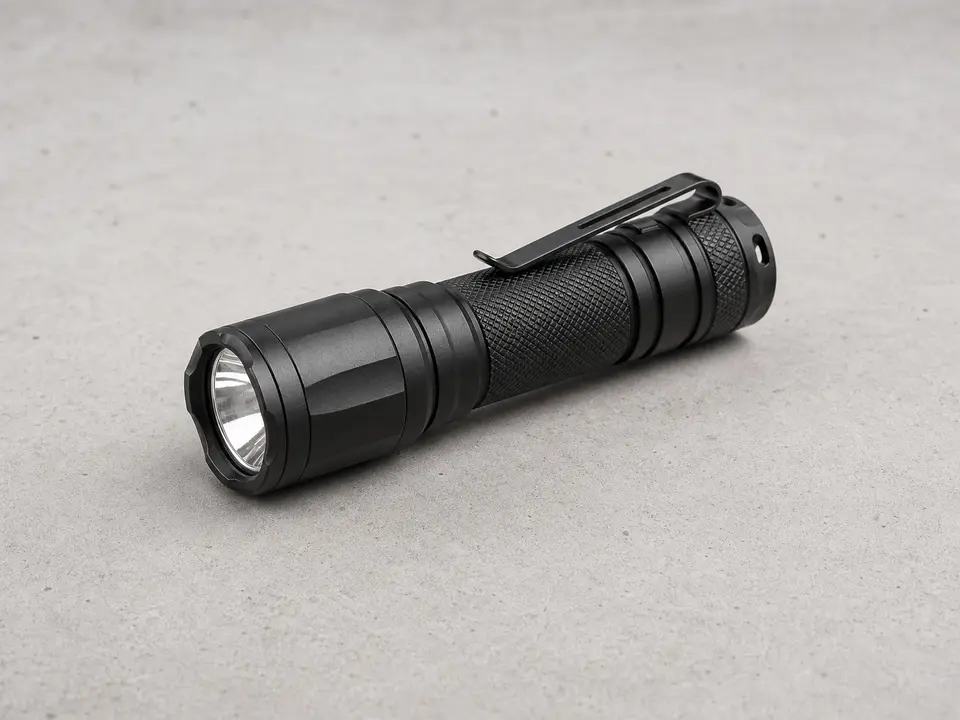
Use it for: Makes it easier to see the packing nut and confirm the leak location.
Shop flashlightsAs an Amazon Associate I earn from qualifying purchases. Repair Riot may earn a commission at no extra cost to you.
If it works: You can see that the leak is coming from around the handle stem or packing nut area.
If it doesn’t: If water drips from the spout instead, the washer or valve seat is more likely the issue. If water leaks where the faucet meets the wall or pipe, this adjustment will not fix it.
If it works: The faucet is off, the area is dry, and the wrench is seated cleanly on the packing nut.
If it doesn’t: If the nut is painted over or hard to reach, clean the edges and reset the wrench so you do not slip and round the nut.
If it works: The packing nut is slightly tighter, and the faucet still turns by hand.
If it doesn’t: If the nut will not move, do not force it. You may need penetrating oil, repacking, or faucet replacement instead of more torque.
If it works: The handle area stays dry while the faucet is on.
If it doesn’t: If the leak improves but does not stop, the stem packing may be worn out and need to be replaced rather than tightened more.
If it works: The faucet operates normally, and the packing nut adjustment did not make the handle bind.
If it doesn’t: If the handle is too stiff, back the packing nut off slightly counterclockwise and test again. If the stem still leaks when adjusted correctly, plan on replacing the packing material or the faucet.
If it works: The handle area stays dry during normal use, so the packing nut adjustment held.
If it doesn’t: If the leak returns, the packing is likely worn, hardened, or missing and the next step is repacking or replacing the hose bib.
Just tight enough to stop the leak around the handle stem. Start with about 1/8 turn and retest. If you overtighten it, the handle can become stiff and the packing can wear faster.
Usually no. A spout drip more often points to a worn washer, damaged valve seat, or internal wear. The packing nut mainly affects leaks around the handle stem.
The packing material is probably worn out, dried out, or damaged. At that point, tightening more usually does not help much. Repacking the stem or replacing the faucet is the better repair.
Yes, for a simple packing nut adjustment you usually can. Keep the hose bib itself turned off while you adjust it, then test it by turning it back on. If you need to repack or disassemble the faucet, that is a different job.
That is a common sign of worn stem packing. Water pressure pushes water past the stem area when the faucet is open, and snugging the packing nut can sometimes compress the packing enough to stop it.