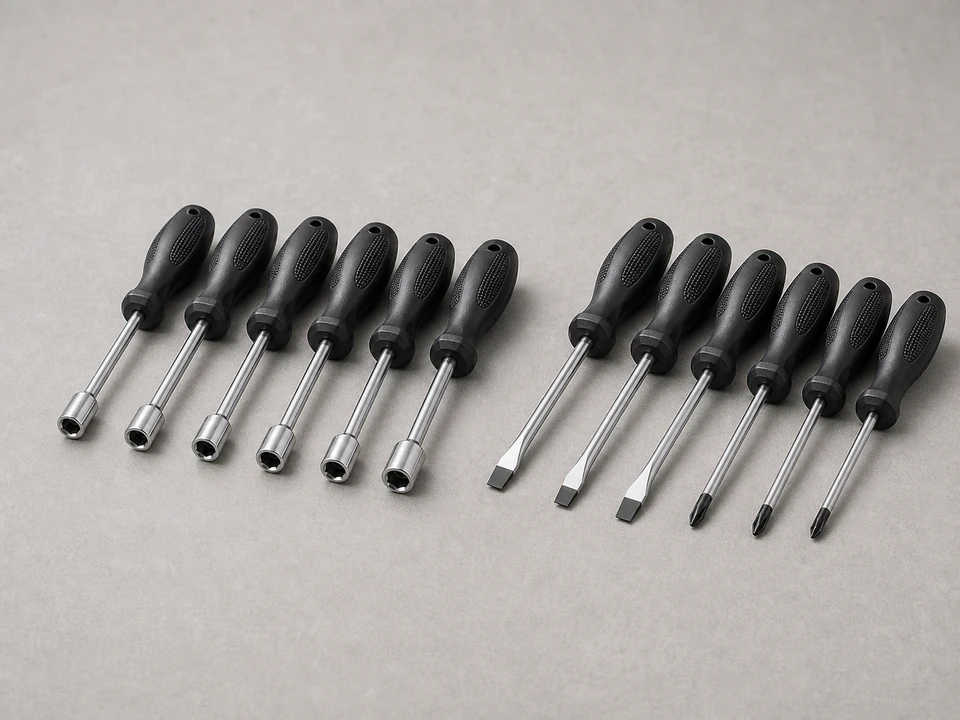
Nut driver or screwdriver set
Use it for: To remove the furnace access panel and the flame sensor mounting screw.
Shop nut drivers and screwdriversTo clean a furnace flame sensor, shut off power to the furnace, remove the sensor from the burner area, lightly polish the metal rod with fine abrasive material, reinstall it, and test a full heating cycle.
A dirty flame sensor is a common reason a furnace lights briefly and then shuts back down. The job is usually simple, but you do need to work carefully around the burner compartment and only clean the metal sensing rod, not the porcelain insulator or wiring.
Before you start: Match the sensor rod shape, connector, and furnace compatibility before ordering. Stop if the repair becomes unsafe or unclear.
Use it for: To remove the furnace access panel and the flame sensor mounting screw.
Shop nut drivers and screwdrivers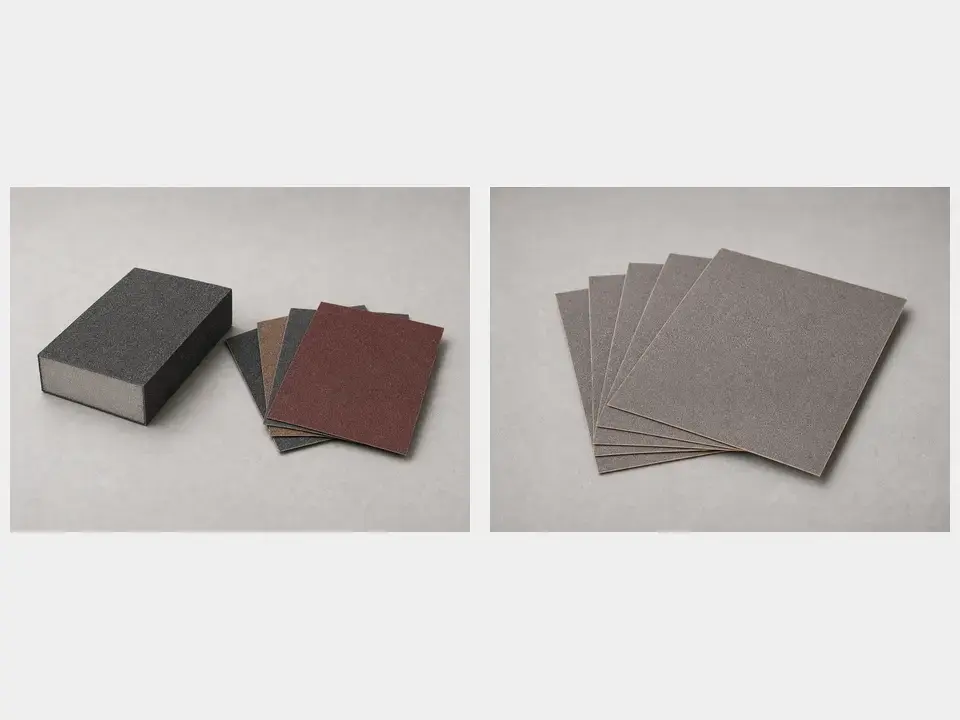
Use it for: To remove oxidation from the flame sensor rod without gouging it.
Shop fine steel wool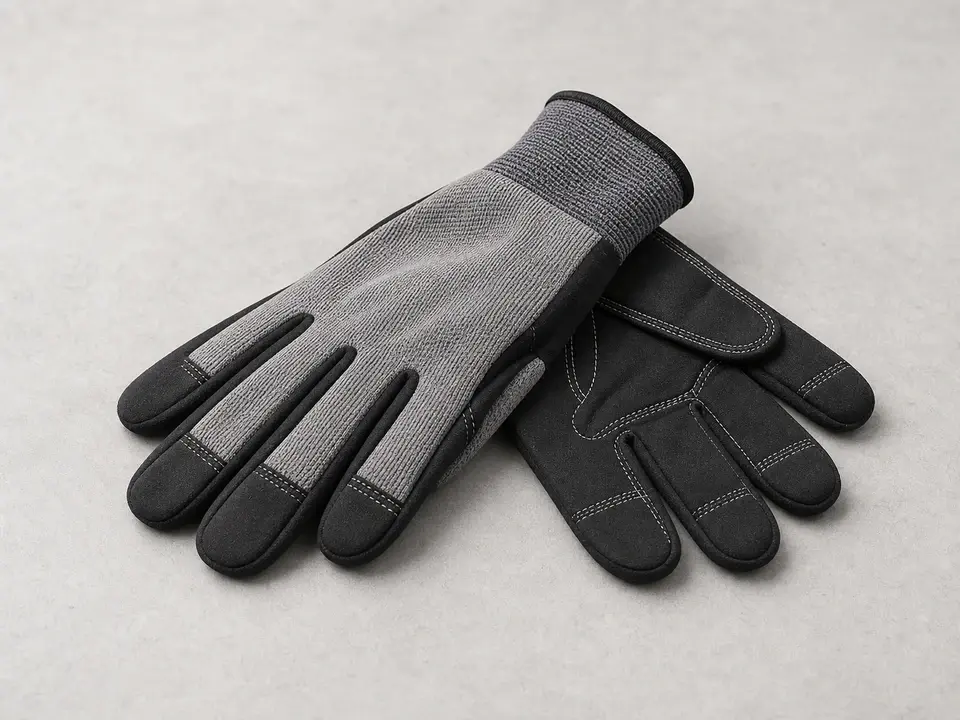
Use it for: To protect your hands from sharp sheet metal edges inside the furnace cabinet.
Shop work gloves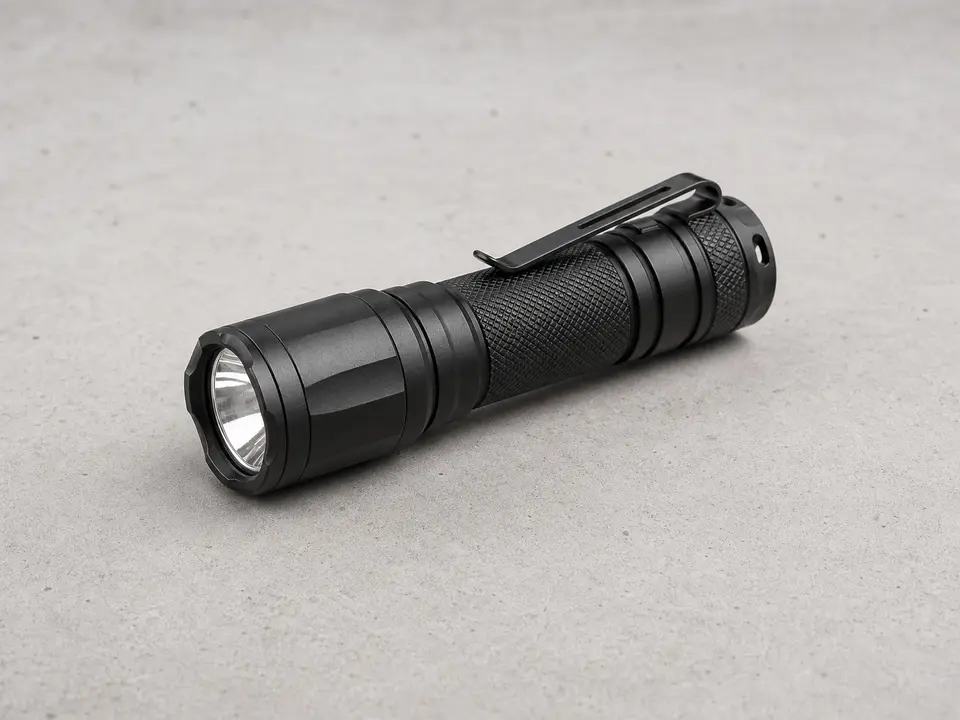
Use it for: To see the burner area and confirm the sensor location and condition.
Shop flashlights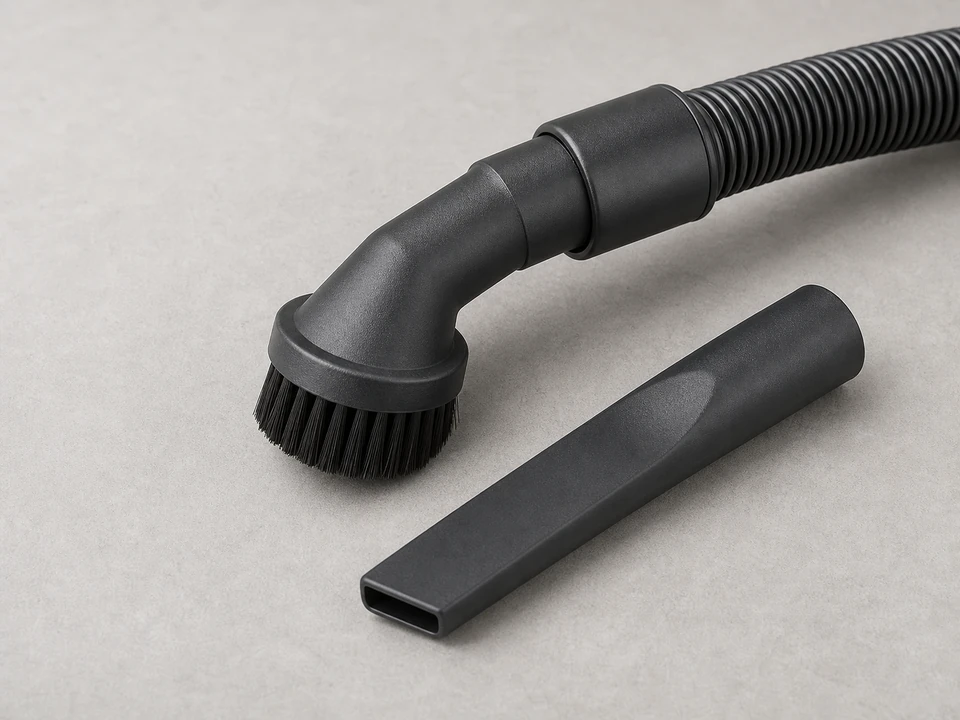
Use it for: To pick up loose dust near the burner compartment opening if needed.
Shop shop vacsAs an Amazon Associate I earn from qualifying purchases. Repair Riot may earn a commission at no extra cost to you.
If it works: The furnace lights briefly and then drops the flame, which makes flame sensor cleaning a reasonable next step.
If it doesn’t: If the furnace never lights at all, or if the blower runs with no burner ignition, this may be a different problem such as ignition, gas supply, limit switch, or control trouble.
If it works: You have clearly identified the flame sensor and can reach its mounting screw and wire connection.
If it doesn’t: If you cannot confidently identify the sensor, look for the single-wire rod that sits in front of one burner flame. If you still are not sure, stop and check your furnace manual or get help.
If it works: The flame sensor is out of the furnace and the rod is intact and ready to clean.
If it doesn’t: If the screw is stuck, apply steady pressure with the correct tool and avoid stripping it. If it will not come free, do not force the bracket hard enough to bend it.
If it works: The metal rod looks clean and free of dull buildup, soot, or white oxidation.
If it doesn’t: If the rod still looks rough, deeply pitted, or damaged after light cleaning, replacement is usually the better fix.
If it works: The sensor is mounted securely, the wire is connected, and the furnace is ready for a test run.
If it doesn’t: If the wire connection feels loose, tighten or replace the terminal before testing. A weak connection can cause the same shutdown symptom.
If it works: The burners stay on, the furnace keeps running, and warm air continues normally. That confirms the cleaning likely solved the flame-proving problem.
If it doesn’t: If the furnace still lights and shuts off, the sensor may need replacement or the root cause may be elsewhere, such as poor grounding, a weak connection, burner contamination, or a control issue.
It proves to the control board that burner flame is actually present. If the board does not sense flame, it shuts the gas valve to prevent raw gas from continuing to flow.
A common sign is that the burners ignite and then shut off again within a few seconds. That pattern often points to a flame-proving problem, and a dirty sensor is one of the most common causes.
Yes, if the rod is just oxidized or lightly sooted. If the rod is cracked, badly pitted, loose, or the porcelain is damaged, replacement is the better choice.
Use fine steel wool or very fine emery cloth. The goal is to remove oxidation lightly, not grind the rod down or leave residue behind.
There is no single schedule for every furnace, but checking it during routine furnace maintenance is reasonable, especially if you have had short-cycling burner problems before.