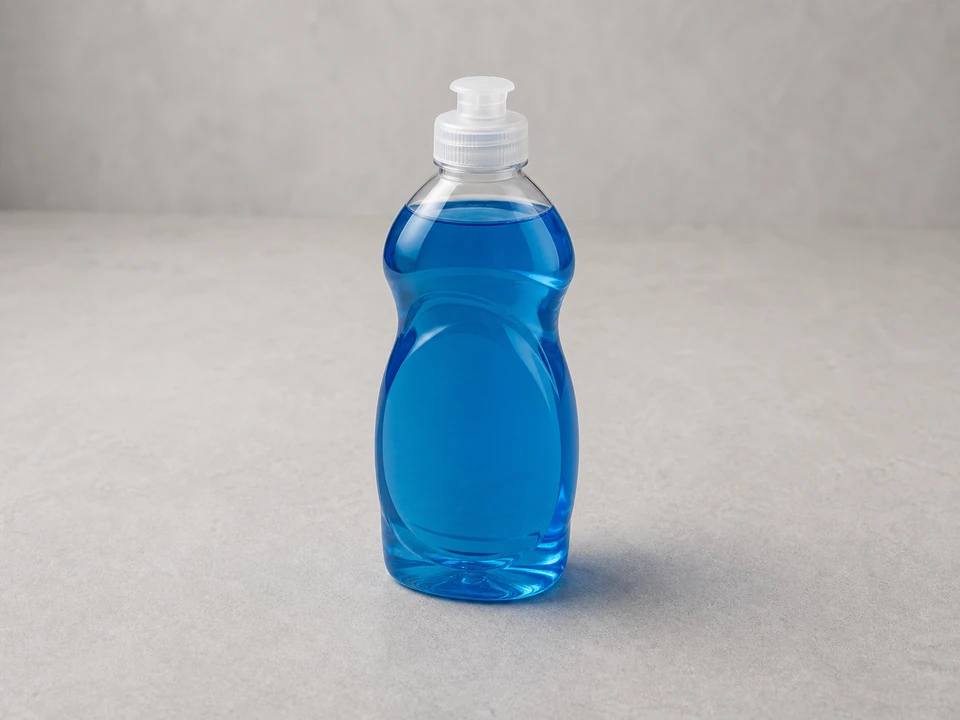
Dish soap
Use it for: Loosens grease and cooked-on residue on the burner cap, burner head, and grate.
Shop dish soapTo clean a gas cooktop burner, let the cooktop cool, remove the grate and burner cap, clean off grease and food residue, clear blocked burner ports gently, dry everything fully, and reassemble the burner so it lights with a steady, even flame.
This is a good first fix when a burner clicks but lights poorly, burns unevenly, smells like gas before ignition, or has visible grease and food buildup. The goal is to restore normal gas flow and flame shape without damaging the burner parts or enlarging the ports.
Before you start: Match the part or procedure carefully before you start.
Use it for: Loosens grease and cooked-on residue on the burner cap, burner head, and grate.
Shop dish soap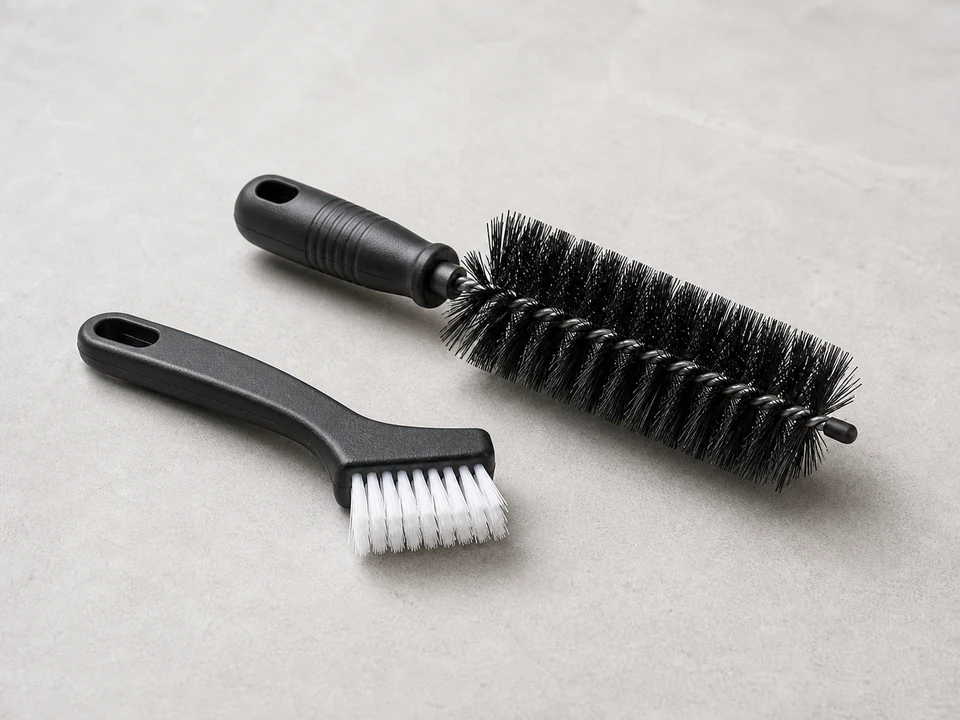
Use it for: Scrubs off buildup without gouging coated or aluminum burner parts.
Shop non-scratch scrub pads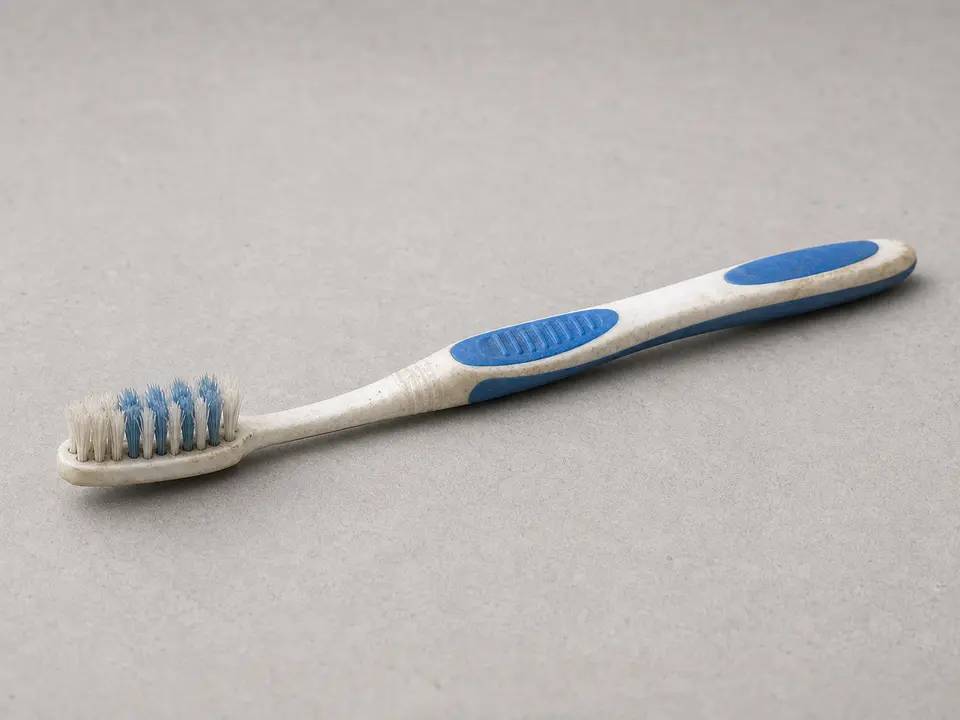
Use it for: Cleans around burner ports, edges, and tight corners.
Shop cleaning toothbrushes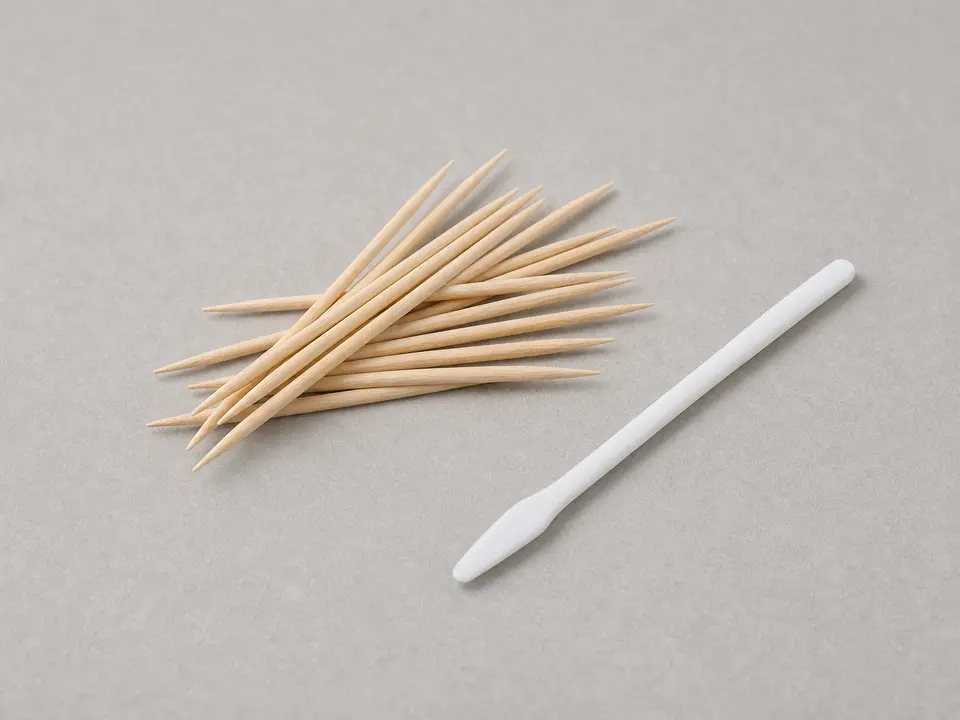
Use it for: Clears clogged burner ports gently without widening them like metal tools can.
Shop wooden toothpicks
Use it for: Dries parts completely before you relight the burner.
Shop microfiber cloths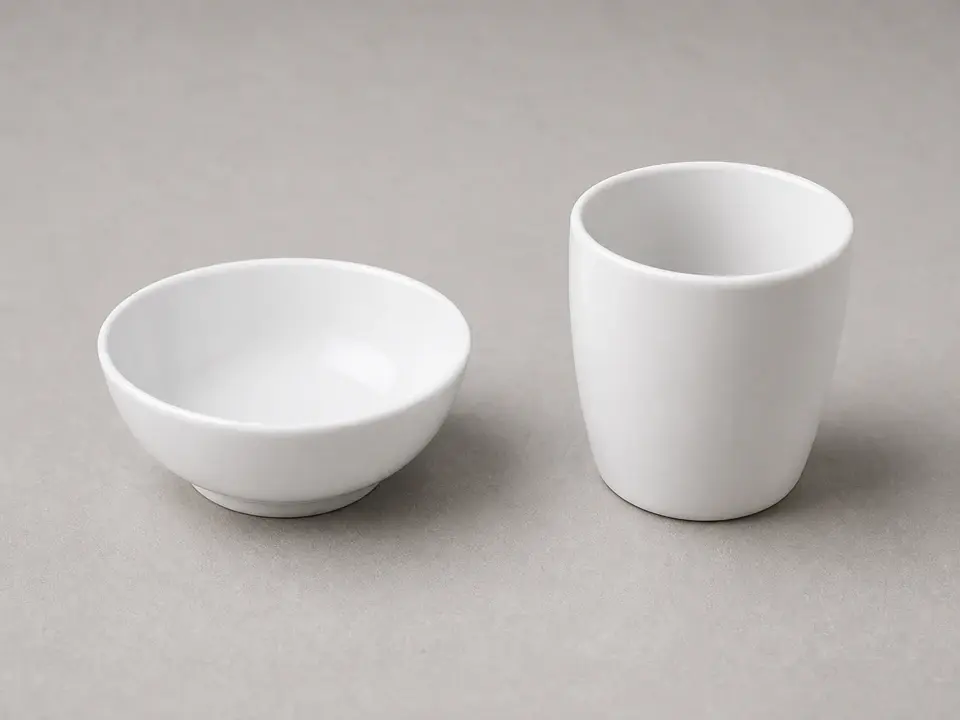
Use it for: Lets you soak removable burner parts in warm soapy water.
Shop small mixing bowlsAs an Amazon Associate I earn from qualifying purchases. Repair Riot may earn a commission at no extra cost to you.
If it works: You have a burner that likely needs cleaning rather than a more involved gas or ignition repair.
If it doesn’t: If the burner is already clean and properly seated but still will not spark, will not light, or smells strongly of gas, move to diagnosis for the igniter, gas supply, or burner parts instead of repeating cleaning.
If it works: The removable burner parts are off the cooktop and ready to be cleaned.
If it doesn’t: If a part does not lift off easily, do not pry hard. Check again for hidden alignment tabs or baked-on residue holding it in place, then work it loose gently after soaking the area with a damp cloth.
If it works: The burner parts are free of grease, food residue, and loose carbon buildup.
If it doesn’t: If residue is still stuck on, soak the parts longer and scrub again rather than using a knife or harsh metal scraper.
If it works: The flame ports are open and the burner base is clean and dry.
If it doesn’t: If ports still look blocked, repeat gentle cleaning and brushing until you can see the openings clearly.
If it works: The burner is reassembled with all parts seated flat and dry.
If it doesn’t: If the cap rocks or the burner head will not sit flat, remove it and realign it before testing. A misaligned cap often causes an uneven flame.
If it works: The burner lights promptly and burns with a steady, even flame in normal use.
If it doesn’t: If the burner still lights poorly or burns unevenly, repeat the seating check and make sure the ports are fully clear. If that does not fix it, the problem may be the igniter, burner cap, burner head, or gas flow rather than dirt alone.
Only soak the removable burner parts that are meant to lift off, such as the cap and some burner heads. Do not flood the fixed burner base or igniter area on the cooktop.
Use a wooden toothpick or a soft nylon pick. Avoid metal pins, nails, or drill bits because they can widen the ports and change the flame pattern.
The most common causes are leftover moisture, a burner cap that is not seated flat, or residue still around the igniter. Dry the parts again and recheck alignment.
The burner cap may be off-center, some ports may still be blocked, or the burner head may be warped or damaged. Cleaning helps only if dirt is the root cause.
Not always. Heat discoloration alone is common. Replace it if the burner part is cracked, warped, heavily corroded, or no longer sits correctly and produces a stable flame.