Only one sink or tub gurgles?
Stay local first. Check that fixture for slow drainage, a dirty stopper, a trap issue, or a nearby drain-run restriction.
A drain that gurgles after a storm is usually fighting air pressure, slow flow, or sewer backpressure. Check the lowest fixture first, then stop and call a licensed plumber if water rises, wastewater appears, or more than one fixture reacts.
A single noisy sink or tub starts with a local trap, stopper, or short drain-run check. If toilets bubble or multiple drains react after rain, treat it as a vent, main-line, septic, or public-sewer warning.
The pattern matters more than the noise. Check whether the problem is one fixture, another fixture bubbling when water runs, or the basement floor drain warning you first.
Don’t start with: Do not pour chemical drain cleaner into every fixture. Do not climb onto a wet roof or open a cleanout that may be holding back wastewater.
Stay local first. Check that fixture for slow drainage, a dirty stopper, a trap issue, or a nearby drain-run restriction.
That is a stronger system clue. Stop heavy water use and watch the lowest drain while you decide whether drain service is needed.
Treat it as a main-line or sewer-backup warning. Leave nearby cleanouts closed if water is rising or odor is strong.
Think vent restriction, main sewer restriction, septic saturation, or public sewer surcharge before buying fixture parts.
A local clog or nearby drain-run restriction moves up the list. Test one fixture at a time and stop if another fixture reacts.
Use the photos as patterns. A dry floor drain check, a local sink trap check, and a closed cleanout inspection lead to very different next moves.
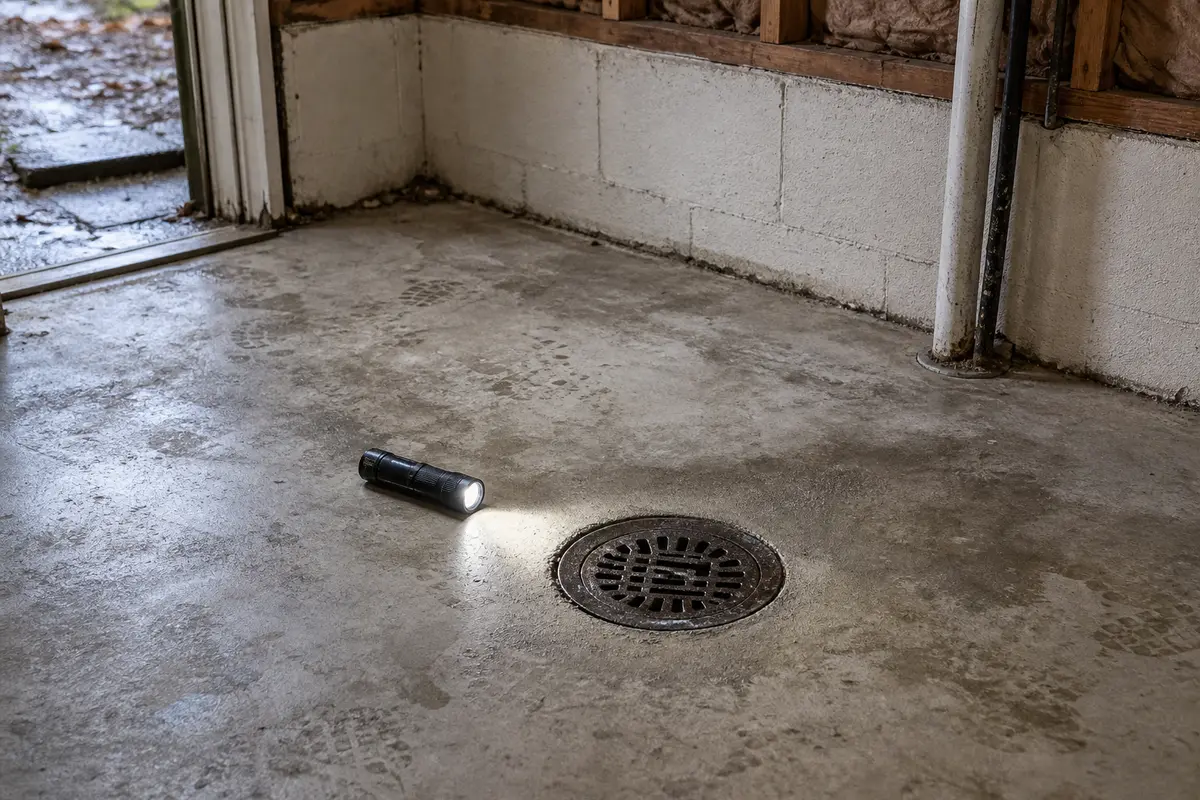
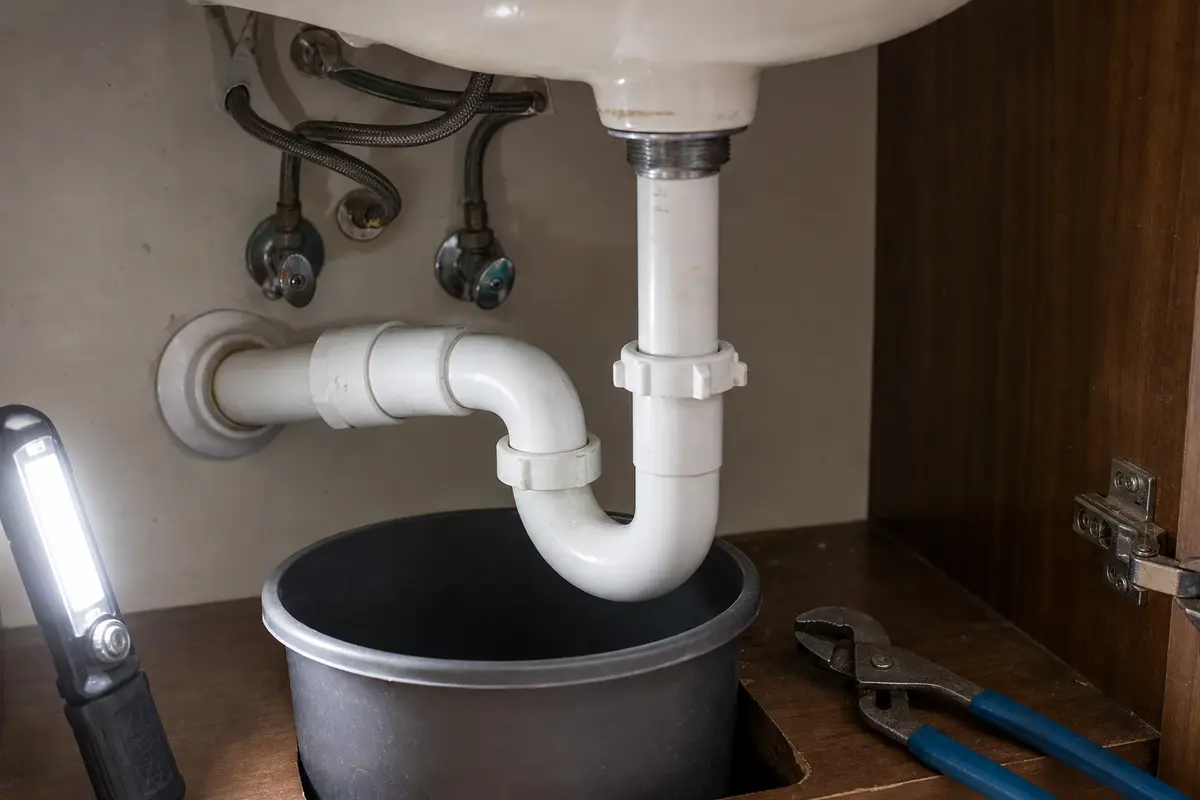
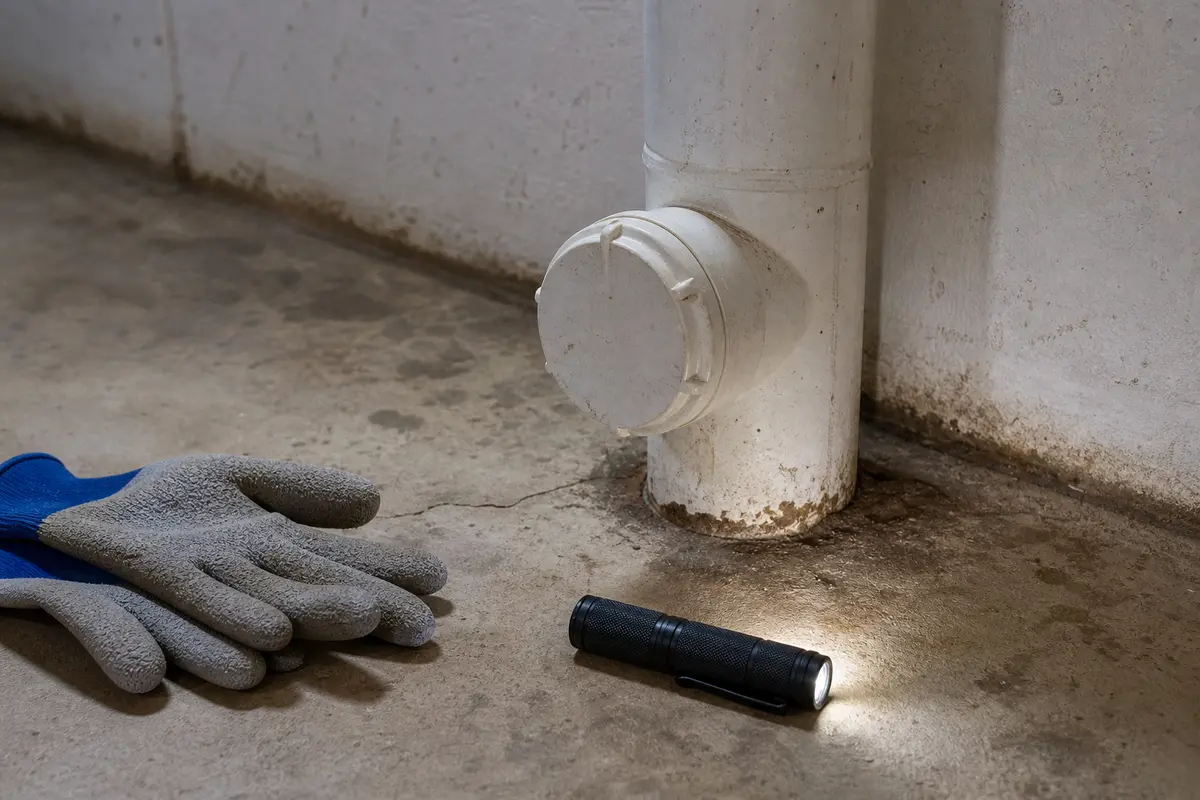
Buy parts only when the test stays local and the exact diagnosis is clear. Match the exact pipe size, trap style, cap thread, and material. A P-trap kit fits a sink trap that is damaged or will not reseal after a one-fixture diagnosis. A cleanout cap fits a cracked or missing cap only after the line is confirmed not backed up.
After heavy rain, the useful check is simple: run one small fixture test and watch whether the lowest drain, toilet, or another fixture reacts.
Storm-related drain noise can turn messy fast if you treat it like an ordinary sink clog. Keep the first pass observational and low-risk.
Use small tests and stop as soon as the system gives you a backup clue. The goal is to sort local from main-line without adding a lot of water.
The first fixture that reacts usually tells you whether to stay local or call for sewer/drain help.
| What you see or hear | What it points toward | Next move |
|---|---|---|
| One sink gurgles and drains slowly | Local trap, stopper, or nearby drain-run restriction | Clear visible debris, check the trap if accessible, and retest that fixture only. |
| Toilet bubbles when a sink or tub drains | Vent or downstream restriction | Stop heavy water use and watch the lowest drain for backup signs. |
| Low floor drain gurgles during rain | Main-line restriction, sewer surcharge, or septic stress | Treat as urgent if water rises, odor gets strong, or the pattern repeats. |
| Cleanout cap seeps or looks wet | Line may be under pressure or cap may be damaged | Leave it closed under pressure; call service if backup signs are present. |
| Problem fades after the storm and returns next rain | Weather-linked system issue | Schedule drain/sewer evaluation before the next heavy storm. |
These are for observation and a contained local sink check. They do not make sewer backup, roof vent work, or powered drain cleaning safe.
Paid links. As an Amazon Associate I earn from qualifying purchases. Repair Riot may earn a commission at no extra cost to you.
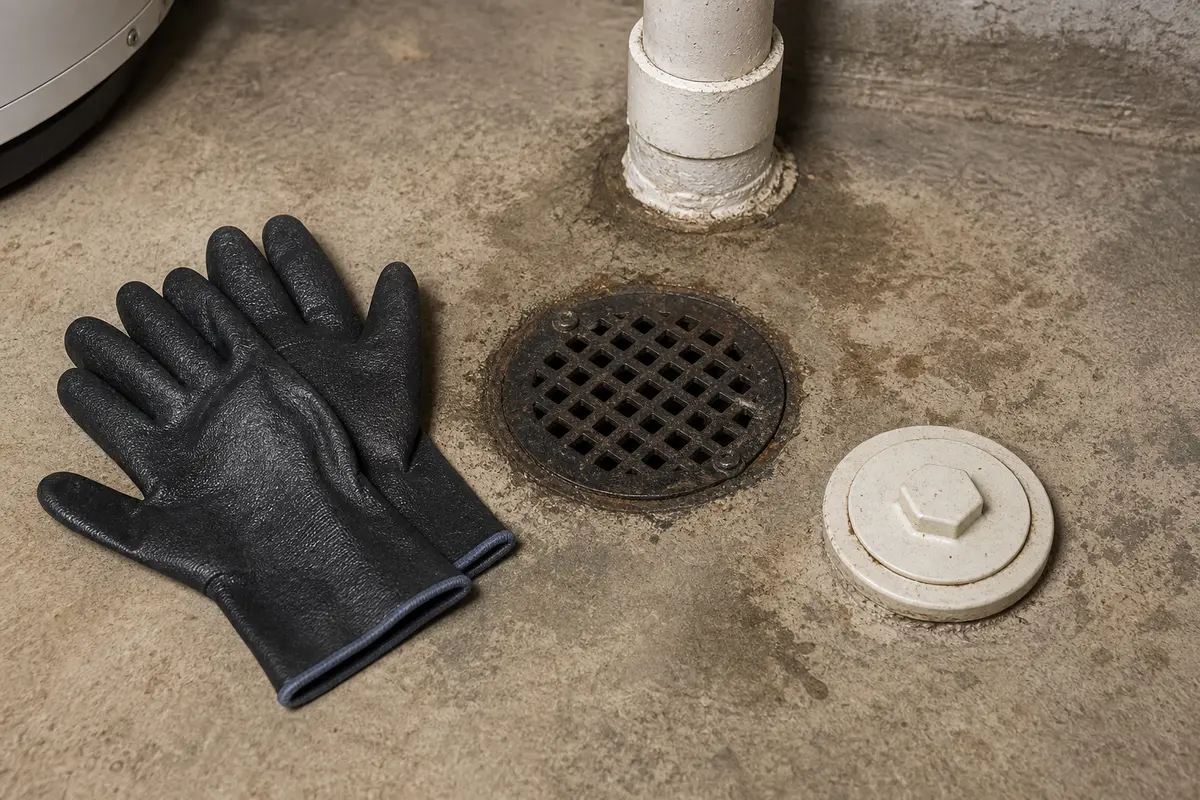
Helps when: You are checking a trap, floor drain area, or closed cleanout where wastewater may have been nearby.
Skip it when: Sewage is actively backing up or water is rising. Stop handling parts and call service.
Compare waterproof work gloves on Amazon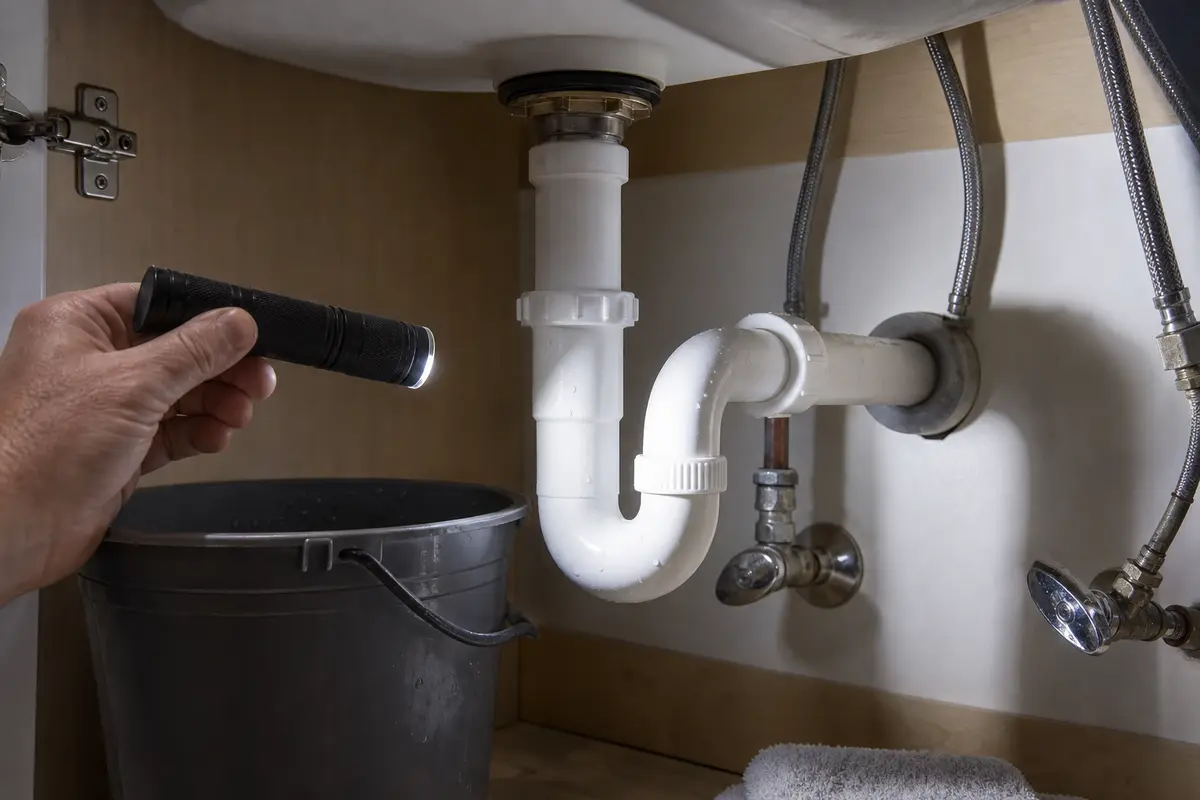
Helps when: You need to see under a sink, around a floor drain, or near a closed cleanout without opening the line.
Skip it when: The inspection would require opening a pressured cleanout, climbing a wet roof, or working near active wastewater. Stop and call a licensed plumber.
Compare inspection flashlights on AmazonBuy parts only after the clue stays local and visible: a cracked P-trap that will not reseal, or a cleanout cap that is cracked, missing, or leaking after the line is confirmed clear. Run one short retest and watch nearby fixtures first. If the lowest drain bubbles, water rises, or several drains react after rain, skip the cart and book drain or sewer service.
Paid links. As an Amazon Associate I earn from qualifying purchases. Repair Riot may earn a commission at no extra cost to you.
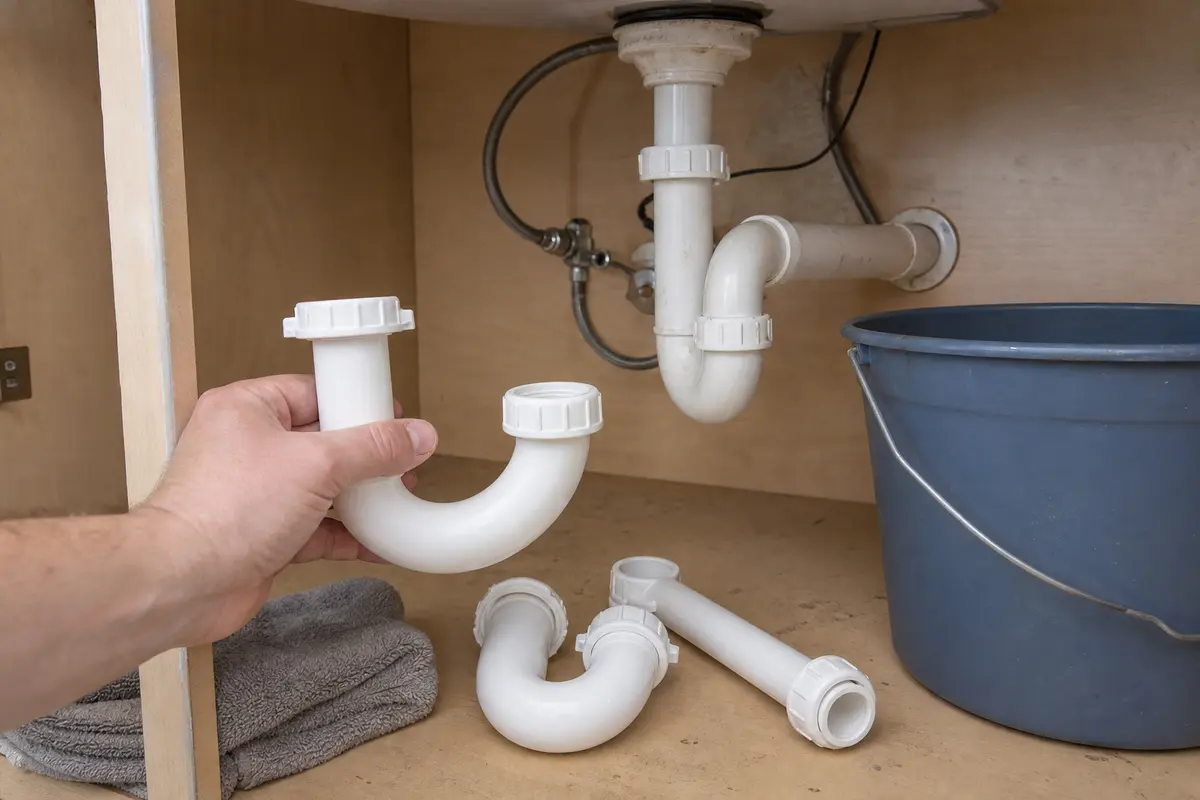
Helps when: One sink is the only noisy fixture, the trap is cracked or will not reseal, and nearby fixtures stay quiet during the test.
Skip it when: Several drains gurgle, the lowest drain reacts, or wastewater backs toward the trap when you loosen it.
Compare sink P-trap kits on Amazon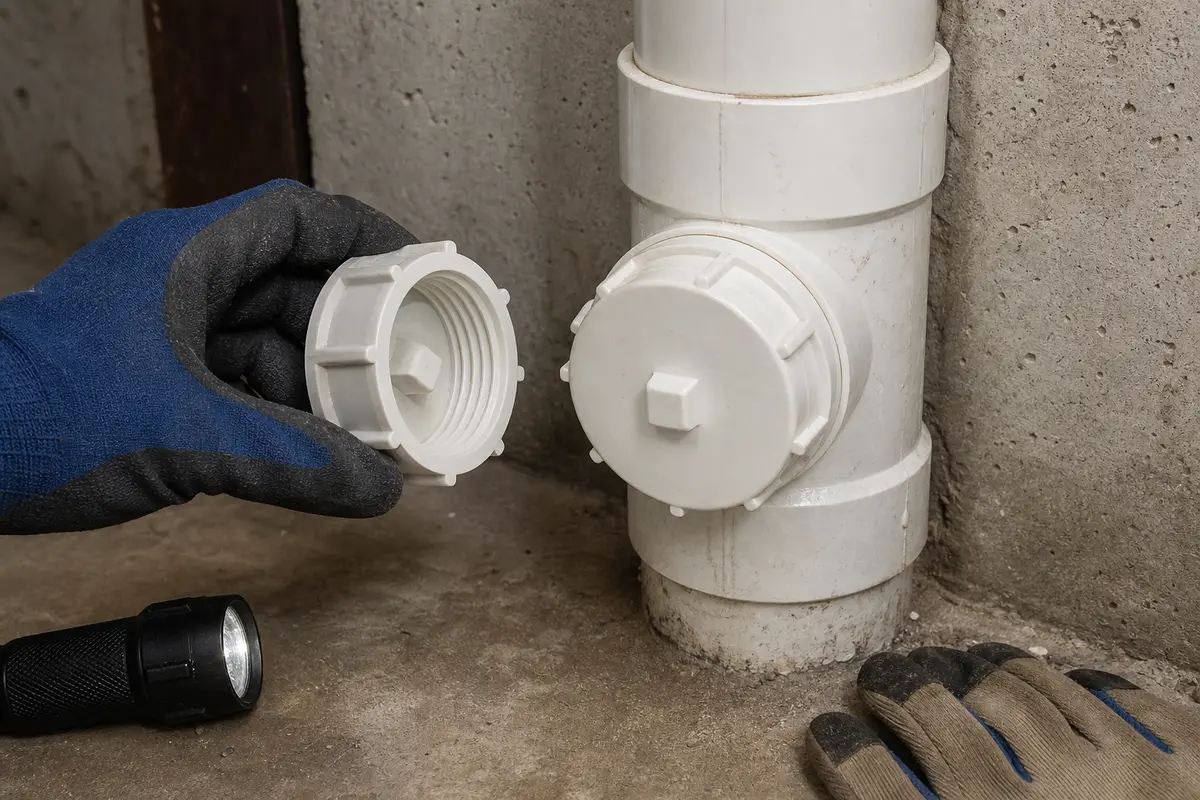
Helps when: An accessible cap is cracked, missing, or leaking after the line is confirmed clear, not backed up, and not under pressure.
Skip it when: The cap is wet from backup, nearby drains are rising, or you are unsure whether the line is pressurized.
Compare drain cleanout caps on AmazonCall sooner when the pattern moves beyond one fixture. Sewer water inside the house is not a DIY wait-and-see problem.
A fixed local drain should stay quiet without making other fixtures react. A weather-linked whole-house pattern should be evaluated before the next storm.
Rain can expose a line that was already marginal. The system may drain in dry weather, then start pushing air through traps when the sewer, septic field, or venting path is under extra pressure.
No. One fixture can gurgle from a local clog or trap issue. If another fixture reacts during a small test, move the diagnosis toward venting, main-line, septic, or sewer pressure.
Usually no. Chemical cleaner will not clear a roof vent, fix a public sewer surcharge, or solve a main-line restriction, and it can make later service more hazardous.
Not if there is any chance the line is backed up or under pressure. If nearby drains are bubbling, water is rising, or the cap is wet, leave it closed and call service.
Treat it as urgent when the lowest fixture gurgles, water rises in a toilet or floor drain, strong sewer odor appears, or any drain backs up. Stop using water and call service.
Stay local first. Check for slow drainage, stopper debris, trap trouble, or a nearby drain-run restriction, but stop if another fixture reacts during testing.
Yes, a restricted vent can make drains pull air through traps. Look only from the ground unless access is dry and safe; do not climb onto a wet roof to prove it.
Stop adding water: do not flush toilets, run the washer, or keep testing fixtures. Keep people and pets away from the wet area, move nearby belongings only if you can do it without stepping through wastewater, and call sewer/drain service. Once the line is controlled, treat cleanup as a separate job instead of assuming the drain repair handled the mess.
Repair Riot built this page around visible homeowner clues: one fixture versus several drains, the lowest drain, storm timing, odor, and backup risk. These source links support sewer-overflow and septic-care context.