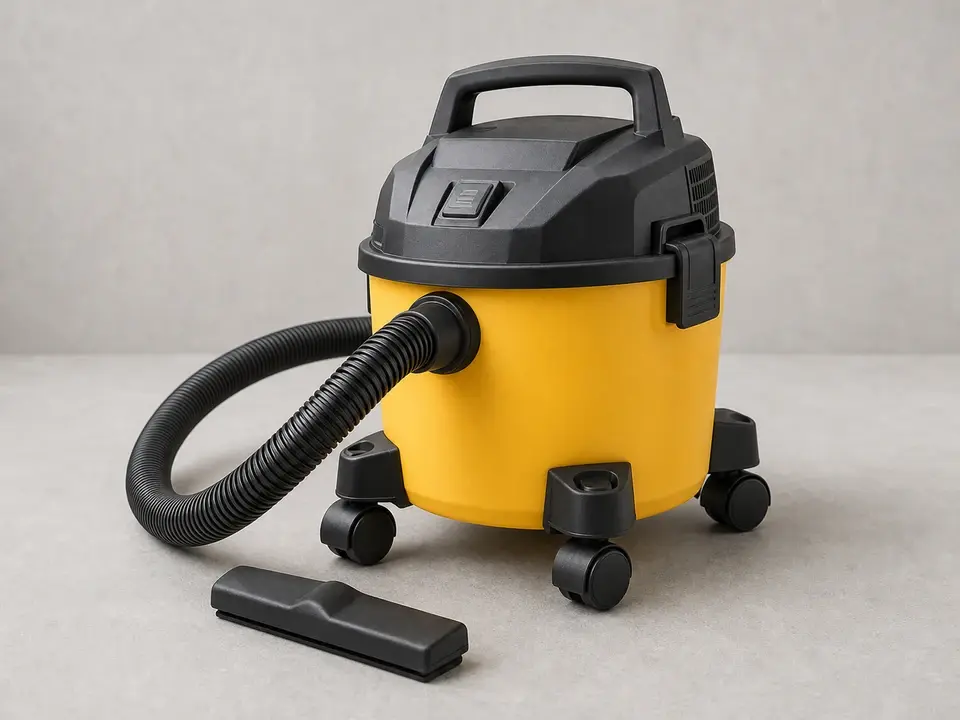
Wet/dry shop vacuum
Use it for: Removes standing water from hard floors, low spots, and carpet surface faster than towels alone.
Find a wet/dry shop vacuumTo dry a water-damaged room, first stop the water source, remove standing water and wet items, pull out materials that will trap moisture, then run fans and a dehumidifier until the room stays dry in normal use.
The goal is not just to make the room feel dry on the surface. You want to get moisture out of flooring, trim, wall cavities, and soft materials before mold, swelling, or hidden damage gets worse.
Before you start: Choose drying equipment sized for the room and the amount of water. For standing water, use a wet/dry vacuum rated for liquid pickup, not a regular household vacuum.
Use it for: Removes standing water from hard floors, low spots, and carpet surface faster than towels alone.
Find a wet/dry shop vacuum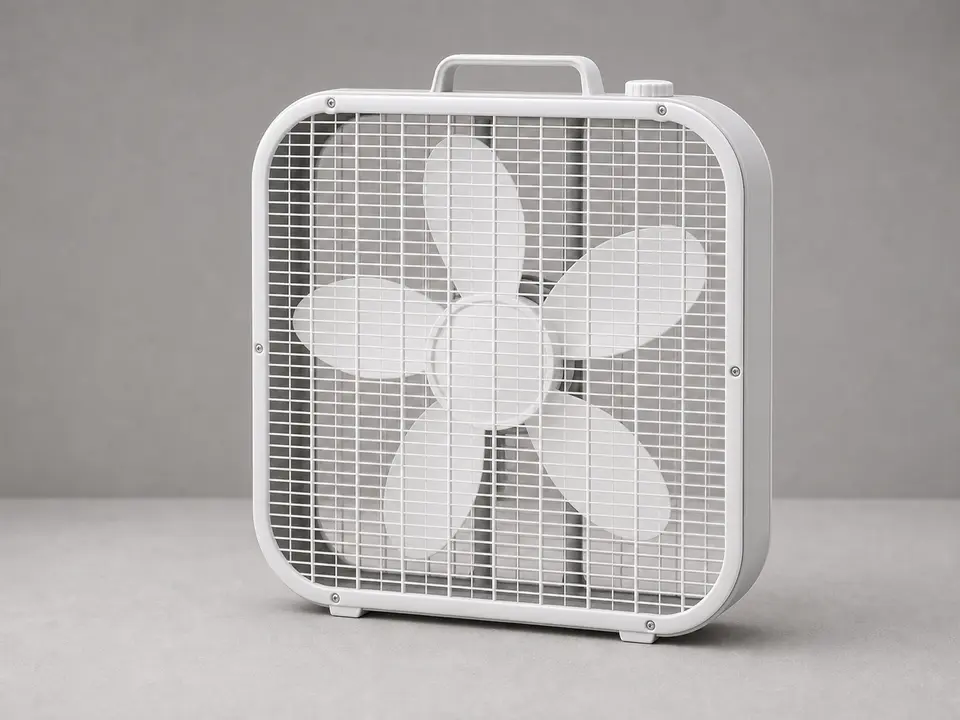
Use it for: Keeps air moving across wet surfaces so moisture can evaporate instead of soaking deeper.
Shop drying fans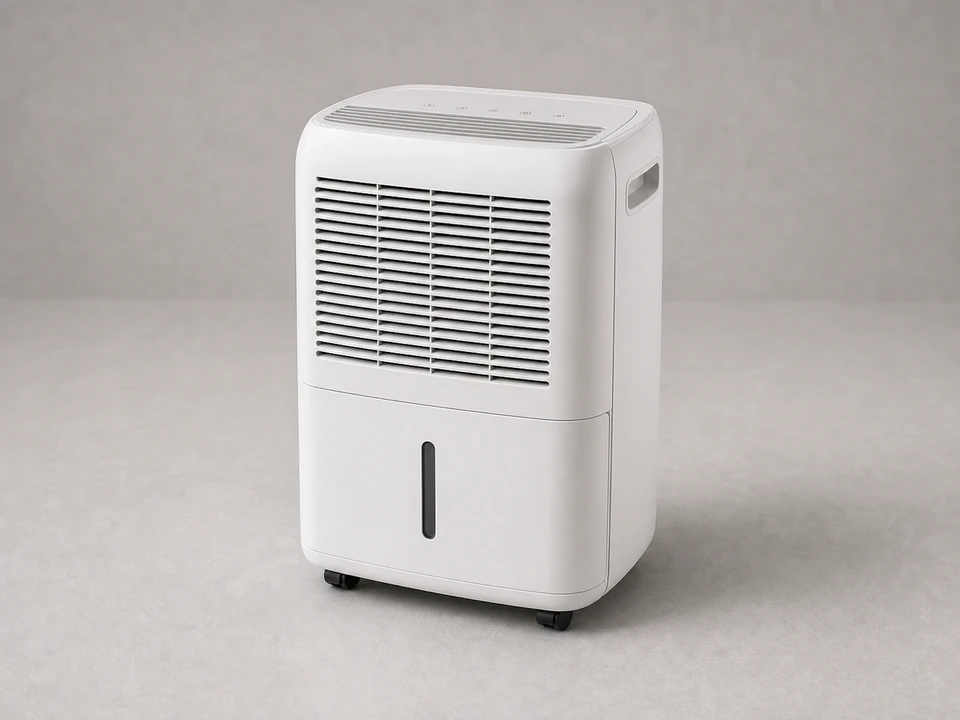
Use it for: Pulls moisture out of the air so the room can keep drying instead of staying damp.
Find a room dehumidifier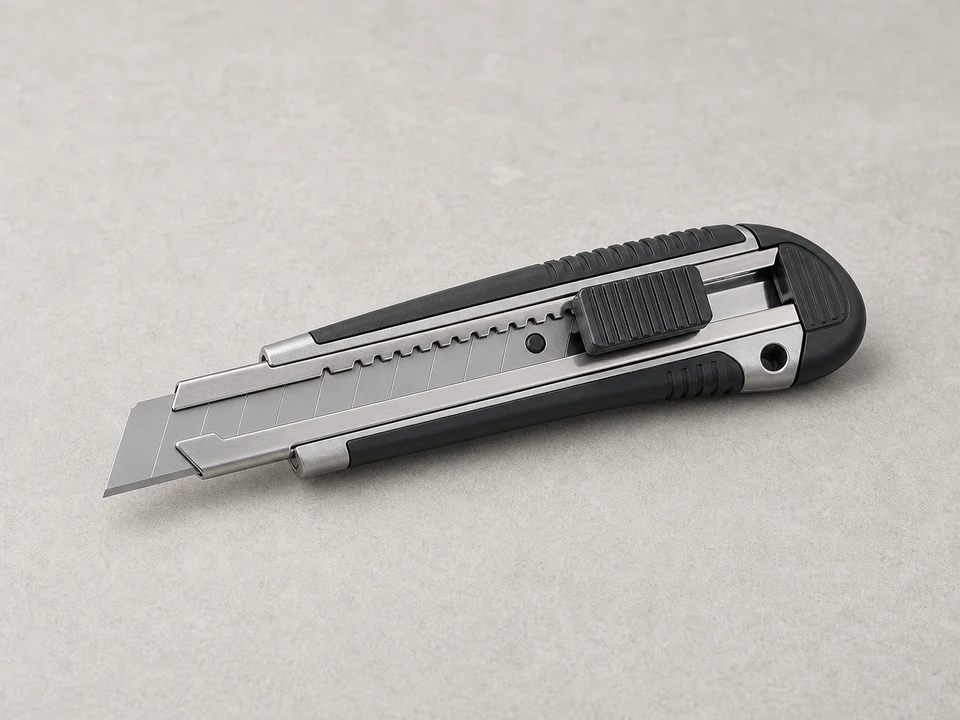
Use it for: Helps cut out soaked carpet pad, damaged drywall, or other wet material that cannot be dried in place.
Shop utility knives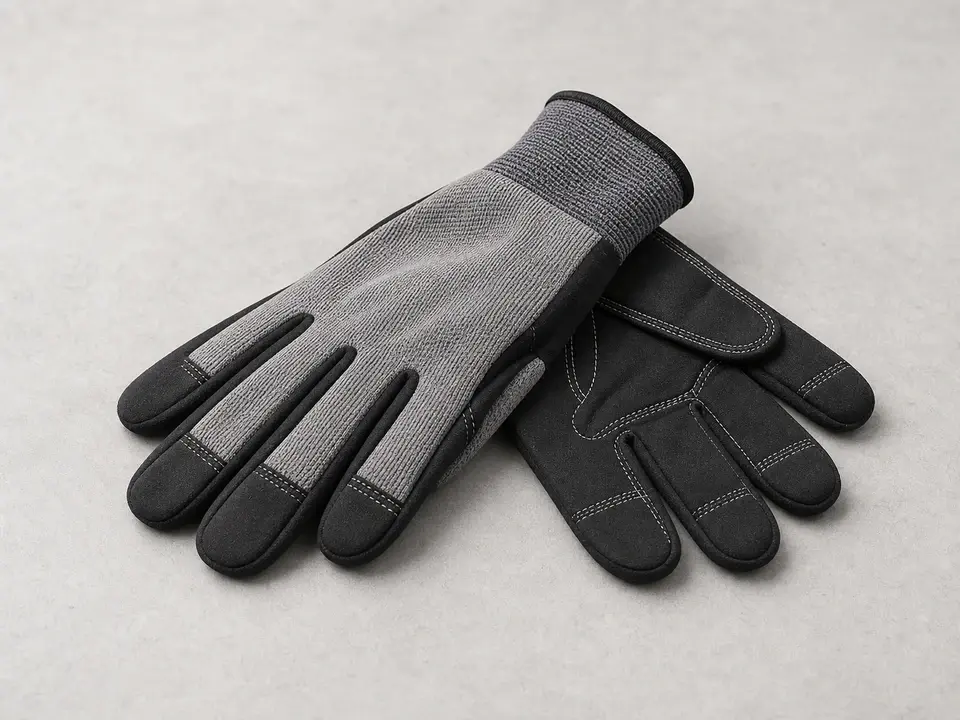
Use it for: Protects your hands while handling wet debris, sharp trim, and damaged materials.
Find work gloves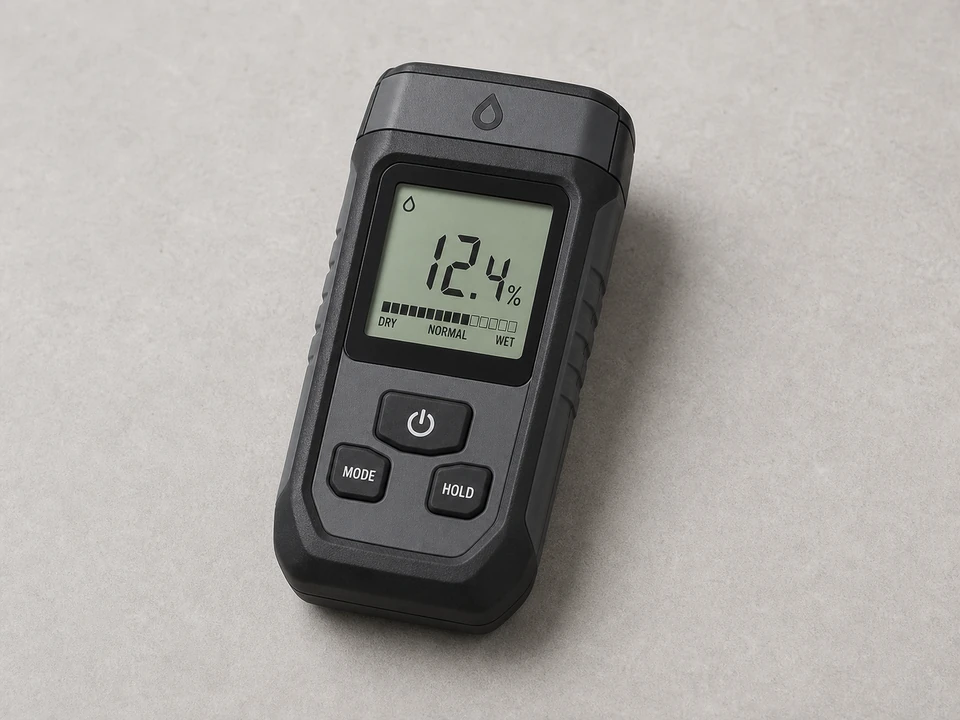
Use it for: Helps confirm wood, drywall, or subfloor moisture is actually dropping instead of just feeling dry on the surface.
Shop moisture metersAs an Amazon Associate I earn from qualifying purchases. Repair Riot may earn a commission at no extra cost to you.
If it works: You know the water is no longer entering the room, and the area is safe enough for basic cleanup and drying.
If it doesn’t: If you cannot stop the water source, fix that first or call for leak repair before trying to dry the room.
If it works: The room no longer has pooled water, and wet belongings are out of the way so the structure can start drying.
If it doesn’t: If water keeps reappearing on the floor, look for an active leak, seepage through the wall, or water trapped under flooring.
If it works: The room is opened up enough that hidden moisture is not trapped behind finish materials.
If it doesn’t: If only the surface got damp and the materials underneath are dry, you may be able to skip removal and focus on airflow and dehumidifying.
If it works: Air is moving steadily through the wet area, and the room humidity is dropping instead of staying muggy.
If it doesn’t: If the room still feels damp after a full day of drying, add more airflow, increase dehumidifier capacity, or open up more wet material.
If it works: The room is drying through the full material thickness, not just on the surface.
If it doesn’t: If moisture readings stop improving or one area stays wet, inspect for trapped water under flooring, inside a wall cavity, or from a leak that was missed.
If it works: The room stays dry, smells normal, and shows no new signs of moisture after being put back into service.
If it doesn’t: If dampness, odor, or staining returns, reopen the area and track down the remaining leak or trapped moisture before closing anything back up.
It depends on how much water got in, what materials were soaked, room temperature, and how much airflow and dehumidifying you set up. A lightly wet room may dry in a day or two. Saturated carpet, drywall, insulation, or subfloor can take several days or longer.
Sometimes for a very small spill, yes. For real water damage, fans alone are often not enough. You usually need to remove trapped water, pull out soaked materials, and run a dehumidifier so moisture leaves the room instead of hanging in the air.
Not always. If drywall only got lightly damp and dries quickly, it may be fine. If it is swollen, soft, crumbling, or holding water behind it, remove the damaged section so the cavity can dry.
The carpet itself may dry if the water was clean and you act quickly, but the pad underneath often needs to be replaced after saturation. If contaminated water was involved, carpet and pad are much more likely to need removal.
Do not rely on touch alone. Check for musty odor, cool damp spots, swelling, and moisture trapped behind trim or under flooring. A moisture meter is the best simple way to compare the wet area with a known dry area nearby.