One click when heat starts or stops?
That can be normal thermostat switching if the heater runs steadily and there is no smell, flicker, outlet heat, or breaker trouble.
One clean click at startup or shutdown is often just the thermostat switching. A few light ticks during warm-up or cool-down can be normal metal movement. Repeated clicking, sharp snapping, hot-plastic odor, scorch marks, flicker, or noise from the plug or wall means stop using the heater.
Brief, predictable clicking usually comes from metal expansion or a thermostat contact; check whether it happens only at startup, shutdown, or cool-down while heat stays steady. Rapid clicking points more toward thermostat chatter, blocked airflow, overheating limit cycling, or an unsafe connection.
First locate the sound: heater body, thermostat, plug, wall box, or panel. Then note the timing: one click, a few cooling ticks, or repeated chatter. Do not spray lubricant into a heater or outlet.
Don’t start with: Do not open the heater cabinet, bypass controls, or keep running it if the click is sharp, frequent, or paired with smell, scorch marks, flickering power, or breaker trouble.
That can be normal thermostat switching if the heater runs steadily and there is no smell, flicker, outlet heat, or breaker trouble.
Normal metal expansion is likely, especially on baseboard heaters with long covers and fins.
Look for blocked airflow, dust on grilles, a heater too close to fabric, thermostat chatter, or overheating limit cycling.
Stop using the heater and call a licensed electrician. Treat that as possible arcing or a loose connection until a qualified person proves otherwise.
A thermostat or control problem is plausible, but only after you rule out overheating and unsafe wiring clues.
Do not buy an element from the sound alone. Leave the heater off until power, controls, and safety limits are checked; consider an element only if the heater has no heat and testing points there.
The repair path changes once you separate heater-body ticking from thermostat switching, blocked airflow, and plug or wall-box noise.
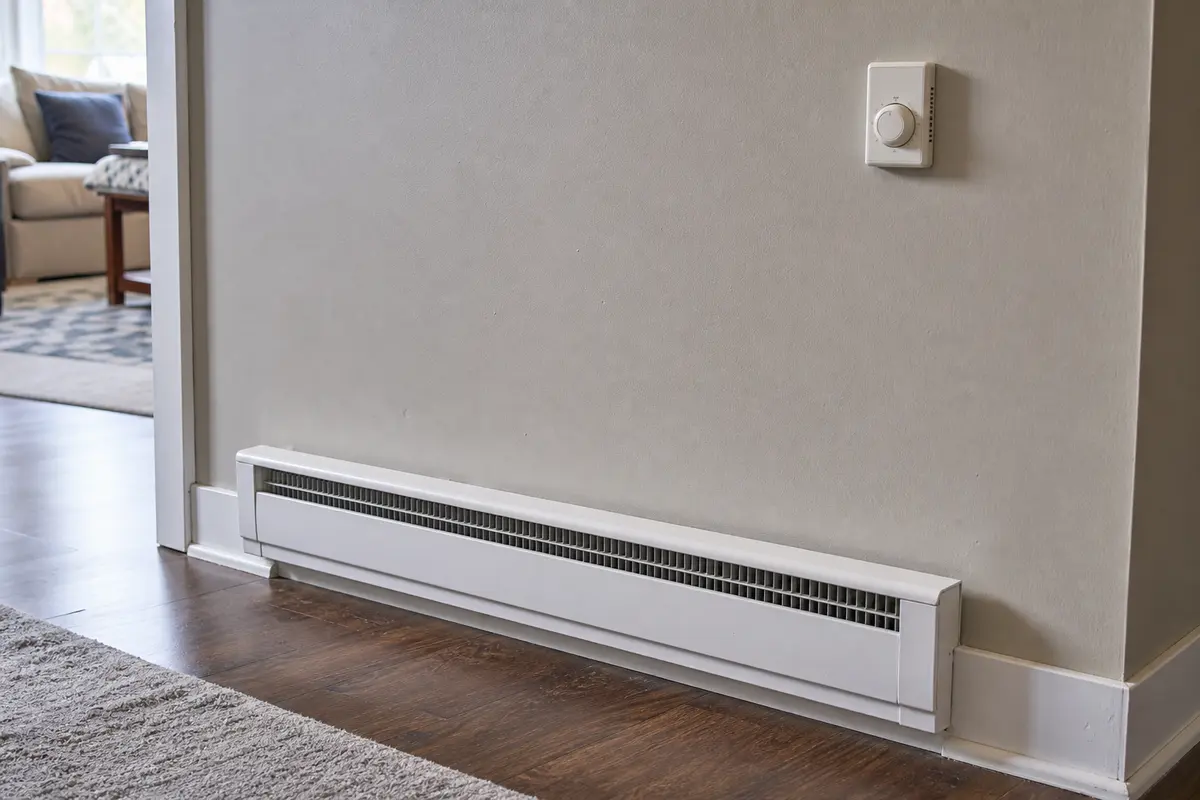
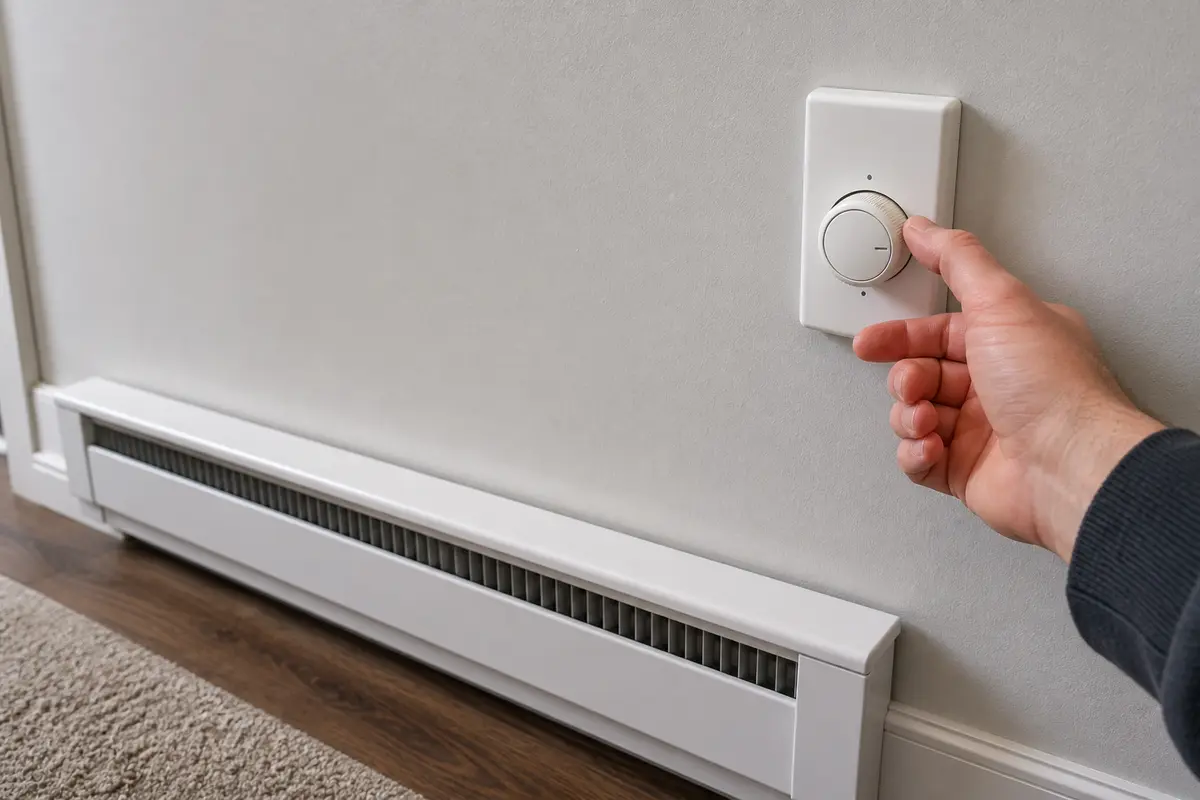
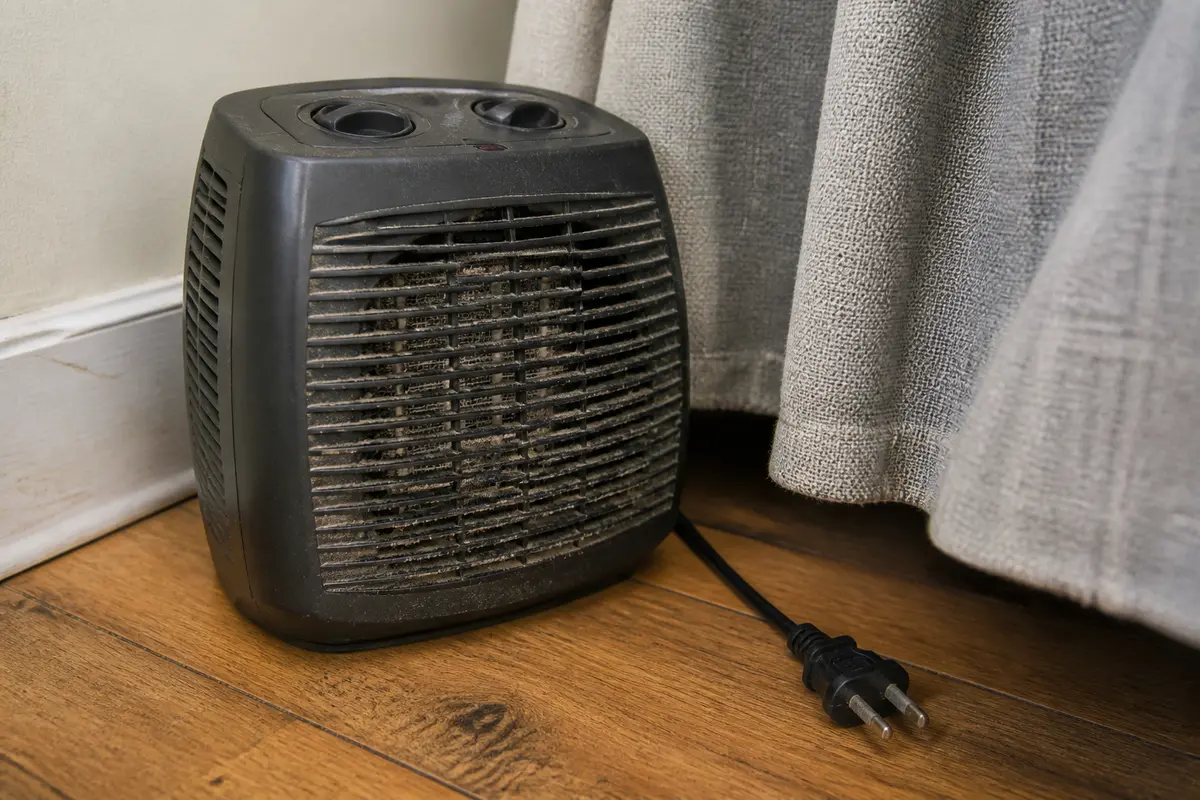
A clicking heater does not automatically need a heating element. Buy a thermostat only when the click is clearly at the thermostat or control, the heater will not hold a steady cycle, and the replacement matches the exact heater model, rating, and control style. Buy a knob only when the knob is cracked, stripped, or slipping on a good shaft. Clicking from wiring, a plug, outlet, wall box, breaker, or inside a hardwired heater is not a parts-cart problem.
Electric heaters make different clicks for different reasons. The safest first split is simple: normal temperature-change noise versus repeated electrical or overheating behavior.
A few bad shortcuts can turn a noisy heater into a damaged heater or a wiring hazard. Keep the diagnosis outside the cabinet: listen for timing, check clearance and grilles, and only remove a cover after power is off and the heater design allows it.
Listen before opening anything. The same sound means different things depending on where it starts and when it happens.
Use the first check to choose the next move. Do not keep running a heater just to reproduce an unsafe electrical sound.
| What you hear or see | Likely meaning | Next move |
|---|---|---|
| One click at startup or shutdown | Thermostat contact switching | Keep observing only if heat is steady and there are no safety clues |
| A few light ticks from a baseboard cover | Metal expansion or contraction | No part needed if it fades and heat output is normal |
| Rapid clicking from the heater control | Thermostat chatter or control failure | Rule out overheating first, then match the exact thermostat if replacement is proven |
| Repeated clicking on a portable heater | Blocked airflow or safety-limit cycling | Unplug, cool, clean exterior grilles, and improve clearance |
| Clicking from plug, outlet, wall box, or panel | Possible arcing, loose connection, or damaged wiring; leave power off | Leave power off and call a licensed electrician |
| Clicking plus no heat or breaker trip | Power, control, or safety-limit problem | Stop guessing at elements and diagnose the electrical path safely |
Portable and fan-assisted heaters often click repeatedly when they are hot internally. Start with outside-only checks while the heater is unplugged and cool: clear the grilles, improve clearance, and watch whether the next run settles down.
The homeowner checks here are listening, cleaning exterior grilles, improving clearance, and replacing a clearly proven external control part. Wiring faults are not guess-and-fix work.
These tools support outside checks and safe power-off verification. They do not make energized wiring or damaged electrical parts a DIY job.
Paid links. As an Amazon Associate I earn from qualifying purchases. Repair Riot may earn a commission at no extra cost to you.
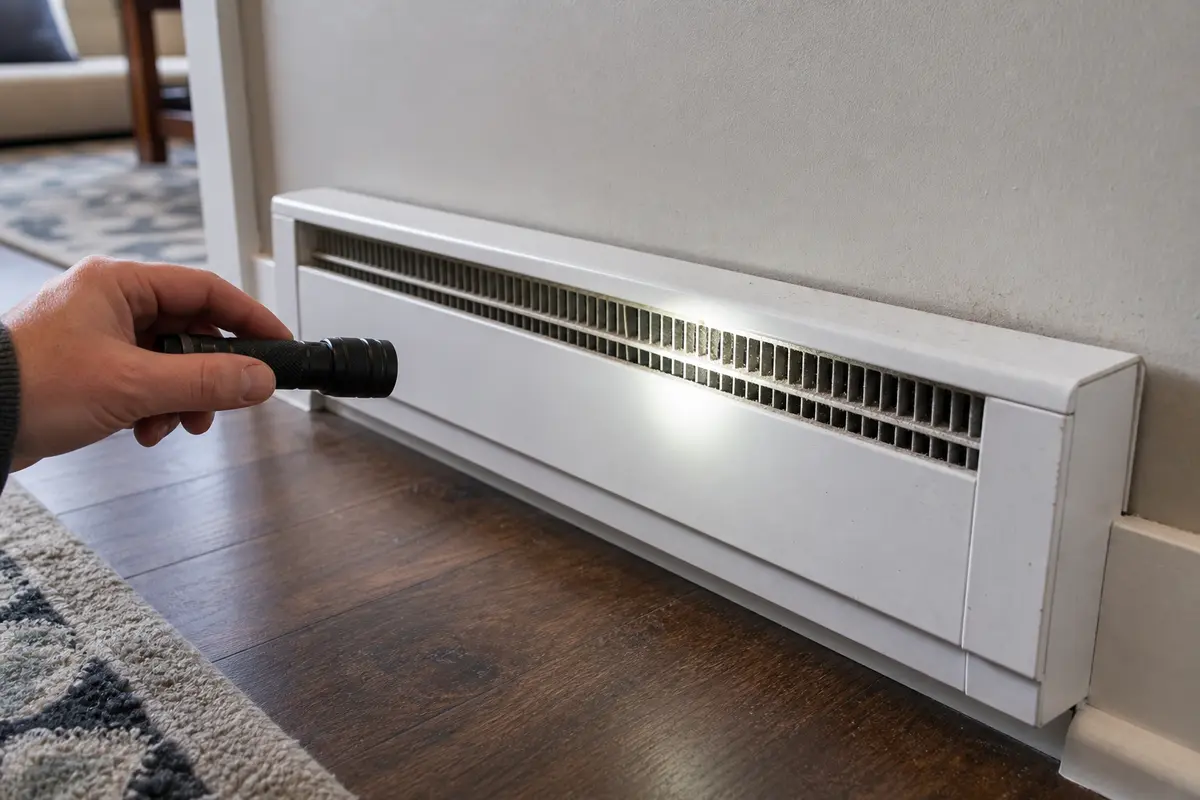
Helps when: Check dust buildup, discoloration, melted plastic, scorch marks, and exactly where the sound seems to start.
Skip it when: You already see burned wiring, melted plastic, or panel-side clicking; stop using the heater and call a licensed electrician.
Compare inspection flashlights on Amazon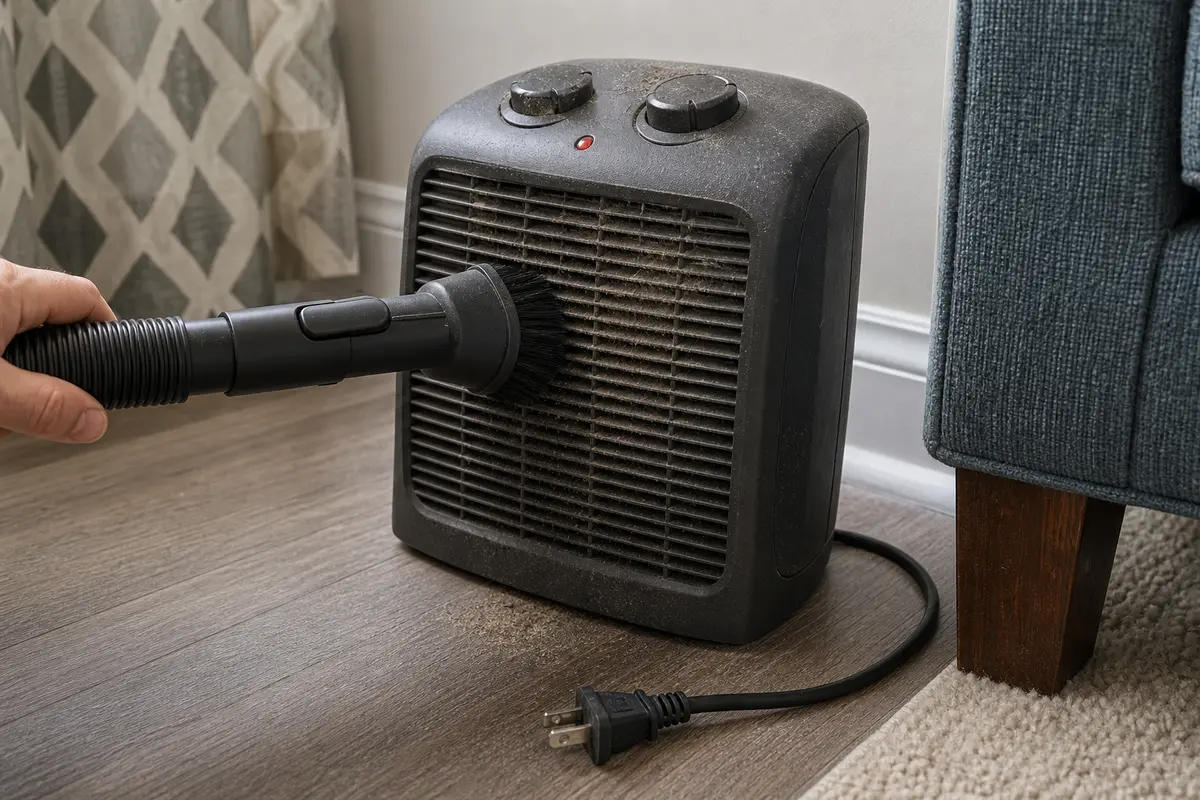
Helps when: Remove loose dust from exterior grilles on portable and fan-assisted heaters while the unit is unplugged and cool.
Skip it when: Cleaning would require opening the heater case or pushing tools through the grille.
Compare vacuum brush attachments on Amazon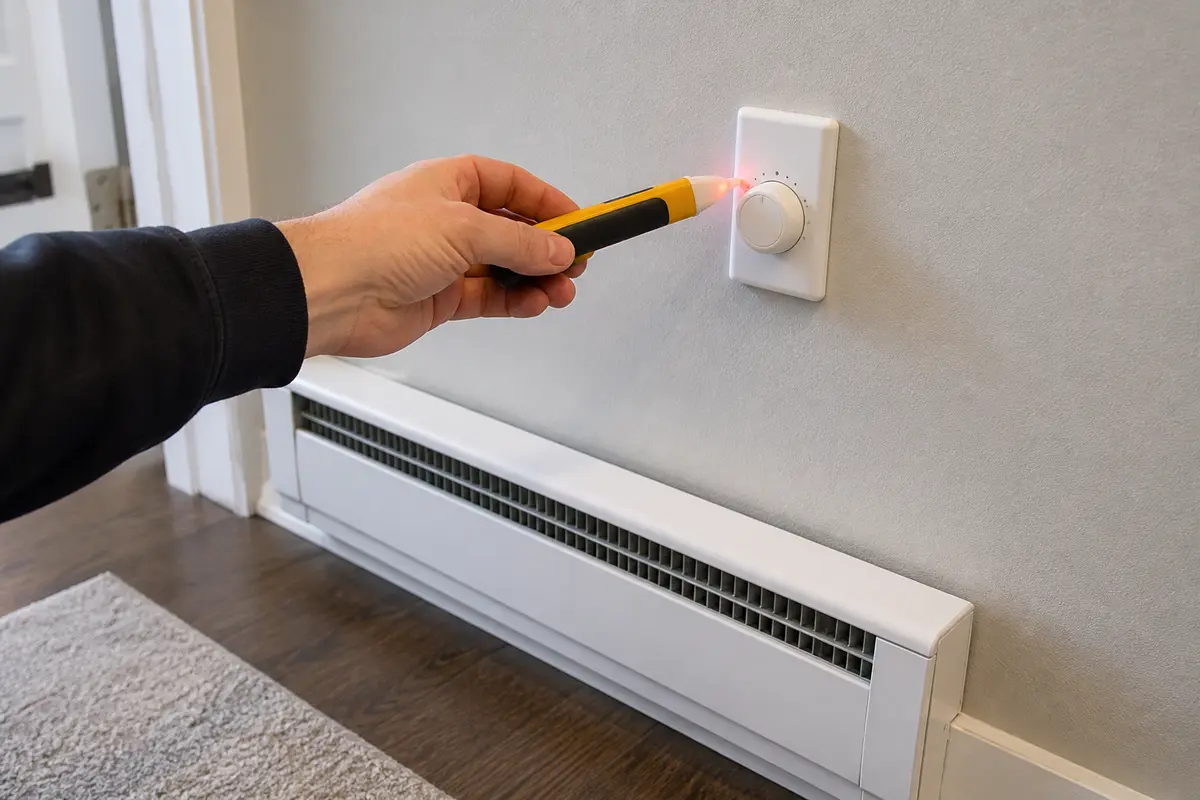
Helps when: Check for power before touching any accessible control area on a hardwired heater after the breaker is off.
Skip it when: You need energized-circuit diagnosis, panel wiring, or a damaged circuit.
Compare voltage testers on AmazonCheck the control before buying parts. Buy a thermostat only if the click is at the control and the heater will not hold a steady cycle. Clicking alone is not enough to condemn a heating element.
Paid links. As an Amazon Associate I earn from qualifying purchases. Repair Riot may earn a commission at no extra cost to you.
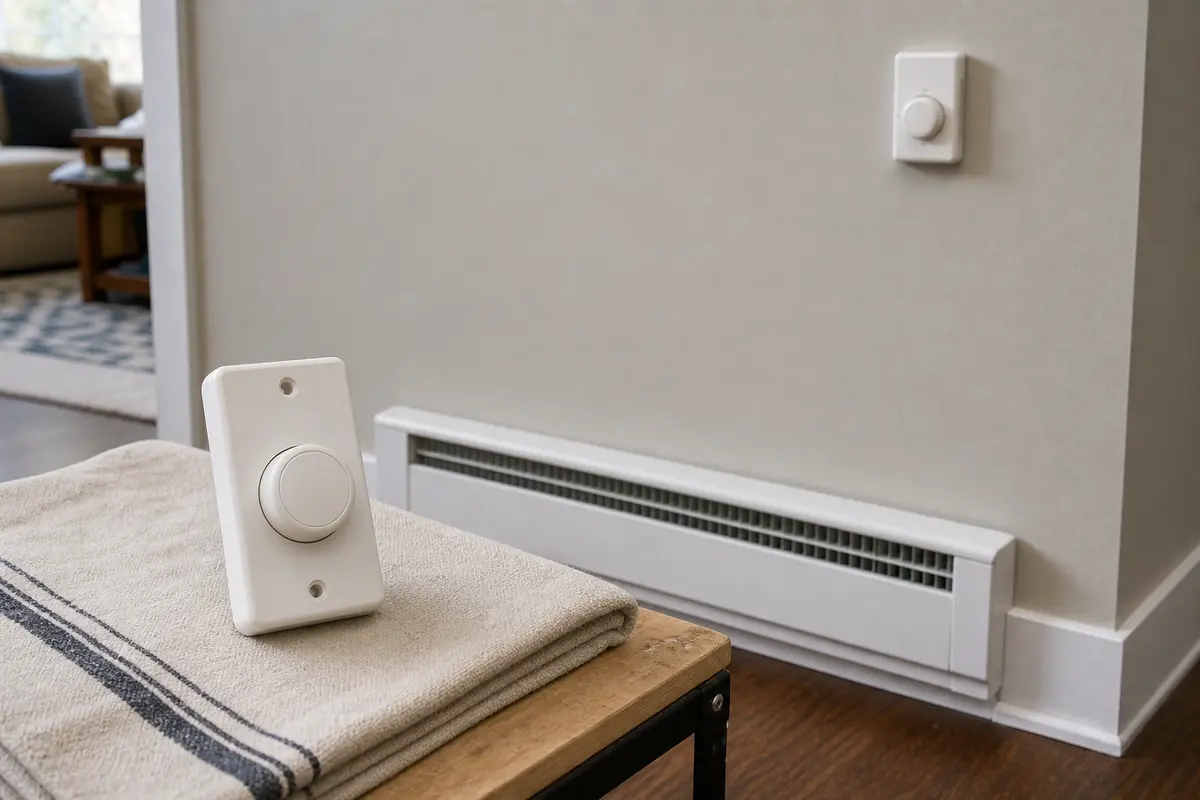
Helps when: The click is clearly at the thermostat or built-in control, it chatters or will not hold temperature, and airflow and safety clues have been ruled out.
Skip it when: The sound comes from the plug, outlet, wall box, panel, or inside a hardwired wiring compartment.
Compare electric heater thermostats on Amazon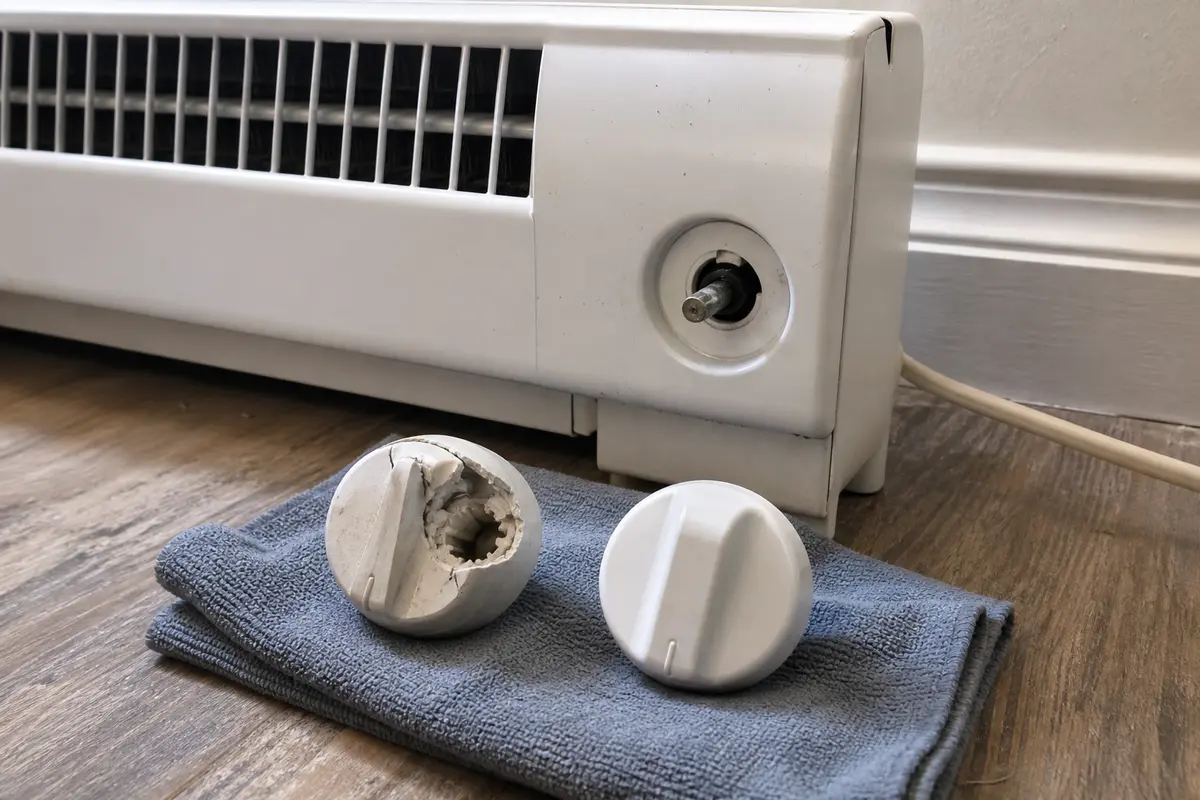
Helps when: The knob is cracked, stripped, or slipping, and the thermostat shaft underneath still moves cleanly.
Skip it when: The thermostat itself chatters, the heater cycles rapidly, or the knob does not match the original shaft.
Compare heater control knobs on AmazonSometimes, yes. Listen for one click at startup or shutdown; that is often the thermostat switching. A few light ticks during warm-up or cool-down can be normal metal movement. If the heater runs steadily with no smell, flicker, outlet heat, or breaker trip, keep observing. Rapid clicking, sharp snapping, or clicking from the wall or plug is not normal.
Listen to the baseboard cover as it cools. A few clicks from the metal cover and fins usually mean contraction. Check that the sound fades and heat stays even with no smell.
Yes. A failing electric heater thermostat can chatter instead of making one clean switch, and that can cause repeated clicking and uneven room temperature. Confirm the sound is actually at the thermostat before replacing it.
Not based on clicking alone. First check whether the sound lines up with normal expansion, thermostat switching, or overheating safety cycling. A heating element moves into the discussion only if you feel no heat and a power-off electrical test points to an open element.
Treat it as urgent if the sound comes from the plug, outlet, wall box, or breaker panel, or if you notice a burning smell, melted plastic, scorch marks, flickering lights, or breaker trips. Shut the heater off, leave the circuit alone, and call a licensed electrician.
Repeated clicking can happen when a fan-assisted or portable heater overheats, opens a safety limit, cools a little, and tries again. Unplug it, let it cool, clear dust from exterior grilles, and move fabric or furniture away. If it keeps cycling, stop using it.
Yes. One clean thermostat click when the room calls for heat can be normal. Rapid chatter, heat at the thermostat face, discoloration, or clicking from the wall box is not a normal operating sound.
Only if the clicking is brief, predictable, and comes from the heater body during warm-up or cool-down with no smell, flicker, outlet heat, breaker trips, or repeated cycling. Any electrical clue means leave it off.
Repair Riot built this page around what a homeowner can check before opening anything: click timing, click location, baseboard cover movement, thermostat switching, airflow, and electrical stop signs. The safety guidance supports clearance, unplugging, damaged-cord, smoke-alarm, and electrician handoff language.