Is the cabinet bottom wet first?
Work on the condensate path first. Start at the drain outlet, hose slope, trap water, and cabinet pitch with power off.
If an HRV or ERV is leaking condensation, start with the drain hose, trap, cabinet pitch, and dirty filters before you price a core or motor.
First prove the water starts at the cabinet drain. Wet duct insulation, sweating collars, and a sagged hose can all leave the same puddle.
Dry the area, watch where fresh moisture appears, then choose the next check from the water path.
Don’t start with: Do not open sealed sections, run the unit with wet wiring nearby, or blow compressed air backward through the drain.
Work on the condensate path first. Start at the drain outlet, hose slope, trap water, and cabinet pitch with power off.
Treat it as duct sweating or air leakage. Look for torn insulation, loose vapor jacket, cold metal, or humid room air hitting the duct.
Clear the accessible hose with warm water, remove the low pocket, and refill the trap if your unit uses one.
Look for restricted filters, blocked outdoor hoods, frost in the accessible core area, and a drain line that lets water sit long enough to freeze.
A small pitch can hold water in the wrong corner. Adjust only if the mounting is safe and you can support the unit.
Stop the DIY checks and schedule HVAC service. Those clues are beyond a simple drain clean or filter change.
Use the first wet spot to separate a cabinet drain problem from duct sweating. Dry the area, run the unit only if it is safe, and watch where new moisture forms.
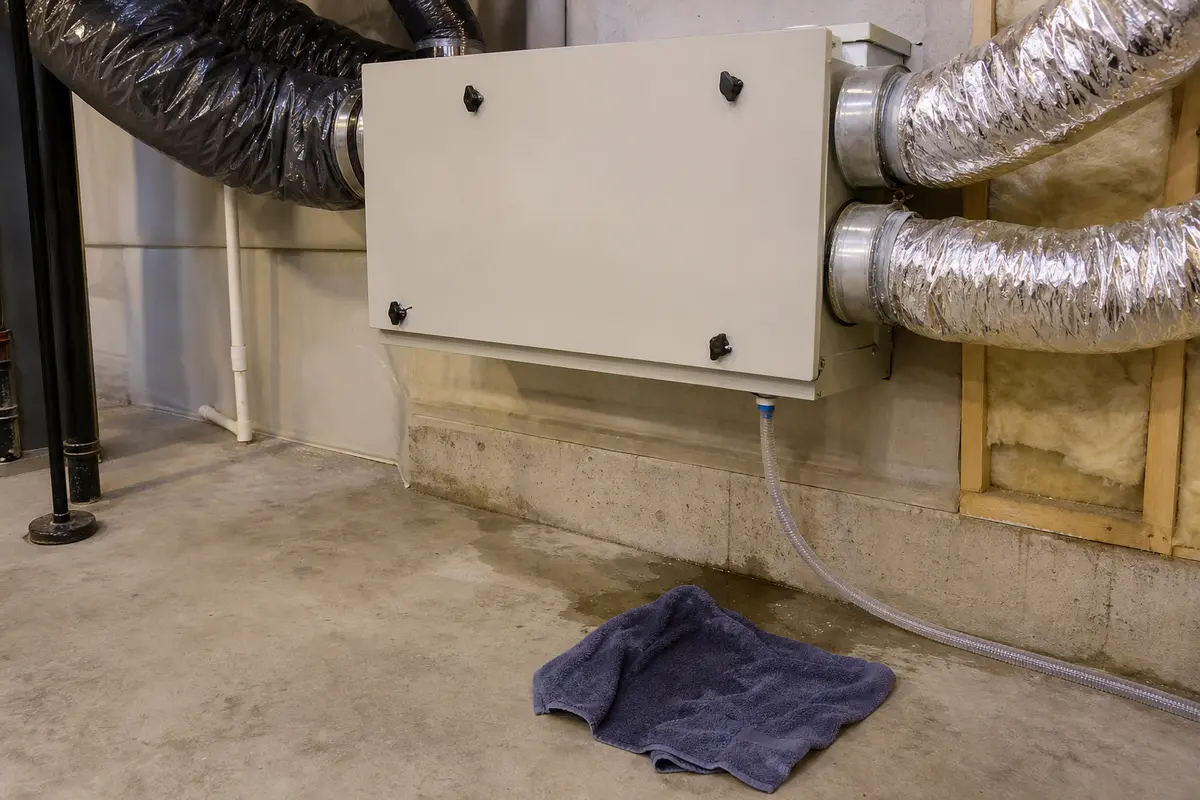
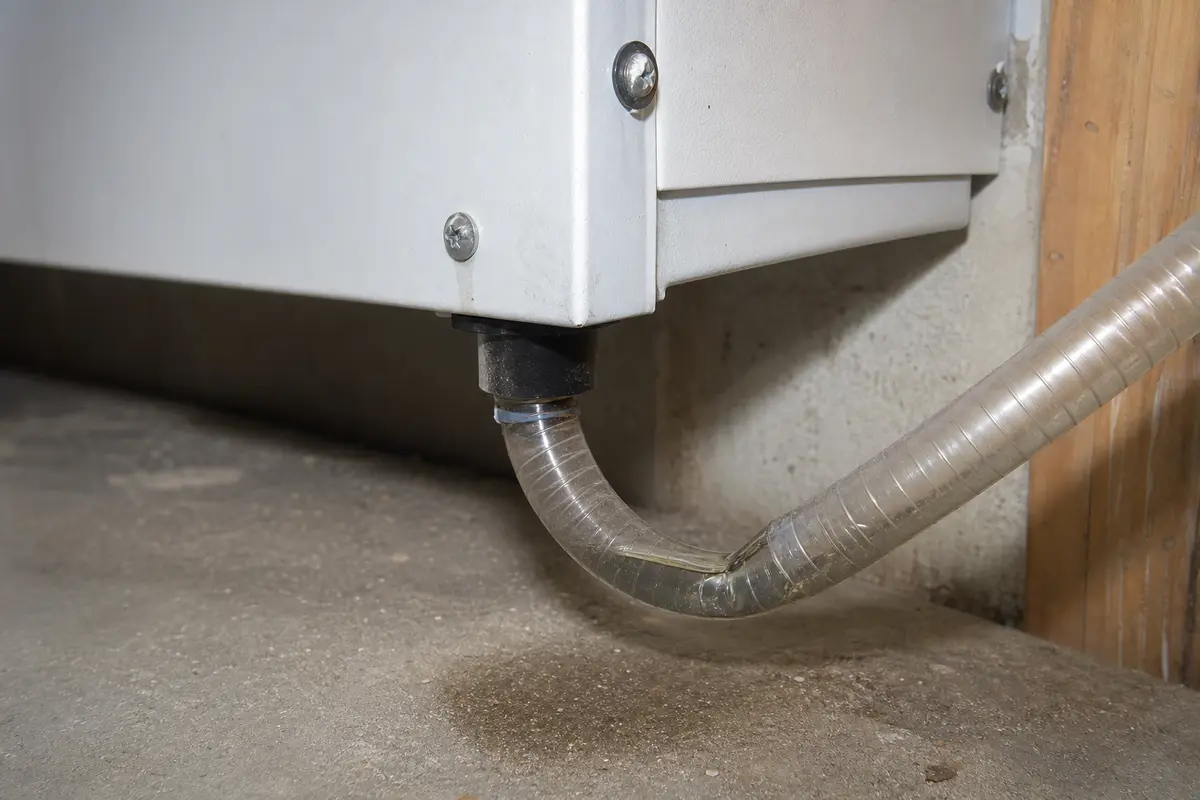
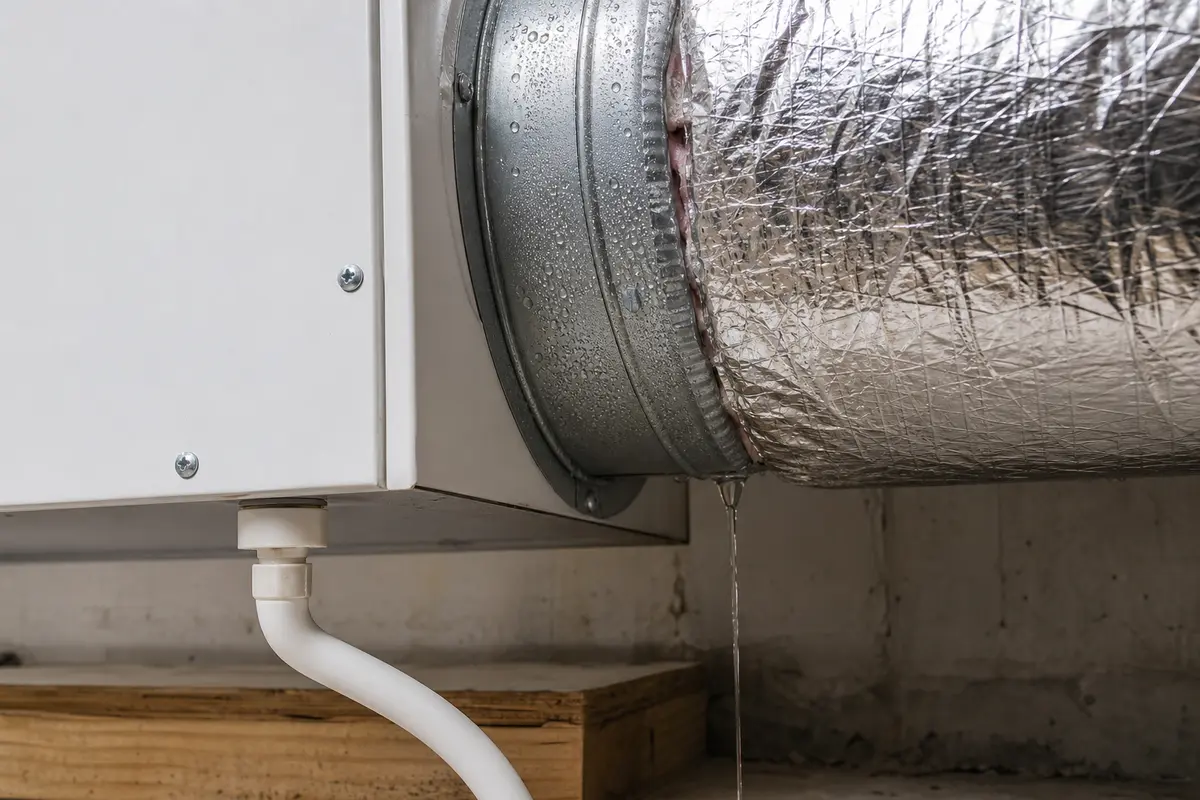
Do not buy a core, fan motor, trap kit, or drain hose until the water path points there. Prove the first wet spot, clear the existing hose if it comes apart safely, check filter condition, and match any replacement to the exact HRV or ERV model and drain size.
An HRV or ERV can make normal condensate. That water needs a clear drain path. A little blockage, dry trap, hose sag, or low airflow can make it pool inside.
The expensive shortcuts are the wrong first move on this symptom. Keep the early checks low-risk: power off, dry the area, follow the water, and avoid pushing debris back into the cabinet.
Dry the cabinet, hose, duct collars, and floor. If the unit can be run safely without touching moving parts or wiring, watch one short cycle and use the first new moisture as the clue.
| What gets wet first | What it usually means | Next check |
|---|---|---|
| Drain outlet or hose | Blocked hose, bad trap, low pocket, or cracked connection. | Power off, inspect the hose and trap, and catch water before disconnecting anything. |
| Cabinet bottom or side seam | Water is pooling inside before it reaches the drain. | Check drain flow, cabinet pitch, and accessible frost or overflow marks. |
| Duct collar or insulation jacket | Sweating duct, loose vapor jacket, or air leak at the connection. | Repair insulation and air sealing before buying HRV or ERV parts. |
| Core area or filter area | Restricted airflow, frost, or a panel that is not seated. | Clean or replace filters and stop for heavy ice or fan trouble. |
| Wiring, control area, or receptacle | Electrical wetting risk. | Leave power off and call an HVAC tech or electrician as appropriate. |
The drain hose is the first real repair check because it is common, visible, and usually safer than opening deeper cabinet sections. Work with power off and keep water away from the unit.
If the drain is open but water still appears at the cabinet, look for clues that make condensate outrun the drain: pitch, airflow, and frost.
A lot of HRV and ERV leak calls start beside the unit, not inside it. Cold fresh-air duct, damaged insulation, or a loose vapor jacket can drip onto the same floor area.
These tools support the safe homeowner checks. Skip any tool that would push you into wet wiring, unstable access, or disassembly beyond normal service panels.
Paid links. As an Amazon Associate I earn from qualifying purchases. Repair Riot may earn a commission at no extra cost to you.
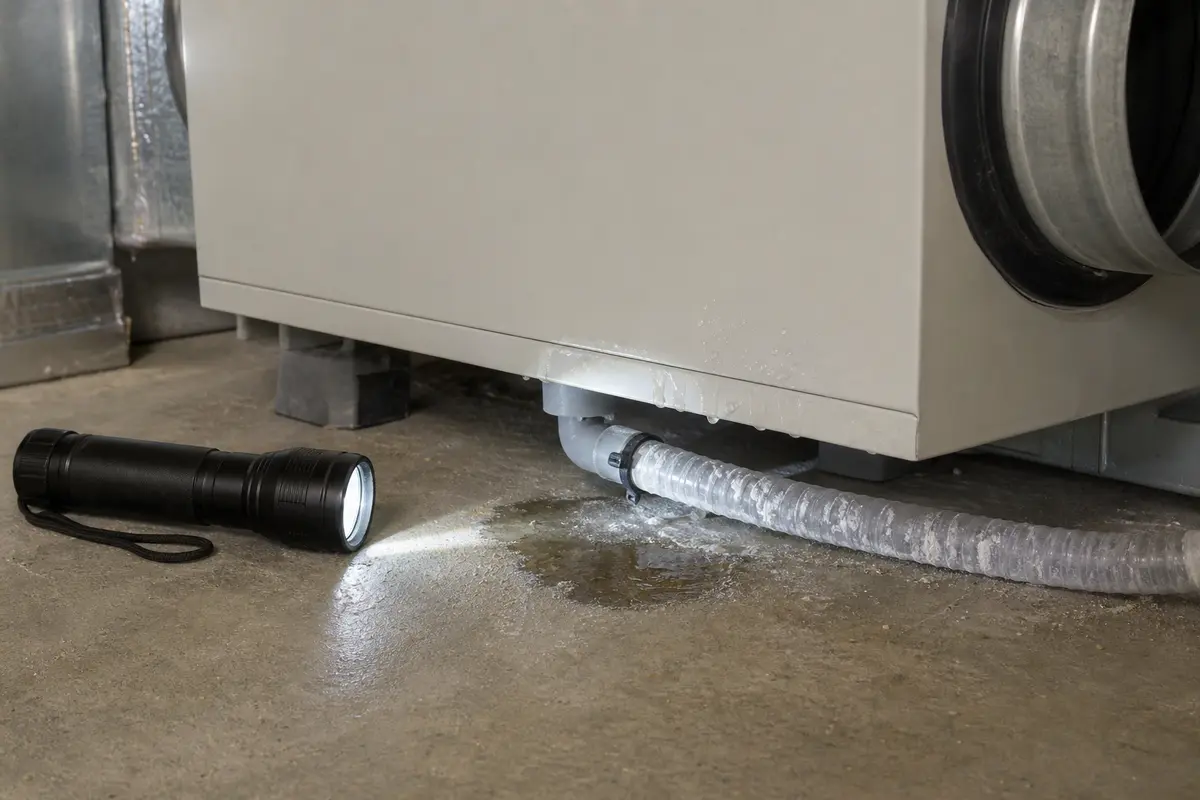
Helps when: Tracks mineral streaks, water beads, frost, and the first wet spot under or beside the cabinet.
Skip it when: Water is touching wiring or the unit is too high to inspect from a stable platform.
Compare inspection flashlights on Amazon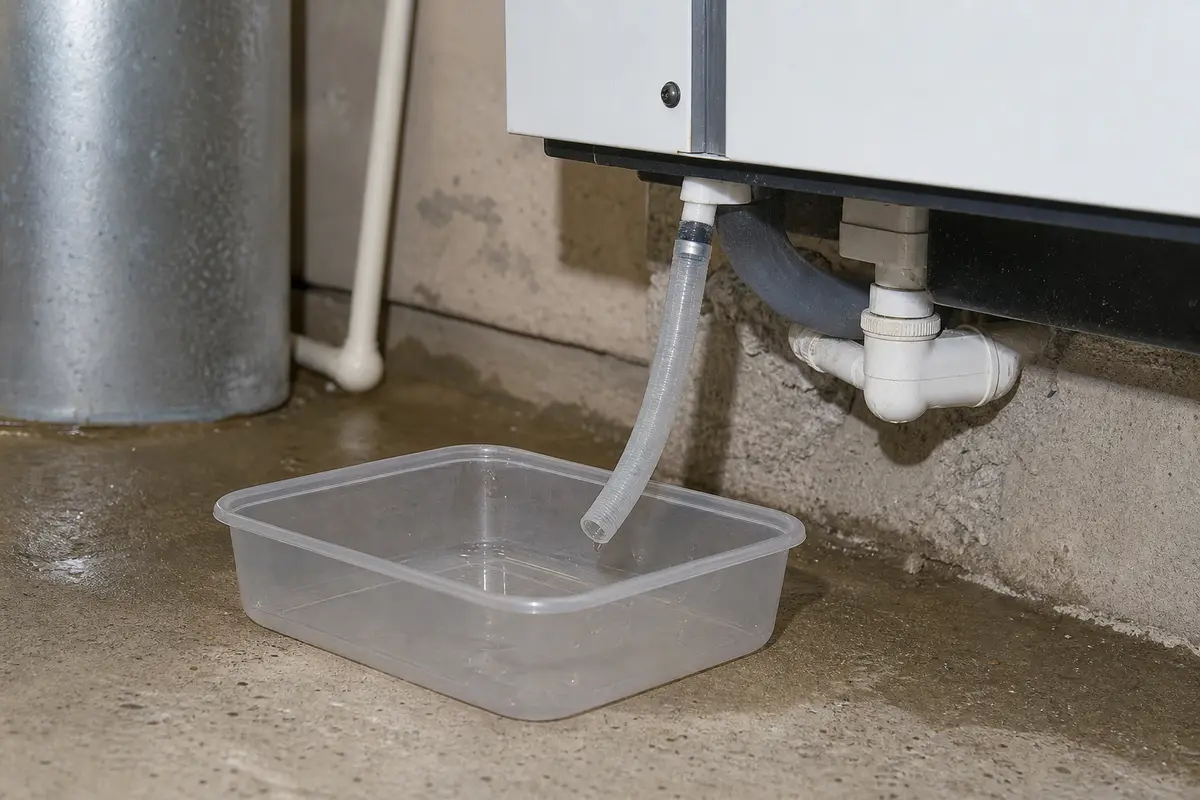
Helps when: Catches water when an accessible drain hose or trap section is disconnected for a warm-water flush.
Skip it when: The drain ties into plumbing or the cabinet fitting looks cracked, brittle, or loose.
Compare small catch pans on Amazon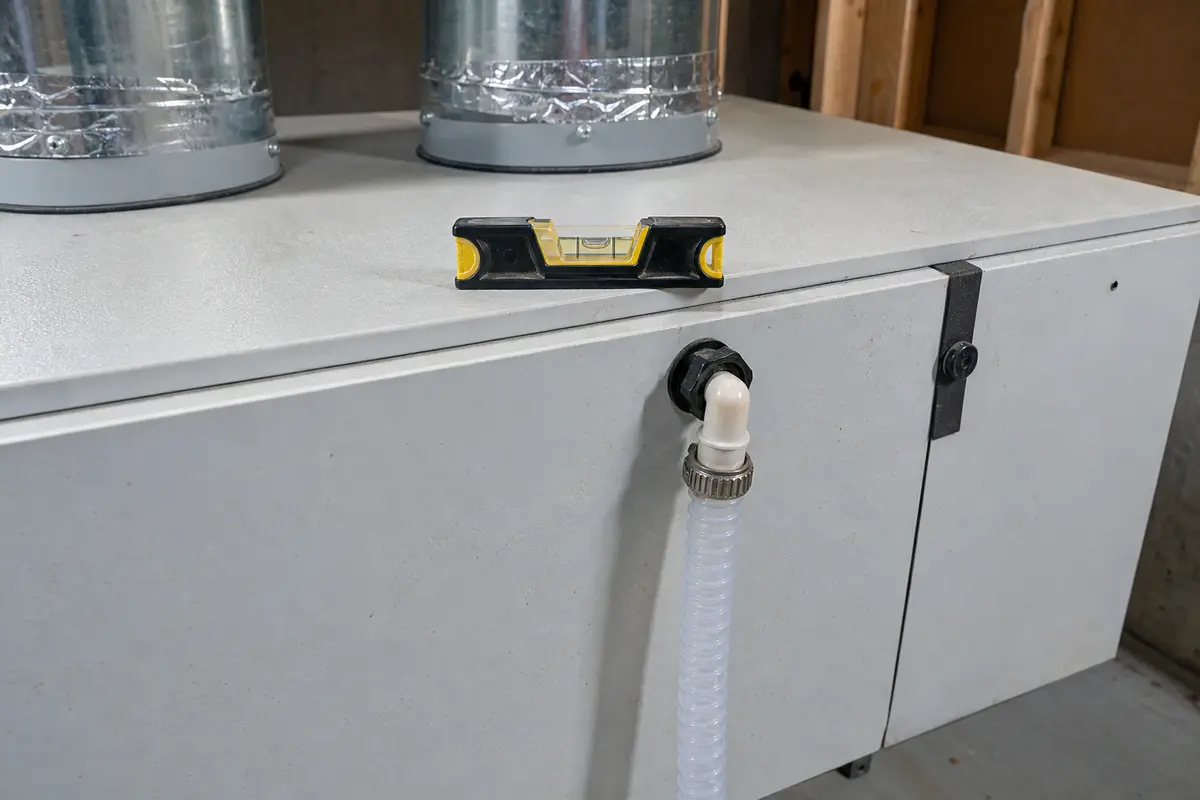
Helps when: Checks whether the HRV or ERV cabinet is pitched in a way that holds water away from the drain.
Skip it when: The unit is ceiling-hung or would need unsupported mounting adjustments to change pitch.
Compare small levels on AmazonBuy parts only after the check points to them. Match the exact HRV or ERV model, drain size, filter dimensions, and manufacturer style before ordering.
Paid links. As an Amazon Associate I earn from qualifying purchases. Repair Riot may earn a commission at no extra cost to you.
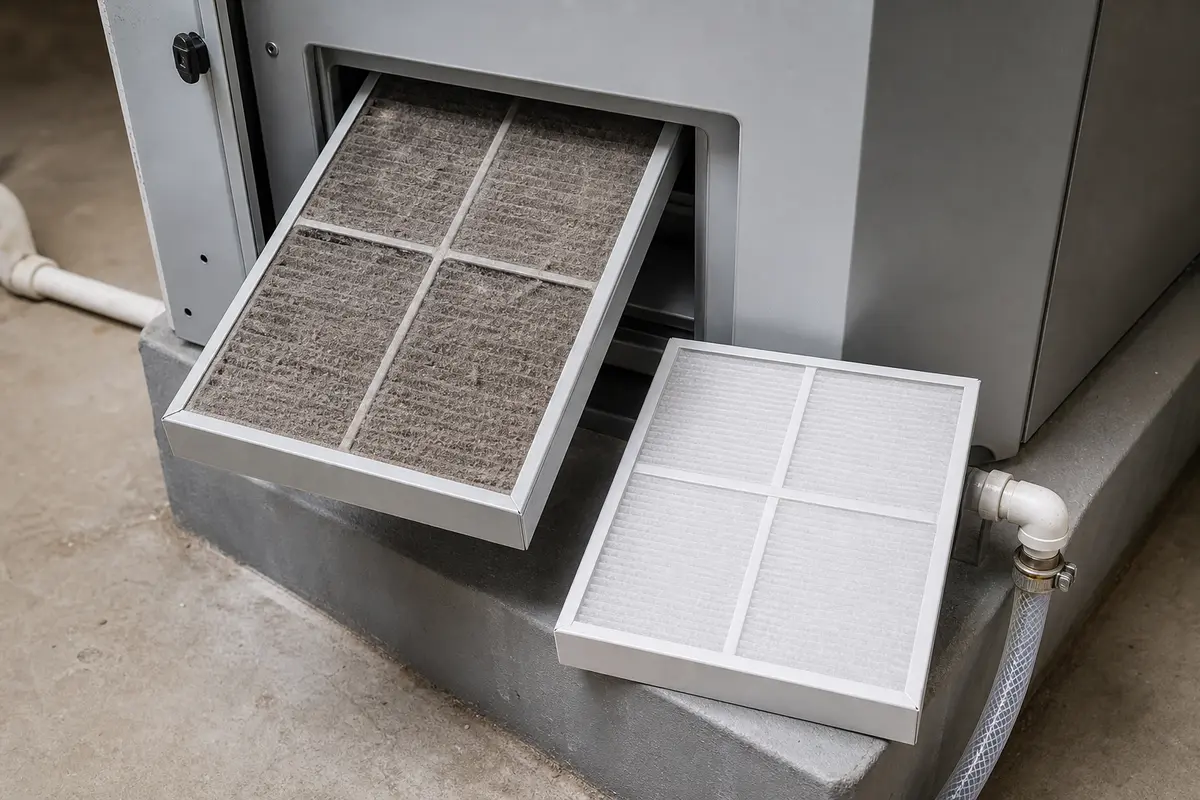
Helps when: The old filter is disposable, damaged, packed with dust, or airflow improves after you remove it for inspection.
Skip it when: The filter is clean and the leak starts at the drain hose, duct collar, wiring area, or internal frost.
Compare HRV and ERV filters on Amazon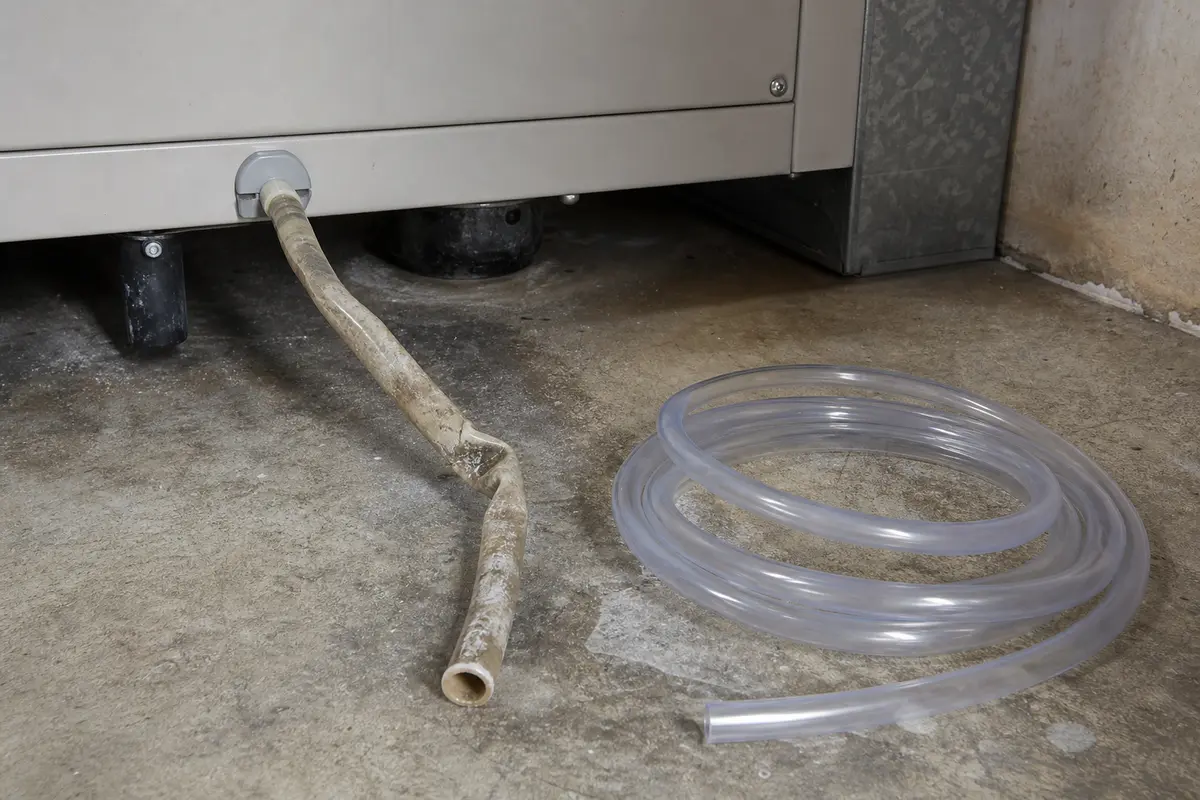
Helps when: The existing tubing is kinked, cracked, slimed inside, or permanently sagged and matches the same diameter and routing.
Skip it when: The cabinet drain fitting is cracked or the tubing size, trap layout, or termination point is uncertain.
Compare condensate drain tubing on Amazon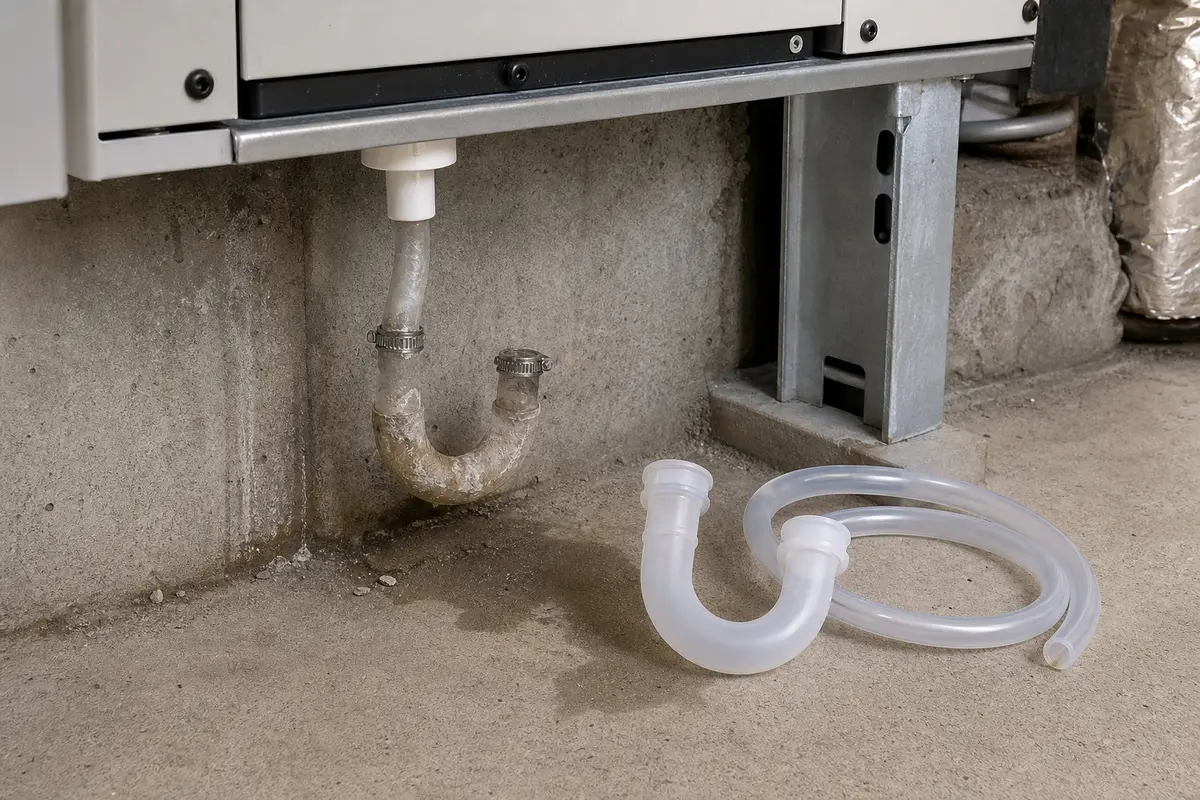
Helps when: The original trap is missing, cracked, or will not hold water, and the unit manual calls for that trap style.
Skip it when: You have not proved the trap is the issue or the drain ties into plumbing you should not alter.
Compare condensate trap kits on AmazonCold weather makes frost and condensate problems show up faster. Look at the drain hose, trap, filters, outdoor hoods, and any frost around the accessible core area before you blame an internal part.
Yes, it can contribute. A loaded filter cuts airflow, which can make the cold side frost harder and shed more meltwater than the drain is handling well.
No. A cold duct collar, torn vapor jacket, or wet insulation can drip near the cabinet and look like a unit leak. Dry both areas and watch where fresh moisture appears first.
No. Harsh chemicals can damage tubing, seals, or nearby components. Use warm water on a disconnected hose section when you can catch the water safely.
Leave it off if water is near wiring, controls, a receptacle, or finished surfaces that are getting soaked. A small drain drip can become electrical trouble or building damage if it keeps running.
If your unit uses a trap, check that the trap is installed, routed correctly, and holding water before the next run cycle. A dry, cracked, or missing trap can leave condensate sitting near the cabinet drain.
No, not from the puddle alone. First trace the drain hose, trap, cabinet pitch, filter condition, frost, and duct sweating. Price a core only after those checks or an HVAC tech point there.
Call for service when the drain is clear, the trap is right, the cabinet is level, filters are clean, and water still returns. Also call for repeated frost, a dead fan, wet wiring, or hidden water damage.
Repair Riot built this page around safe homeowner checks: first wet spot, condensate drain path, trap behavior, cabinet pitch, filters, frost, and duct sweating. The source links support the ventilation, frost-protection, maintenance, and duct-insulation context; the repair sequence is original guidance.