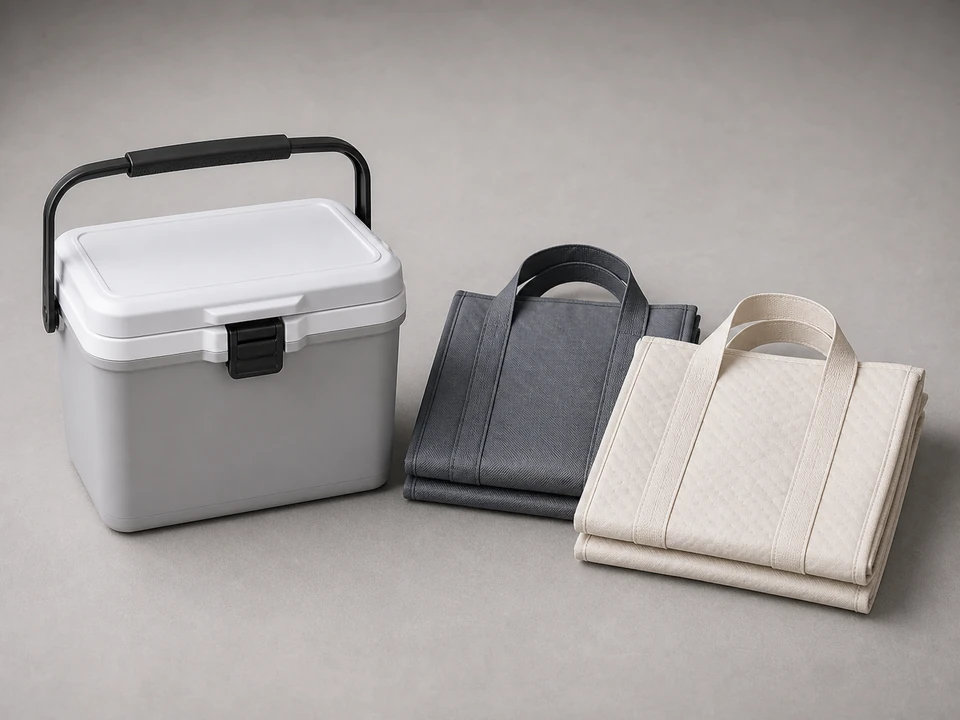
Cooler or insulated bags
Use it for: Keeps frozen food cold while the freezer is off.
Find a food coolerTo manually defrost a freezer, unplug it or switch it off, move food to a cooler, let the ice melt naturally, wipe out the water, then restart the freezer and confirm it returns to normal temperature.
Manual defrosting helps when frost buildup is choking airflow, drawers are sticking, or the door will not close cleanly because of ice. The safe approach is slow and simple: empty the freezer, protect the floor, let the ice melt, and avoid anything sharp or overly hot.
Before you start: Choose nonmetal tools and absorbent cleanup supplies that fit your freezer size. Do not use sharp metal tools or a heat source that can damage plastic liners or wiring. Stop if the repair becomes unsafe or unclear.
Use it for: Keeps frozen food cold while the freezer is off.
Find a food cooler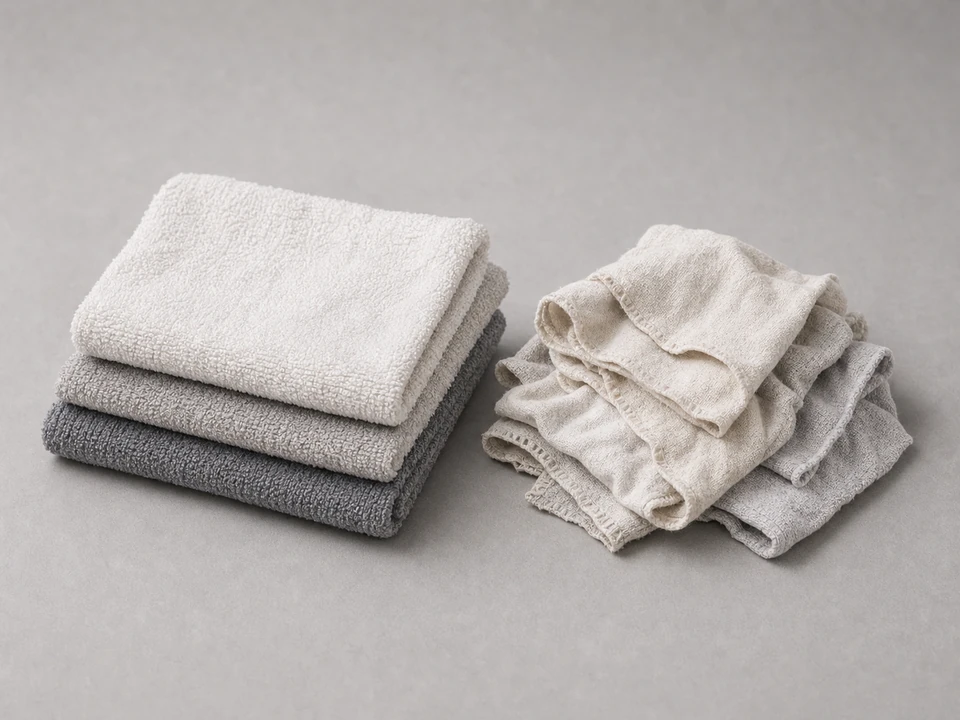
Use it for: Catches meltwater and helps dry the freezer before restart.
Shop absorbent towels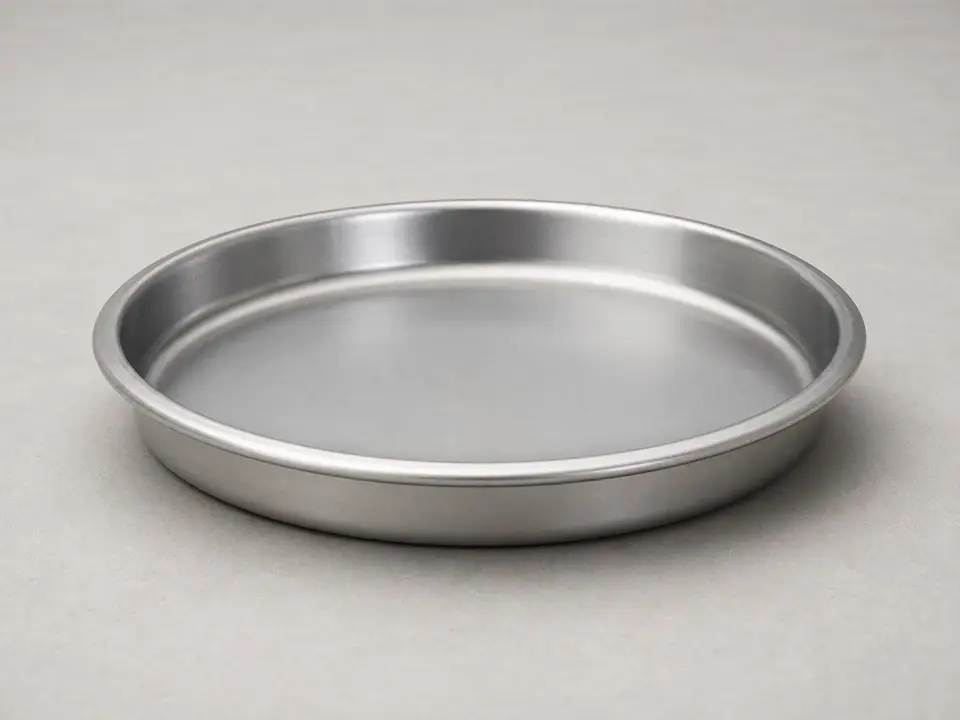
Use it for: Collects water under the freezer or inside the bottom compartment.
Get a shallow drip pan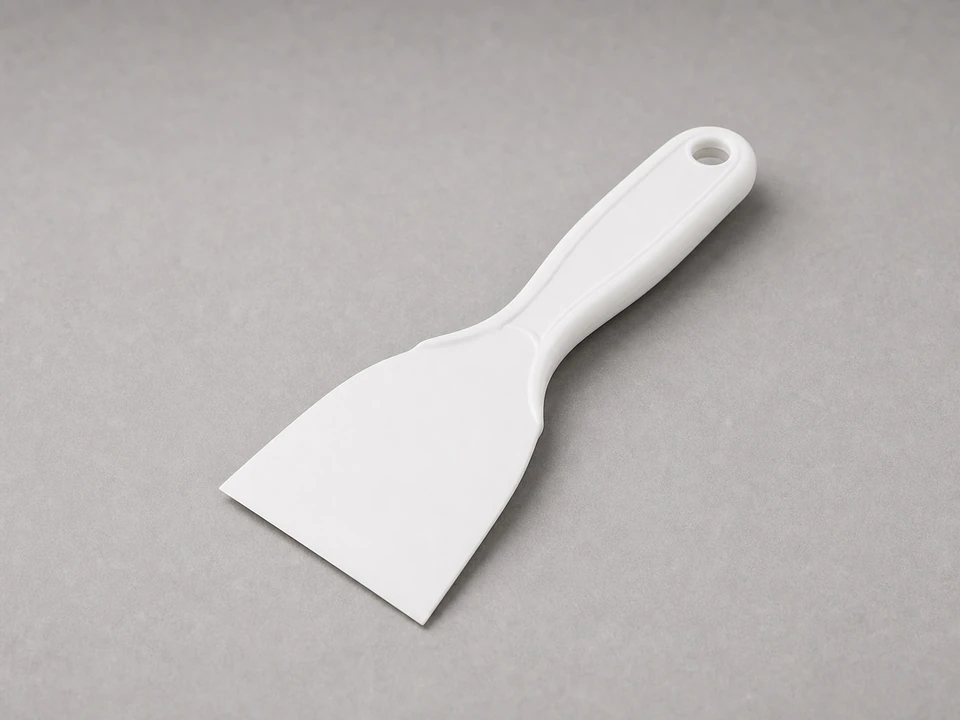
Use it for: Helps lift loosened ice without gouging the liner.
Buy a plastic scraper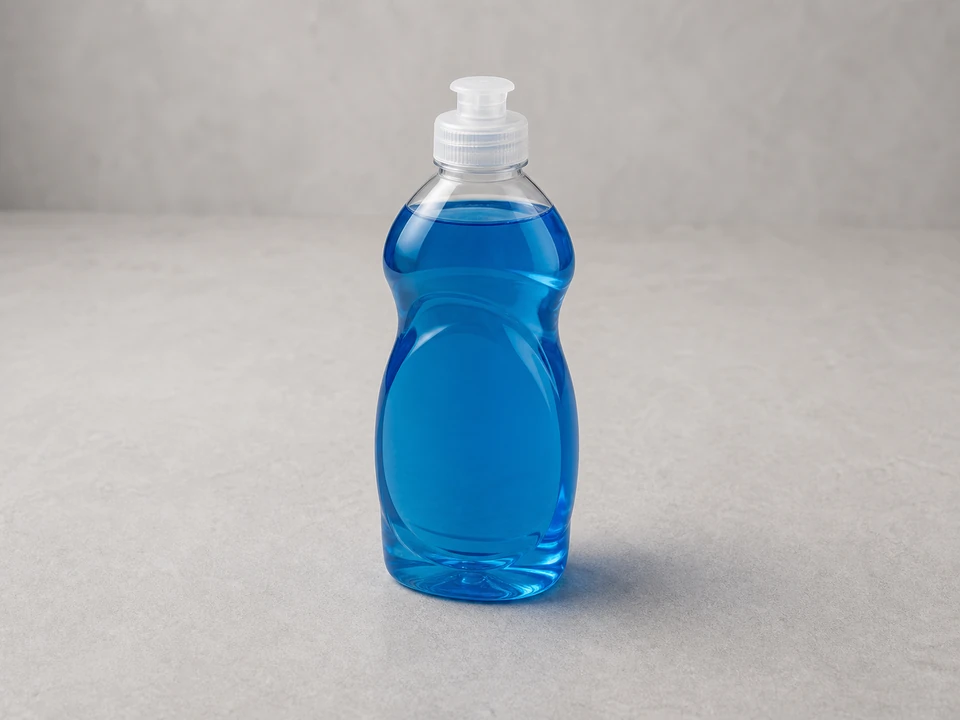
Use it for: Cleans residue and odors after the ice is gone.
Shop dish soap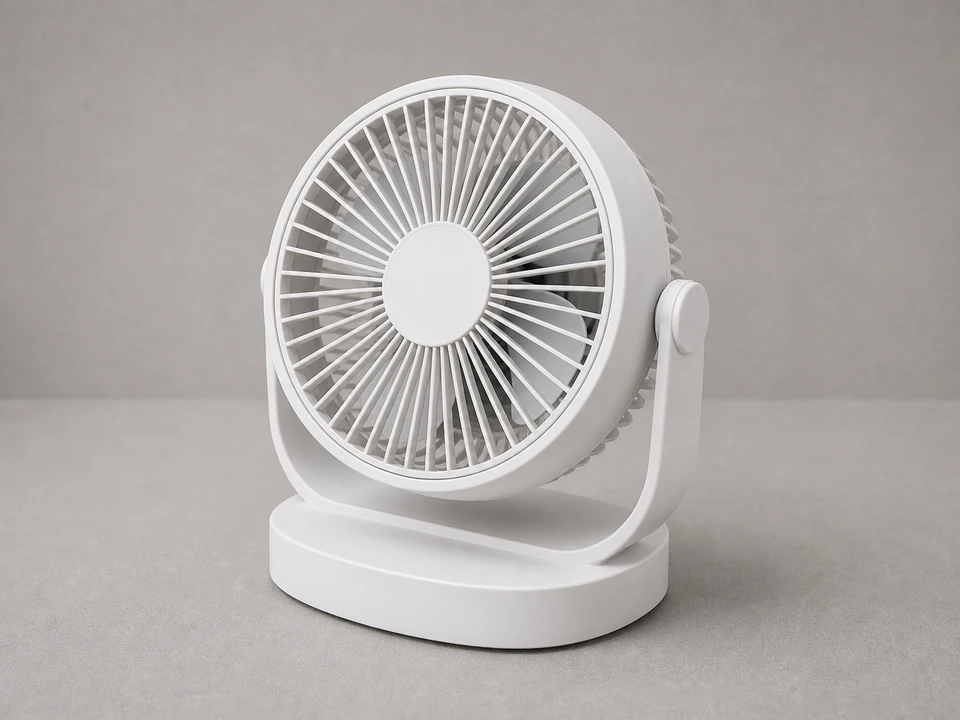
Use it for: Speeds drying and can shorten the defrost time.
Find a small fanAs an Amazon Associate I earn from qualifying purchases. Repair Riot may earn a commission at no extra cost to you.
If it works: You have clear ice buildup that justifies a full manual defrost.
If it doesn’t: If there is little or no frost, manual defrosting may not solve the problem. Check for a bad door seal, blocked vents, or a cooling problem instead.
If it works: The freezer is off, empty, open, and protected for water cleanup.
If it doesn’t: If food cannot be kept safely cold, pause and arrange temporary cold storage before continuing.
If it works: Most or all of the ice has released without damaging the freezer liner.
If it doesn’t: If thick ice is still bonded in place, give it more time with the door open and keep wiping away meltwater.
If it works: The freezer interior is clean, dry, and free of leftover slush.
If it doesn’t: If you still find wet spots or slush, keep drying and check corners, tracks, and the bottom panel again.
If it works: The freezer is running again and beginning to cool normally.
If it doesn’t: If it does not restart, confirm the outlet has power and the controls are on. If power is present and the freezer stays silent, the issue is likely beyond a simple defrost.
If it works: The freezer is back in service, cooling normally, and not building frost right away.
If it doesn’t: If frost returns quickly, inspect the door gasket for gaps, make sure the door is not being left ajar, and look for a defrost-system or airflow problem if buildup keeps coming back.
It depends on how much ice has built up. A light frost may clear in a couple of hours, while heavy buildup can take much longer. Opening the door and using a fan can help speed it up safely.
Yes, but only with a plastic scraper and only after the ice has started to loosen. Do not force it, and do not use metal tools that can puncture or crack the liner.
It is better to wait until the freezer has started cooling back down. If food has thawed too much during the process, do not refreeze it unless it is still safely frozen or contains ice crystals.
The most common causes are a door left slightly open, a worn or dirty door gasket, frequent warm air entering the compartment, or a defrost or airflow problem that lets ice build up too fast.
Warm water in a bowl placed inside the unplugged freezer can help in some cases, but avoid pouring water onto panels or using anything extremely hot. Too much heat can damage plastic parts and create a mess.