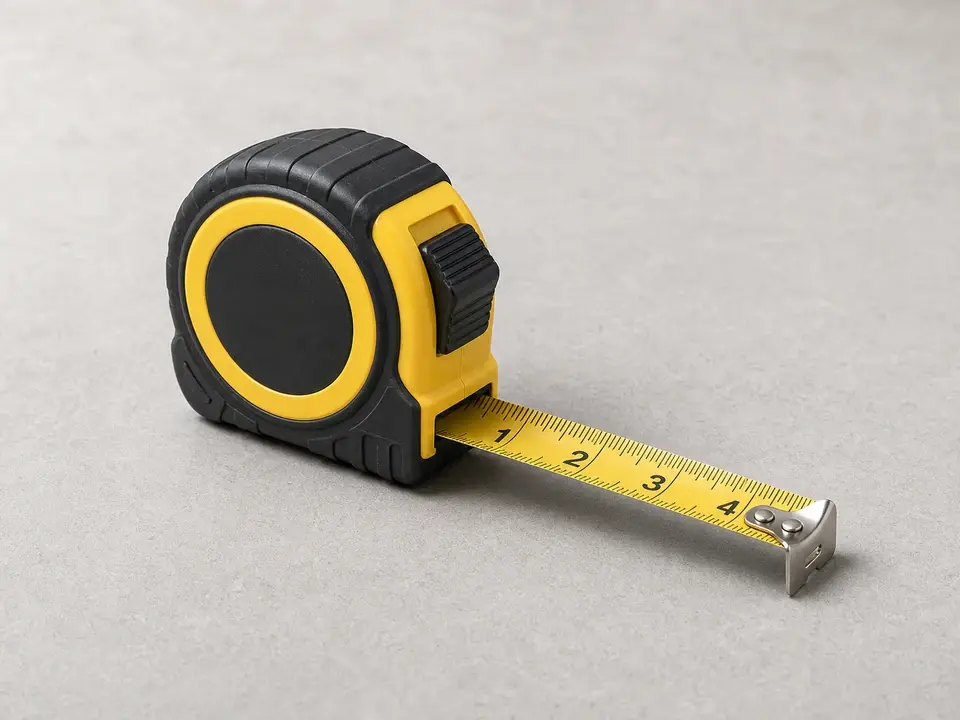
Tape measure
Use it for: To measure the old insert length, width, and height before buying the replacement.
Shop tape measuresIf the threshold insert is cracked, shrunken, loose, or no longer seals against the bottom of the door, you can usually replace it by removing the old insert, cleaning the threshold channel, installing a matching new insert, and adjusting it until the door seals evenly.
This is a manageable repair for many homeowners. The key is making sure the insert is actually the problem and getting a replacement that matches the threshold style, width, and attachment method.
Before you start: Match the replacement part to your exact door before ordering.
Use it for: To measure the old insert length, width, and height before buying the replacement.
Shop tape measures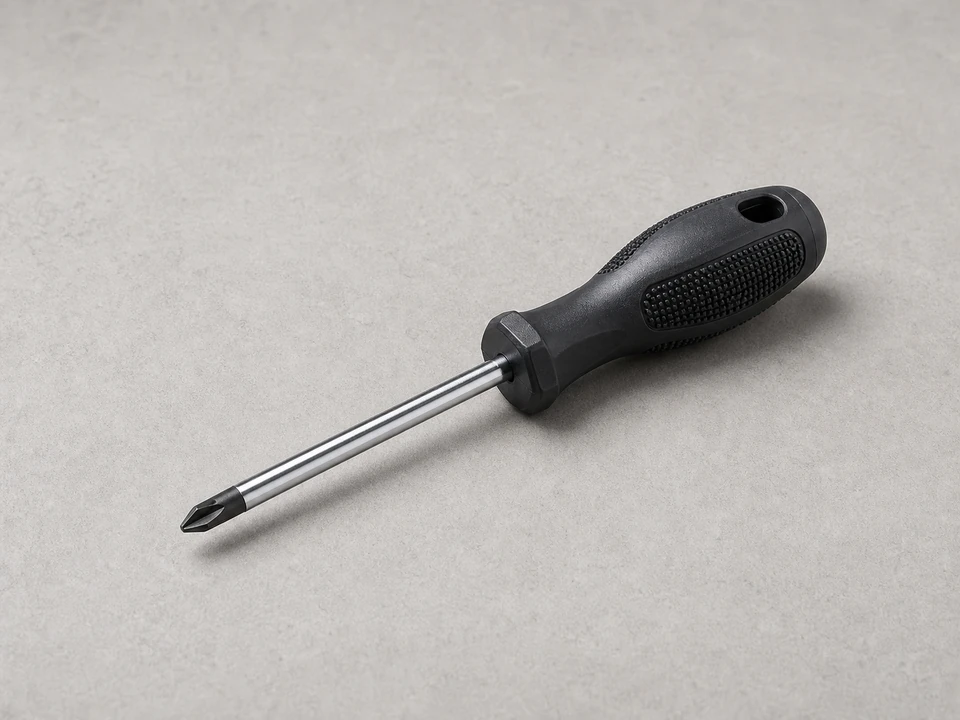
Use it for: To turn the threshold adjustment screws and remove any fasteners holding the insert or threshold cap.
Shop screwdrivers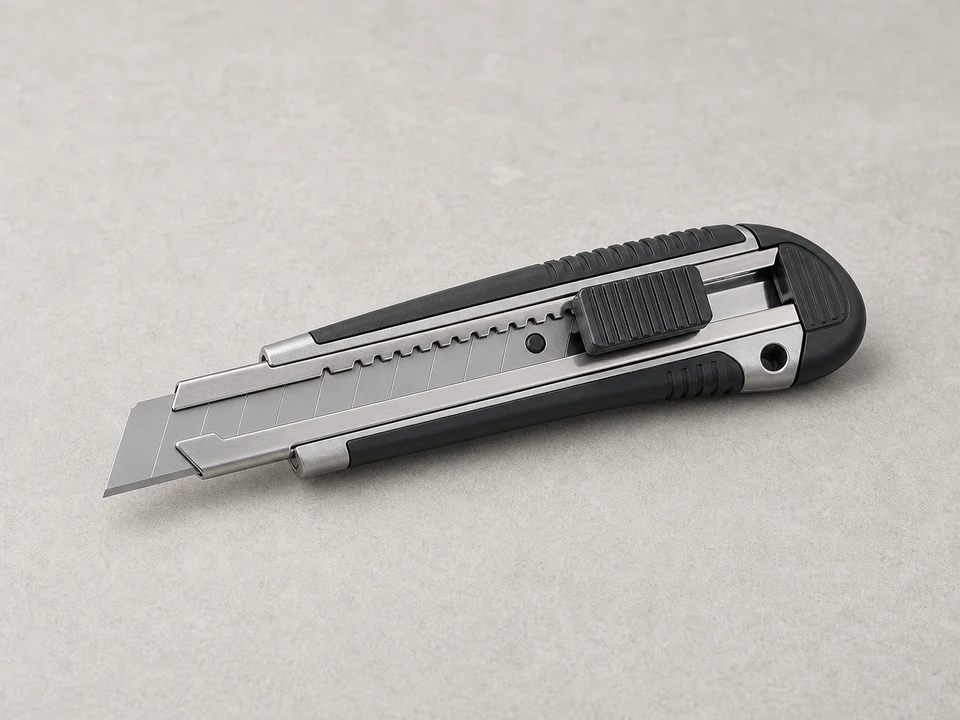
Use it for: To score old caulk, cut a stubborn insert loose, or trim the new insert to length if needed.
Shop utility knives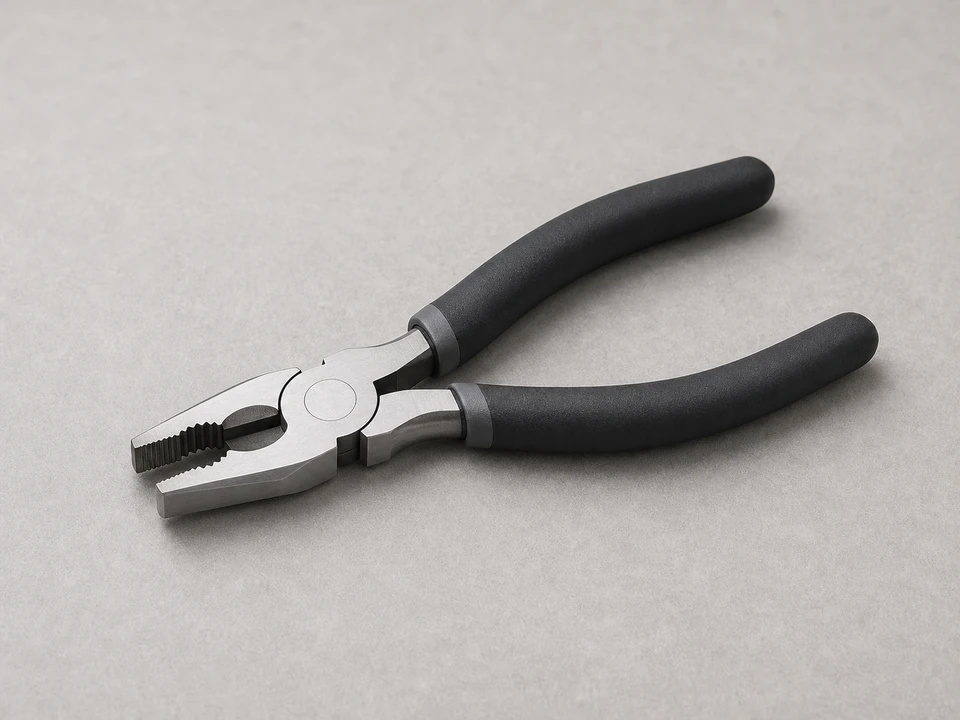
Use it for: To grip and pull the old insert out of the threshold channel.
Shop pliers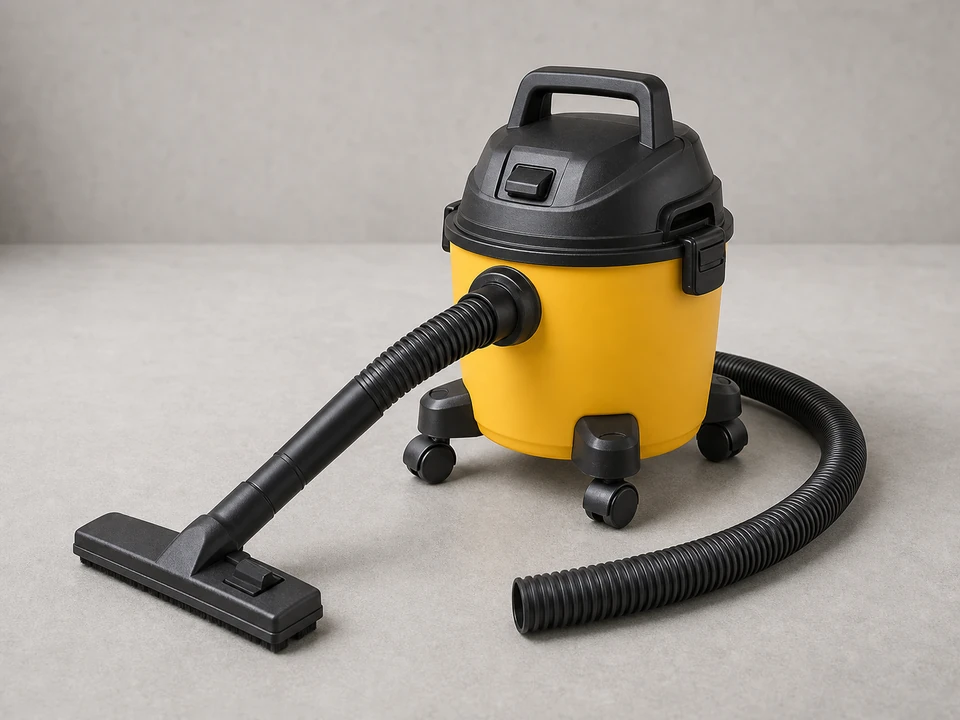
Use it for: To clean dirt and grit from the threshold channel before installing the new insert.
Shop shop vacs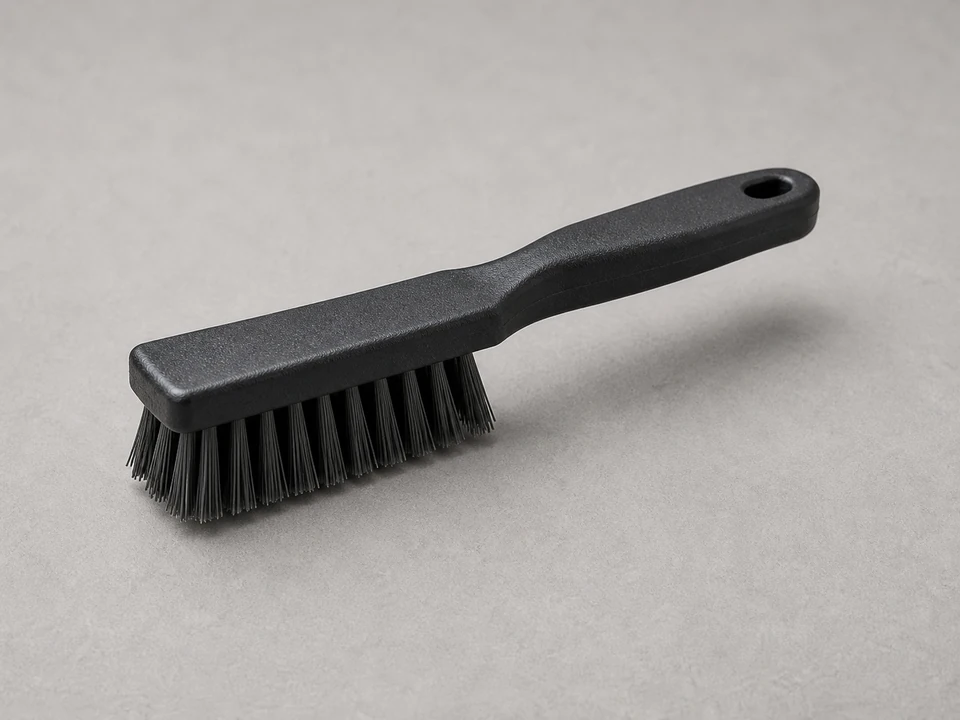
Use it for: To scrub debris and old seal material out of the threshold channel.
Shop stiff cleaning brushesAs an Amazon Associate I earn from qualifying purchases. Repair Riot may earn a commission at no extra cost to you.
If it works: You confirmed the insert is worn or damaged and you have basic measurements for a matching replacement.
If it doesn’t: If the insert looks good but the door still leaks or drafts, inspect the door sweep, weatherstripping, and door alignment before replacing this part.
If it works: The work area is clean, the door is stable, and the insert is no longer pinched tightly in place.
If it doesn’t: If the adjustment screws are stuck, apply gentle pressure only. You can still remove many inserts without fully lowering the threshold, but work slowly to avoid bending the metal parts.
If it works: The old insert is fully removed and you can clearly see the threshold channel or mounting area.
If it doesn’t: If the insert will not come out, check again for hidden screws, clips, or sealant holding it in place and remove those before forcing it.
If it works: The threshold channel is clean and the new insert matches well enough to install without forcing it.
If it doesn’t: If the new insert is too loose, too wide, too tall, or the profile does not seat correctly, exchange it for a closer match before continuing.
If it works: The new insert sits straight, stays in place, and is fully seated across the doorway.
If it doesn’t: If part of the insert keeps popping up, remove that section and check for debris, a twisted profile, or a mismatch in size before trying again.
If it works: The door closes normally and the insert makes even contact without obvious gaps or heavy drag.
If it doesn’t: If the door still has a gap at the bottom, recheck the insert fit, threshold height, and door sweep. If the door is hard to close, lower the threshold slightly and test again.
Match the replacement part to your exact door before ordering.
As an Amazon Associate I earn from qualifying purchases. Repair Riot may earn a commission at no extra cost to you.
If the metal threshold body is solid and only the sealing strip or adjustable insert is worn, replacing the insert is usually enough. If the threshold is bent, loose, rotted underneath, or the channel is broken, the full threshold may need replacement.
Usually yes. Most adjustable threshold inserts can be removed and replaced with the door in place as long as you can open it fully and reach the threshold comfortably.
No. Length, width, profile, and how the insert locks into the threshold can vary. Compare the old insert carefully before ordering.
The threshold may need more adjustment, or the leak may be coming from a worn door sweep, damaged weatherstripping, poor door alignment, or water getting in around the frame instead of under the door.
No. You want light, even contact. Too much pressure makes the door hard to close and can wear the new insert out faster.