HVAC how-to

How to Replace an Air Handler Filter

To replace an air handler filter, turn the system off, remove the old filter, match the size and thickness, slide the new filter in with the airflow arrow pointing the right way, then run the system and check for normal airflow.

A clogged or collapsed filter can choke airflow, make rooms heat or cool unevenly, and put extra strain on the air handler. This is usually a quick homeowner job as long as you use the correct filter and install it in the right direction.

Before you start: Match the filter size, thickness, and airflow direction before ordering.

Prepared by: Repair Riot Last updated: 2026-06-05 How we build and check guides

Safety first

  • Turn the system off before removing the filter so the blower does not pull dust and debris while you work.
  • Wear gloves if the filter slot or cabinet edges are sharp.
  • Use a stable light source and solid footing if the air handler is in an attic, crawlspace, or tight utility closet.

Tools you may need

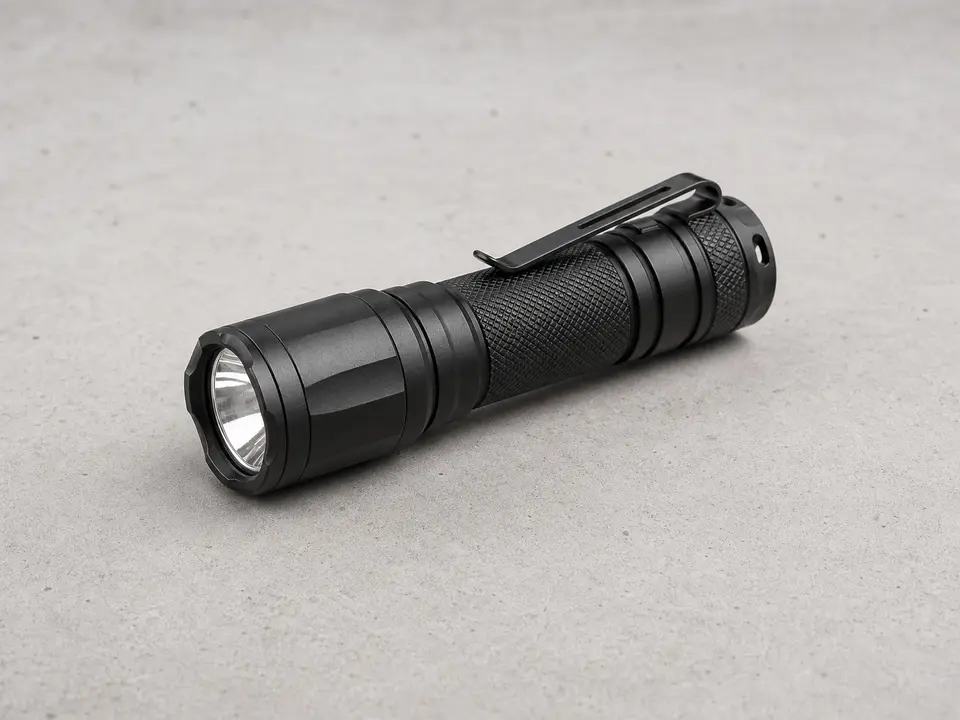
Flashlight tool

Flashlight

Use it for: Helps you see the filter slot, size markings, and airflow arrow inside a dim closet, attic, or utility area.

Shop flashlights
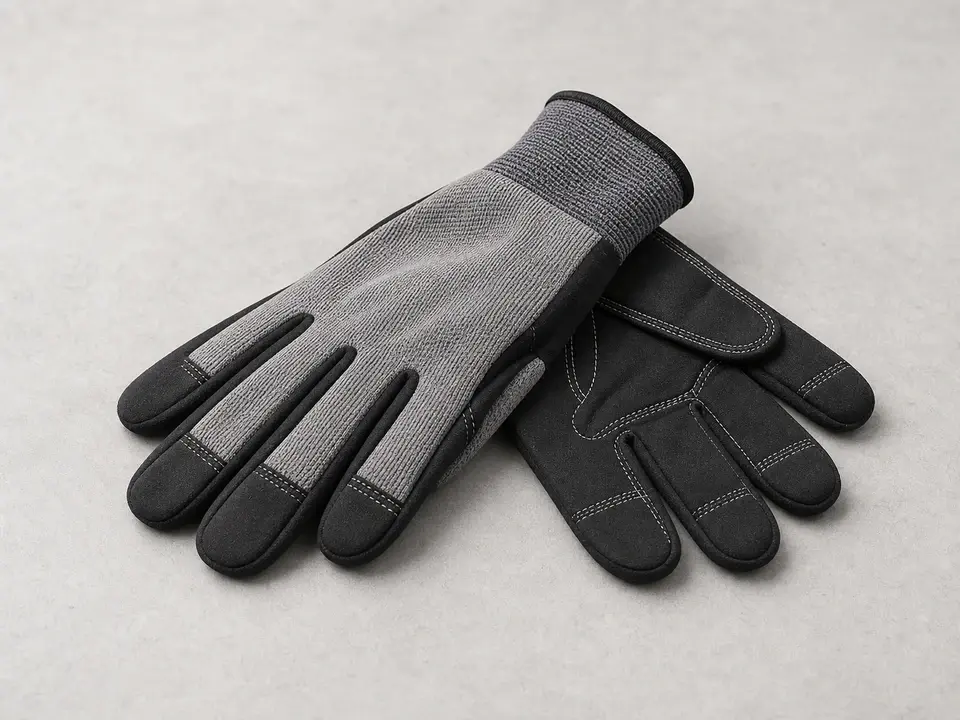
Work gloves tool

Work gloves

Use it for: Protects your hands from sharp sheet metal edges around the filter rack or access panel.

Shop work gloves
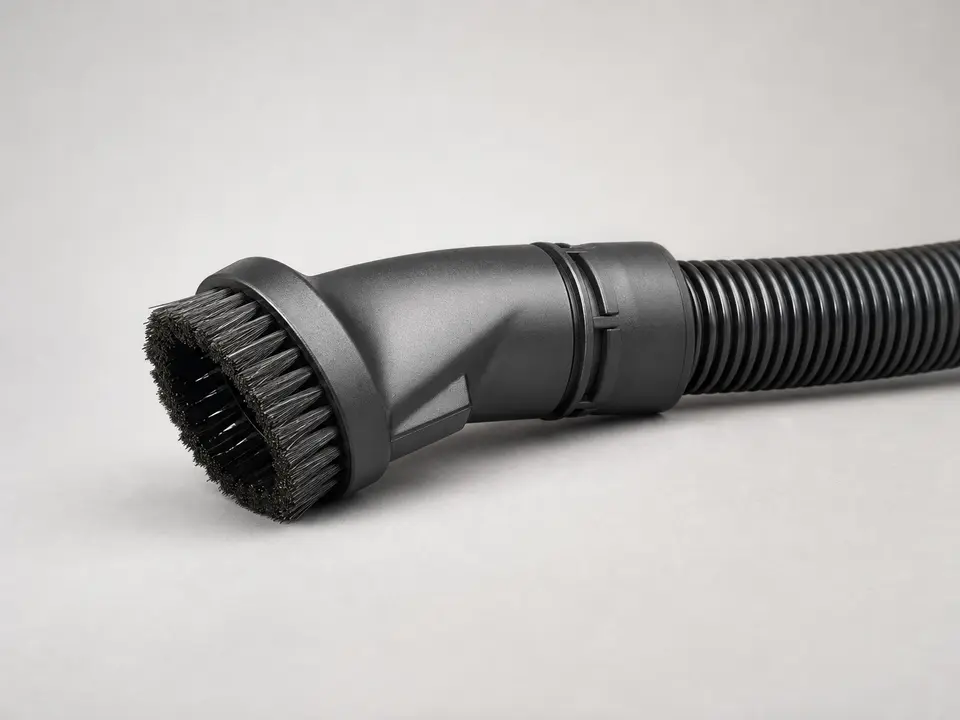
Vacuum with brush attachment tool

Vacuum with brush attachment

Use it for: Lets you clean loose dust from the filter slot and nearby return area before installing the new filter.

Shop vacuums with brush attachment
Permanent marker tool

Permanent marker

Use it for: Useful for writing the install date on the new filter so you know when it was changed.

Shop permanent markers

As an Amazon Associate I earn from qualifying purchases. Repair Riot may earn a commission at no extra cost to you.

Step-by-step fix

Step 1: Make sure the filter is the likely problem

  1. Check for signs of restricted airflow, such as weak air at the vents, longer run times, extra dust around returns, or a visibly dirty filter.
  2. Find the filter location at the air handler cabinet or in the return grille if your setup uses one there.
  3. Turn the thermostat or system switch to Off before opening the filter slot or access door.
  4. If there is already a filter installed, slide it out enough to inspect it for heavy dust buildup, sagging, or damage.

If it works: You found the filter location and confirmed the existing filter is dirty, damaged, or overdue for replacement.

If it doesn’t: If you cannot find a filter at the air handler, check the main return grille. Some systems use one filter location instead of both.

Stop if:
  • You find standing water, burned wiring, a melted smell, or ice buildup around the air handler.
  • The filter area is missing parts, badly bent, or will not hold a filter securely.

Step 2: Match the old filter before buying or opening the new one

  1. Read the size printed on the old filter frame if it is still legible.
  2. If the printing is missing or hard to read, measure the filter's length, width, and thickness.
  3. Compare those dimensions to the new filter.
  4. Check the airflow arrow on the new filter so you know which way it needs to face during installation.

Step 3: Remove the old filter and clean the slot

  1. Pull the old filter out slowly so loose dust does not spill into the cabinet or living space.
  2. Keep the dirty side facing up or inward as you carry it out, then bag it for disposal.
  3. Use a vacuum with a brush attachment to remove dust from the filter slot, door track, or nearby return opening.
  4. Wipe away loose debris that could keep the new filter from sliding in flat.

Step 4: Install the new air handler filter in the correct direction

  1. Look for the airflow direction through the air handler. In most setups, air moves from the return side toward the blower and equipment.
  2. Position the new filter so the arrow on the frame points in the direction of airflow.
  3. Slide the filter in gently without crushing the frame or folding the media.
  4. Reinstall any cover, door, or retaining clip so the filter cannot shift while the system runs.

If it doesn’t: If the filter bows, binds, or leaves large gaps, remove it and recheck the size and orientation before running the system.

Step 5: Restart the system and check airflow

  1. Turn the thermostat or system switch back on.
  2. Set the system to call for heating or cooling so the blower runs.
  3. Listen near the air handler for normal airflow instead of whistling, rattling, or filter flutter.
  4. Check a few supply vents to confirm airflow feels steady and stronger than before if the old filter was badly clogged.

Step 6: Confirm the repair holds during normal use

  1. Let the system run through a normal cycle and make sure it reaches the thermostat setting without obvious strain.
  2. Recheck the filter door or slot after the blower has run for several minutes to make sure the filter has not shifted.
  3. Write the install date on the filter frame or set a reminder to check it again based on your home's dust level and system use.

If it works: The air handler runs normally, the filter stays in place, and airflow remains consistent during real use.

If it doesn’t: If comfort problems continue after a correct filter replacement, the issue may be elsewhere in the HVAC system and needs further diagnosis.

Stop if:
  • You continue to get poor airflow, unusual noises, repeated icing, or signs the filter is collapsing even though the size and direction are correct.

Replacement Parts

As an Amazon Associate I earn from qualifying purchases. Repair Riot may earn a commission at no extra cost to you.

Verify the repair

  • The new filter matches the old filter's size and thickness.
  • The airflow arrow points toward the air handler airflow direction.
  • The filter sits flat without large gaps around the frame.
  • The air handler starts and runs without new whistling, rattling, or filter flutter.
  • Airflow at the vents feels steady during a normal heating or cooling call.

FAQ

How do I know which way the filter arrow should point?

The arrow should point in the direction the air is moving through the system. At an air handler, that usually means toward the blower and equipment, not back toward the room or return grille.

Can I clean and reuse my air handler filter?

Only if it is a washable filter designed to be reused. Most disposable pleated filters should be replaced, not washed, because washing can damage the media and reduce filtration.

What happens if I install the filter backward?

The system may still run, but the filter may not perform as intended and can be more likely to sag or make noise. If you notice the arrow is backward, shut the system off and reinstall it correctly.

Why does the new filter whistle or get sucked inward?

That usually points to a fit problem, a damaged filter rack, or unusually high airflow restriction. Recheck the size, thickness, and seating first. If it still happens, the system may need further diagnosis.

How often should I replace an air handler filter?

It depends on the filter type, system run time, pets, and dust in the home. A good habit is to inspect it regularly and replace it when it looks loaded with dust instead of waiting for a fixed date alone.