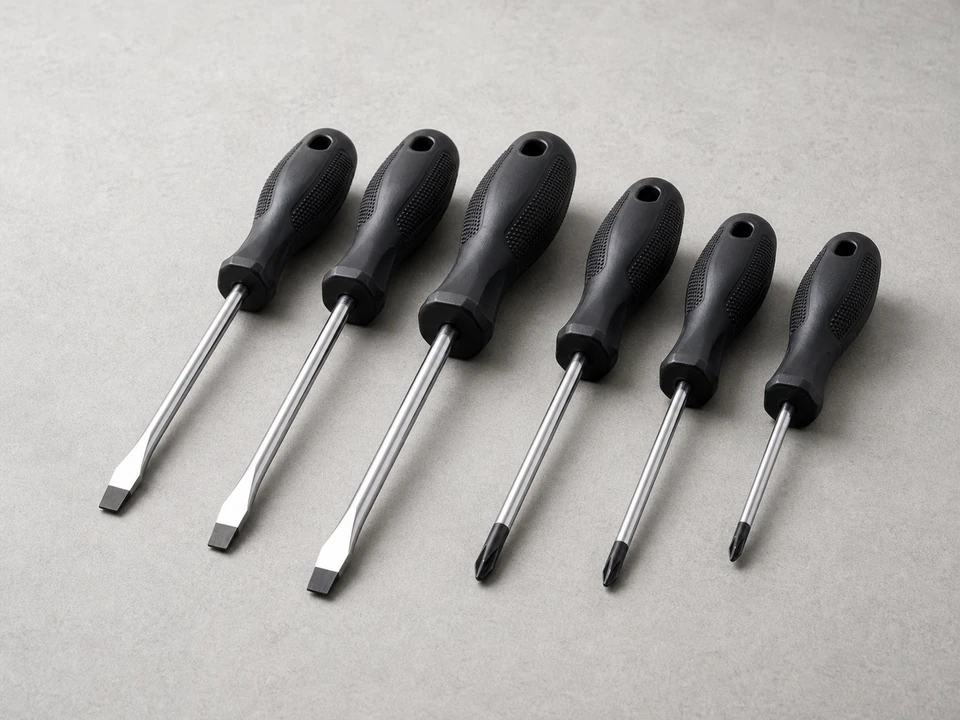
Screwdriver set
Use it for: Removes the old grille screws and installs the new grille without stripping them.
Shop screwdriver setsIf the grille is bent, rusted, cracked, missing louvers, or no longer fastens tightly to the wall, ceiling, or floor opening, replacing it is usually a straightforward fix.
The main job is matching the opening size and grille style before you install the new part. A grille that is the wrong size can leave gaps, rattle, or restrict airflow.
Before you start: Match the replacement part to your exact ductwork vent before ordering.
Use it for: Removes the old grille screws and installs the new grille without stripping them.
Shop screwdriver sets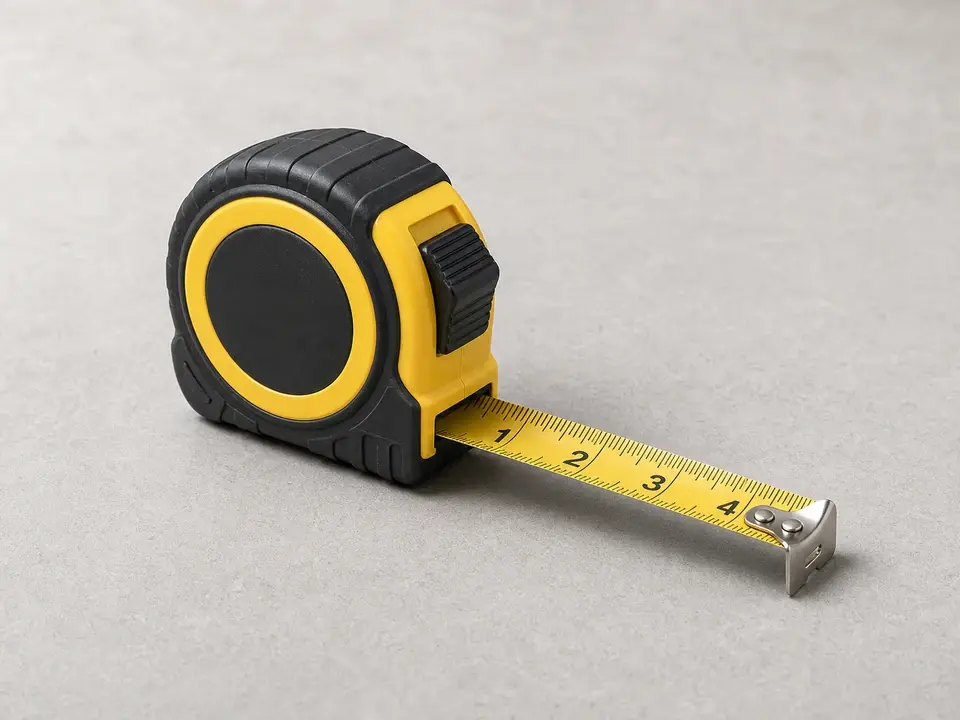
Use it for: Measures the duct opening and old grille so you can buy the correct replacement.
Shop tape measures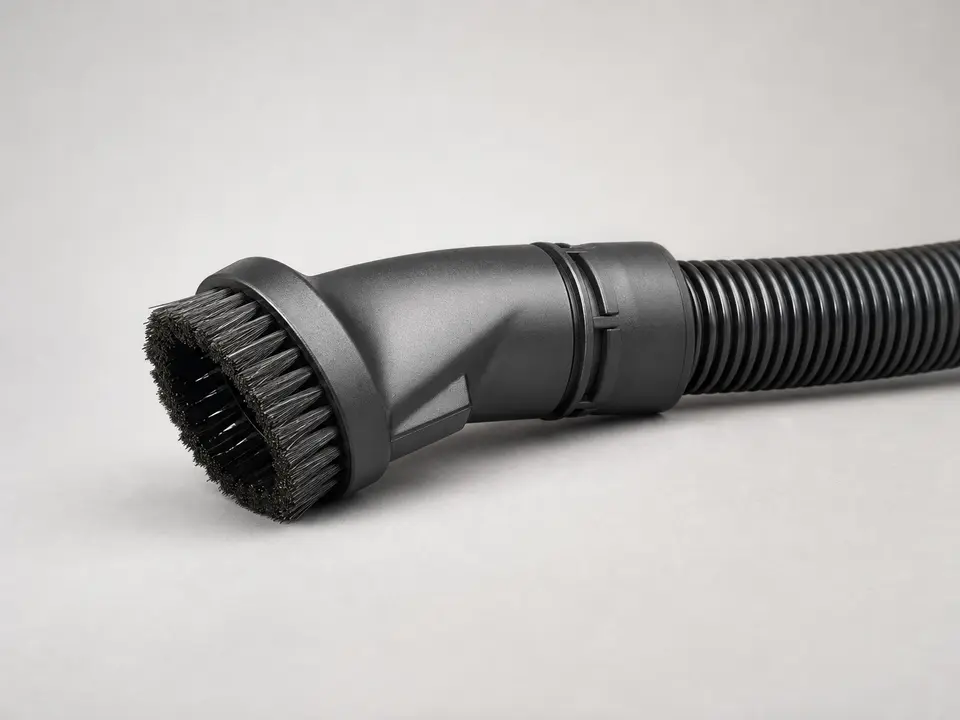
Use it for: Cleans dust from the opening and surrounding trim before the new grille goes on.
Shop vacuums with brush tools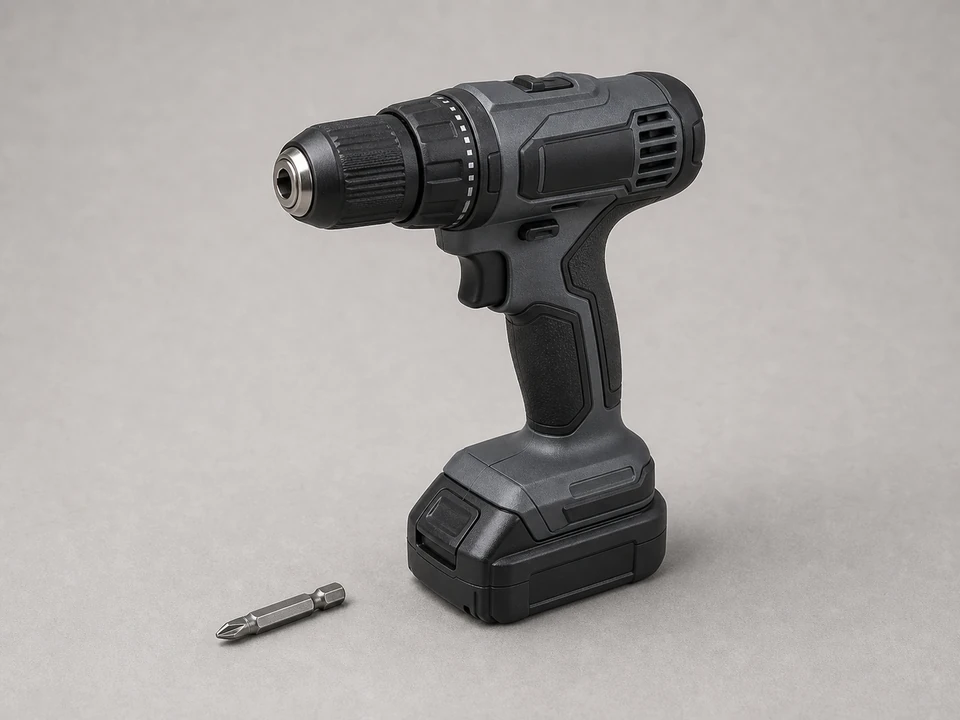
Use it for: Helps start or reset mounting screws if the old holes are stubborn.
Shop drill driver kits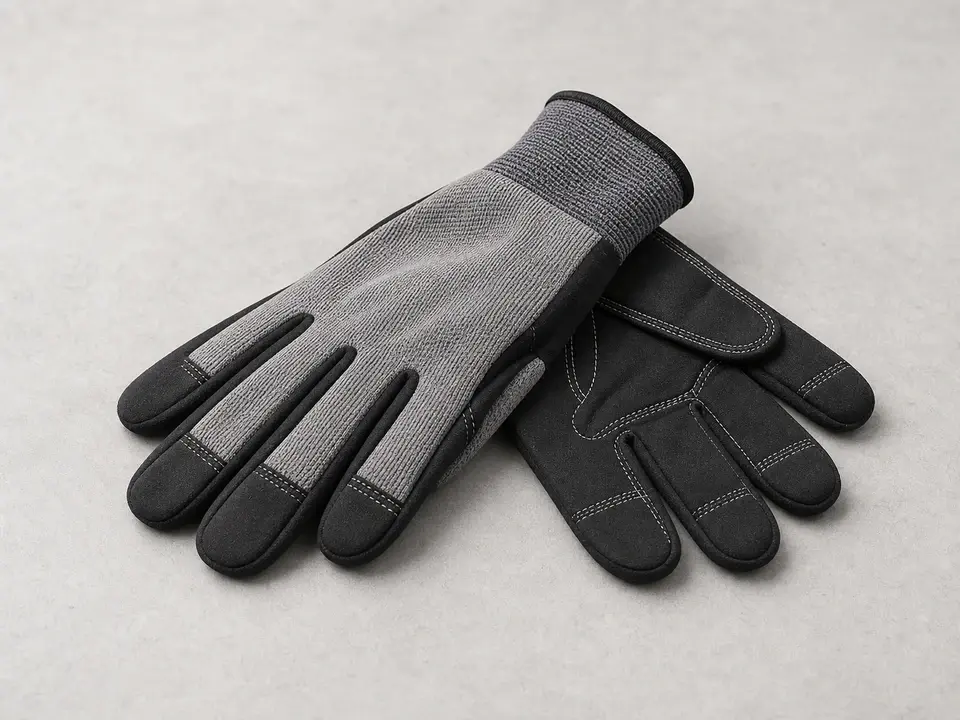
Use it for: Protects your hands from sharp sheet metal edges around the vent opening.
Shop work glovesAs an Amazon Associate I earn from qualifying purchases. Repair Riot may earn a commission at no extra cost to you.
If it works: You have confirmed the grille is damaged, worn out, or no longer mounting securely and replacement makes sense.
If it doesn’t: If the grille is intact and the real issue is weak airflow, water, or noise from inside the duct, troubleshoot the HVAC system or ductwork instead of replacing the grille first.
If it works: You know the opening size and grille type needed for a proper replacement.
If it doesn’t: If the old grille size is unusual or the opening is not square, take the old grille with you when shopping so you can compare dimensions directly.
If it works: The old grille is off without damaging the surrounding wall, ceiling, or floor.
If it doesn’t: If a screw spins without backing out, pull gently on the grille while turning the screw, or switch to a drill driver for better control.
If it works: The opening is clean and the new grille sits flat in the right position.
If it doesn’t: If the grille rocks or leaves a visible gap, recheck the opening size and orientation before fastening it down.
If it works: The new grille is secure, straight, and flush to the surface.
If it doesn’t: If the grille shifts while tightening, back the screws out slightly, recenter it, and tighten again evenly.
If it works: Air moves normally, the grille stays secure, and there are no new noises or visible gaps.
If it doesn’t: If the grille still rattles, stains return, or airflow still seems wrong, inspect for duct issues, excess moisture, or a system problem upstream.
Match the replacement part to your exact ductwork vent before ordering.
As an Amazon Associate I earn from qualifying purchases. Repair Riot may earn a commission at no extra cost to you.
A supply grille covers a vent that blows conditioned air into the room. A return grille covers an opening that pulls air back to the system. Match the new grille to the same function and opening style as the old one.
Measure the duct opening whenever you can. The face of the old grille is usually larger than the opening, so face measurements alone can lead to the wrong replacement.
Yes, if they are straight, not rusted, and still hold firmly. Replace them if the heads are stripped or the threads are damaged.
That usually means the grille is not sitting flat, the screws are uneven, the replacement size is off, or airflow is unusually high because of a duct or system issue.
Usually no. A properly sized grille should sit flat and cover the opening without caulk. If there are visible gaps because the surface is damaged, fix the mounting surface instead of hiding the problem.