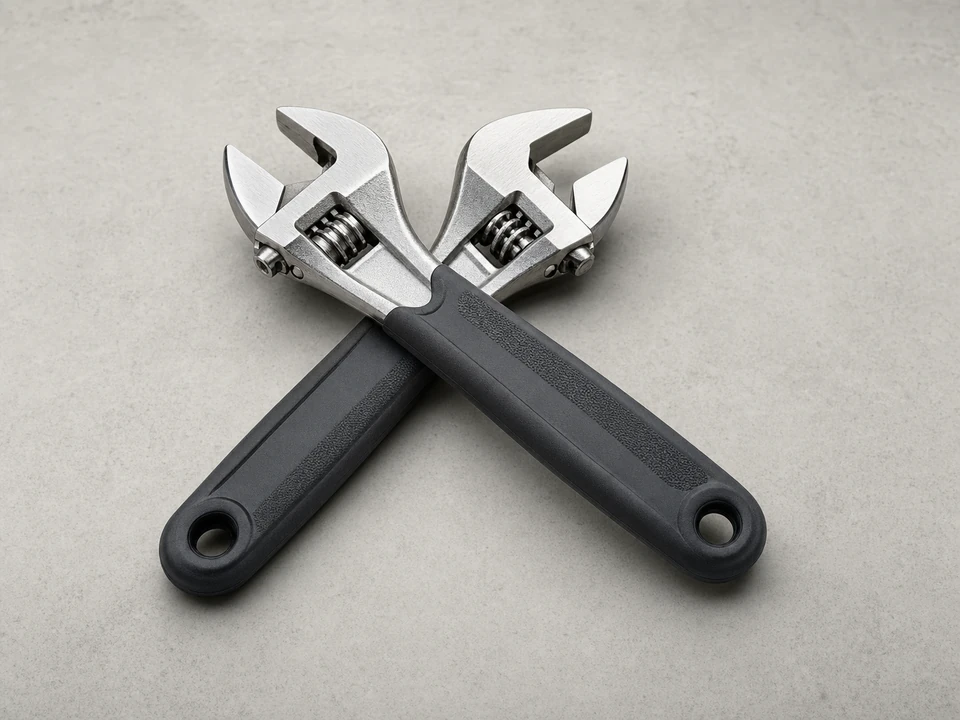
Adjustable wrench
Use it for: To loosen and tighten the supply line nuts at the shutoff valve and faucet.
Shop adjustable wrenchesIf the hot side supply tube is dripping, corroded, kinked, or wet around its fittings, replacing the bathroom sink hot water supply line is usually a straightforward fix.
Most bathroom sink supply lines connect the hot shutoff valve to the faucet with simple threaded fittings. The job goes smoother if you confirm the leak is really coming from the line or its connections, then replace it with the same length and matching ends without over-tightening.
Before you start: Match the line length, end sizes, and connection type before ordering.
Use it for: To loosen and tighten the supply line nuts at the shutoff valve and faucet.
Shop adjustable wrenches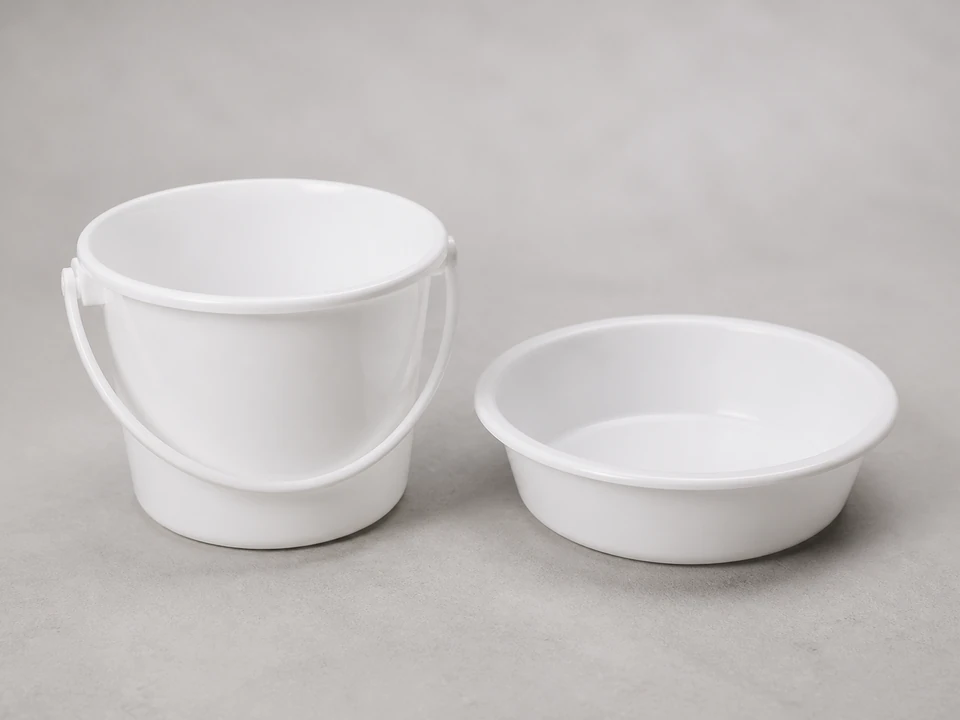
Use it for: To catch the water left in the line when you disconnect it.
Find a small catch bucket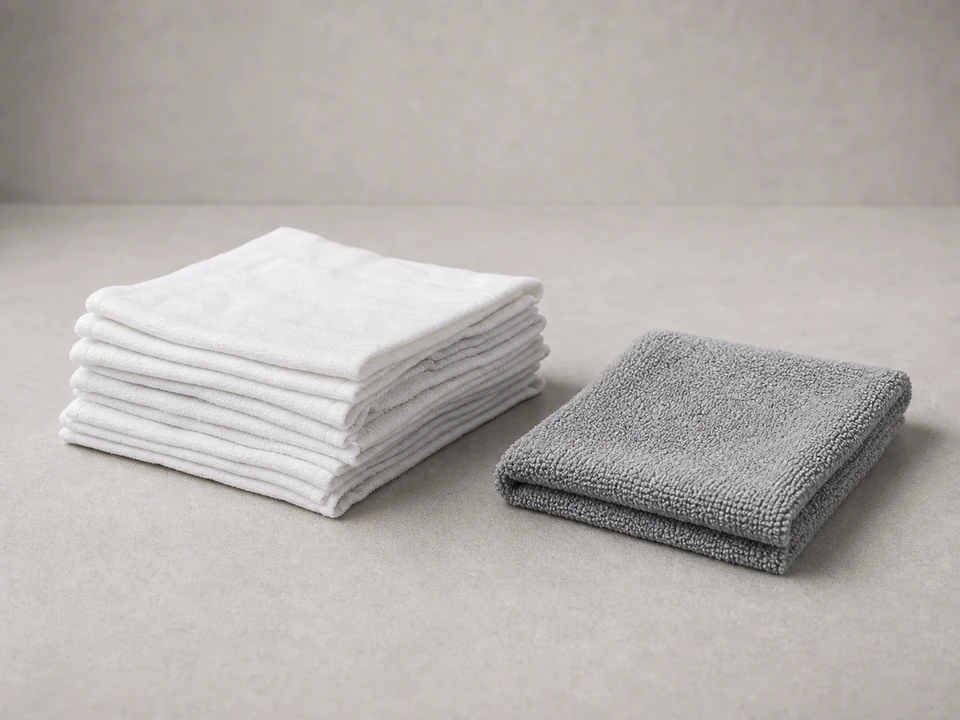
Use it for: To protect the cabinet floor and wipe fittings dry for leak checks.
Shop absorbent shop towels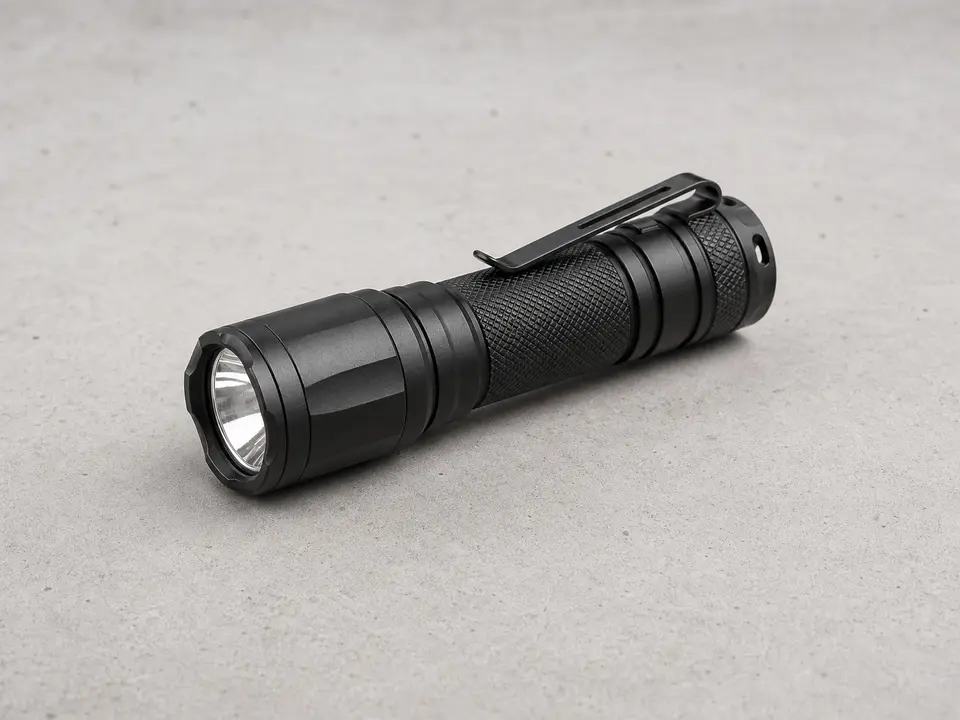
Use it for: To see the valve, faucet shank, and any slow drips under the sink.
Find a work flashlight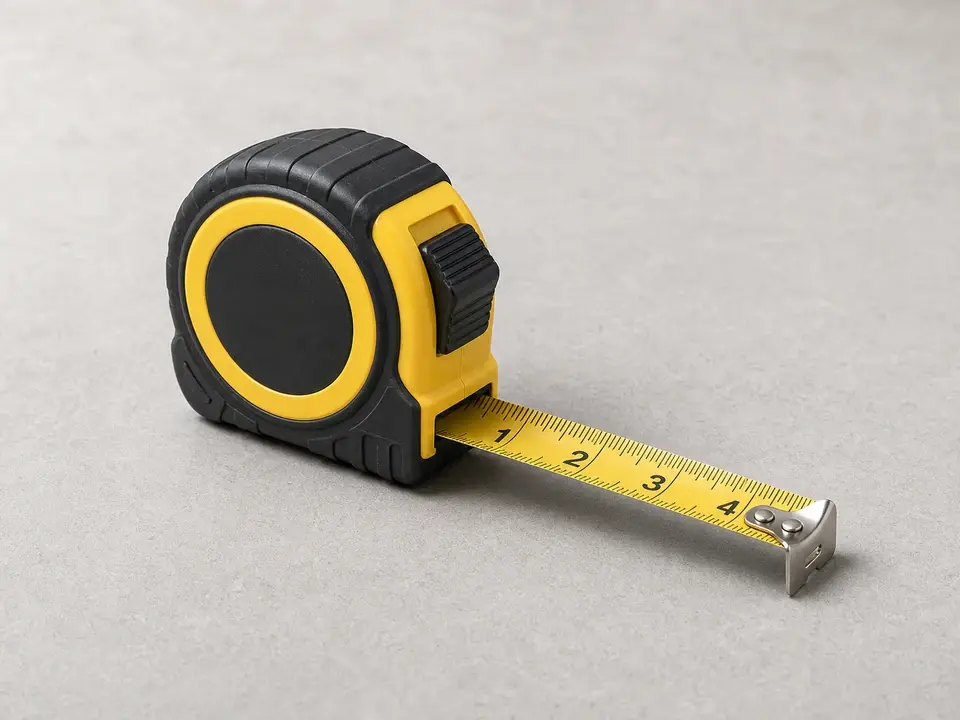
Use it for: To match the replacement line length before installation.
Shop tape measuresAs an Amazon Associate I earn from qualifying purchases. Repair Riot may earn a commission at no extra cost to you.
If it works: You have traced the leak or damage to the hot water supply line or one of its end connections.
If it doesn’t: If the water is coming from the faucet body, drain assembly, shutoff valve stem, or the wall, this is not the right repair path.
If it works: Water flow has stopped and the line is ready to disconnect with only a small amount of residual water left inside.
If it doesn’t: If water keeps running from the hot side after the valve is closed, use the main shutoff and plan on addressing the faulty valve too.
If it works: The old hot water supply line is out and you know what size and style the replacement needs to match.
If it doesn’t: If the nut is stuck, apply steady pressure and avoid twisting the valve or faucet connection out of position.
If it works: The new line is fully connected, hand-started correctly, and routed cleanly without strain.
If it doesn’t: If the line will not thread on easily by hand, remove it and recheck the end size and connection type before tightening again.
If it works: Both connections stay dry while the hot water is running and after the faucet is shut off.
If it doesn’t: If a fitting still seeps after a small retightening, shut the water back off and inspect for a mismatched line, crooked connection, or damaged threads.
If it works: The new hot water supply line stays dry during use and while sitting under pressure, confirming the repair held.
If it doesn’t: If moisture returns later, dry everything again and pinpoint whether it is coming from the new line, the shutoff valve, or the faucet itself.
Match the line length, end sizes, and connection type before ordering.
As an Amazon Associate I earn from qualifying purchases. Repair Riot may earn a commission at no extra cost to you.
Dry everything first, then run and shut off the hot water while watching closely. If water forms on the tube or at its end nuts, the supply line or its connections are the likely cause. If water starts higher up on the faucet body, the faucet is more likely the problem.
Yes. If only the hot side line is leaking or damaged, you can replace that line by itself as long as the new one matches the existing connection sizes and length.
Usually no for the supply line nuts themselves. These connections are typically designed to seal at the fitting, not on the threads. The important part is using the correct line and starting the threads cleanly by hand.
Match the old line or measure the route from the hot shutoff valve to the faucet connection. Choose a length that reaches in a gentle curve without stretching or looping tightly.
The most common causes are a crooked connection, wrong end size, damaged threads, or a leak that is actually coming from the shutoff valve or faucet. Dry the area and watch closely to find the true source before tightening more.