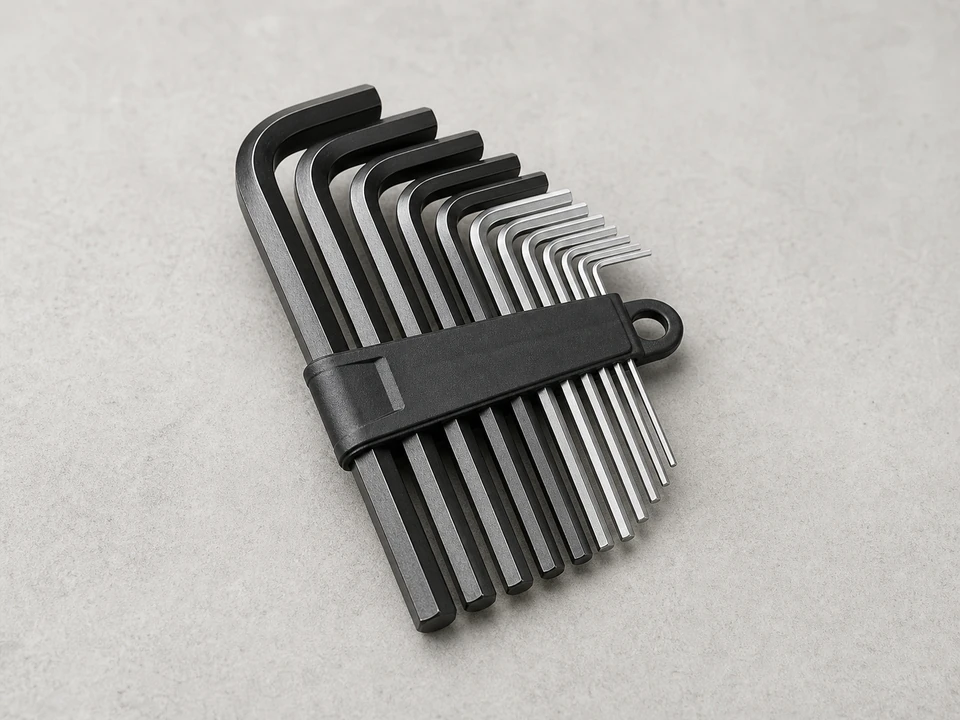
Allen wrench set
Use it for: Many slip-on tub spouts use a small set screw on the underside.
Shop Allen wrench setsTo replace a bathtub diverter spout, first confirm the spout itself is the problem, then remove the old spout, match the connection type, install the new spout, and test both tub flow and shower diversion for leaks.
This is usually a manageable homeowner repair if the pipe stub-out is solid and accessible. The biggest mistake is buying the wrong style of spout or forcing the old one off the wrong way.
Before you start: Match the replacement spout to your pipe connection style and spout length before ordering. Some spouts thread on, while others use a set screw underneath.
Use it for: Many slip-on tub spouts use a small set screw on the underside.
Shop Allen wrench sets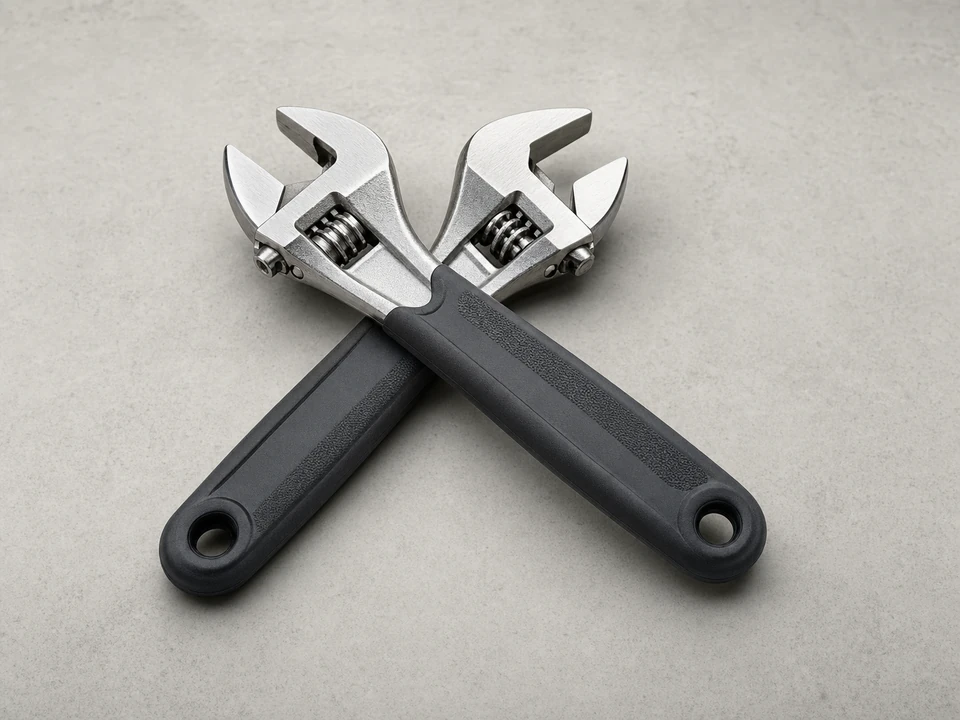
Use it for: Helps loosen or snug a threaded spout without needing a full wrench set.
Shop adjustable wrenches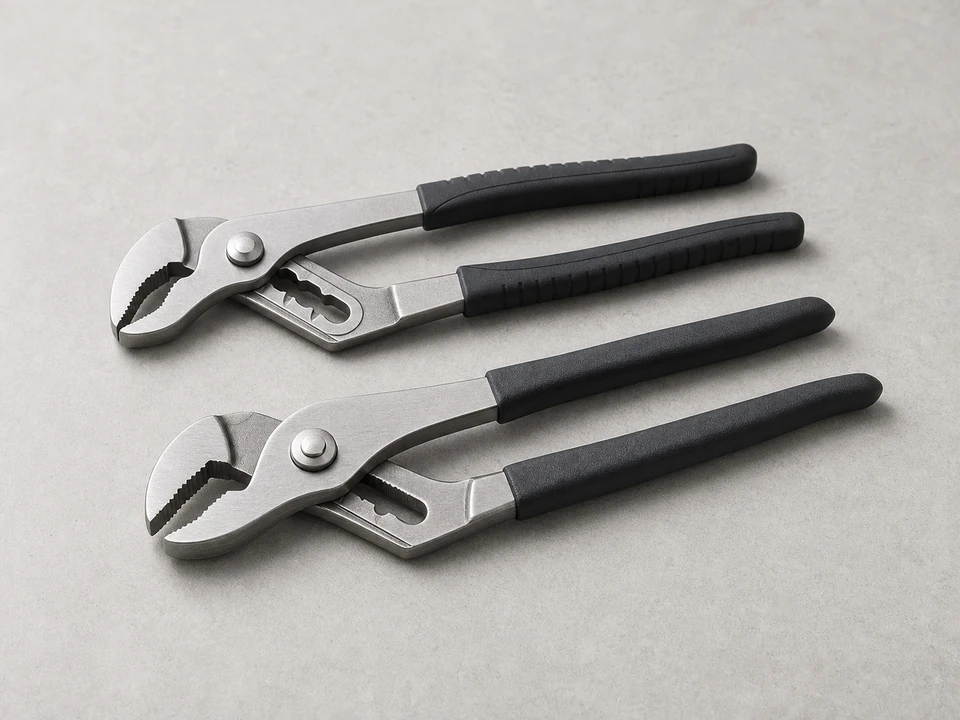
Use it for: Useful for turning a stubborn threaded spout with a rag protecting the finish.
Shop tongue-and-groove pliers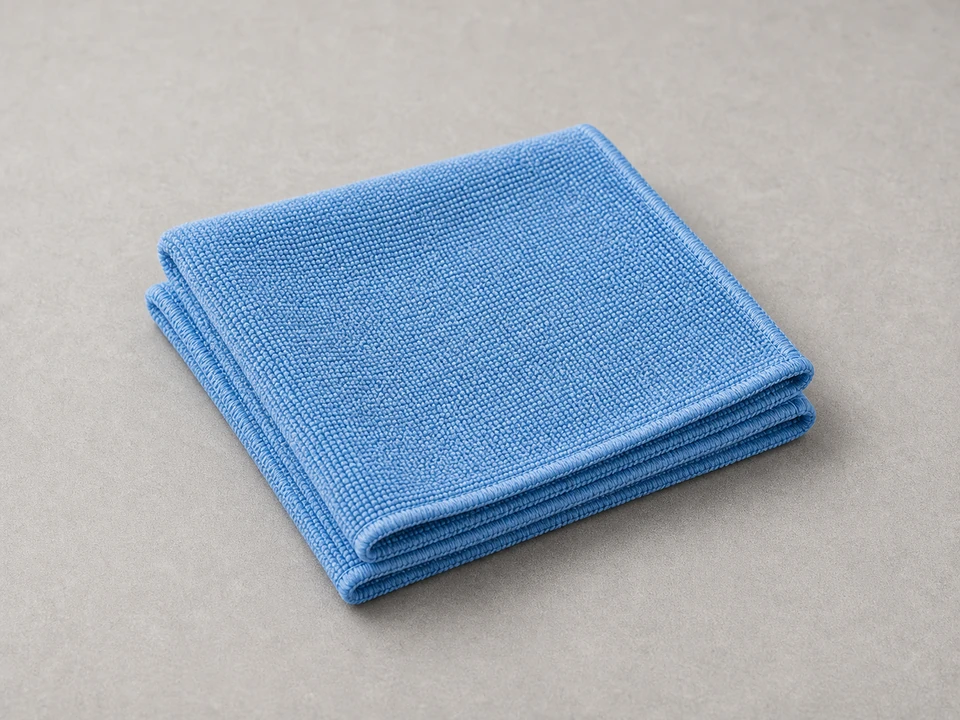
Use it for: Protects the finish and helps clean the pipe and wall area before installation.
Shop microfiber cloths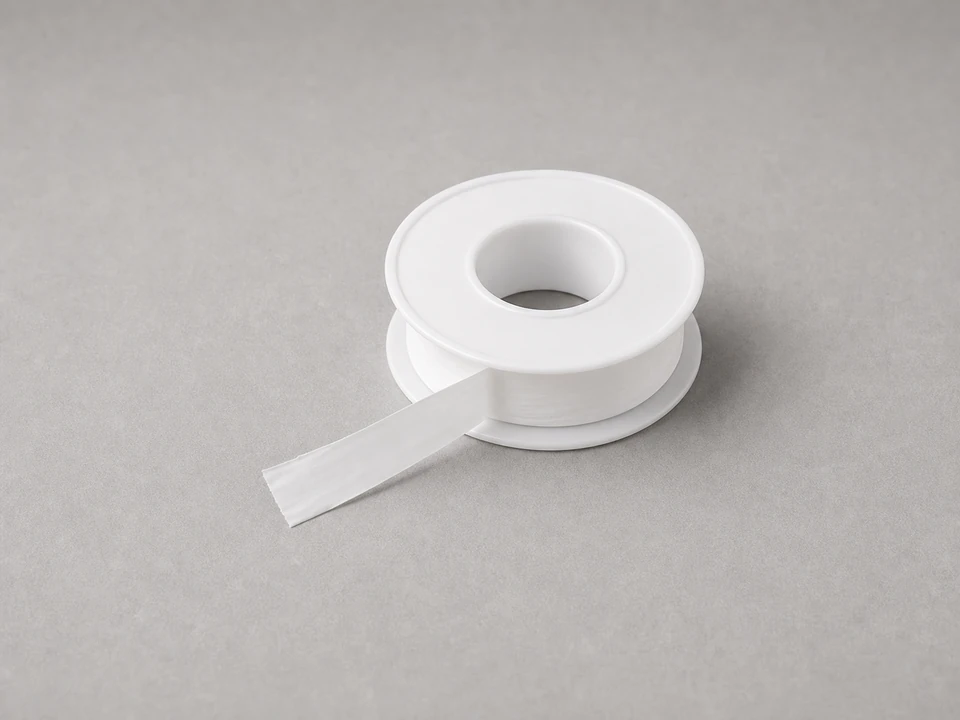
Use it for: Used on threaded pipe connections when the new spout instructions call for it.
Shop plumber's tape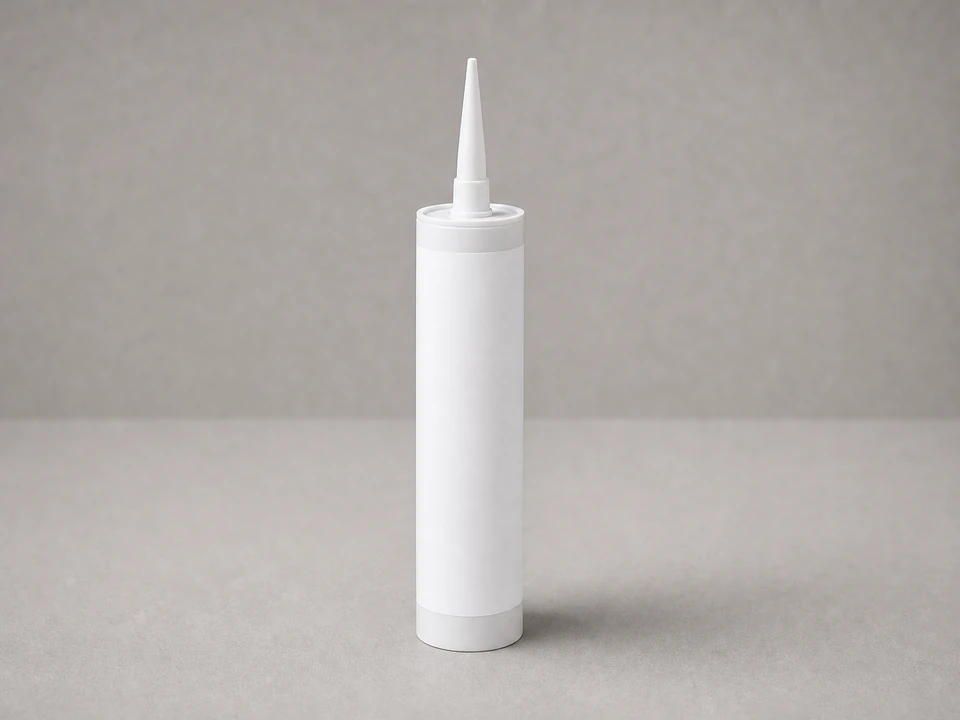
Use it for: Seals the gap at the wall if the old seal was cut away or damaged.
Shop tub and tile caulkAs an Amazon Associate I earn from qualifying purchases. Repair Riot may earn a commission at no extra cost to you.
If it works: You have confirmed the bathtub diverter spout is the likely failed part and you know what style and size to match.
If it doesn’t: If the problem is water leaking from inside the wall, from the valve area, or from a cracked pipe stub-out, this is not just a spout replacement.
If it works: The work area is protected, the spout base is exposed, and the old caulk is no longer holding the spout in place.
If it doesn’t: If the caulk is thick and stubborn, cut it in a few light passes instead of one deep pass to avoid scratching the tub or wall.
If it works: The old spout is removed without twisting or damaging the pipe coming out of the wall.
If it doesn’t: If the spout will not budge, stop and confirm the connection style again. A stuck threaded spout can sometimes be worked loose with steady pressure, but forcing the wrong type can break the pipe.
If it works: The replacement spout matches the pipe connection and is ready to install without guesswork.
If it doesn’t: If the new spout does not match the old connection type or will not seat correctly at the wall, exchange it for the correct style before continuing.
If it works: The new spout is secure, straight, and seated properly at the wall.
If it doesn’t: If the spout will not align correctly or keeps backing off before it points down, remove it and recheck the fit and connection style rather than forcing it.
If it works: The spout stays dry at the wall, the diverter works smoothly, and the shower diverts properly without an ongoing leak.
If it doesn’t: If water still pours from the tub spout during shower use or leaks from the wall area, the issue may be the wrong spout, a poor fit, or a problem farther back at the valve or pipe connection.
Match the replacement spout to your pipe connection style and spout length before ordering. Some spouts thread on, while others use a set screw underneath.
As an Amazon Associate I earn from qualifying purchases. Repair Riot may earn a commission at no extra cost to you.
A slip-on spout usually has a small set screw on the underside near the wall. A threaded spout usually has no set screw and unscrews by turning counterclockwise. Check carefully before applying force.
Usually no, because you are replacing the spout at the end of the tub outlet, not opening a pressurized supply line. Just make sure the faucet is off and no one turns it on while you are working.
A small amount can be normal on some setups. A strong steady flow usually means the diverter is worn, the new spout is not the right fit, or the problem is actually at the tub-shower valve.
It is better to seal the top and sides and leave the bottom open. That way, if water ever gets behind the spout, it can show itself instead of staying trapped in the wall.
Stop there. A moving stub-out can mean the pipe is loose or damaged inside the wall, and continuing can break the connection and cause a hidden leak.