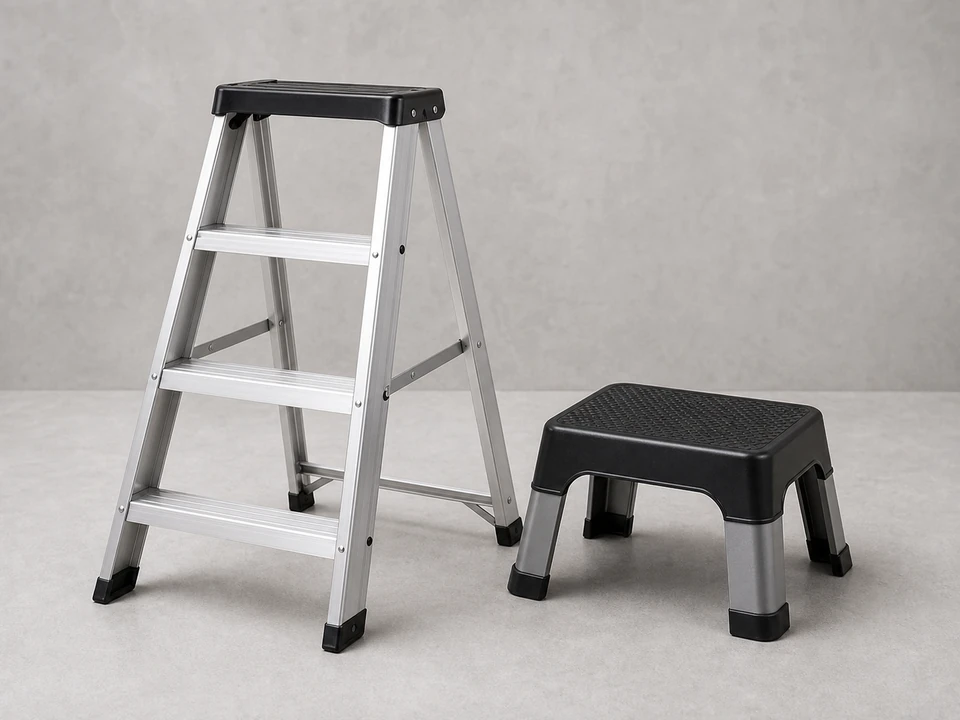
Step ladder
Use it for: To reach the detector safely without overreaching.
Shop step laddersTo replace a battery powered smoke detector, confirm the old alarm is the problem, remove it from the ceiling or wall, swap the mounting plate if needed, install the new detector with fresh batteries, and test it before you leave the area.
This is a straightforward replacement for a standalone battery powered alarm. The main goal is to install the right type of detector, mount it securely, and make sure it actually sounds during a test.
Before you start: Match the alarm type, battery type, and mounting style before ordering. If your old unit is a smoke and carbon monoxide combo, replace it with the same kind.
Use it for: To reach the detector safely without overreaching.
Shop step ladders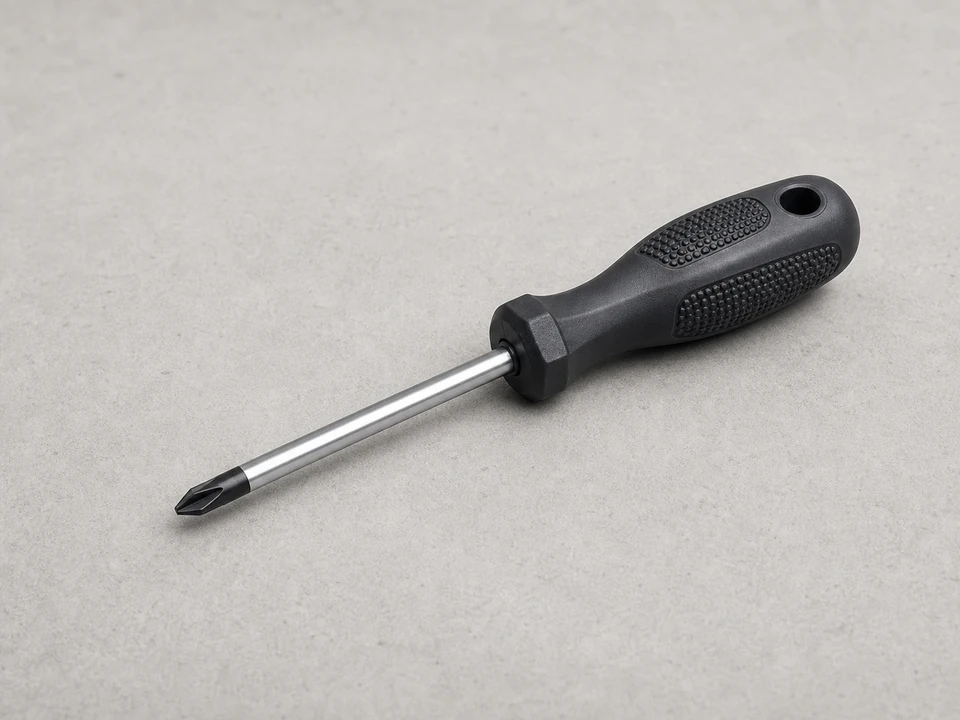
Use it for: To remove and install the mounting plate screws on many detectors.
Shop Phillips screwdrivers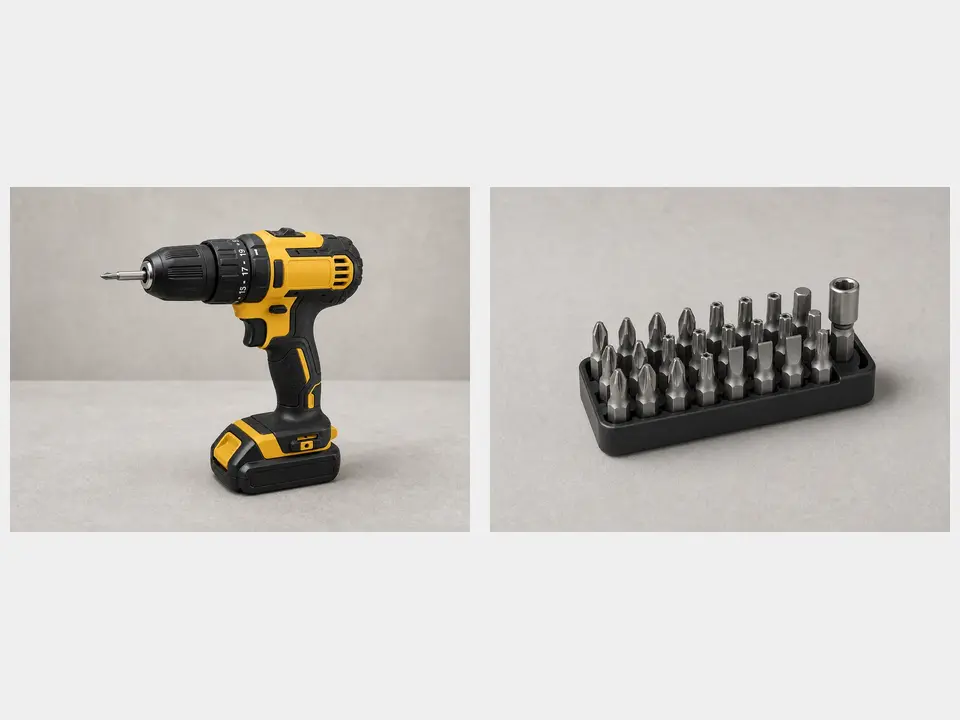
Use it for: To drive new mounting screws if the new plate does not match the old one.
Shop drill bit sets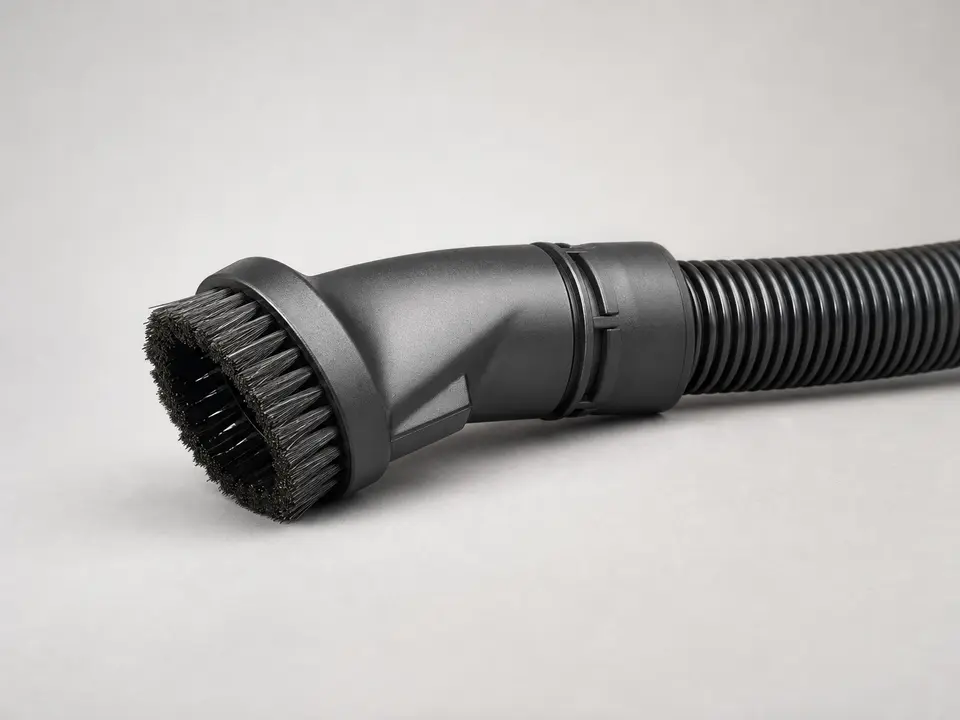
Use it for: To clean dust from the mounting area before installing the new alarm.
Shop vacuum brush attachments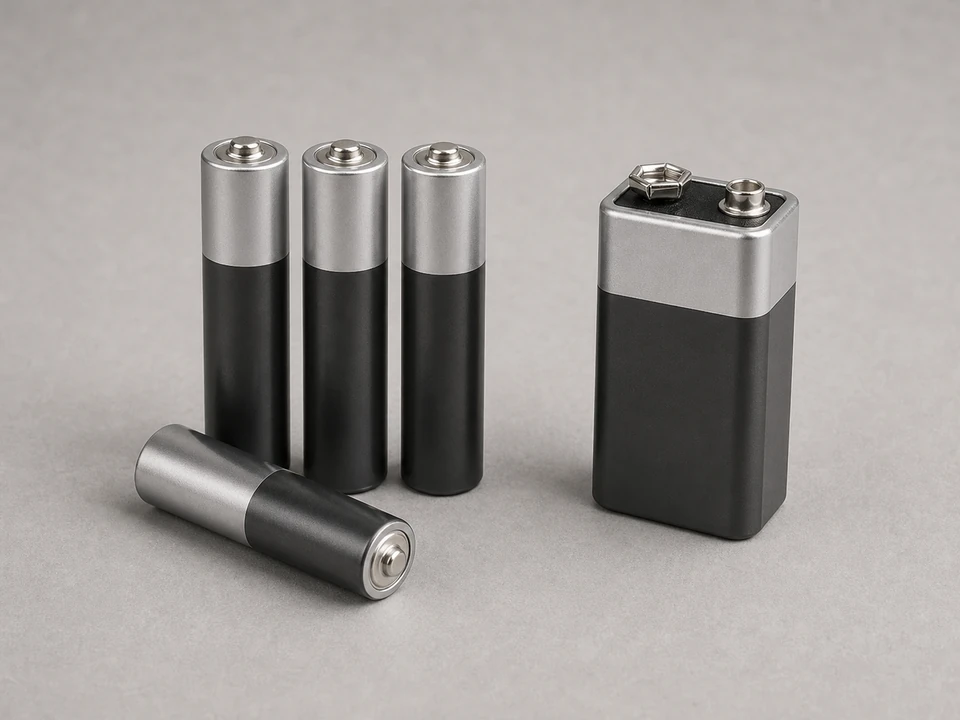
Use it for: Many new alarms need the battery installed before they will mount or test properly.
Find smoke detector batteriesAs an Amazon Associate I earn from qualifying purchases. Repair Riot may earn a commission at no extra cost to you.
If it works: You know the old alarm should be replaced and you have the correct type of new detector ready.
If it doesn’t: If the alarm only needed a fresh battery and passes a full test afterward, you may not need to replace it yet.
If it works: The old detector is off the wall or ceiling and the mounting area is exposed.
If it doesn’t: If the detector will not release, look for a small locking tab or retaining pin and disengage it before twisting again.
If it works: The mounting surface is clean, solid, and ready for the new detector.
If it doesn’t: If the surface is crumbly or the screws will not hold, repair the mounting area before installing the new alarm.
If it works: The new plate is secure and the detector has fresh batteries installed correctly.
If it doesn’t: If the battery door will not close or the alarm will not power up, recheck the battery type and orientation.
If it works: The detector is mounted securely and passes its built-in test.
If it doesn’t: If the alarm does not sound, remove it, recheck the battery installation, remount it, and test again. If it still fails, replace the new unit.
If it works: The new alarm stays quiet in standby, stays mounted, and responds normally when tested.
If it doesn’t: If the new detector still gives nuisance chirps or false alarms, check for the wrong battery type, poor mounting, dust, humidity, or that the wrong kind of detector was installed for the location.
Match the alarm type, battery type, and mounting style before ordering. If your old unit is a smoke and carbon monoxide combo, replace it with the same kind.
As an Amazon Associate I earn from qualifying purchases. Repair Riot may earn a commission at no extra cost to you.
If it keeps chirping after a fresh battery, fails its test button check, shows signs of age or damage, or is past the replacement date printed on the unit, replacement is the better fix.
You can if the location is appropriate and the new unit is meant for that use, but the simplest safe choice is usually to replace like with like so you keep the same type of protection.
Usually yes if the new detector does not match the old plate exactly. Using the correct plate helps the alarm lock in place properly.
Common causes are the wrong battery type, reversed battery orientation, a battery door that is not fully latched, dust in the unit, or a detector that is not fully seated on its plate.
Disposal rules vary by area and by detector type. Check your local waste guidance, especially if the alarm is labeled for special handling.