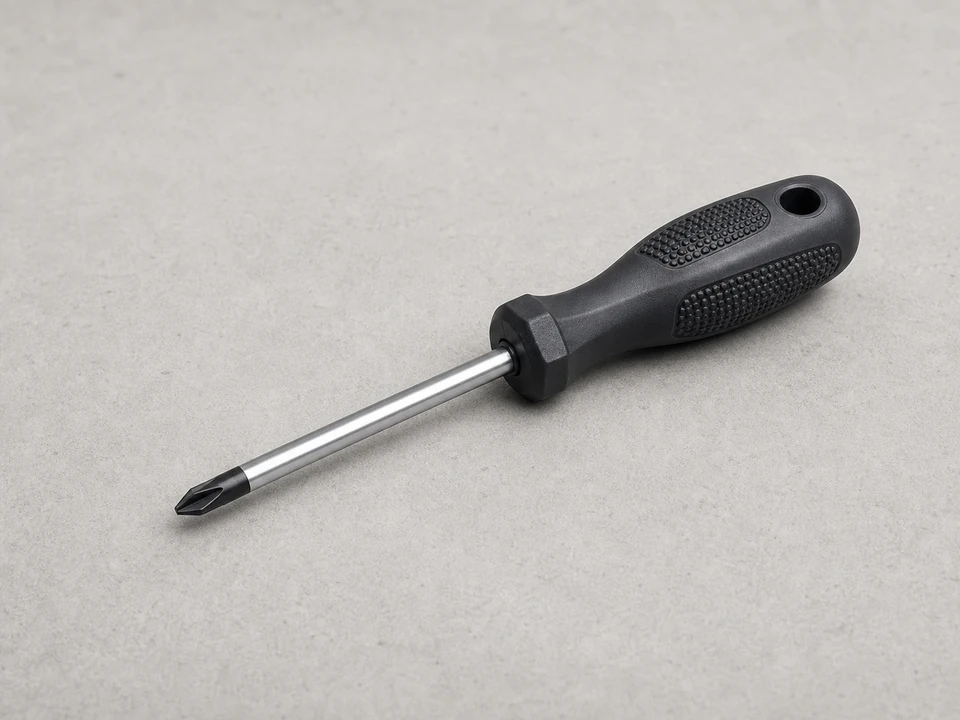
Phillips screwdriver
Use it for: To remove the control panel or cooktop access screws.
Shop Phillips screwdriversIf one surface burner will not regulate heat, stays too hot, will not turn on properly, or causes buzzing or breaker trips tied to that control, replacing the cooktop infinite switch is a common fix.
This repair is usually straightforward if you can safely disconnect power, open the control area, and move each wire to the new switch one at a time. The key is confirming the problem follows one burner control and not the element or house wiring.
Before you start: Match the switch function, terminal layout, shaft style, and wiring compatibility before ordering.
Use it for: To remove the control panel or cooktop access screws.
Shop Phillips screwdrivers
Use it for: Many cooktops use hex-head screws on the back or under the front trim.
Shop nut driver sets
Use it for: To pull wire terminals off the old switch without yanking on the wires.
Shop needle-nose pliers
Use it for: To take a clear wiring photo before moving anything.
Shop phone tripods and holders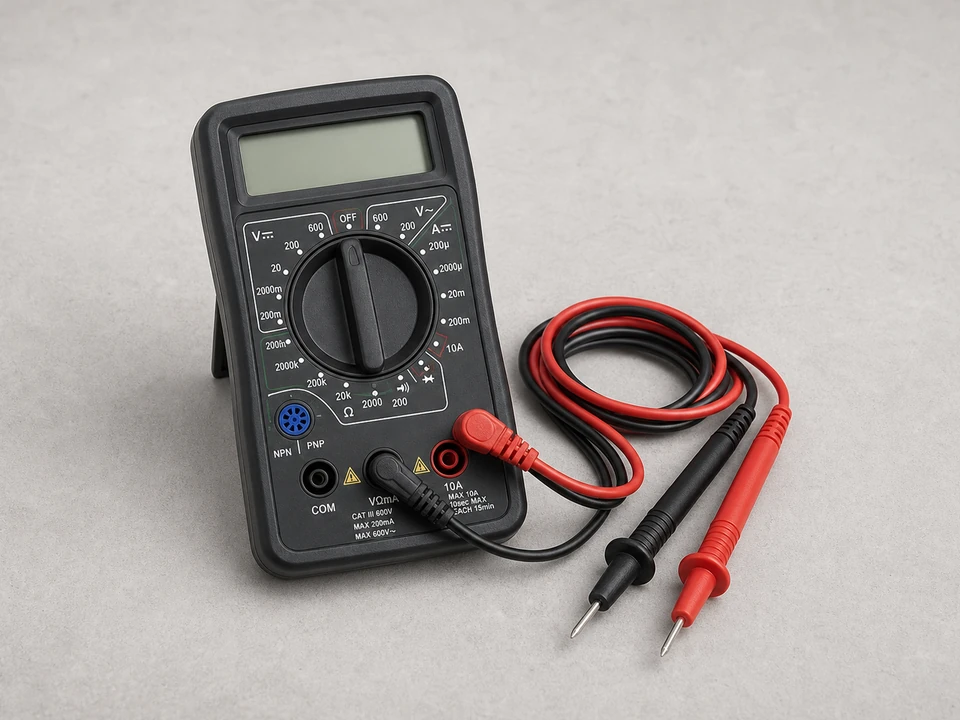
Use it for: To confirm power is off and help rule out a bad element if needed.
Shop multimeters
Use it for: To protect your hands from sharp sheet-metal edges inside the cooktop.
Shop work glovesAs an Amazon Associate I earn from qualifying purchases. Repair Riot may earn a commission at no extra cost to you.
If it works: You have a strong reason to replace the switch for one specific burner position.
If it doesn’t: If multiple burners act up, the cooktop loses all power, or the breaker trips no matter which burner you use, pause and diagnose the power supply, wiring, or another component first.
If it works: The cooktop control area is open and the switch is accessible with power disconnected.
If it doesn’t: If the panel will not open after the visible screws are removed, look for hidden screws under the front lip, rear cover, or trim pieces instead of forcing it.
If it works: You know which switch is being replaced and you have a reliable record of the original wiring.
If it doesn’t: If the new switch does not match the old one closely enough to transfer wires with confidence, stop and verify the correct replacement before going further.
If it works: The new switch is mounted securely and all wires are transferred to the correct terminals.
If it doesn’t: If a connector feels loose on the new terminal, gently tighten the female connector before reinstalling it so it fits snugly.
If it works: The burner responds to the knob and the cooktop is fully reassembled.
If it doesn’t: If the burner does not heat, heats only on one setting, or the breaker trips, turn power back off and recheck the wire placement against your photo and the switch terminal markings.
If it works: The burner heats, cycles, adjusts, and shuts off normally in real use.
If it doesn’t: If the burner still behaves the same way, the problem may also involve the surface element, wiring harness, receptacle connection, or another control issue that needs further diagnosis.
Match the switch function, terminal layout, shaft style, and wiring compatibility before ordering.
As an Amazon Associate I earn from qualifying purchases. Repair Riot may earn a commission at no extra cost to you.
It controls power to a surface burner and cycles that power on and off to maintain different heat settings. When it fails, the burner may not heat, may stay on high, or may not shut off correctly.
A burner stuck on high or not regulating heat usually points to the switch. A burner that does not heat at all can be caused by either the switch or the element, so comparing with another working burner and checking the element can help narrow it down.
Yes. These switches are typically replaced one at a time for the burner position that is acting up.
Sometimes, but not always. Many cooktops let you reach the control area by removing a front, rear, or top-access panel. If full removal is required and it feels unsafe or awkward, it is reasonable to stop and get help.
Do not guess. Similar-looking switches can be wired differently. Match the function and terminal layout carefully, and stop if you cannot confirm a safe wire-for-wire transfer.