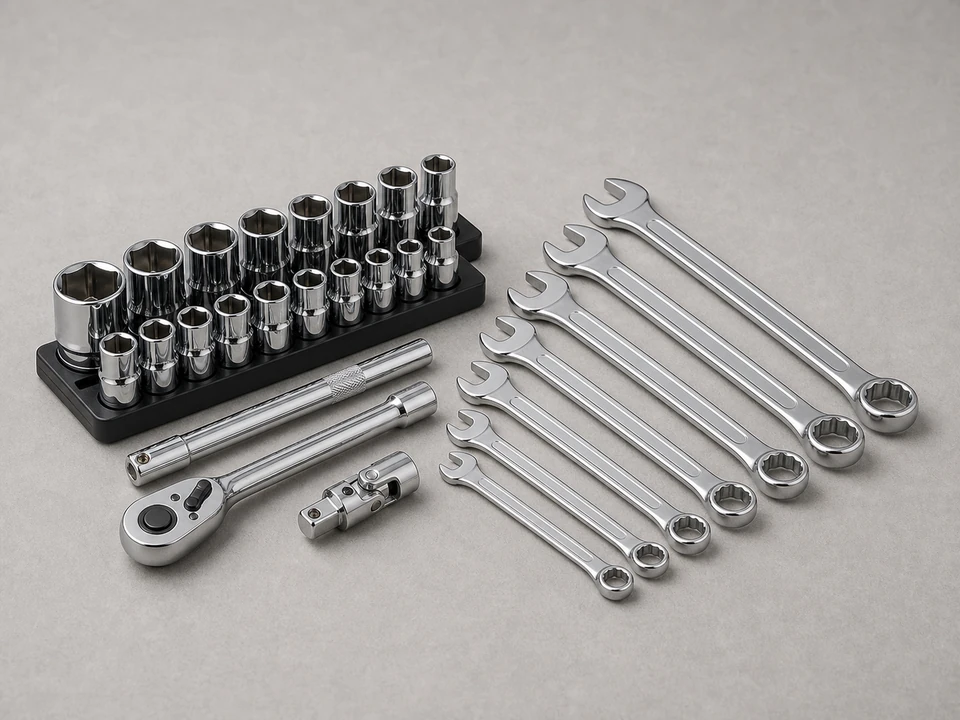
Socket set or wrench set
Use it for: To remove old nuts and tighten the new anchor hardware.
Shop socket and wrench setsTo replace deck post anchor bolts, support the post if needed, remove the loose or corroded anchors, clean the mounting surface, install matching new anchors, and tighten the post base so the post stays firmly attached.
This repair is usually straightforward when the post, base, and concrete or framing below are still solid. The key is making sure you are replacing failed anchors, not covering up rot, cracked concrete, or a shifting footing.
Before you start: Match the post size, anchor style, and base mounting requirements before ordering.
Anchor bolts have to tighten into sound material and clamp the post base flat without rocking.
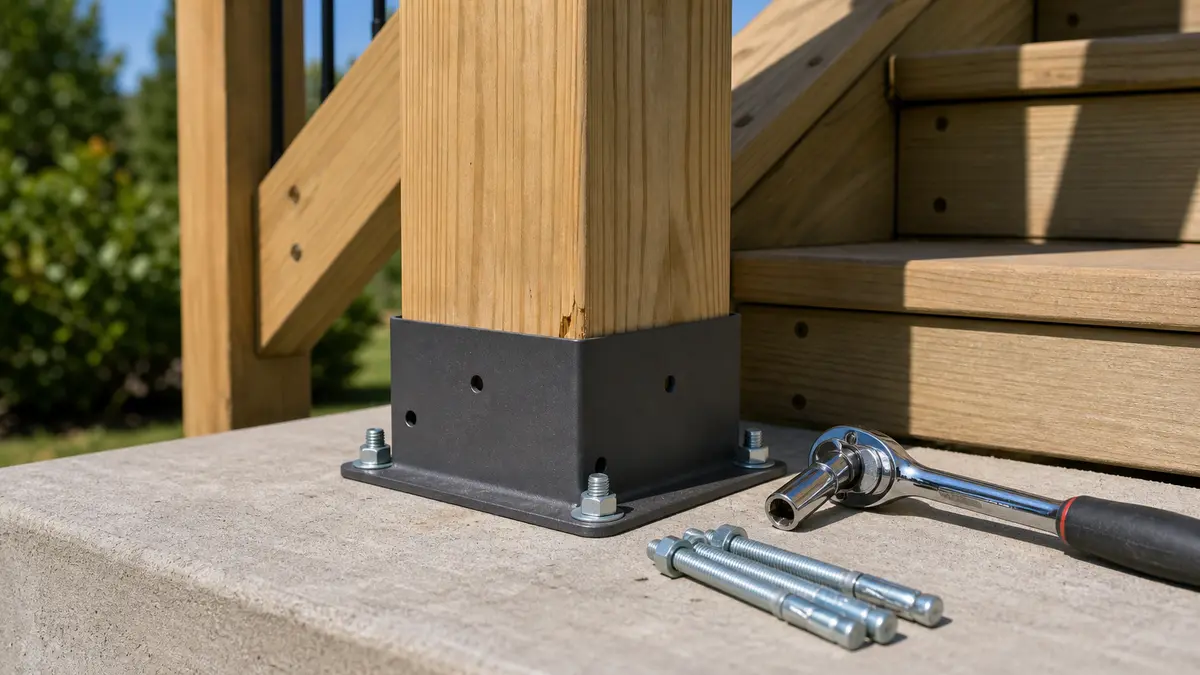
Use it for: To remove old nuts and tighten the new anchor hardware.
Shop socket and wrench sets
Use it for: To drill new anchor holes if the old holes are damaged or the replacement anchors need a different size hole.
Shop drills for anchor work
Use it for: To drill clean holes in concrete for replacement anchors.
Shop masonry drill bits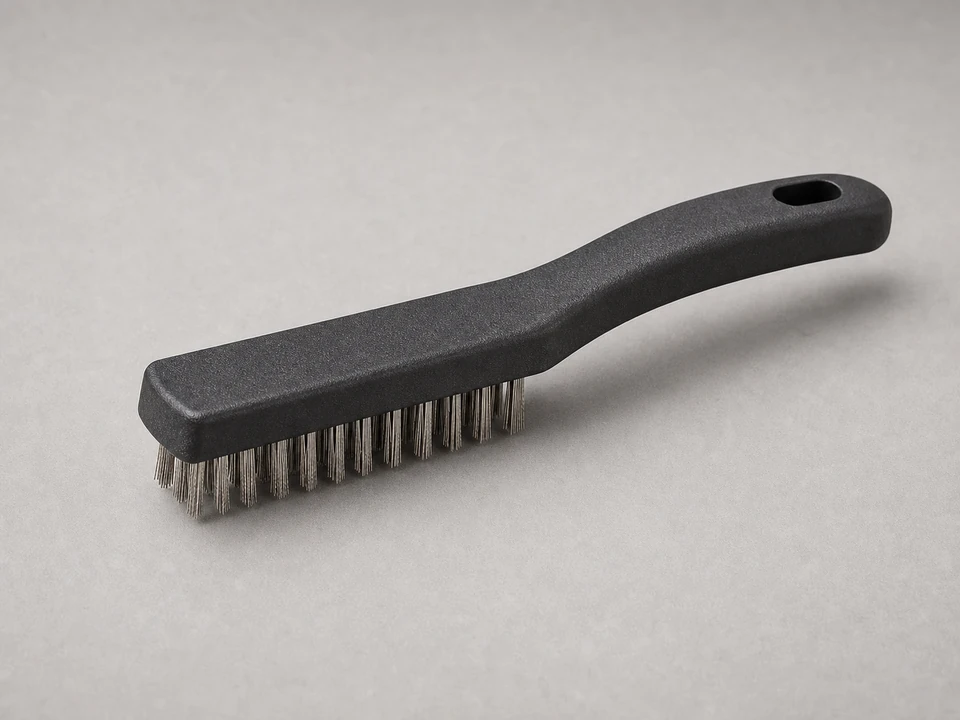
Use it for: To clean rust, dust, and debris from the post base and mounting surface.
Shop wire brushes
Use it for: To clear dust from drilled holes so anchors can seat properly.
Shop small shop vacs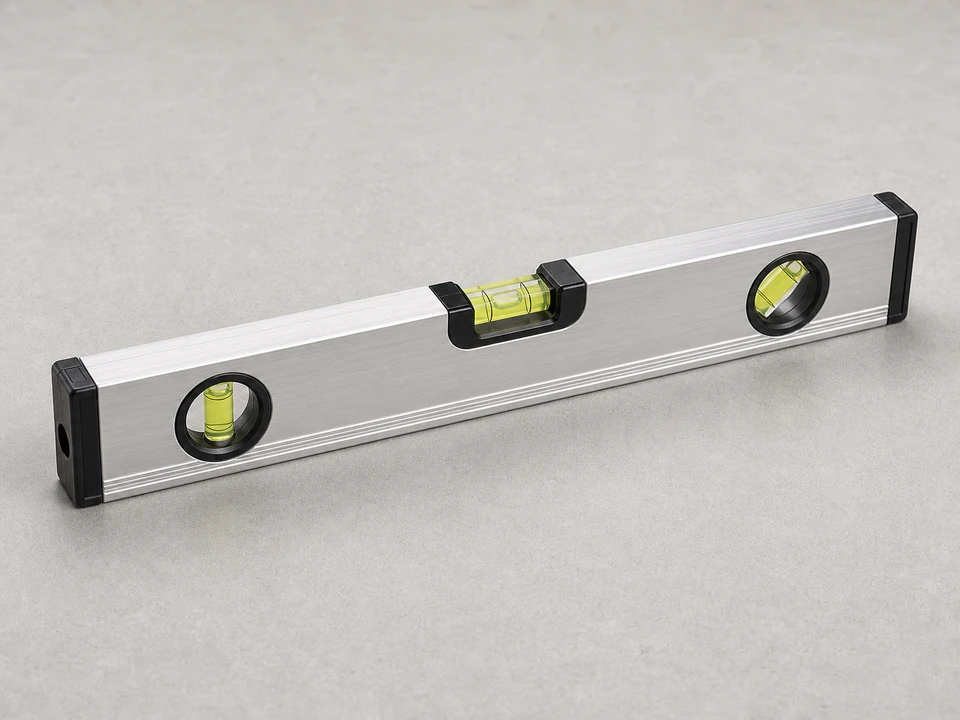
Use it for: To check that the post stays plumb while you tighten the base.
Shop torpedo levelsAs an Amazon Associate I earn from qualifying purchases. Repair Riot may earn a commission at no extra cost to you.
If it works: You confirmed the looseness is centered at the anchor bolts and the surrounding parts still look serviceable.
If it doesn’t: If the post is solid and the movement is higher up, inspect the beam connection, post-to-base hardware, or framing instead.
If it works: The work area is clear, the post is stable, and you are ready to remove the old anchors without letting the base shift unexpectedly.
If it doesn’t: If you cannot stabilize the post or the deck feels bouncy at that support point, pause and get help before removing any anchors.
If it works: The failed anchors are out, and the post base and mounting area are clean enough for the new hardware to seat properly.
If it doesn’t: If one broken anchor cannot be removed cleanly, you can often leave it in place and use a new approved hole location in sound material, as long as the base still fits flat and secure.
If it works: You have clean, correctly placed anchor holes and the post base is lined up where it belongs.
If it doesn’t: If the old holes are wallowed out or too close to broken concrete edges, move to fresh solid material if the base design allows it.
If it works: The post base is firmly attached, the post is plumb, and the new anchors are holding the connection tight.
If it doesn’t: If the base still rocks after tightening, remove it and check for debris, a bent base, oversized holes, or damaged mounting material.
If it works: The post stays steady during normal movement, and the base remains tight to the surface with no visible shifting.
If it doesn’t: If the post still moves, the problem may be the post base, the post-to-base connection, or the footing rather than the anchor bolts alone.
Match the post size, anchor style, and base mounting requirements before ordering.
As an Amazon Associate I earn from qualifying purchases. Repair Riot may earn a commission at no extra cost to you.
Yes, if only one failed and the other anchors, base, and mounting surface are still in good shape. If the hardware is similarly aged or corroded, replacing the full set at that base is usually the better long-term fix.
Usually no. In many cases you can support the post, loosen the base, and replace the anchors with the post still in place. Full post removal is more likely if the base is badly damaged or access is poor.
If it cannot be removed cleanly, you can often drill a new hole in sound concrete and reinstall the base using a proper new anchor location. Stop if there is not enough solid material left for a secure hold.
That usually means the root problem is somewhere else, such as a bent post base, a loose post-to-base connection, rotted wood at the post bottom, or a cracked or shifting footing.
It is better to use new hardware that matches the new anchors. Old hardware may be worn, rusted, or the wrong fit, which can keep the base from tightening properly.