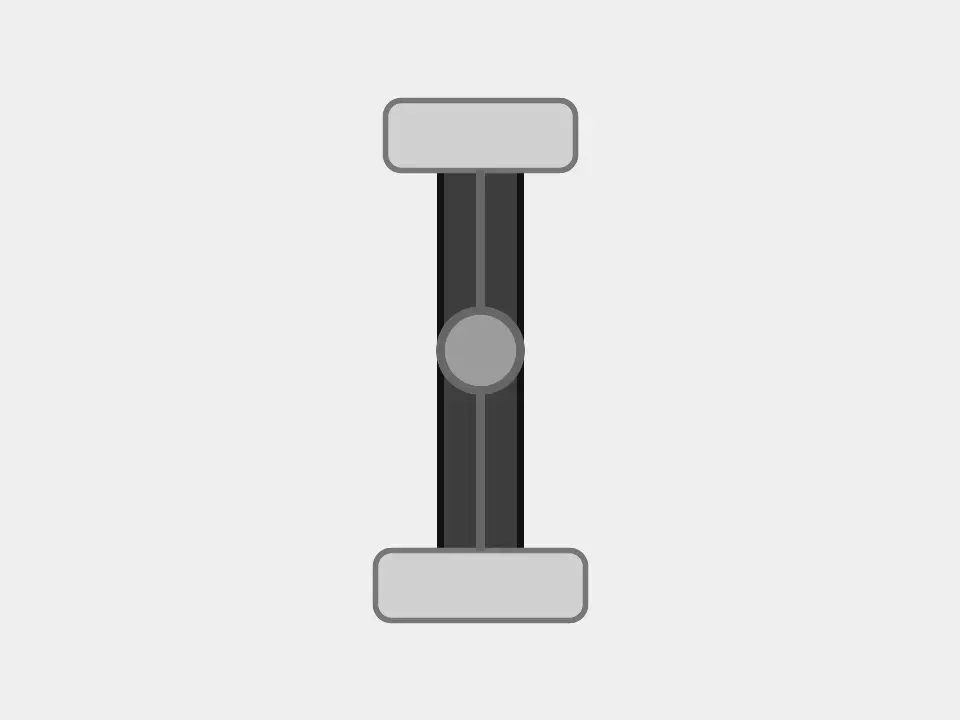
Temporary support jack or adjustable support post
Use it for: Takes the load off the post while you remove and replace the base.
Shop temporary support jacksTo replace a deck post base, first support the deck so the post is not carrying weight, then remove the old base, install a matching new base, reconnect the post, and confirm the post stays plumb and solid under normal use.
A failed deck post base can let the post shift, wick up moisture, or loosen where it meets the footing or slab. This repair is manageable for a careful homeowner, but only if the deck is safely supported before any hardware comes off.
Before you start: Match the post size, anchor style, and base mounting requirements before ordering.
Use it for: Takes the load off the post while you remove and replace the base.
Shop temporary support jacks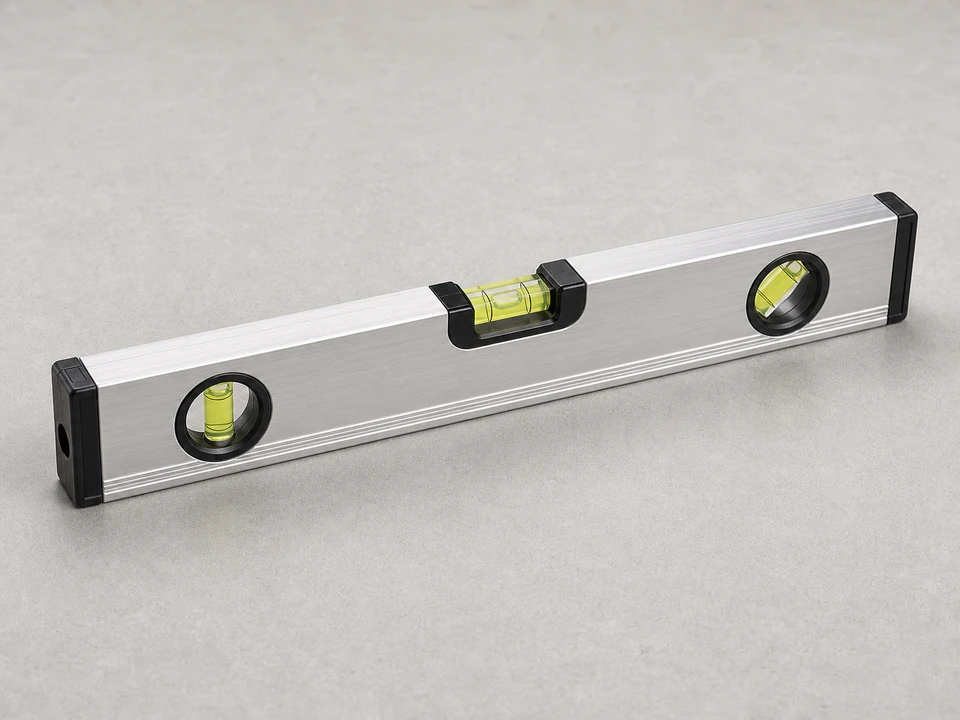
Use it for: Checks that the post stays plumb before you tighten everything down.
Shop levels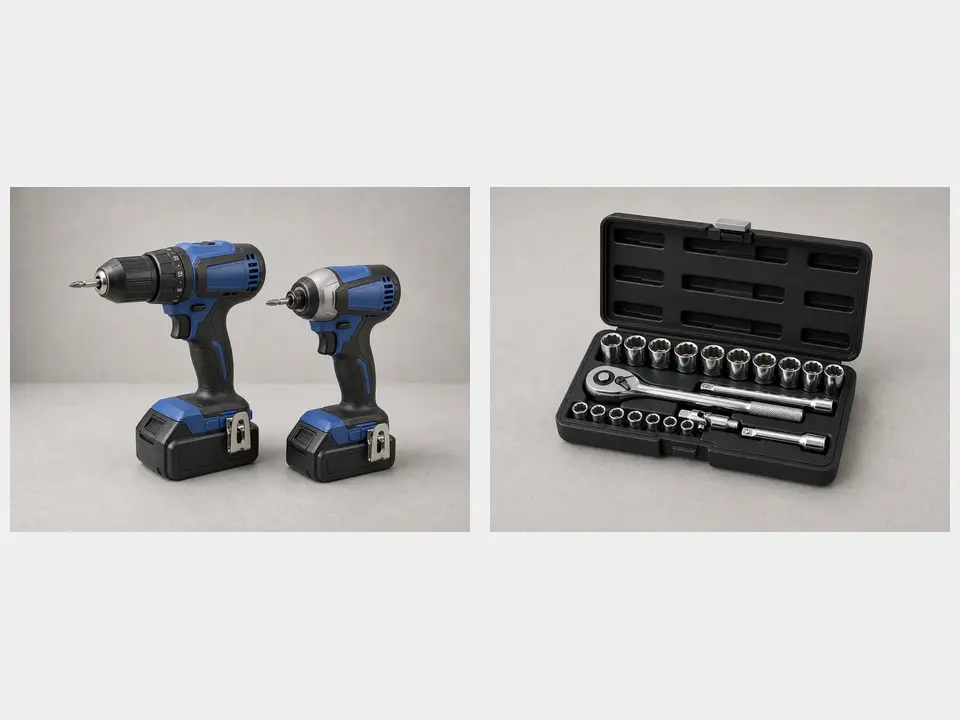
Use it for: Removes and installs bolts, screws, or structural fasteners at the base.
Shop socket sets and drivers
Use it for: Drills anchor holes if the new base mounts to concrete or masonry.
Shop hammer drills and masonry bits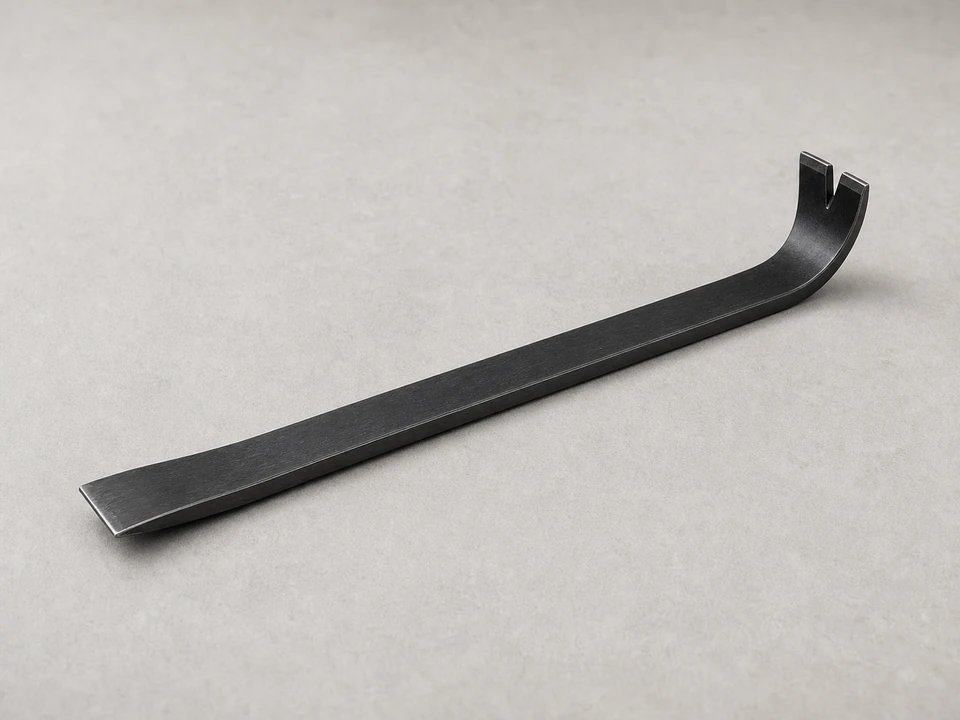
Use it for: Helps lift the post slightly and work the old base free.
Shop pry bars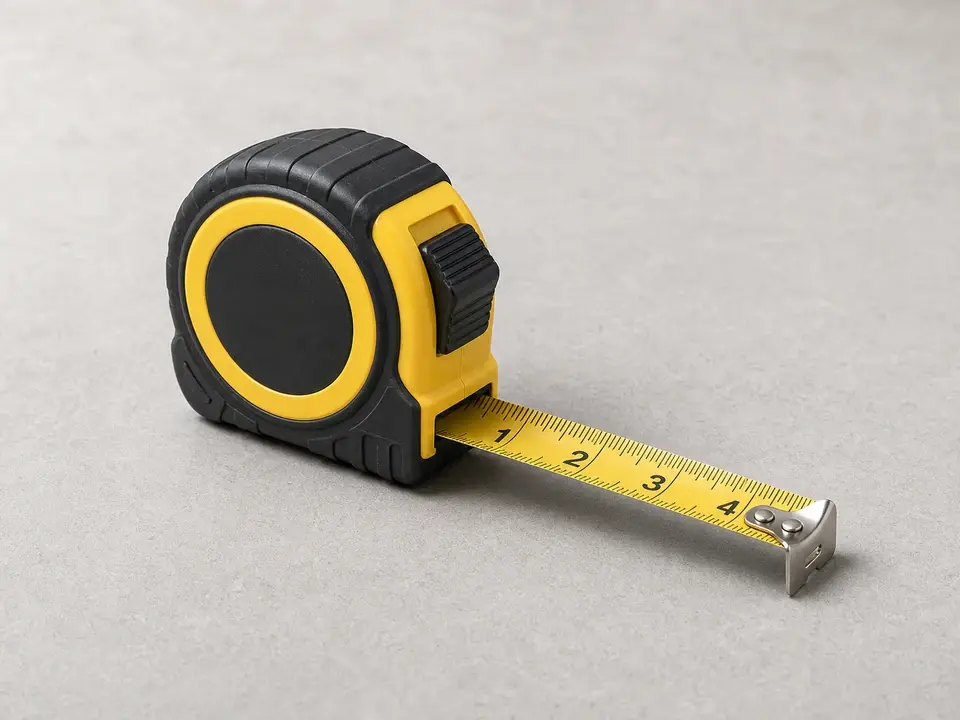
Use it for: Confirms post size, hole spacing, and base placement.
Shop tape measuresAs an Amazon Associate I earn from qualifying purchases. Repair Riot may earn a commission at no extra cost to you.
If it works: You have confirmed the base or its fasteners are damaged or loose, and the post and footing appear sound enough for a base replacement.
If it doesn’t: If the post is rotted or the footing is failing, plan for a larger repair before replacing the base.
If it works: The deck is safely supported and the post base can be removed without the post carrying the deck load.
If it doesn’t: Reposition the temporary support under stronger framing and try again until the post is unloaded.
If it works: The old base is off, the mounting surface is clean, and the new base matches the post size and general mounting style.
If it doesn’t: If the new base does not match the post width or anchor layout, pause and get the correct replacement before drilling or fastening anything.
If it works: The new base is firmly attached and does not rock or twist on the mounting surface.
If it doesn’t: If the base will not sit flat or the anchors will not tighten securely, recheck the surface condition and hole placement before continuing.
If it works: The post is seated in the new base, fastened securely, and remains plumb as the load returns.
If it doesn’t: Loosen the fasteners slightly, adjust the post back to plumb, and retighten before fully removing the temporary support.
If it works: The post stays solid, the base stays tight, and the deck feels stable in normal use.
If it doesn’t: If you still have movement, inspect the post, beam connection, and footing again because the base may not have been the only failed part.
Match the post size, anchor style, and base mounting requirements before ordering.
As an Amazon Associate I earn from qualifying purchases. Repair Riot may earn a commission at no extra cost to you.
No. The post base is part of the load path. Even if the deck only seems lightly loaded, you should unload the post with a proper temporary support before removing the old base.
If the bottom of the post is rotted, split, crushed, or insect-damaged, replacing only the base is not enough. The post needs repair or replacement as well.
You need a base that fits the post size and works with the way the post is anchored below. Matching the original style closely usually makes the repair simpler, but the key is proper fit and secure mounting.
A new base will not hold well in weak concrete. If the footing is cracked, crumbling, or too damaged to anchor securely, address the footing first.
The looseness may be coming from the post itself, the beam connection above, undersized or loose fasteners, or a failing footing. Recheck the whole support path instead of focusing only on the new base.