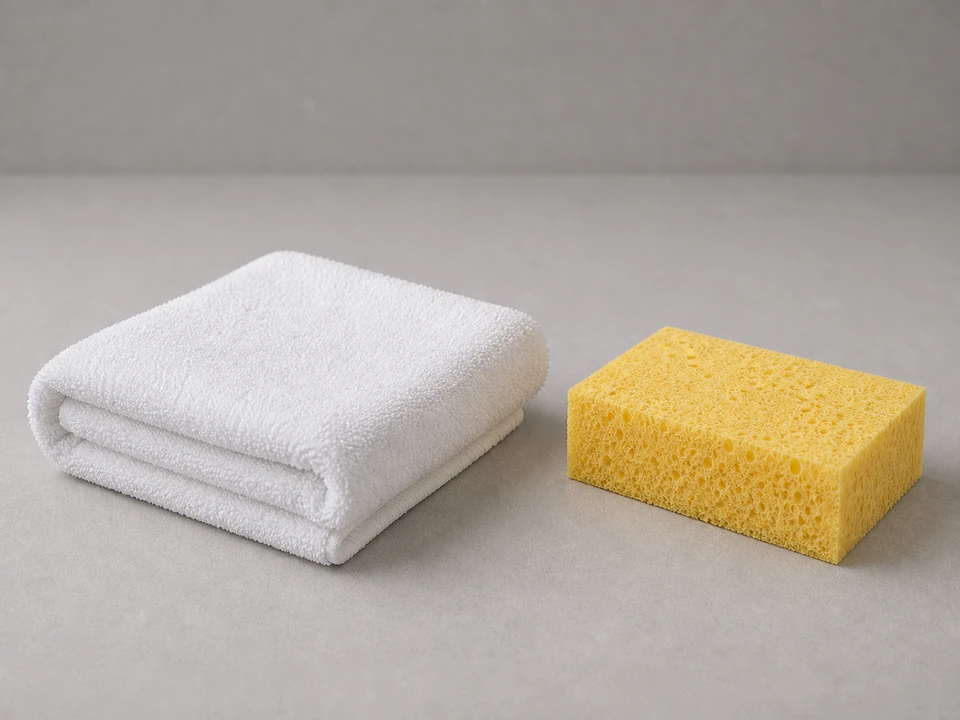
Towel or sponge
Use it for: To soak up standing water around the filter area so you can see and work cleanly.
Shop towels and spongesTo replace a dishwasher filter assembly, disconnect power, pull out the lower rack, remove the old filter from the sump area, install the matching replacement, and test a short wash cycle to make sure water drains and the filter stays seated.
A worn, broken, or missing filter assembly can let food debris recirculate, cause poor cleaning, and sometimes lead to draining trouble. This is usually a straightforward repair from inside the tub, but you want the new filter to lock in securely and sit flat before you run the dishwasher again.
Before you start: Match your dishwasher's model number and compare the filter shape, locking tabs, and screen style before ordering.
Use it for: To soak up standing water around the filter area so you can see and work cleanly.
Shop towels and sponges
Use it for: To remove pooled water from the bottom of the tub if needed.
Find a turkey baster for water removal
Use it for: To protect your hands from sharp debris or broken glass near the sump.
Shop work gloves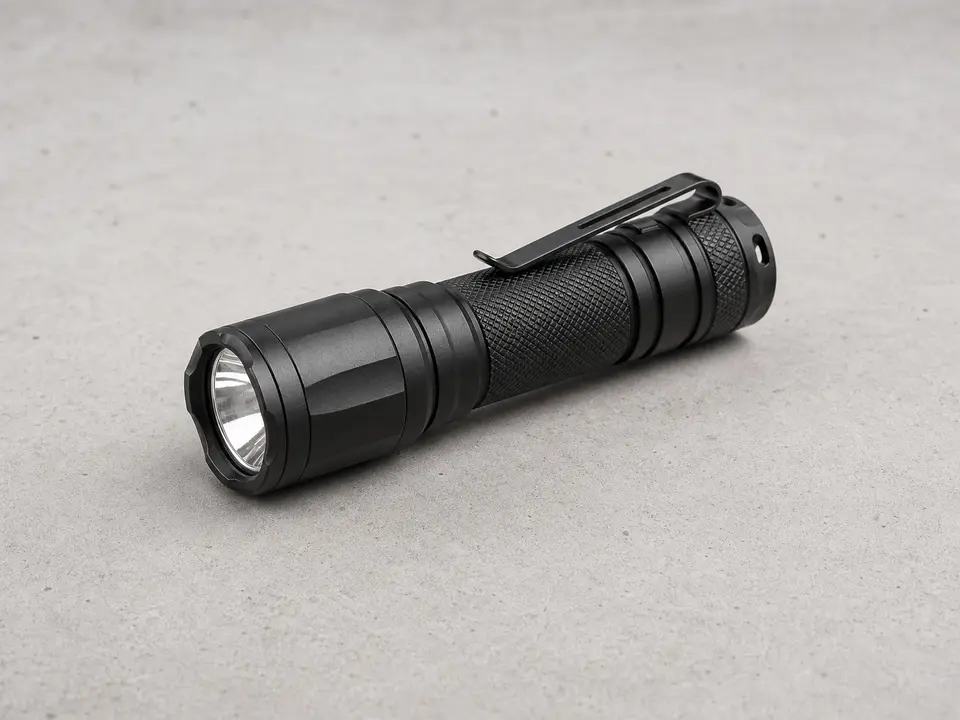
Use it for: To inspect the filter opening, locking tabs, and debris in the sump area.
Find a flashlight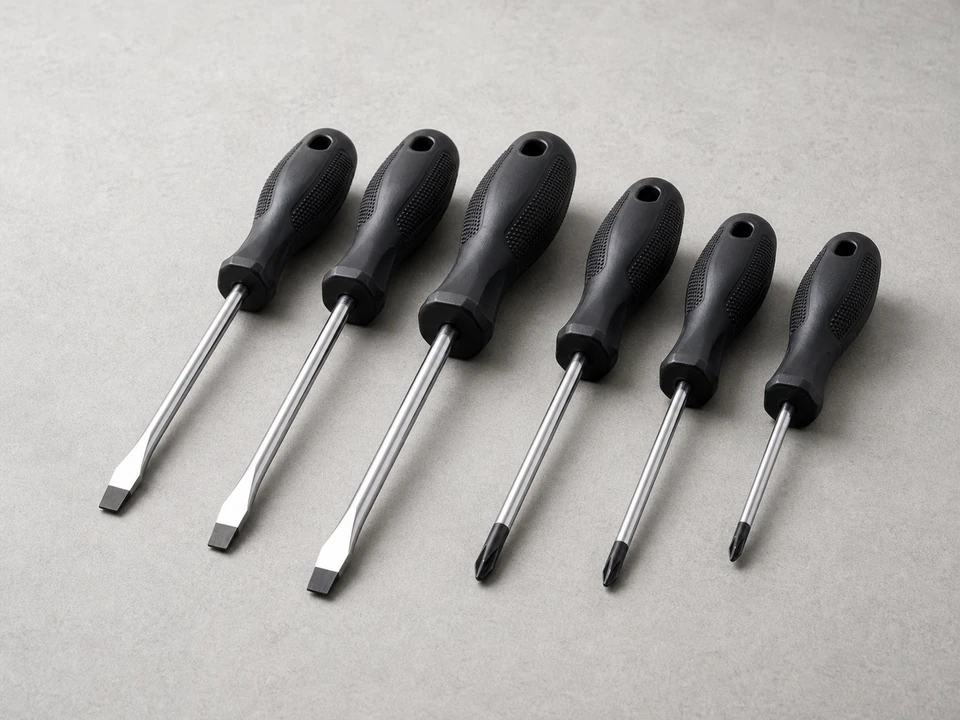
Use it for: Some dishwashers use screws or a cover retainer around the filter area.
Shop screwdriver setsAs an Amazon Associate I earn from qualifying purchases. Repair Riot may earn a commission at no extra cost to you.
If it works: You confirmed the filter assembly is damaged, missing, or no longer locking in properly, and the dishwasher is safely powered off.
If it doesn’t: If the filter looks intact and the real issue is standing water, a drain problem, or a spray arm issue, troubleshoot that problem before ordering a filter assembly.
If it works: The bottom of the tub is clear enough to access the filter assembly and see how it is held in place.
If it doesn’t: If water keeps returning immediately, the dishwasher may have a separate drain blockage that should be addressed before replacing the filter.
If it works: The old filter assembly is out, and the replacement matches the original well enough to install.
If it doesn’t: If the new part does not match the old one closely, pause and verify model compatibility before forcing anything into place.
If it works: The mounting area is clean, flat, and ready for the new filter assembly.
If it doesn’t: If the filter still will not sit flat during a dry fit, inspect again for hidden debris or a broken mounting point.
If it works: The new filter assembly sits flat, locks in place, and feels secure.
If it doesn’t: If the filter rocks, lifts, or will not lock, remove it and recheck alignment, debris, and part fit before trying again.
If it works: The dishwasher runs normally, drains as expected, and the new filter assembly stays locked in place during use.
If it doesn’t: If cleaning is still poor or water remains in the tub, the dishwasher may also have a drain, pump, spray arm, or circulation problem that needs separate diagnosis.
Match your dishwasher's model number and compare the filter shape, locking tabs, and screen style before ordering.
As an Amazon Associate I earn from qualifying purchases. Repair Riot may earn a commission at no extra cost to you.
It is better not to. The filter helps keep food debris out of the wash system and pump area. Running without it can lead to poor cleaning and possible internal damage.
Replace it if the mesh is torn, the frame is cracked, the tabs are broken, or it will not lock in place. If it is just greasy or clogged, cleaning is usually enough.
The most common reasons are debris in the mounting area, the wrong replacement part, or broken locking features in the dishwasher itself. Do not force it.
Sometimes, but not always. A damaged filter can let debris reach the drain area, but standing water can also come from a separate drain hose, pump, or blockage problem.
Often no special tools are needed, but some models use a small cover or retainer with screws. A flashlight, towel, and gloves are helpful on almost every job.