Window repair

How to Replace a Double Hung Window Balance Shoe

To replace a double hung window balance shoe, remove the sash, release tension from the balance, take out the damaged shoe, install a matching replacement, reconnect the balance, and test that the sash moves smoothly and stays in place.

A cracked or jammed balance shoe can let the sash drop, tilt unevenly, or bind in the track. This repair is manageable for many homeowners, but the balance can be under spring tension, so work slowly and keep fingers clear when releasing or reconnecting it.

Before you start: Match the balance type, length, strength stamp, and window compatibility before ordering.

Prepared by: Repair Riot Last updated: 2026-06-05 How we build and check guides

Safety first

  • Wear gloves when handling the balance and shoe because metal edges can be sharp.
  • Keep fingers clear of the balance connection point when releasing or reconnecting spring tension.
  • Support the sash with both hands during removal and reinstallation so it does not twist or fall.
  • Do not force the shoe through the track if it is not aligned with the access point or service opening.

Tools you may need

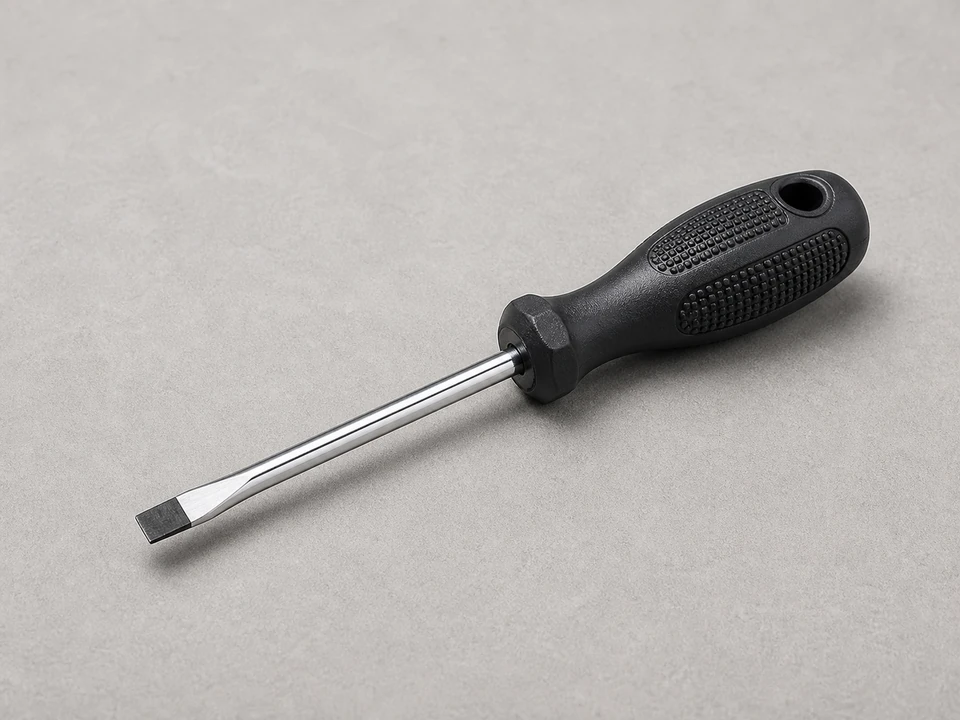
Flat screwdriver tool

Flat screwdriver

Use it for: To help release take-out clips, guide the balance shoe, or turn the shoe into the correct position in the track.

Shop flat screwdrivers
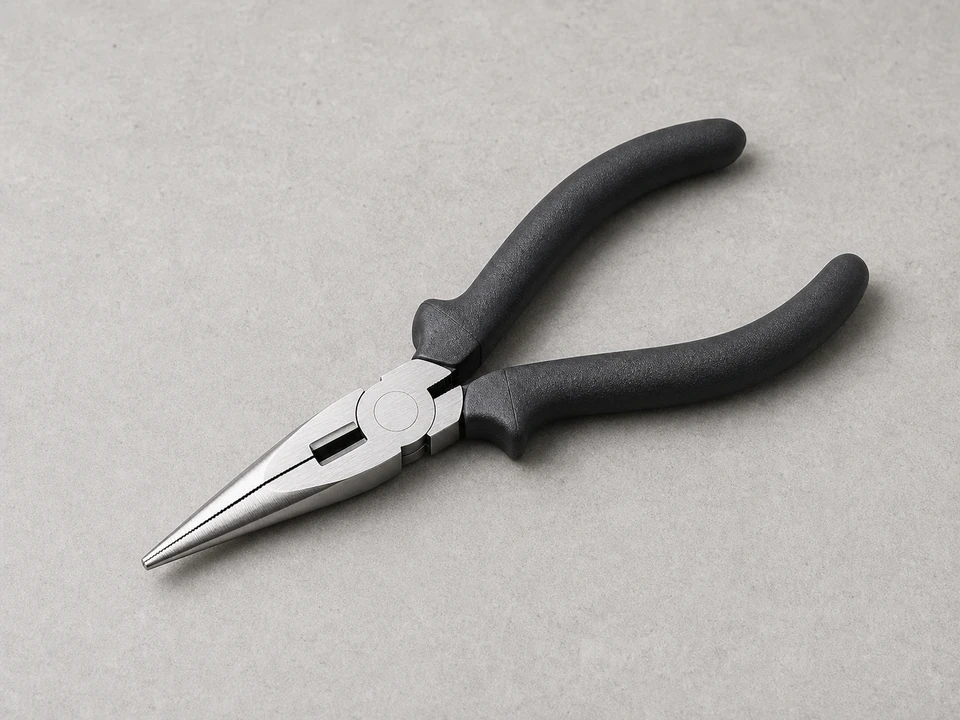
Needle-nose pliers tool

Needle nose pliers

Use it for: To grip the balance end, pivot bar, or retaining clip in tight spaces.

Shop needle-nose pliers
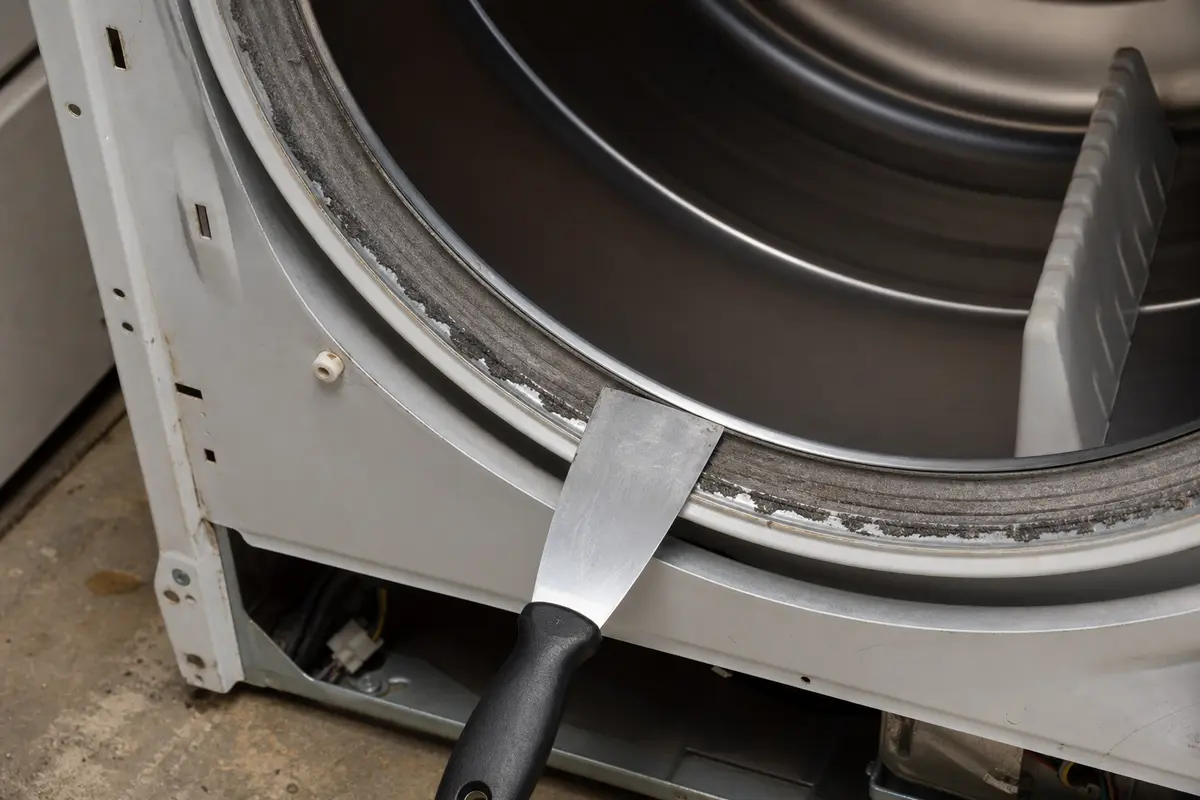
Putty knife tool

Putty knife

Use it for: To help ease trim or guide parts without gouging the vinyl or painted frame.

Shop putty knives
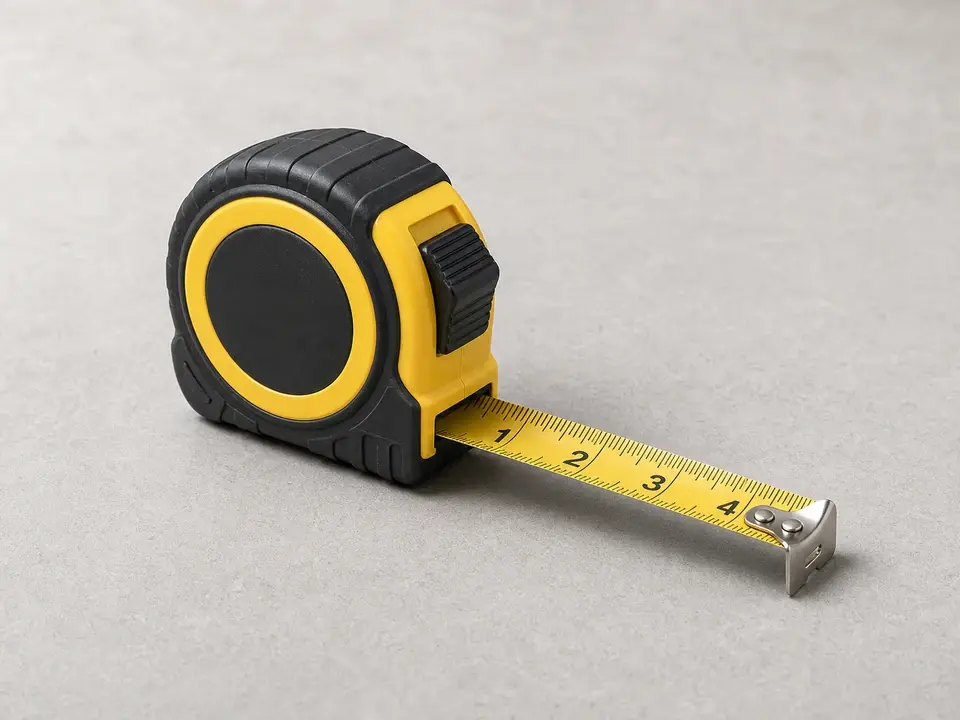
Tape measure tool

Tape measure

Use it for: To compare the old shoe and confirm the replacement size before installation.

Shop tape measures
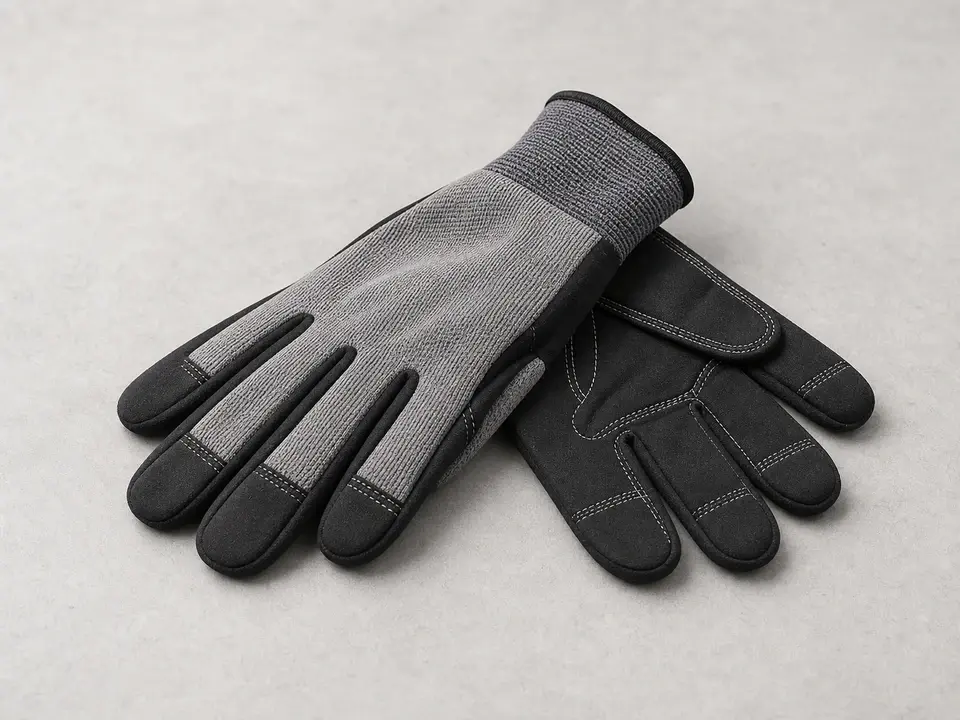
Work gloves tool

Work gloves

Use it for: To protect your hands from sharp metal edges and sudden movement from the balance.

Shop work gloves

As an Amazon Associate I earn from qualifying purchases. Repair Riot may earn a commission at no extra cost to you.

Step-by-step fix

Step 1: Confirm the balance shoe is the problem

  1. Unlock the window and try raising and lowering the lower sash a few inches at a time.
  2. Watch for common balance shoe failure signs: the sash drops on its own, one side hangs lower, the pivot bar has slipped out, or the shoe looks cracked or twisted in the side track.
  3. Tilt the sash in if your window allows it and inspect both side tracks for a broken shoe, a disconnected pivot bar, or a shoe stuck at the wrong height.
  4. Compare left and right sides. If one shoe is damaged or out of position while the rest of the window looks intact, this is the right repair.

If it works: You have identified a damaged, disconnected, or jammed balance shoe in the side jamb.

If it doesn’t: If both shoes look intact, check for a failed balance, bent pivot bar, or damaged sash instead of replacing the shoe first.

Stop if:
  • The sash glass is cracked or loose in the frame.
  • The window frame or jamb liner is badly bent, split, or pulling away.
  • You cannot identify how the sash is retained and forcing it may damage the window.

Step 2: Set up the window and remove the sash

  1. Clear the area below the window so you have room to support the sash safely.
  2. Raise the sash a few inches if it will move, then engage the tilt latches and tilt the top of the sash inward.
  3. Lift one side of the sash to free its pivot bar from the balance shoe, then repeat on the other side and set the sash on a protected surface.
  4. If your window uses take-out clips or another retainer in the side track, move them into the service position before trying to remove the shoe.

If it works: The sash is out of the opening and you can reach the balance shoe in the side track.

If it doesn’t: If the sash will not tilt in or release, look for hidden take-out clips or stops in the jamb and reposition them before trying again.

Stop if:
  • The sash feels too heavy to control safely by yourself.
  • A retainer, clip, or stop is painted in place and may break if forced.

Step 3: Release the balance and remove the old shoe

  1. Put on gloves and keep one hand controlling the balance area before disconnecting anything under tension.
  2. Locate where the balance connects to the shoe. Depending on the window, this may be a hook, cam, or metal end that locks into the shoe.
  3. Use pliers or a screwdriver to carefully disconnect the balance from the shoe while controlling any spring tension so it does not snap upward.
  4. Rotate or slide the old shoe into the removal position if the track design allows it, then lift or pull the damaged shoe out of the jamb track.
  5. Keep the old shoe nearby so you can match its size, shape, and connection points to the replacement.

If it works: The damaged balance shoe is out and the balance is controlled and ready to reconnect.

If it doesn’t: If the shoe will not come out, move it to the manufacturer's service cutout or access point in the track rather than prying harder on the jamb liner.

Stop if:
  • The balance shoots upward into the frame and cannot be safely retrieved.
  • The jamb liner cracks or starts separating from the frame.
  • The replacement shoe does not match the old one closely enough to install with confidence.

Step 4: Install the new balance shoe

  1. Compare the new shoe to the old one for width, height, thickness, cam opening, and balance connection style.
  2. Turn the new shoe to the same orientation as the old one and slide it into the track through the access point or service opening.
  3. Move the shoe to roughly the same height as the shoe on the opposite side, or to the height needed to reconnect the balance end.
  4. Reconnect the balance to the new shoe and make sure the connection is fully seated and not twisted.
  5. If the shoe has a cam that must face a certain direction for the pivot bar, set it to the same position as the working side.

If it works: The new shoe is installed in the track and securely connected to the balance.

If it doesn’t: If the balance will not reconnect cleanly, recheck the shoe orientation and compare it again to the old part before going further.

Stop if:
  • The new shoe binds tightly in the track even when aligned correctly.
  • The balance connection is loose, bent, or obviously damaged and will not stay attached.

Step 5: Reinstall the sash and engage both pivot bars

  1. Bring the sash back to the opening and hold it so each pivot bar lines up with the cam opening in its balance shoe.
  2. Insert one pivot bar into its shoe, then compress or align the other side and seat the second pivot bar.
  3. Tilt the sash back up into the frame until the tilt latches click into place.
  4. Lower and raise the sash slowly to help both shoes settle into the track evenly.
  5. Return any take-out clips or retainers to their normal position.

If it works: The sash is back in the frame and both sides are engaged with the new and existing balance shoes.

If it doesn’t: If one side keeps popping out, remove the sash again and make sure the pivot bars are fully seated and the shoe cam is turned to the correct position.

Stop if:
  • The sash will not seat squarely in the frame.
  • A pivot bar is bent, loose, or pulling out of the sash.

Step 6: Test the repair in real use

  1. Open the sash to several positions and let go carefully each time to see whether it stays where you leave it.
  2. Close and lock the window, then reopen it to confirm smooth travel and even alignment on both sides.
  3. Listen for scraping, clicking, or sudden drops that suggest the shoe is misaligned or the balance itself is failing.
  4. Check that the sash tilts in and returns to normal without one side lagging behind the other.

If it works: The sash moves smoothly, stays open where expected, and no longer drops or twists in the track.

If it doesn’t: If the sash still falls, binds, or sits crooked, the balance, pivot bar, or opposite shoe may also need repair or replacement.

Stop if:
  • The sash still slams shut after the new shoe is installed correctly.
  • The window becomes harder to operate or the track starts deforming during testing.

Replacement Parts

As an Amazon Associate I earn from qualifying purchases. Repair Riot may earn a commission at no extra cost to you.

Verify the repair

  • The sash stays at mid-height without drifting down.
  • Both sides of the sash move evenly with no twisting or racking.
  • The pivot bars remain engaged when the sash is tilted in and returned.
  • The window locks and unlocks normally after the repair.

FAQ

What does a window balance shoe do?

The balance shoe rides in the side track and connects the sash pivot bar to the balance. It helps the sash stay supported and move evenly.

How do I know if the balance shoe is bad instead of the balance?

A bad shoe is often cracked, twisted, disconnected, or stuck in the track. If the shoe looks intact but the sash still drops, the balance itself may be weak or broken.

Do I need to replace both balance shoes at the same time?

Not always. If only one shoe is damaged and the other side is in good shape, you can replace one. If both sides are worn or the window is older, replacing both can help the sash track more evenly.

Can I replace a balance shoe without removing the sash?

Usually no. Most double hung windows need the sash removed or tilted in so you can reach the shoe, disconnect the balance, and reinstall the pivot bars correctly.

What if I cannot find an exact match for the old shoe?

Do not guess. Match the shape, size, cam style, and balance connection as closely as possible. If the replacement does not closely match the old part, the sash may not stay engaged or operate safely.