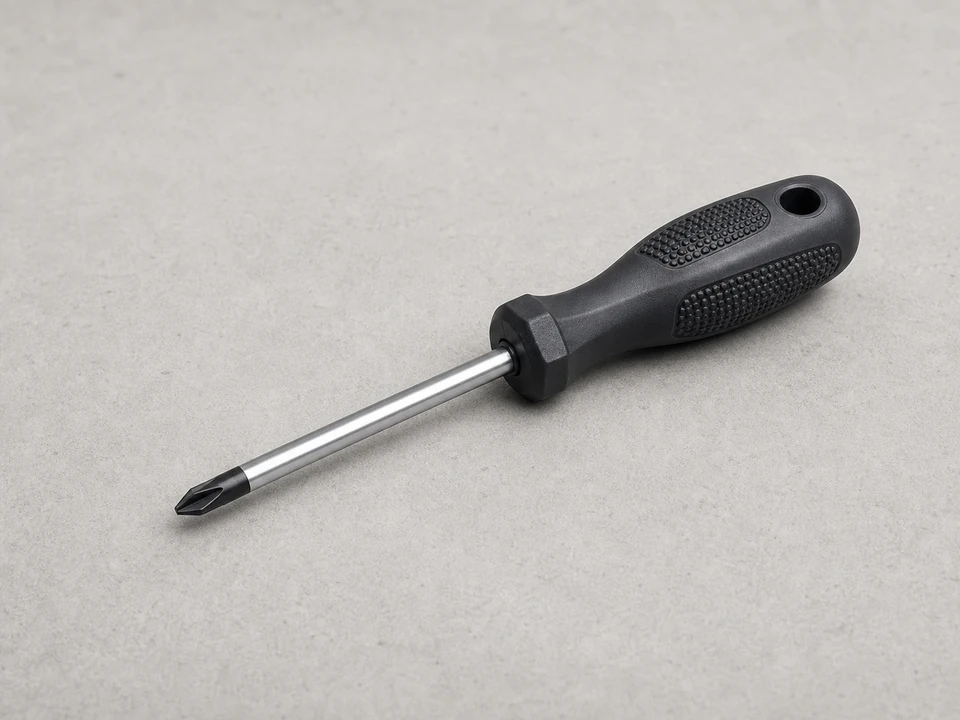
Phillips screwdriver
Use it for: To remove top, front, or access panel screws on many dryers.
Shop Phillips screwdriversTo replace a dryer drum support roller, unplug the dryer, open the cabinet, remove the drum, swap the worn roller on its shaft, and reassemble the dryer. This repair is a good fit when the dryer makes a rumbling, thumping, or grinding noise as the drum turns.
A bad dryer drum support roller usually shows up as noise during tumbling, not just at startup. The roller can wear flat, seize, or wobble on its shaft, which lets the drum ride rough and noisy. If the drum support area looks damaged beyond the roller itself, stop and reassess before putting the dryer back together.
Before you start: Match the roller diameter, shaft style, and dryer compatibility before ordering.
Use it for: To remove top, front, or access panel screws on many dryers.
Shop Phillips screwdrivers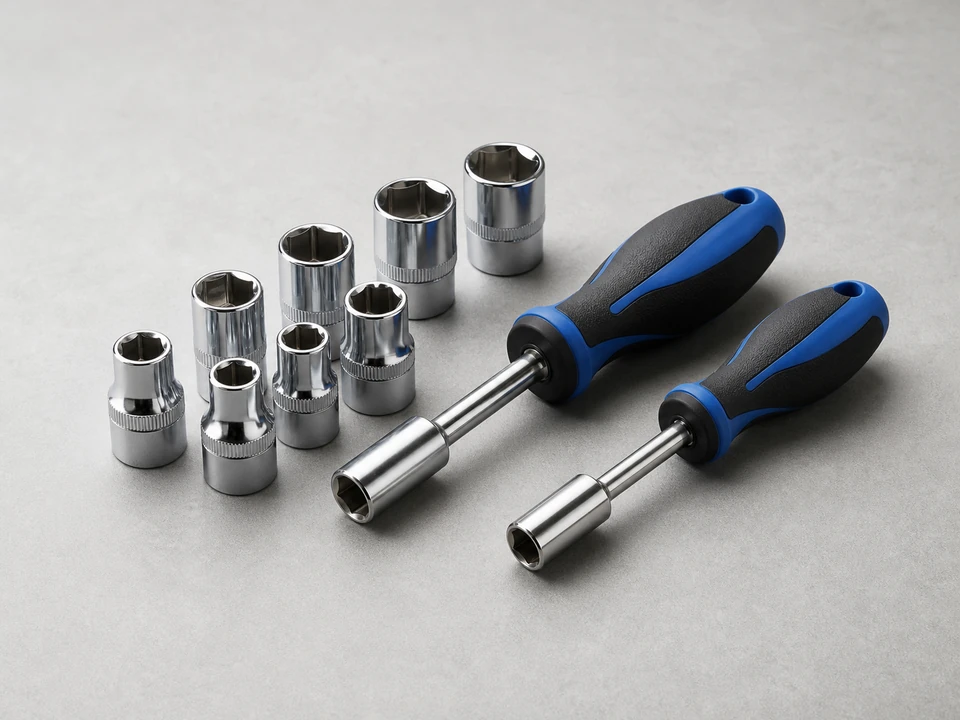
Use it for: Many dryer panels and brackets use hex-head screws.
Shop nut driver sets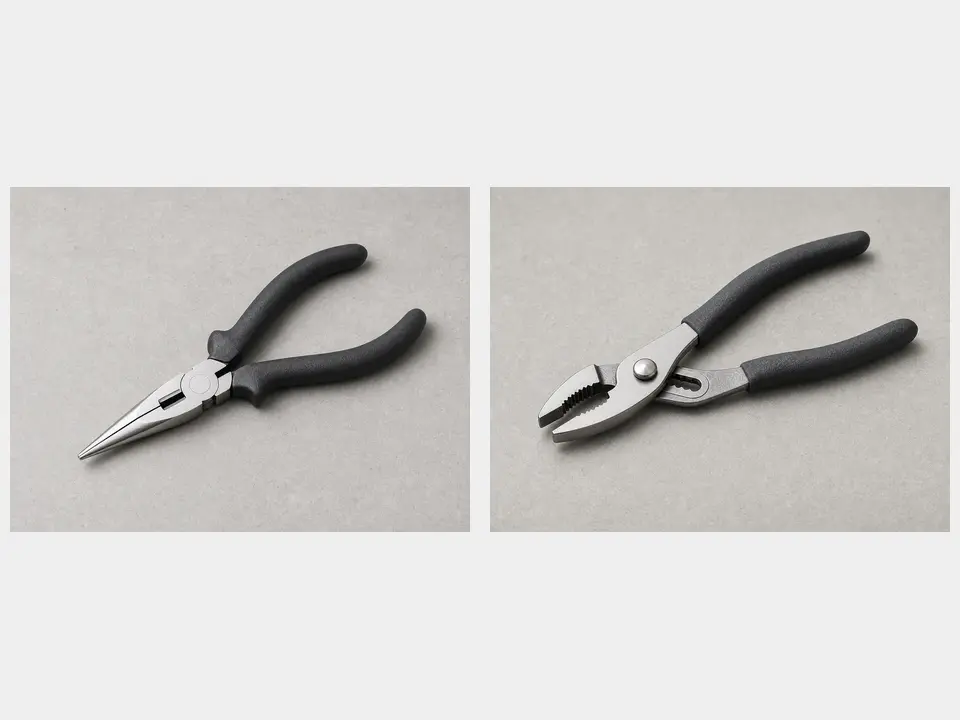
Use it for: To remove retaining clips and handle small hardware safely.
Shop pliers for appliance repair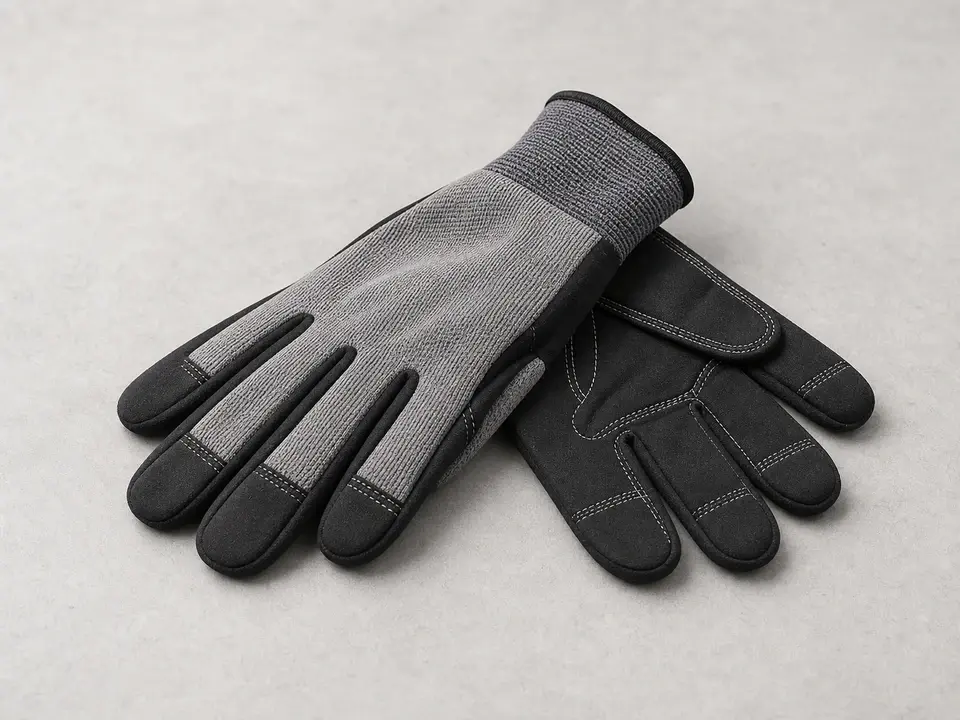
Use it for: Dryer cabinet edges can be sharp when you reach inside.
Shop work gloves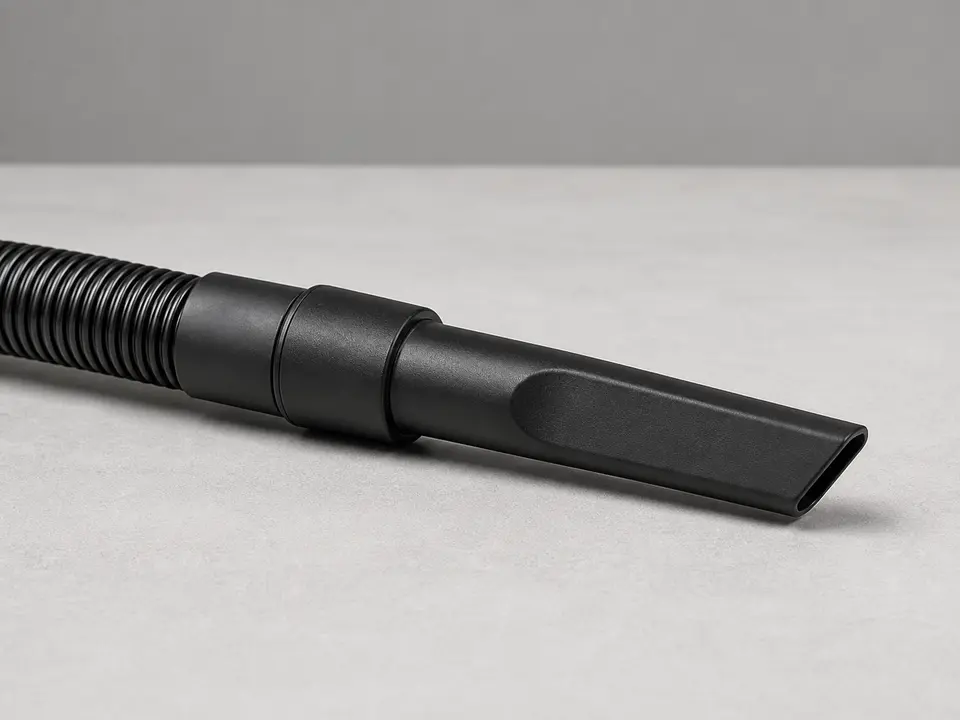
Use it for: To clean lint from the roller area and cabinet before reassembly.
Shop shop vacsAs an Amazon Associate I earn from qualifying purchases. Repair Riot may earn a commission at no extra cost to you.
If it works: The symptoms point to a drum support problem and replacing the dryer drum support roller is a reasonable next step.
If it doesn’t: If the noise sounds more like a high-pitched squeal, a blower rattle, or a motor hum without drum movement, inspect those parts before ordering a roller.
If it works: The drum is out and you can clearly see the support roller area.
If it doesn’t: If the cabinet does not open the way you expect, pause and look for hidden screws near the lint screen housing, rear edge, or lower front access area.
If it works: You have confirmed the roller is worn or seized, and the mounting area is clean enough for replacement.
If it doesn’t: If the roller seems fine but the shaft is deeply worn or the bracket is loose, the repair may need more than just the roller.
If it works: The new roller is installed securely and spins smoothly on the shaft.
If it doesn’t: If the new roller does not sit squarely or bind on the shaft, remove it and recheck the washer order and part fit before forcing anything.
If it works: The dryer is fully reassembled and the drum turns by hand without the old rough spot or heavy rumble.
If it doesn’t: If the drum binds or slips off the support area, reopen the cabinet and check drum seating, belt routing, and roller alignment.
If it works: The dryer runs smoothly in real use and the roller replacement held.
If it doesn’t: If the dryer still makes noise, inspect the other support roller, idler pulley, belt, glides, blower wheel, and motor area for a second worn part.
Match the roller diameter, shaft style, and dryer compatibility before ordering.
As an Amazon Associate I earn from qualifying purchases. Repair Riot may earn a commission at no extra cost to you.
It usually sounds like a rumble, rhythmic thump, or grinding noise while the drum is turning. A flat-spotted or seized roller often gets louder as the dryer runs.
If your dryer uses a pair of support rollers in the same area, replacing both is often the better move when one is clearly worn. The second roller may be close behind, and matched wear helps the drum ride evenly.
If the roller is worn, wobbling, or seized, lubrication is usually only a short-term bandage. A damaged roller or worn shaft area should be replaced rather than masked.
Dryers often have more than one wear part in the drum support system. If the noise remains, check the other roller, idler pulley, belt, drum glides or slides, blower wheel, and motor area.
Yes. This is a good time to vacuum lint from the cabinet, roller area, and nearby airflow path. Built-up lint can trap heat and make future repairs harder.