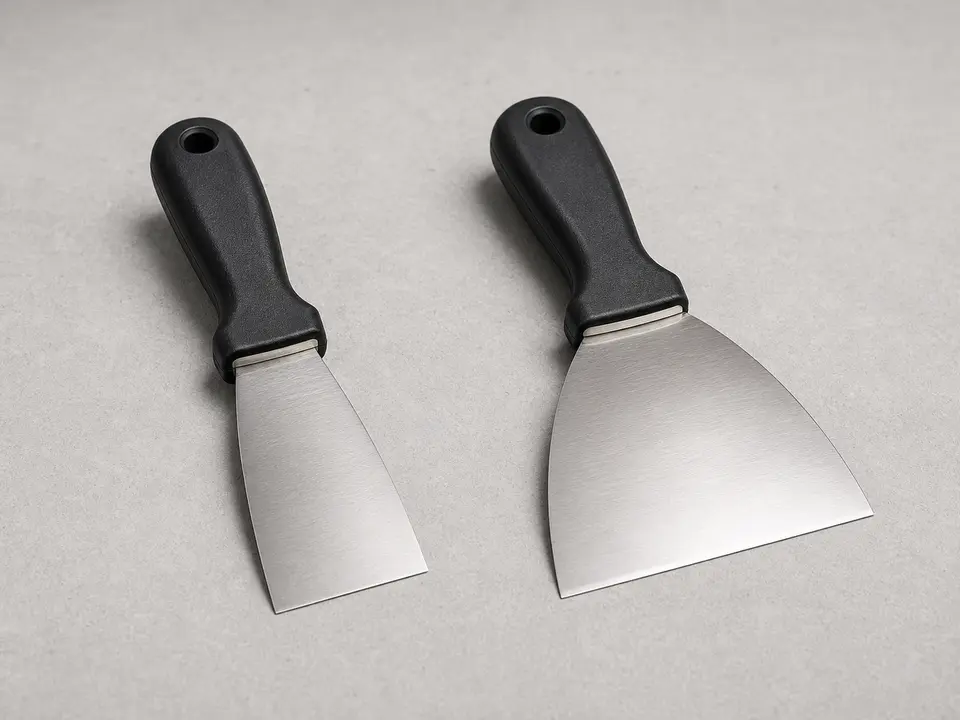
Putty knife or taping knife
Use it for: To scrape off failed compound and spread new compound in smooth thin coats.
Shop putty and taping knivesTo replace drywall joint compound, scrape away any loose or cracked material, clean and stabilize the joint, then apply fresh compound in thin coats and let each coat dry fully before sanding and finishing.
This repair works when old joint compound has cracked, crumbled, blistered, or let go from the drywall surface. The key is removing anything loose first. New compound will not hold well if it is spread over weak, dusty, or damp material.
Before you start: Choose a compound that matches your repair size and working style. Lightweight compound is easier to sand, while setting type compound is better for deeper fills and faster turnaround.
Use it for: To scrape off failed compound and spread new compound in smooth thin coats.
Shop putty and taping knives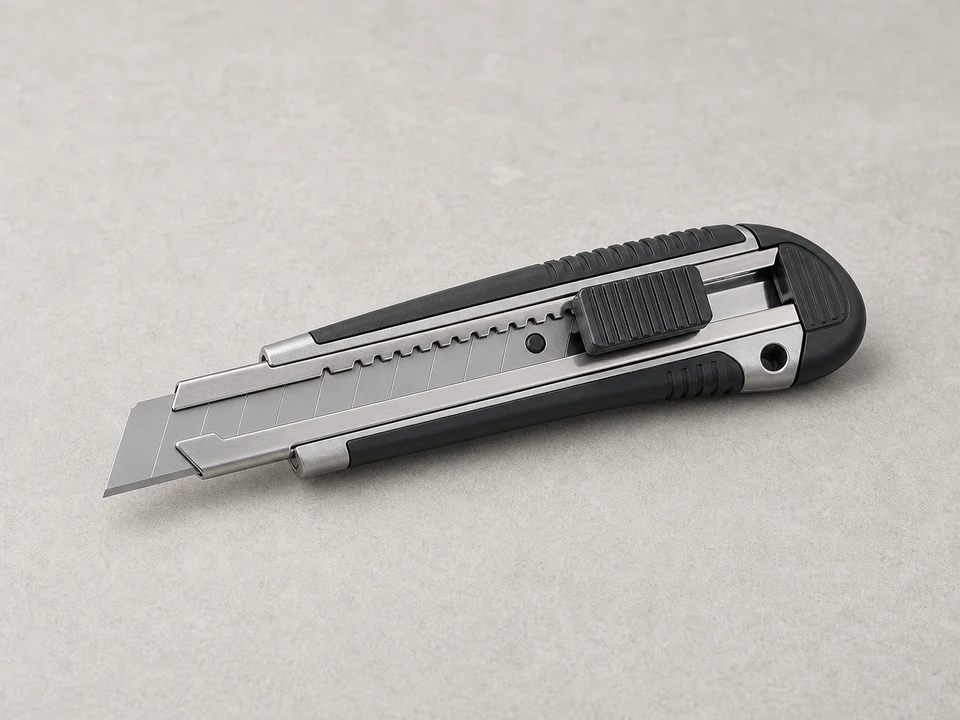
Use it for: To cut away loose tape edges and score damaged areas cleanly.
Shop utility knives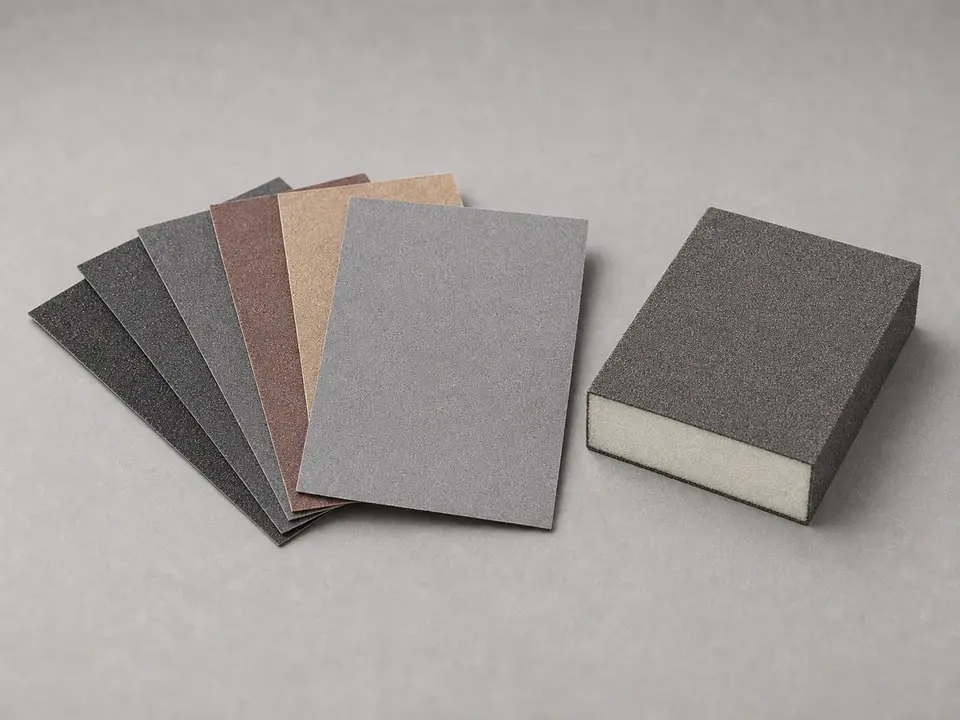
Use it for: To feather the repair after the compound dries.
Shop drywall sanding sponges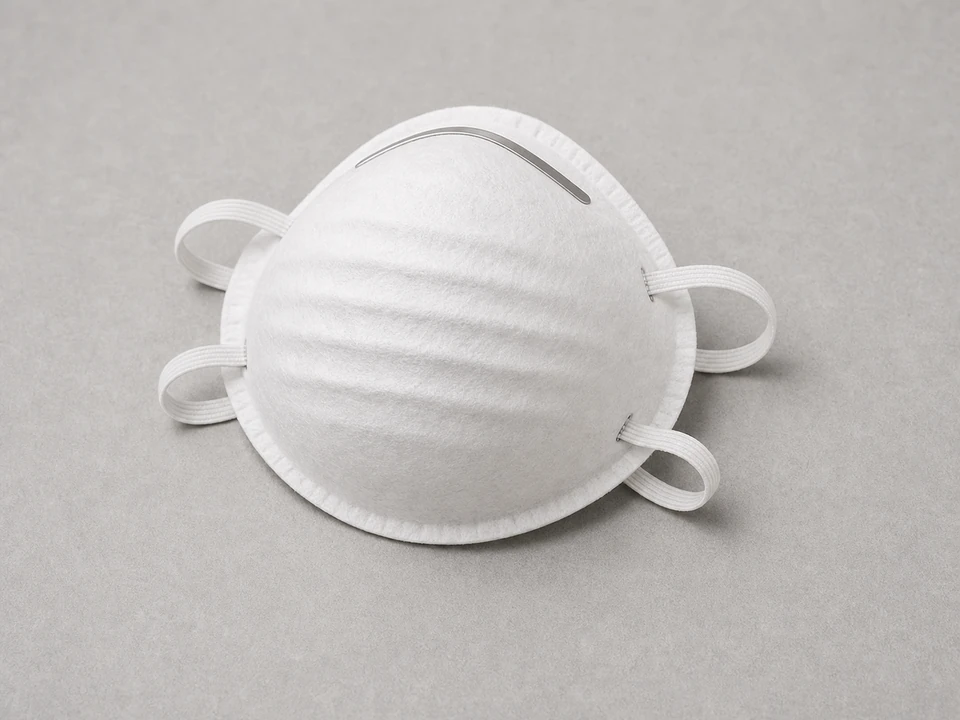
Use it for: To reduce breathing drywall dust while scraping and sanding.
Shop dust masks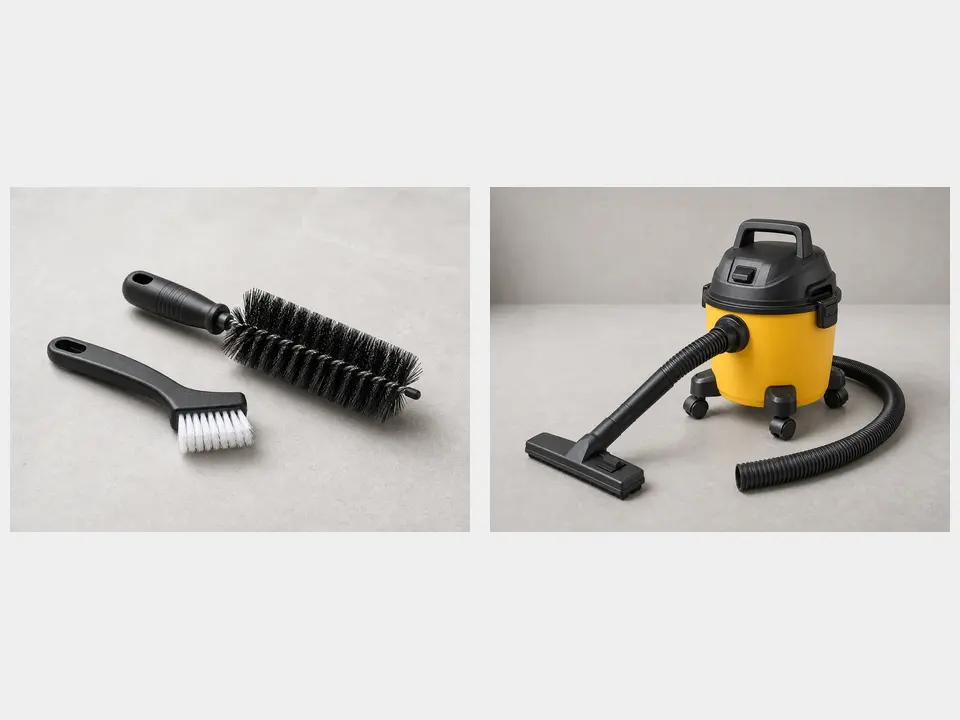
Use it for: To remove dust so the new compound bonds to the surface.
Shop shop vacs for drywall cleanup
Use it for: To hold a workable amount of compound while you spread it.
Shop drywall mud pansAs an Amazon Associate I earn from qualifying purchases. Repair Riot may earn a commission at no extra cost to you.
If it works: You have a solid drywall surface with failed joint compound that can be removed and replaced.
If it doesn’t: If the drywall itself is broken, sagging, or wet, repair the drywall or fix the moisture source before applying new compound.
If it works: Only solid, well-bonded material remains, and the repair area has tapered edges instead of abrupt ridges.
If it doesn’t: If old compound keeps breaking away farther than expected, keep removing it until you reach a stable edge.
If it works: The area is clean, dust-free, and ready for fresh compound to bond well.
If it doesn’t: If dust keeps coating the surface, wipe lightly with a barely damp cloth and let the area dry before continuing.
If it works: The damaged area is covered with a smooth first coat that fills the repair without sagging or ridging badly.
If it doesn’t: If the compound drags or leaves voids, add a little more and smooth again with steady pressure.
If it works: The repaired area looks flat and even, with the edges gradually blended into the surrounding wall.
If it doesn’t: If you still see a low spot after drying, apply another thin coat instead of over-sanding the area.
If it works: The repair is smooth, solid, and stays intact after drying, light sanding, and normal room conditions.
If it doesn’t: If you still see minor imperfections, apply one more skim coat, let it dry, and sand again before priming.
Choose a compound that matches your repair size and working style. Lightweight compound is easier to sand, while setting type compound is better for deeper fills and faster turnaround.
As an Amazon Associate I earn from qualifying purchases. Repair Riot may earn a commission at no extra cost to you.
Yes, but only over old compound that is still solid and well bonded. Anything loose, chalky, cracked, or bubbled should be removed first or the new repair can fail with it.
Only if the tape is loose, torn, bubbled, or lifting. If the tape is still flat and bonded, you can usually leave it in place and replace just the failed compound over it.
Repeat cracking usually means the joint moved, the compound was applied too thick, or the area had moisture problems. Thin coats over a stable, dry surface hold better than one heavy coat.
Wait until the compound is fully dry all the way through. Dry time depends on coat thickness, room temperature, and humidity. Sanding too early can tear the surface and ruin the finish.
Lightweight compound is easier for most homeowners to spread and sand on small finish repairs. Setting-type compound is useful for deeper fills or faster turnaround, but it hardens quickly and can be less forgiving.