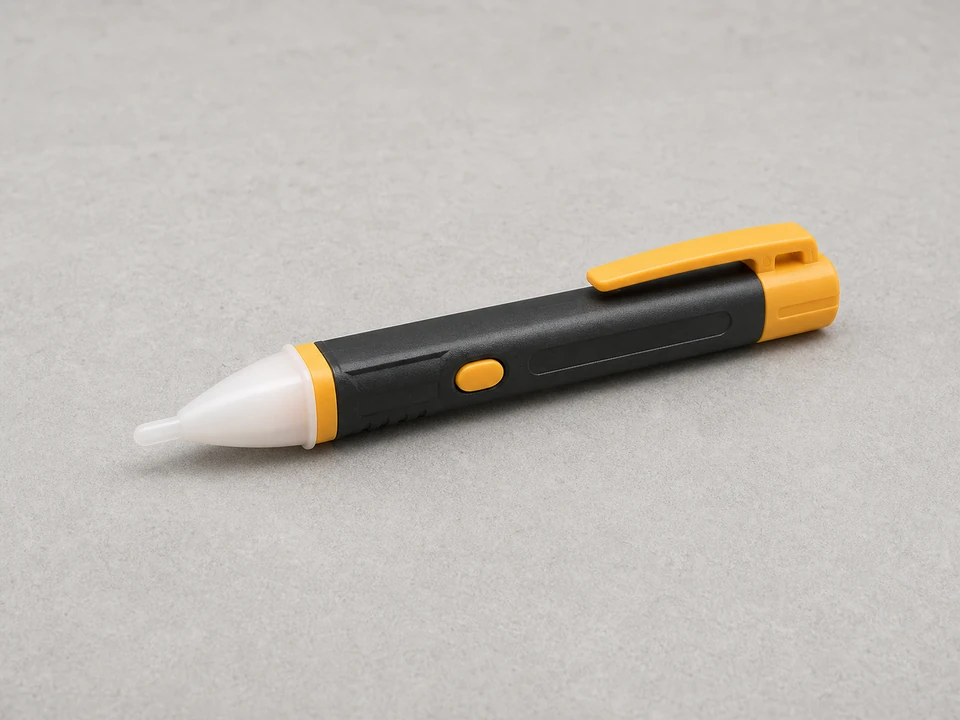
Non contact voltage tester
Use it for: To check that the outlet box and wires are not still energized before you touch anything.
Shop non-contact voltage testersTo replace a GFCI outlet receptacle, first confirm the outlet itself is the problem, turn off the correct breaker, verify the power is actually off, move the wires to the matching terminals on the new device, then restore power and test the reset and trip functions.
A bad GFCI can stop resetting, trip for no clear reason, or leave the outlet dead even when the breaker is on. This job is manageable for many homeowners, but only if you can positively shut off and verify power and keep the line and load wires straight.
Before you start: Match the device style, amperage, and wiring compatibility before ordering.
Use it for: To check that the outlet box and wires are not still energized before you touch anything.
Shop non-contact voltage testers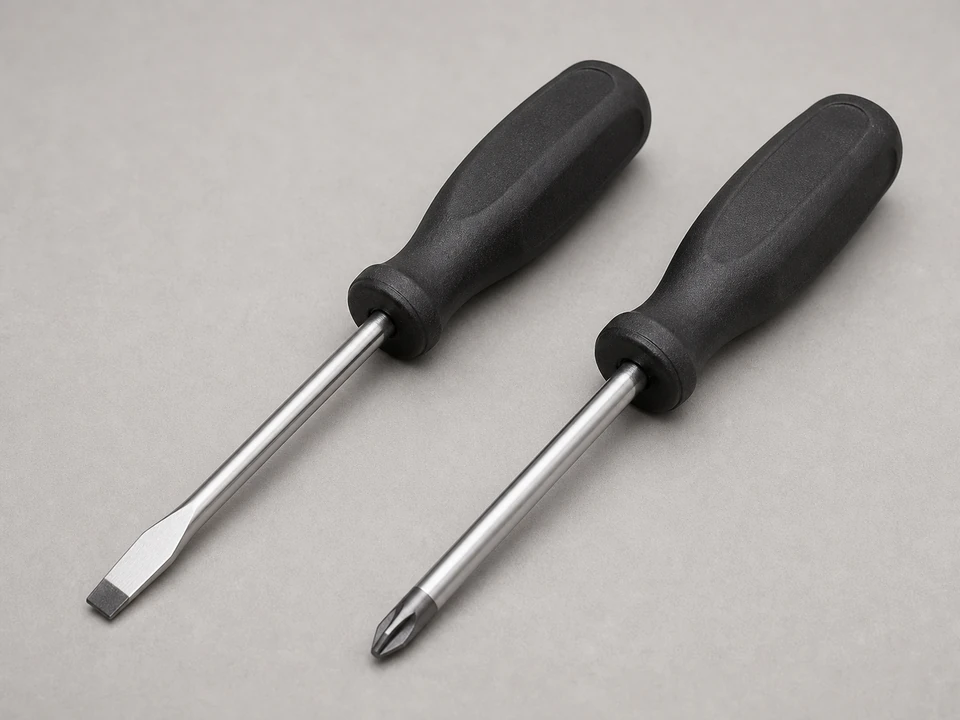
Use it for: To remove the cover plate, device screws, and terminal screws.
Shop screwdriver sets
Use it for: To bend wire loops neatly and help move conductors onto the new outlet.
Shop needle-nose pliers
Use it for: To clean up damaged wire ends or strip fresh insulation if needed.
Shop wire strippers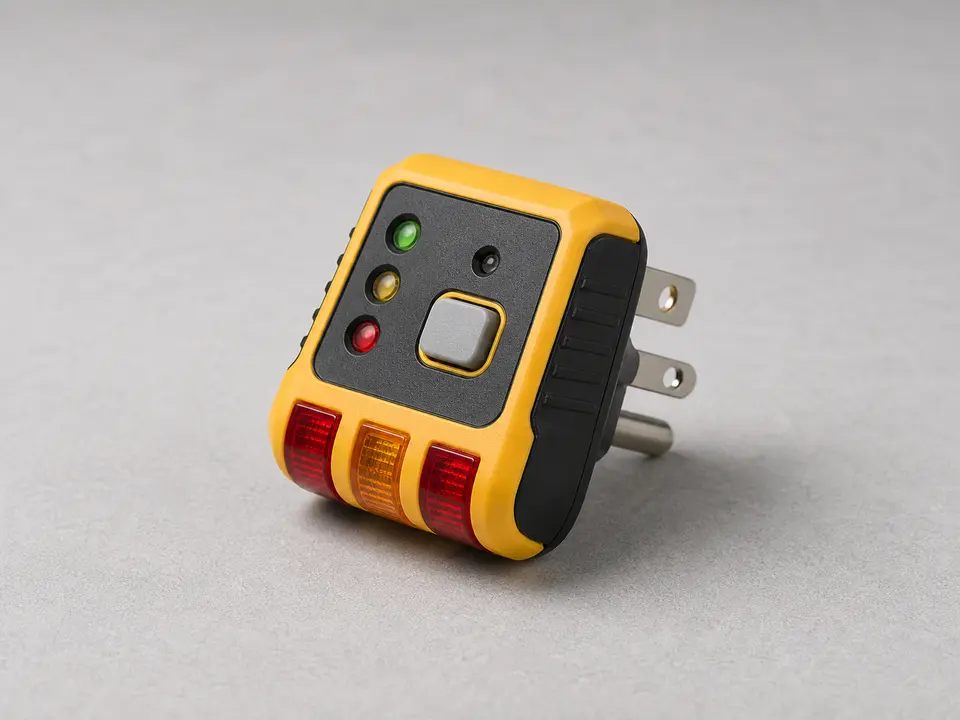
Use it for: To confirm the new outlet powers up and trips and resets properly after installation.
Shop GFCI outlet testersAs an Amazon Associate I earn from qualifying purchases. Repair Riot may earn a commission at no extra cost to you.
If it works: You have a clear reason to replace the GFCI outlet receptacle, such as physical damage, a device that will not reset, or a device that has power available but no longer works properly.
If it doesn’t: If the outlet works normally after resetting an upstream GFCI or breaker, you likely do not need to replace this receptacle.
If it works: The outlet is pulled forward and you have verified the power is off at the device and in the box.
If it doesn’t: If your tester still shows power, go back to the panel and find the correct breaker before continuing.
If it works: The old outlet is free and you know which wires were on LINE and which, if any, were on LOAD.
If it doesn’t: If you only have one cable in the box, connect that cable to the LINE side of the new device.
If it works: All wires are attached to the correct terminals on the new GFCI and the connections are neat and secure.
If it doesn’t: If the new device will not fit cleanly, fold the wires back carefully in an accordion pattern and try again without forcing sharp bends against the terminals.
If it works: The new outlet is mounted securely, the cover is on, and the device powers up without immediate tripping.
If it doesn’t: If the outlet will not reset, turn the breaker back off and recheck that the incoming power wires are on the LINE terminals, not the LOAD terminals.
If it works: The new GFCI trips and resets properly, powers the outlet as expected, and holds up during normal use.
If it doesn’t: If the new device still trips randomly or will not reset with correct wiring, the problem may be in the circuit, a downstream outlet, or moisture in the box.
Match the device style, amperage, and wiring compatibility before ordering.
As an Amazon Associate I earn from qualifying purchases. Repair Riot may earn a commission at no extra cost to you.
Common signs include a device that will not reset, trips constantly with no load, has no power even though the breaker is on, or shows physical damage like cracks, scorch marks, or loose buttons.
If the location requires GFCI protection, replacing it with a standard outlet may remove that protection. If you are not sure why the GFCI is there, replace it with another GFCI rather than downgrading the protection.
A reversed line and load connection can keep the new GFCI from resetting or make it behave incorrectly. That is why labeling or photographing the old wiring before removal matters so much.
Immediate tripping usually points to a wiring mistake, a downstream fault on the protected circuit, moisture, or a damaged cable or device elsewhere. Recheck the line and load connections first.
A plug-in GFCI tester is helpful because it gives you a quick way to confirm power and basic trip function. You should still use the built-in TEST and RESET buttons on the outlet itself.