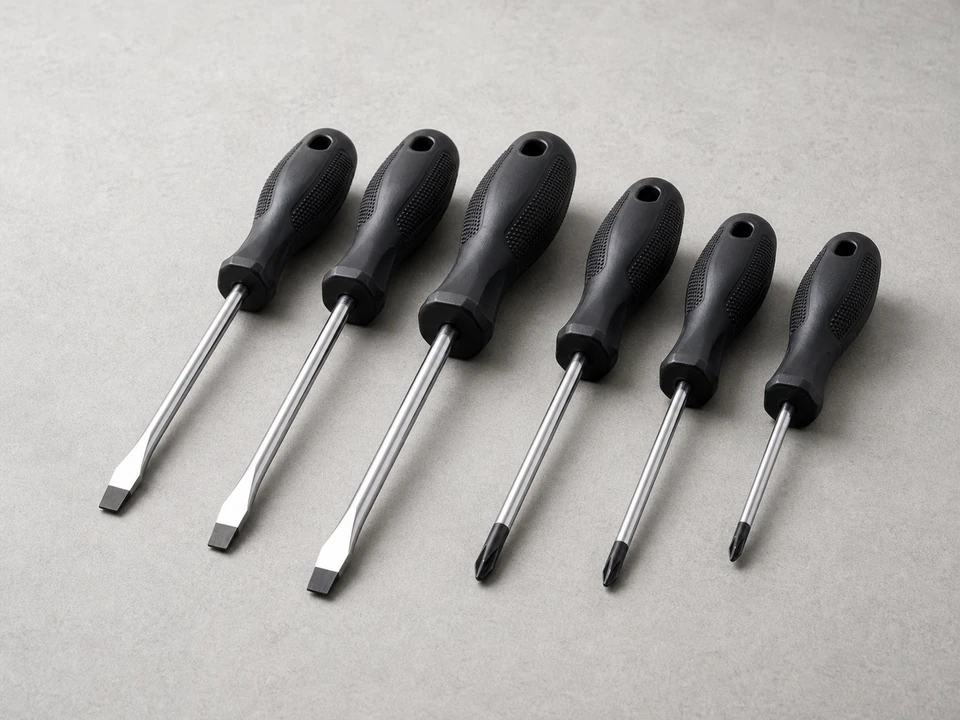
Screwdriver set
Use it for: Removes and installs the handle screw on common hose bib handles.
Shop screwdriver setsTo replace a hose bib handle repair kit, first confirm the faucet stem still turns and the body is not cracked, then remove the old handle, install a matching replacement kit, tighten it securely, and test the faucet for smooth operation and full shutoff.
This repair is usually worth doing when the handle is stripped, bent, missing, or no longer grips the stem well enough to open and close the faucet. If the faucet body is split, leaking from the wall, or the stem itself is damaged, a handle kit alone will not fix it.
Before you start: Match the handle style, screw type, stem shape, and hot or cold orientation before ordering so the new handle fits your faucet stem.
Use it for: Removes and installs the handle screw on common hose bib handles.
Shop screwdriver sets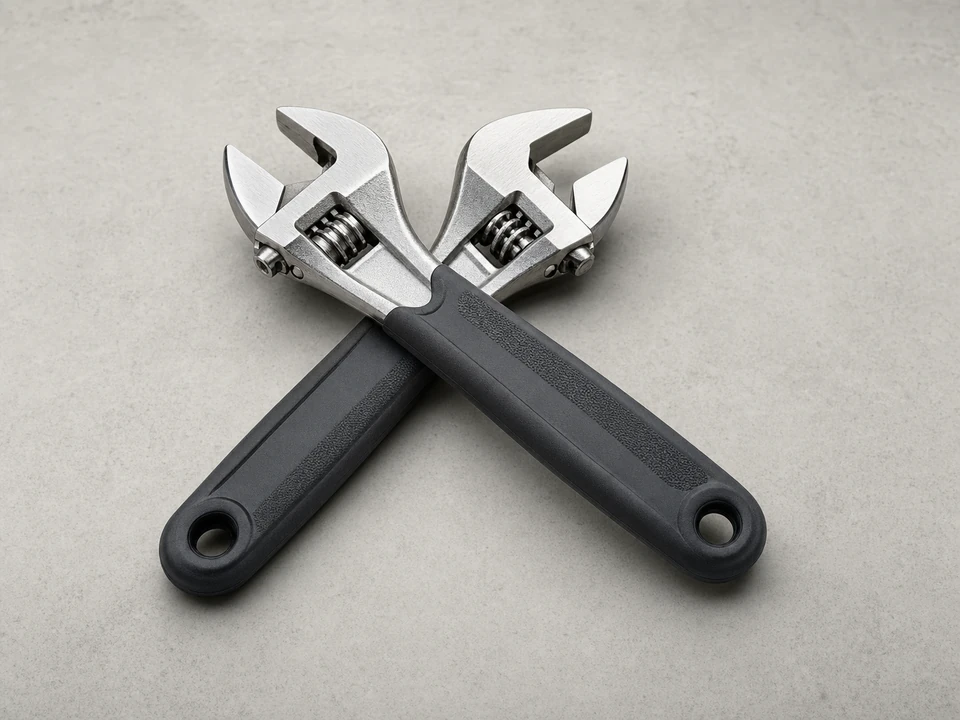
Use it for: Helps hold parts steady if the handle nut or cap is snug.
Shop adjustable wrenches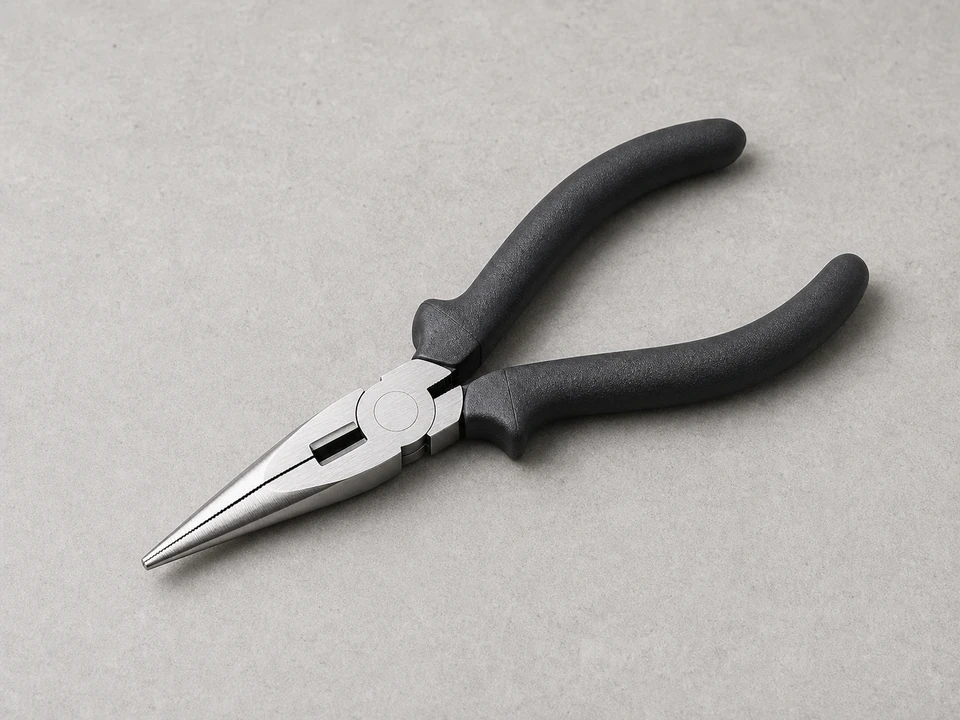
Use it for: Pulls off stubborn caps, clips, or damaged handle pieces.
Shop needle-nose pliers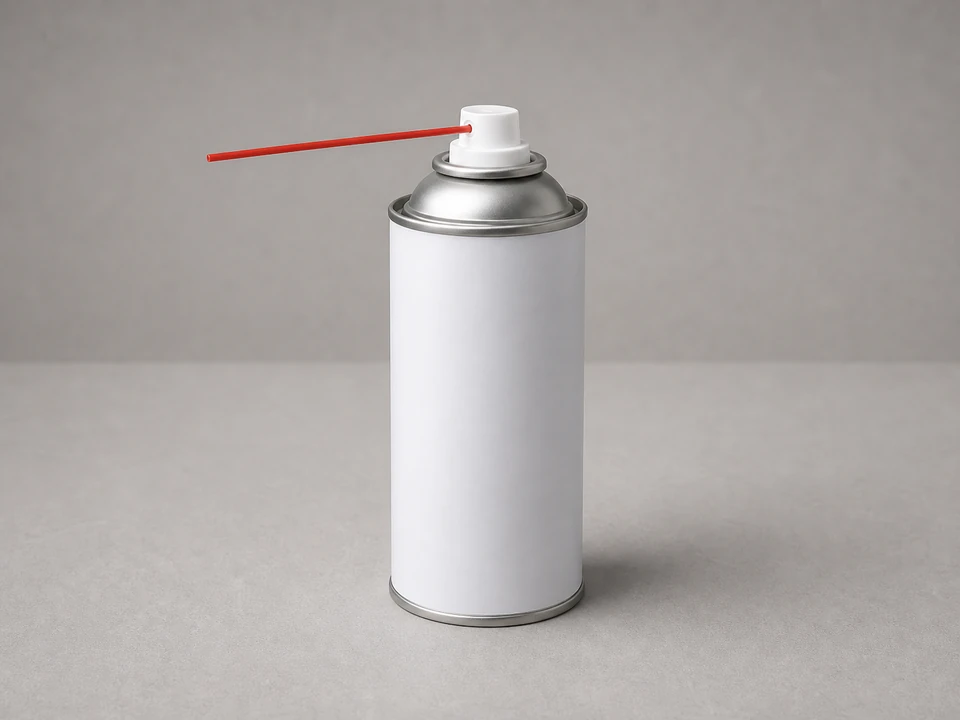
Use it for: Loosens a rusted handle screw or corroded handle connection.
Shop penetrating oil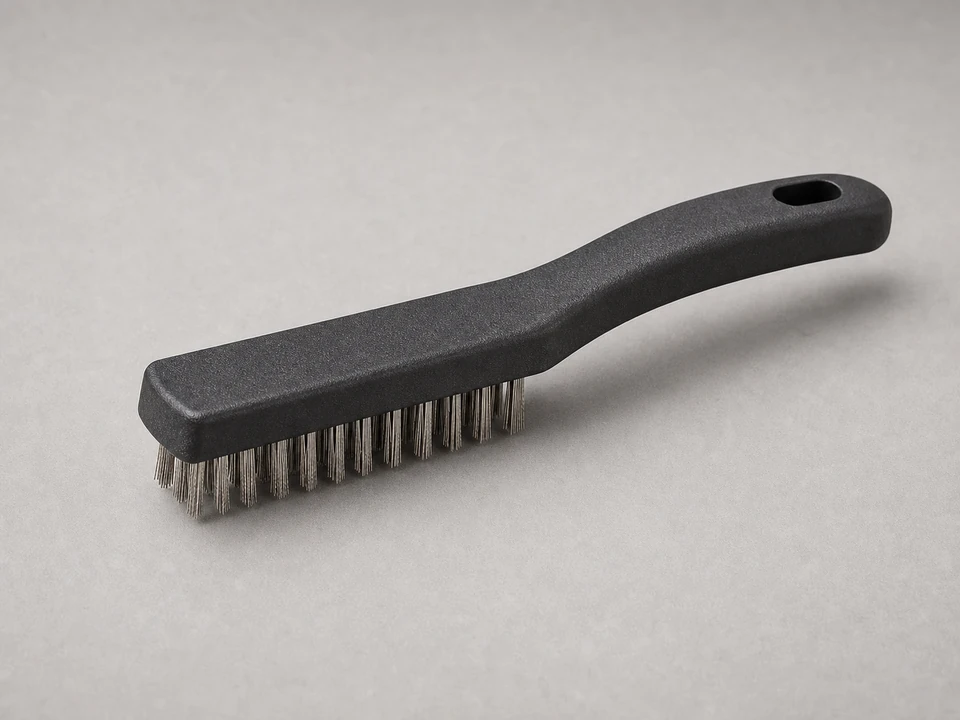
Use it for: Cleans rust and debris from the exposed stem before installing the new handle.
Shop wire brushesAs an Amazon Associate I earn from qualifying purchases. Repair Riot may earn a commission at no extra cost to you.
If it works: You have a solid faucet body and a usable stem, and the main problem is the handle assembly itself.
If it doesn’t: If the stem is stripped, seized, bent, or the faucet still leaks even when the stem is fully closed, move to a stem or full hose bib repair instead of replacing only the handle kit.
If it works: The old handle is off and the faucet stem is exposed for inspection.
If it doesn’t: If the handle will not come off, clean around the stem, add a little more penetrating oil, and work it loose slowly rather than prying hard against the faucet body.
If it works: The stem is clean and you have confirmed the new handle kit matches the faucet stem well enough to install.
If it doesn’t: If the new handle rocks, will not seat, or uses a clearly different stem pattern, stop and get a better match before forcing it on.
If it works: The new handle is mounted firmly and does not wobble on the stem.
If it doesn’t: If the handle still feels loose, remove it and check whether an adapter was missed, the handle is not fully seated, or the screw is bottoming out before clamping the handle.
If it works: The handle turns the stem smoothly through its full range without slipping or wobbling.
If it doesn’t: If the handle slips under normal hand pressure, remove it and recheck fit, adapter choice, and stem wear.
If it works: The faucet opens and closes normally, the handle stays secure, and the hose bib shuts off reliably in real use.
If it doesn’t: If the handle works but the faucet still drips or leaks around the stem, the next repair is usually the stem washer, packing, or the full hose bib.
Match the handle style, screw type, stem shape, and hot or cold orientation before ordering so the new handle fits your faucet stem.
As an Amazon Associate I earn from qualifying purchases. Repair Riot may earn a commission at no extra cost to you.
Only sometimes. If the old handle was stripped and could not fully close the stem, a new handle may restore shutoff. If the stem closes normally and the faucet still drips, the washer or internal stem parts are the more likely problem.
Match the stem connection shape, screw style, and handle orientation. Many outdoor faucet handles look similar but do not fit the same stem pattern.
Use penetrating oil, let it soak, and work the handle off gently. Clean the stem before installing the new kit. Avoid prying so hard that you twist the faucet body at the wall.
Usually yes, because you are only changing the handle on the outside of the stem. Still, stop if the stem starts coming out or the faucet body moves, because that can turn a simple repair into a leak.
The most common reasons are a mismatched handle, a missing adapter, a screw that is too long or bottoming out, or a worn stem that no longer gives the handle a solid grip.