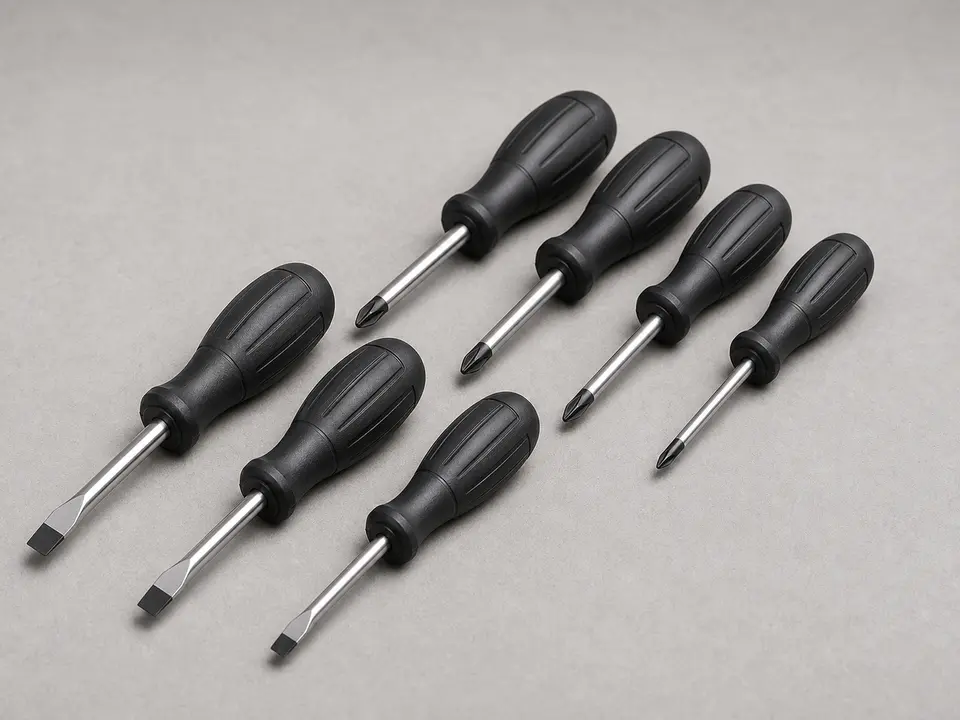
Flat and Phillips screwdriver set
Use it for: To remove the handle screw, trim cap, and any retaining screws.
Shop screwdriver setsIf your faucet leaks from the hot handle area or keeps dripping on the hot side after shutoff, replacing the hot side faucet handle packing and seal kit is a common fix.
This repair is usually straightforward if you shut off the water first, take the hot handle apart carefully, and match the new seals to the old ones. The goal is to stop leakage at the stem and restore a firm, smooth shutoff without overtightening the faucet.
Before you start: Match the old packing, washer, and stem seal shape and size to your faucet before ordering. Bring the removed parts with you or compare measurements and photos carefully.
Use it for: To remove the handle screw, trim cap, and any retaining screws.
Shop screwdriver sets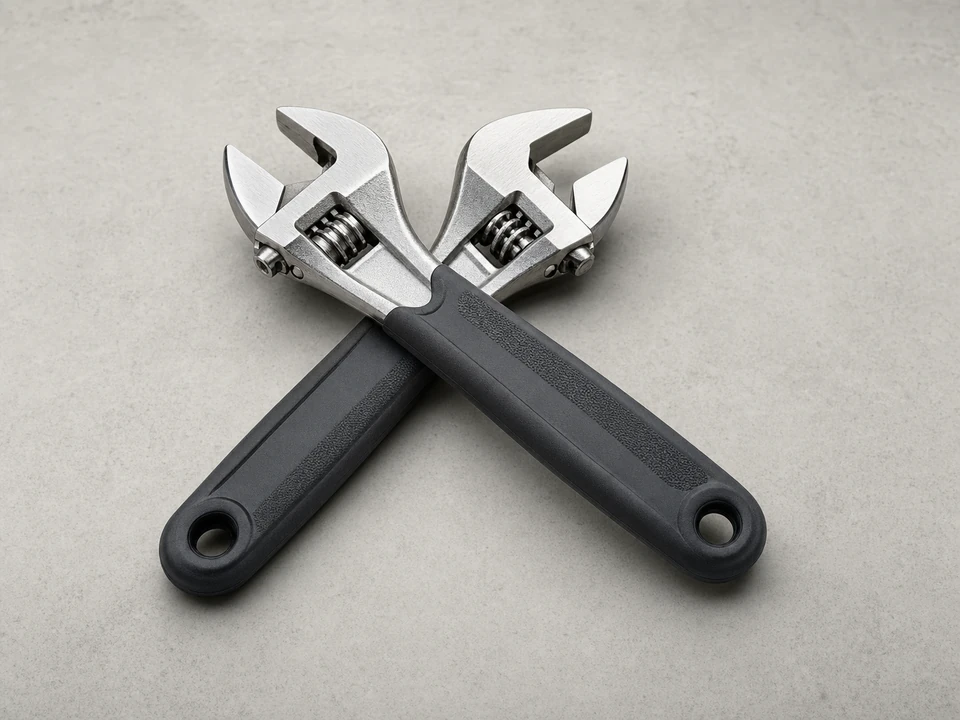
Use it for: To loosen the packing nut or stem assembly without needing exact wrench sizes.
Shop adjustable wrenches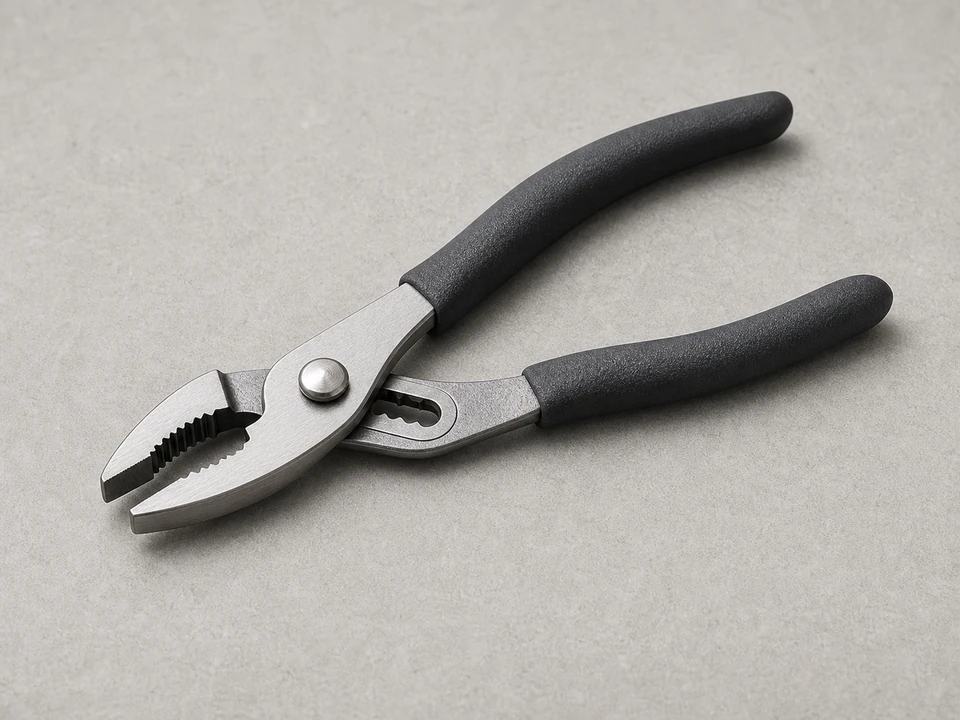
Use it for: To help hold trim pieces or turn stubborn parts gently.
Shop slip-joint pliers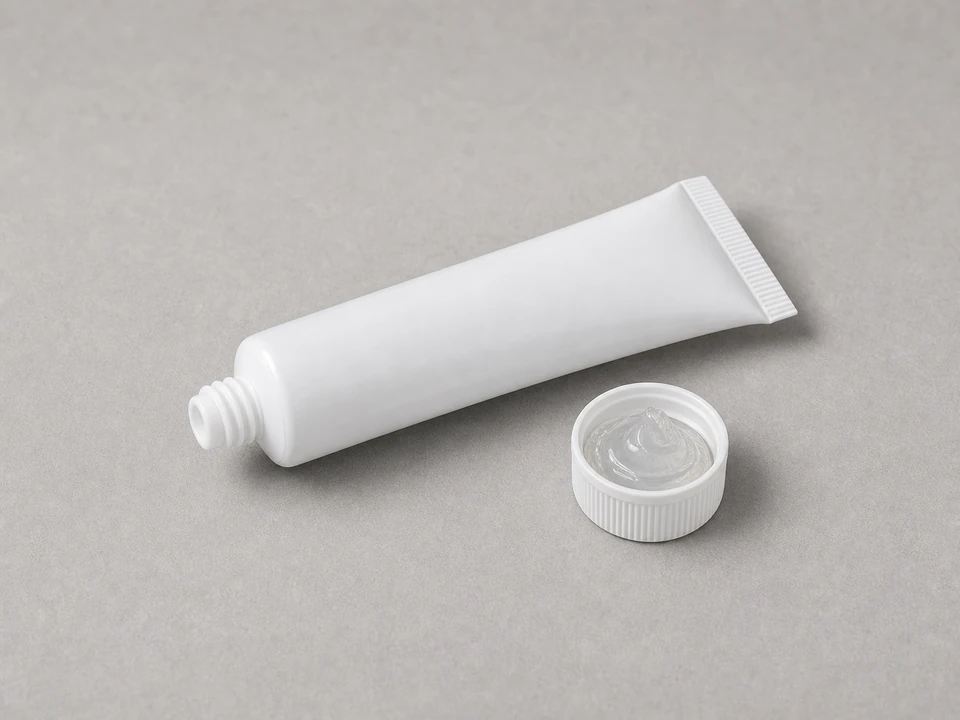
Use it for: To lightly lubricate the stem and new seals so the handle turns smoothly.
Shop plumber's grease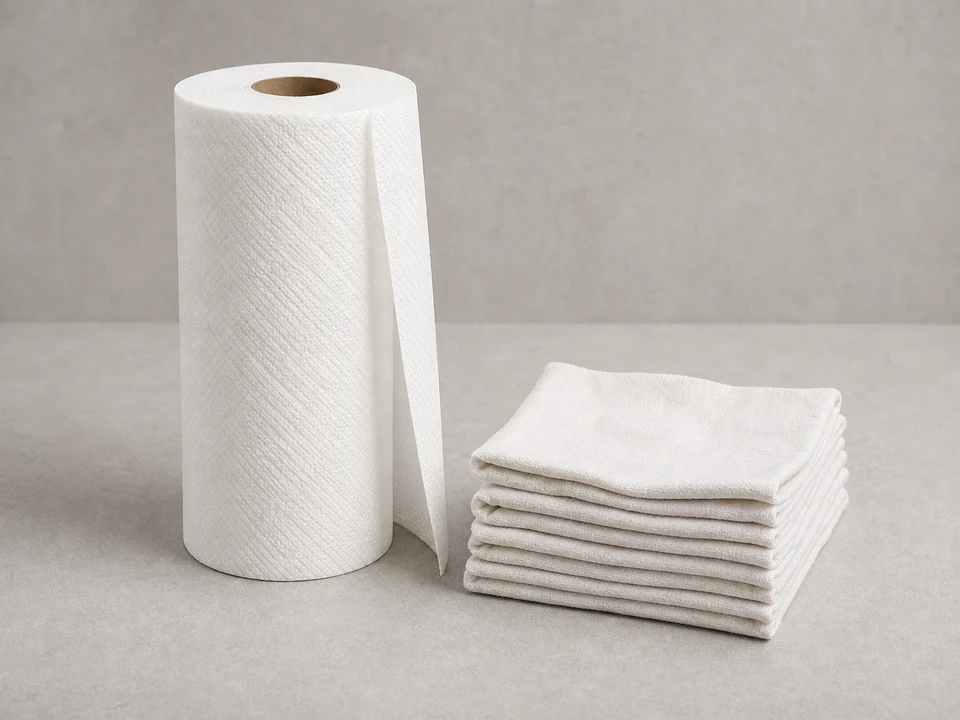
Use it for: To catch drips, wipe parts clean, and dry the area for leak checks.
Shop cleaning rags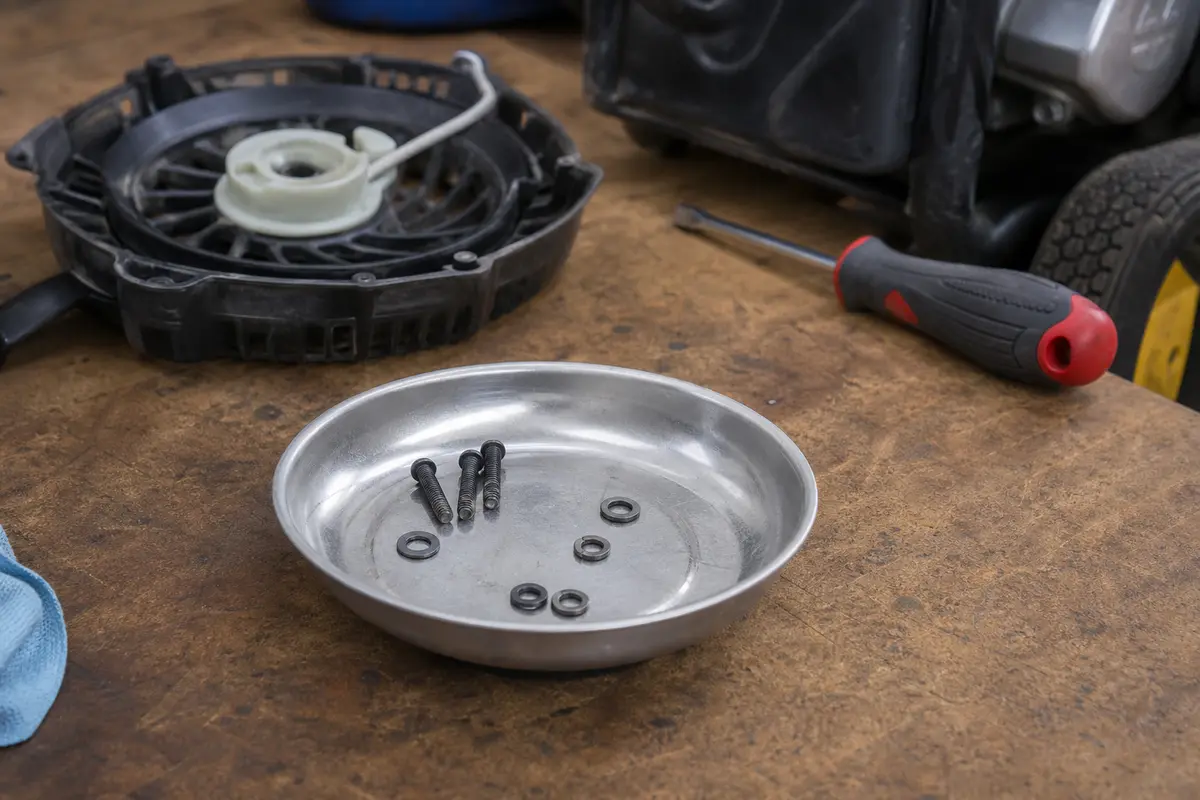
Use it for: To keep screws, caps, and trim pieces from getting lost during the repair.
Shop magnetic parts traysAs an Amazon Associate I earn from qualifying purchases. Repair Riot may earn a commission at no extra cost to you.
If it works: The leak pattern points to the hot handle stem packing or seal parts, and the faucet body looks intact enough to service.
If it doesn’t: If the leak is coming from the spout base, supply lines, or a crack in the faucet body, this is probably not the right repair path.
If it works: The water is off, pressure is relieved, and the hot handle is removed without damaging the trim.
If it doesn’t: If the handle is seized in place, apply gentle back-and-forth pressure and give yourself time rather than prying aggressively against finished surfaces.
If it works: The old hot-side packing and seal parts are out, and the stem area is clean enough for the new kit.
If it doesn’t: If the old parts break apart during removal, keep every piece you can so you can still match the replacement parts by size and profile.
If it works: The new hot-side packing and seals are installed, and the packing nut is snug and straight.
If it doesn’t: If the new parts do not match the old ones closely, pause and get a better-fitting kit before reassembling fully.
If it works: The faucet is back together, water is restored, and the hot handle turns normally without obvious leaking.
If it doesn’t: If the handle is very stiff after reassembly, back the packing nut off slightly and test again.
If it works: The hot side shuts off cleanly, the handle area stays dry, and the repair holds during real use.
If it doesn’t: If the faucet still drips from the spout or leaks at the stem after careful adjustment, the stem assembly or valve seat may also be worn and need further repair.
Match the old packing, washer, and stem seal shape and size to your faucet before ordering. Bring the removed parts with you or compare measurements and photos carefully.
As an Amazon Associate I earn from qualifying purchases. Repair Riot may earn a commission at no extra cost to you.
Packing seals around the faucet stem where it passes through the faucet body. When it wears out, water can seep around the handle area, especially while you turn the faucet on or off.
It can if the hot-side sealing parts are the reason the faucet is not shutting off fully. If the spout still drips after this repair, the stem, seat, or another internal valve part may also be worn.
Not always. If only the hot side is leaking or dripping, start there. If the cold side feels loose, leaks, or is the same age and condition, you may choose to service it as well.
Snug, not cranked down. It should be tight enough to stop seepage around the stem but loose enough that the handle still turns normally. Small adjustments work better than one big turn.
It is better to wait for the correct replacement. Old packing and seals usually do not reseal well once disturbed, and reusing them often leads to another leak soon after reassembly.