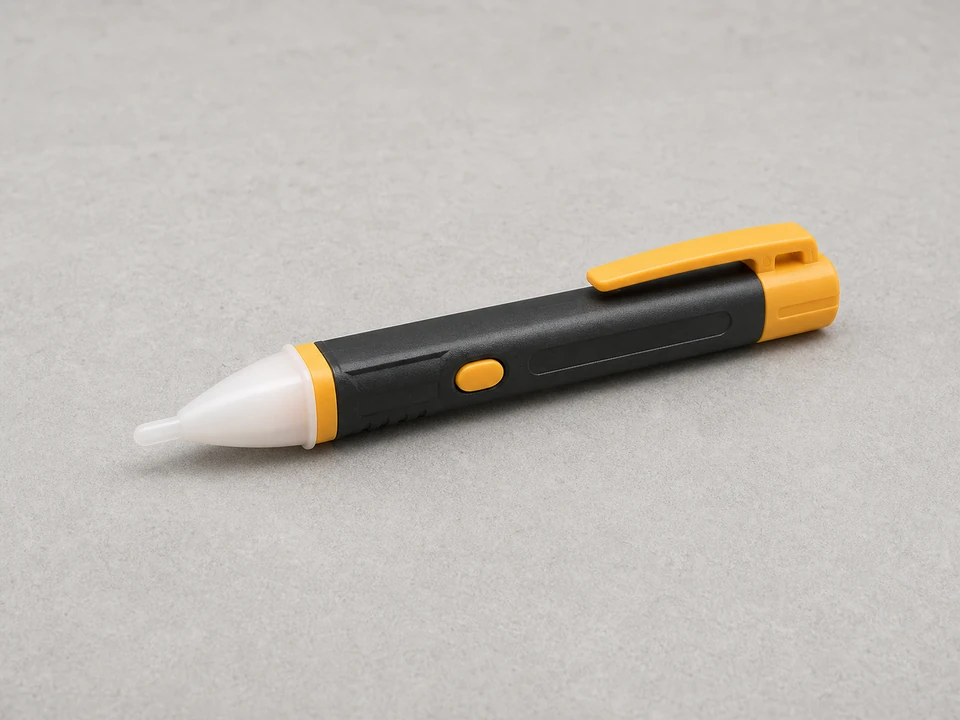
Non contact voltage tester
Use it for: To double-check that power is off before touching wiring.
Shop non-contact voltage testersTo replace a lower water heater heating element, turn off power at the breaker, confirm the tank is cool enough to work on, drain water below the lower element opening, remove the old element, install the matching replacement, then refill the tank completely before restoring power.
This is a practical repair for an electric water heater that has weak hot water, runs out of hot water too fast, or has a confirmed failed lower element. The key is doing it in the right order so you do not energize a dry element or work on a live circuit.
Before you start: Match the element style, thread size, voltage, and wattage to your water heater before ordering.
Use it for: To double-check that power is off before touching wiring.
Shop non-contact voltage testers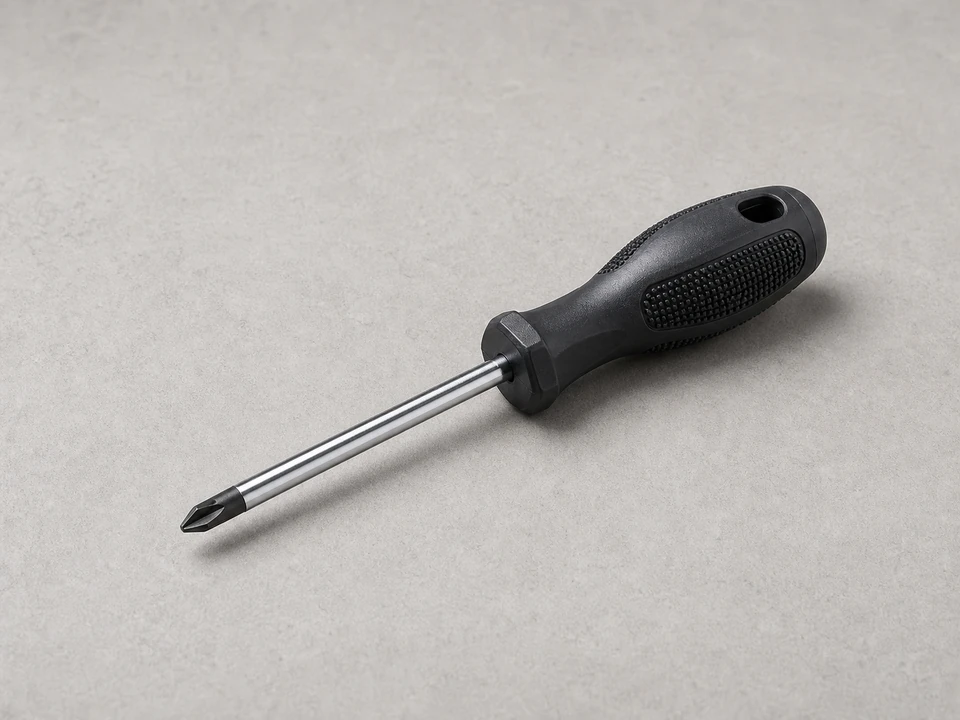
Use it for: To remove the access panel and disconnect the element wires.
Shop screwdrivers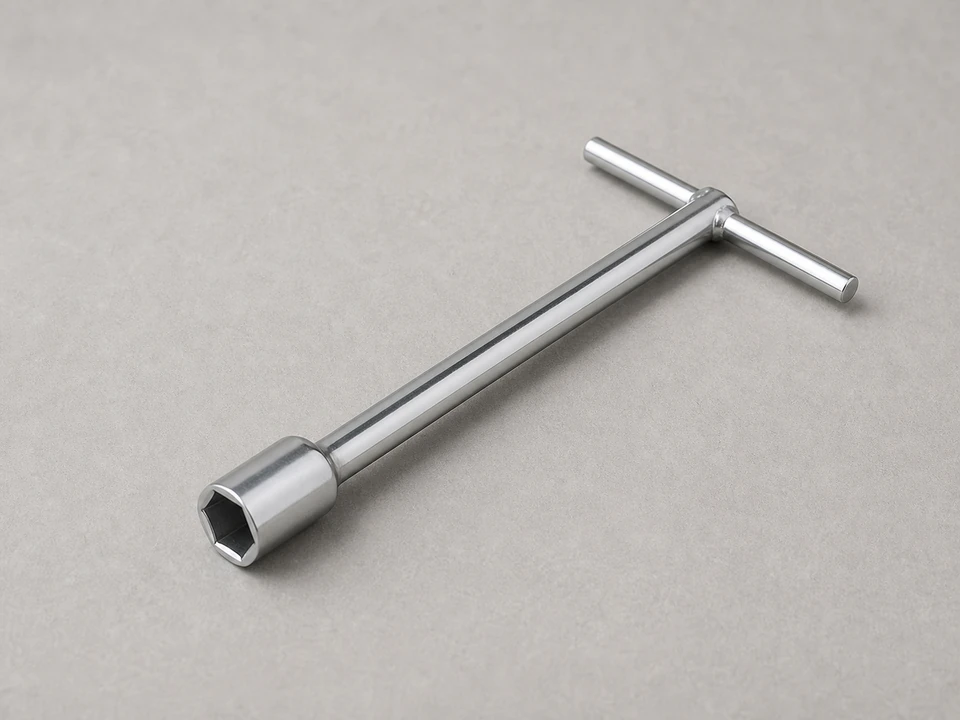
Use it for: To loosen and tighten the threaded heating element.
Shop water heater element wrenches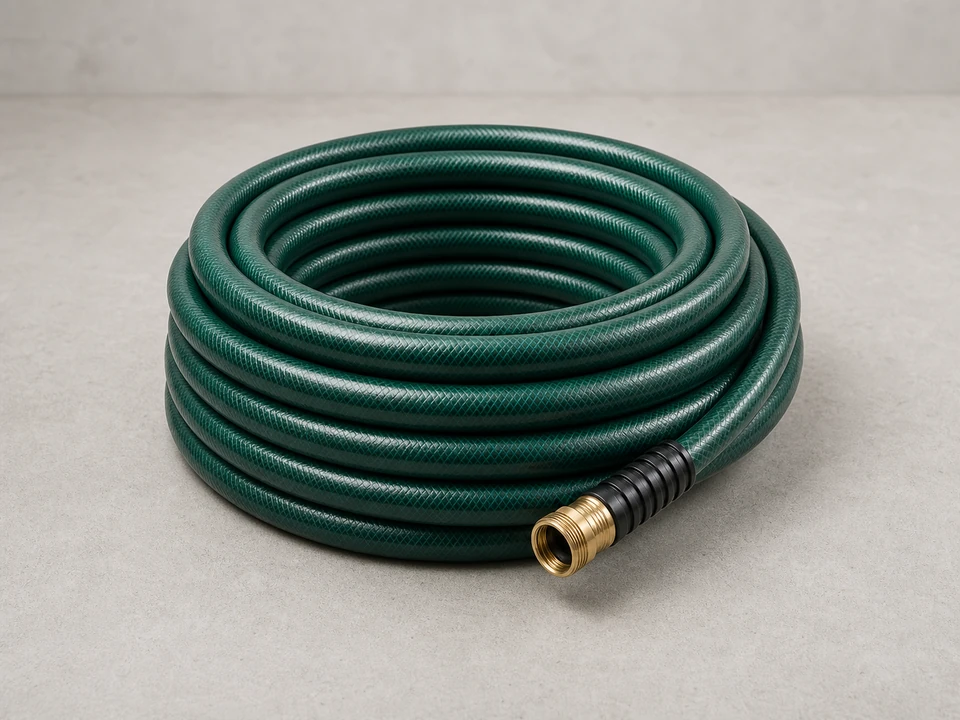
Use it for: To drain water from the tank to a safe location.
Shop garden hoses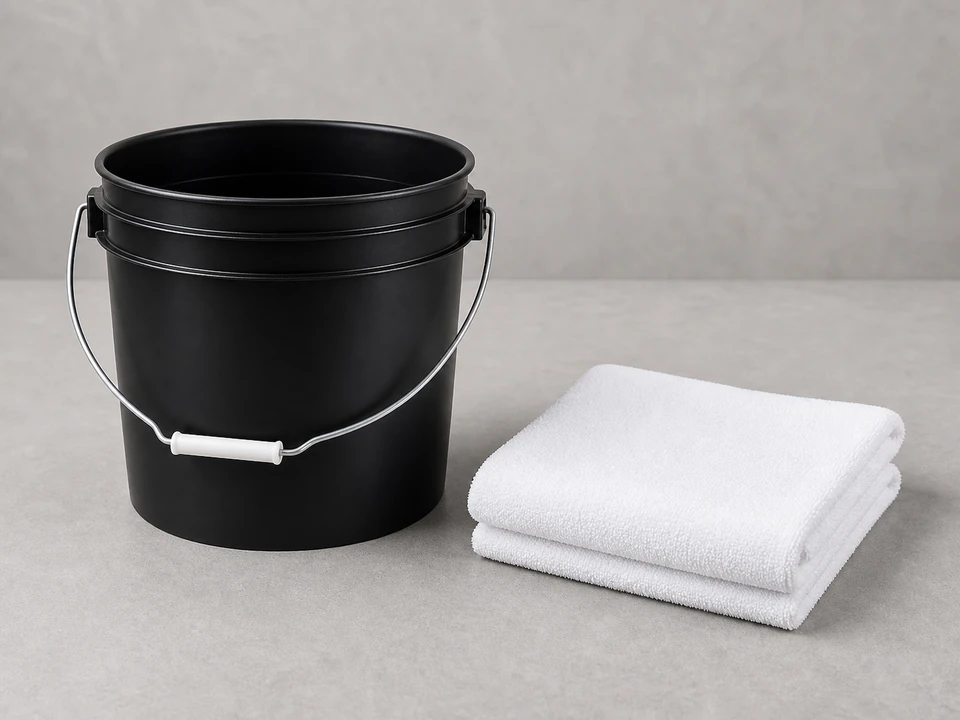
Use it for: To catch leftover water when the element comes out.
Shop buckets and towels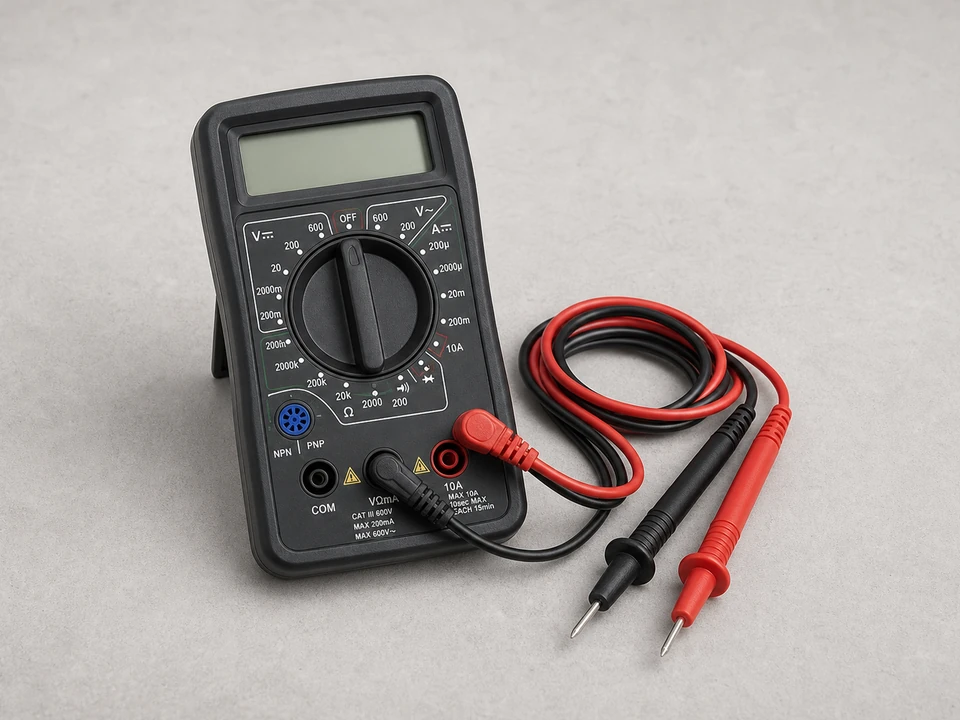
Use it for: To confirm the old element is open or shorted if you want to verify the diagnosis first.
Shop multimetersAs an Amazon Associate I earn from qualifying purchases. Repair Riot may earn a commission at no extra cost to you.
If it works: The symptoms and any testing you did point to a failed lower water heater heating element.
If it doesn’t: If there is no hot water at all, the problem may be the upper element, thermostat, power supply, or a reset issue instead of the lower element.
If it works: Power is off, pressure is relieved, and the tank is safe to drain below the lower element.
If it doesn’t: If the water is still very hot, give the tank more time to cool before opening the drain or removing the element.
If it works: Water has drained below the lower element and the work area is exposed.
If it doesn’t: If water keeps flowing from the element area later, close the drain, reopen the supply briefly to flush sediment, then drain again until the level is lower.
If it works: The old lower element is out and the opening is ready for the replacement.
If it doesn’t: If the element is stuck, apply steady pressure with the element wrench and avoid twisting the tank or bending nearby parts.
If it works: The new element is installed squarely, tightened, and wired back in place.
If it doesn’t: If the new element will not thread in smoothly by hand, back it out and realign it before tightening.
If it works: The tank is full, the new element is not leaking, and power has been restored safely.
If it doesn’t: If you still hear air spitting from the hot faucet, keep purging until the flow is steady before turning power back on.
If it works: Hot water recovery is back to normal, the breaker stays on, and the element area remains dry.
If it doesn’t: If hot water is still weak or short-lived, test the upper element and thermostats next or have the heater diagnosed further.
Match the element style, thread size, voltage, and wattage to your water heater before ordering.
As an Amazon Associate I earn from qualifying purchases. Repair Riot may earn a commission at no extra cost to you.
Usually no. You only need to lower the water level below the lower element opening. In practice, that still may be a fair amount of water, but not always a full tank.
A dry-fired element can burn out very quickly. Always refill the tank completely and purge air from a hot faucet before restoring power.
A failed lower element often gives you some hot water at first, then it runs out fast. If you have no hot water at all, the upper element, thermostat, reset, or power supply may be the better place to check first.
Yes, if testing or symptoms point clearly to one failed element. If the other element is old too, some homeowners choose to replace both while the heater is already opened up.
The usual causes are a misaligned gasket, cross-threading, debris on the sealing surface, or not tightening the element enough. Shut power off, lower the water level again, and correct the fit before reheating the tank.