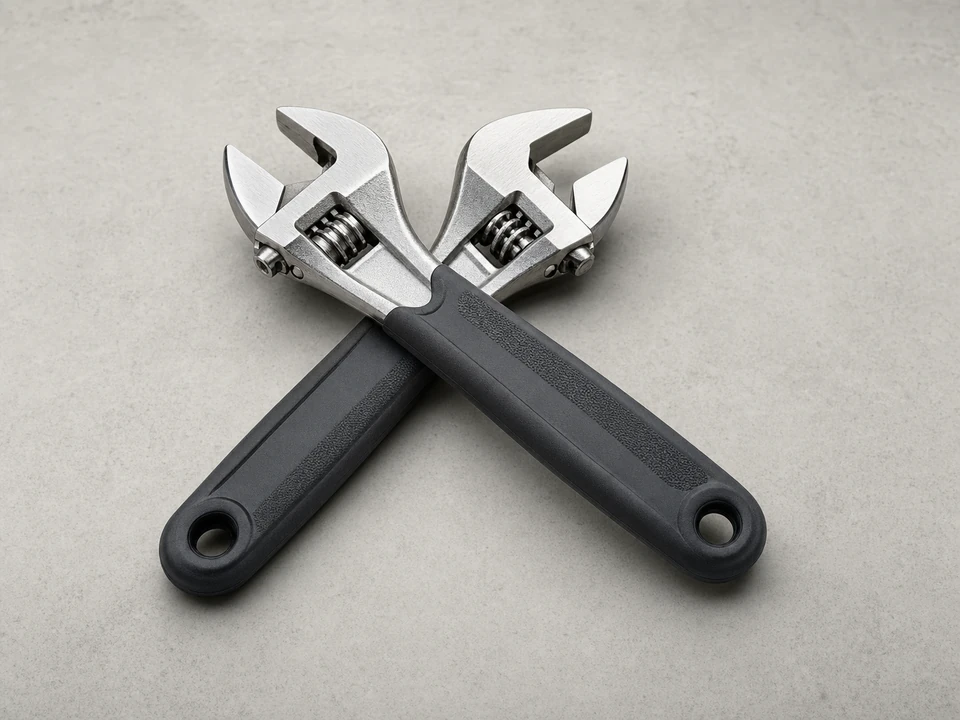
Adjustable wrench
Use it for: To loosen and tighten supply line nuts and some valve connections.
Shop adjustable wrenchesReplace the multi turn angle shutoff valve if it will not fully close, leaks around the stem or body, or drips from the outlet even after tightening the connected supply line.
This is a manageable homeowner repair when the valve is exposed and the pipe is in good shape. The key is shutting off the main water, matching the new valve to the existing pipe and outlet, and checking carefully for leaks after the water is back on.
Before you start: Match the pipe connection type, outlet size, and shutoff orientation before ordering.
Use it for: To loosen and tighten supply line nuts and some valve connections.
Shop adjustable wrenches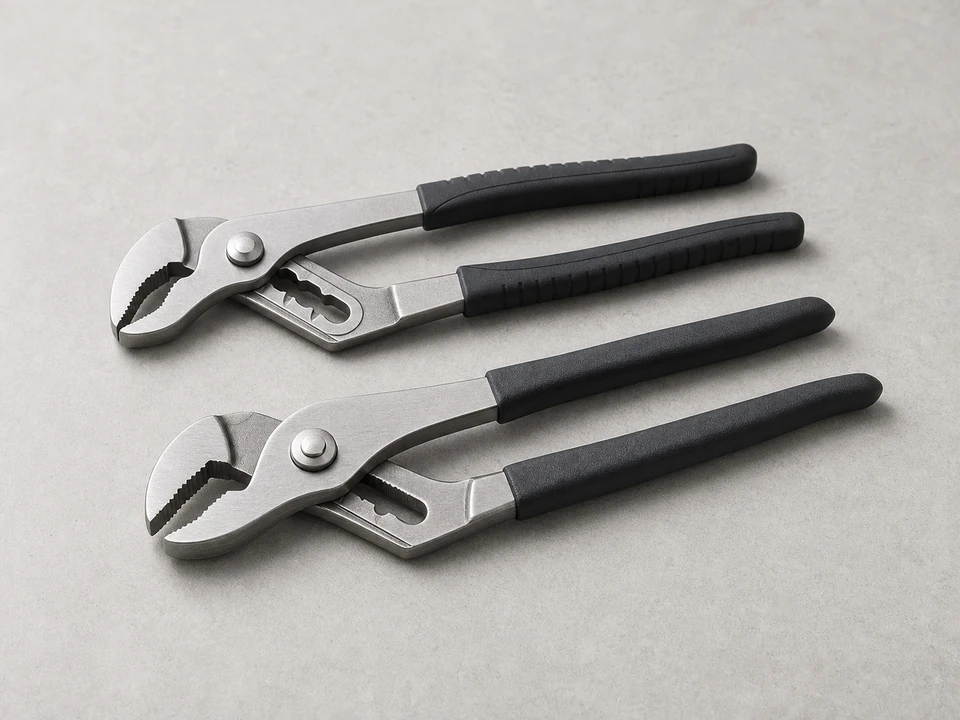
Use it for: To hold the valve body or compression nut while you work.
Shop tongue-and-groove pliers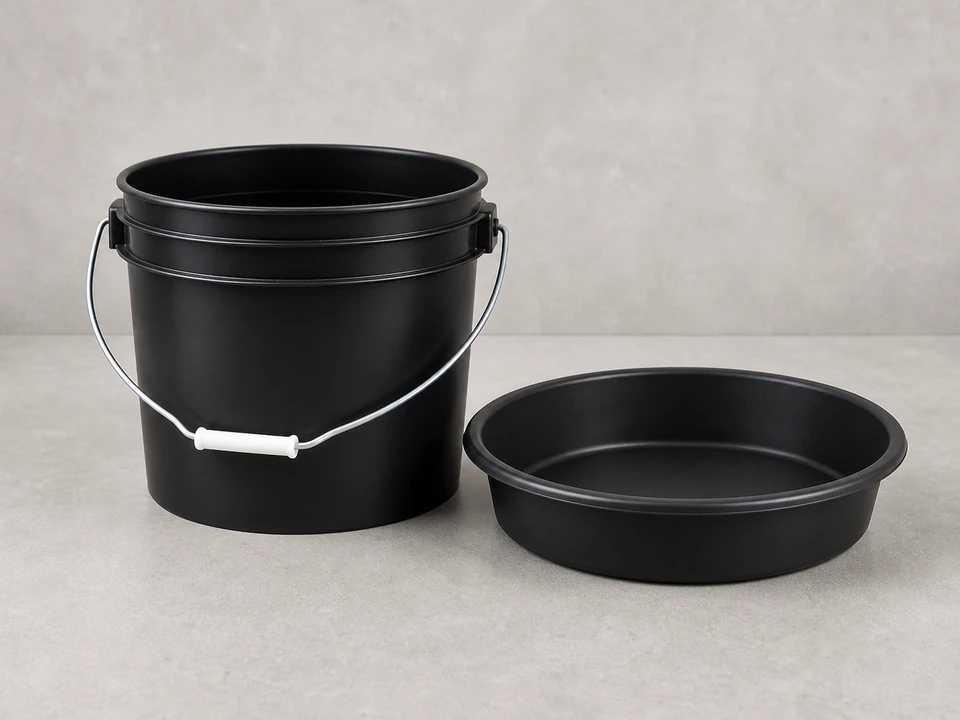
Use it for: To catch water left in the line when the old valve comes off.
Find a drain pan or bucket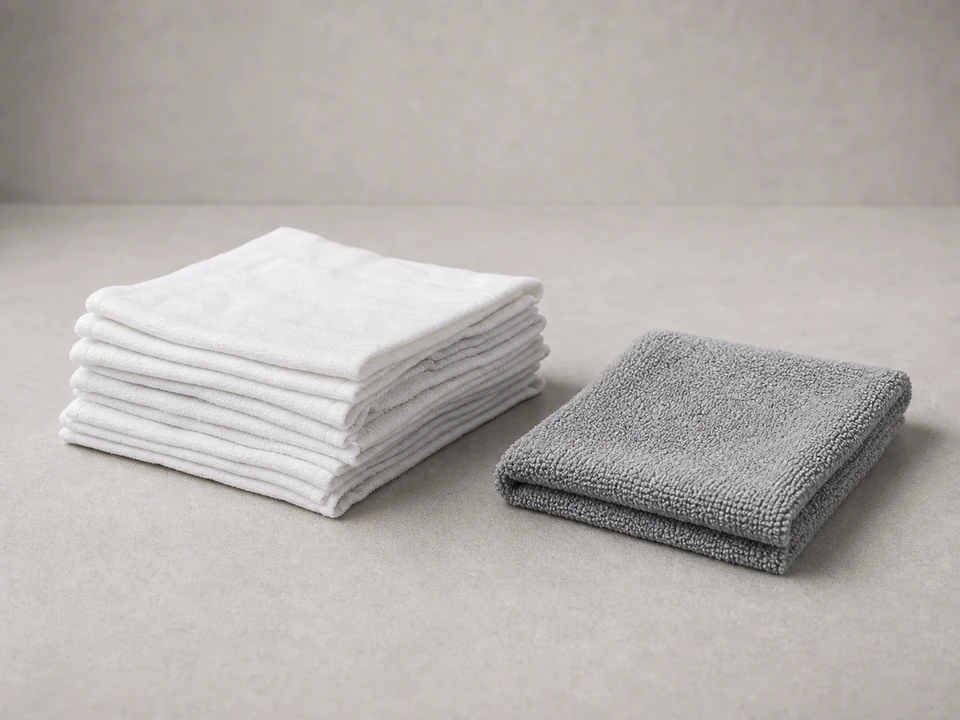
Use it for: To protect the cabinet or floor and wipe joints dry for leak checks.
Shop absorbent shop towels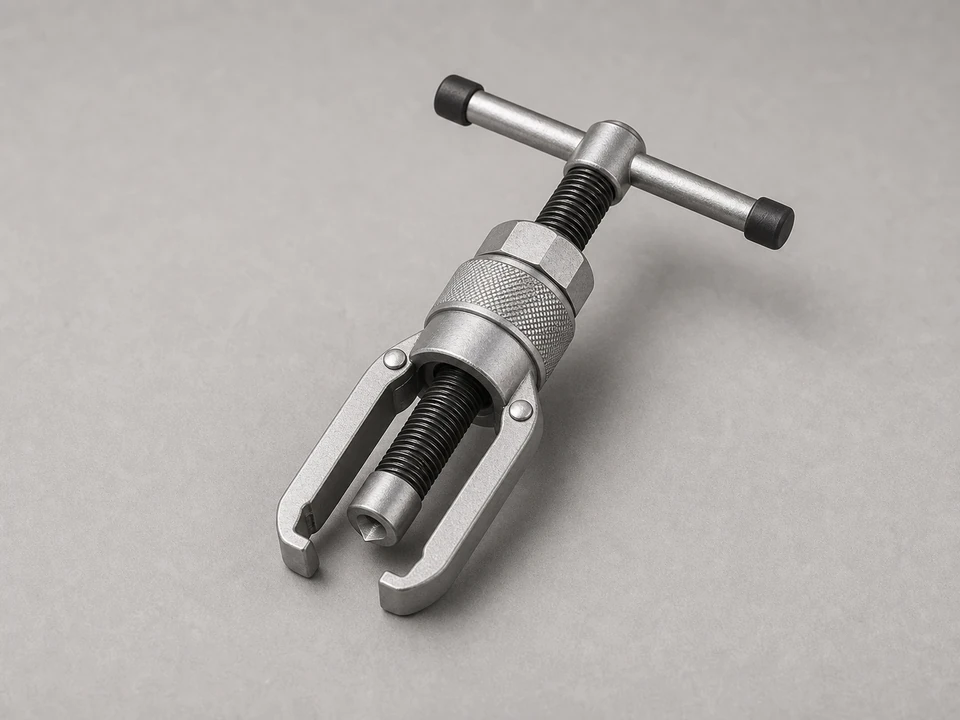
Use it for: To remove an old compression ferrule if the new valve will not fit over it.
Find a compression sleeve puller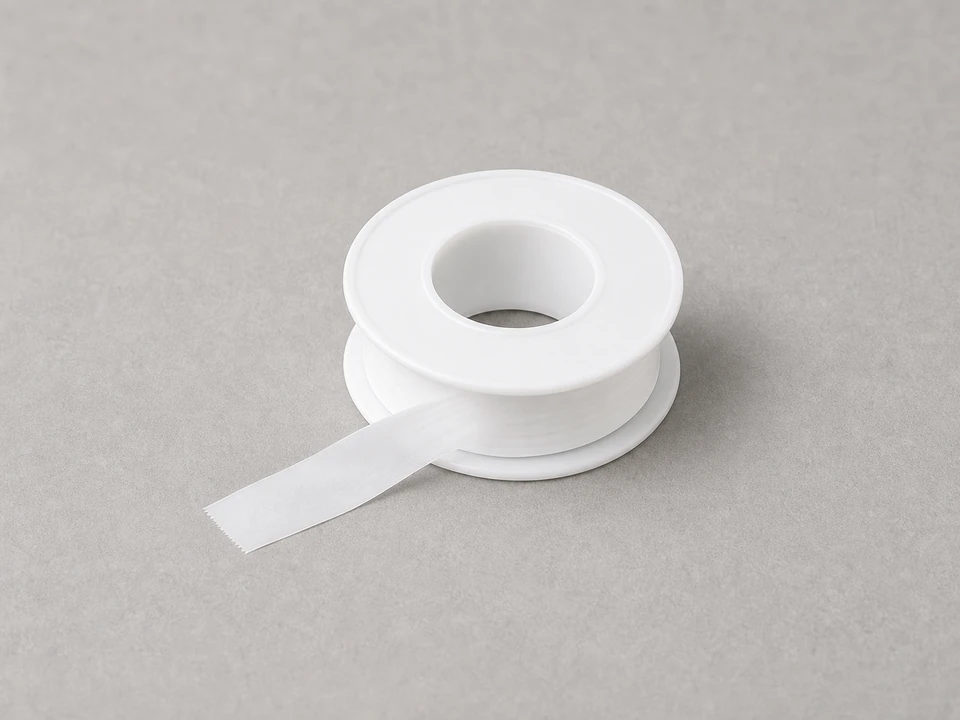
Use it for: Useful only on threaded pipe connections, not on compression threads.
Shop PTFE thread seal tapeAs an Amazon Associate I earn from qualifying purchases. Repair Riot may earn a commission at no extra cost to you.
If it works: You have confirmed the valve itself is the problem and you have a matching replacement ready.
If it doesn’t: If the leak is only from the supply line nut or the fixture connector, try replacing or tightening that connection first instead of changing the valve.
If it works: Water flow has stopped and the line is drained enough to remove the old valve with only a small spill.
If it doesn’t: If water keeps running steadily after the main is shut off, the main shutoff may not be closing fully and this repair should wait until that is handled.
If it works: The old valve is off and the pipe end is exposed, clean, and ready to inspect.
If it doesn’t: If the old compression sleeve and nut are in good shape and the new compression valve is designed to reuse them, you may be able to leave them in place. Otherwise remove them carefully with a sleeve puller.
If it works: The new valve is mounted squarely, feels secure, and is pointed in a usable direction for the supply line.
If it doesn’t: If the valve will not seat fully or the nut will not start cleanly, remove it and recheck the connection type, ferrule position, and pipe condition before trying again.
If it works: Water is back on, the fixture receives water normally, and no moisture appears at the inlet, outlet, or stem.
If it doesn’t: If you see a slow drip at a compression connection, try a small additional tightening adjustment while supporting the valve body. Then dry it again and recheck.
If it works: The new valve opens and closes properly, the fixture works normally, and the area stays completely dry.
If it doesn’t: If the valve still will not shut off fully or a slow leak returns, the connection may be mismatched or the pipe may need additional repair.
Match the pipe connection type, outlet size, and shutoff orientation before ordering.
As an Amazon Associate I earn from qualifying purchases. Repair Riot may earn a commission at no extra cost to you.
If water is coming from the valve body, stem, or the valve will not shut off completely, replace the valve. If the leak is only at the supply line connection or along the hose itself, the supply line may be the real problem.
Sometimes, yes, if the new valve is made to fit them and they are in good condition. If they are damaged, badly corroded, or the new valve does not fit cleanly, remove them and use the new parts that came with the valve.
Only on threaded pipe connections where tape is appropriate. Do not put tape on compression threads because the seal is made by the ferrule, not the threads.
That is usually beyond a simple valve swap. A short, split, or badly corroded stub-out may need pipe repair inside the wall or a different fitting approach.
It is often a smart idea if the supply line is old, stiff, corroded, or was leaking before. A fresh valve and a worn-out supply line are not a great combination.