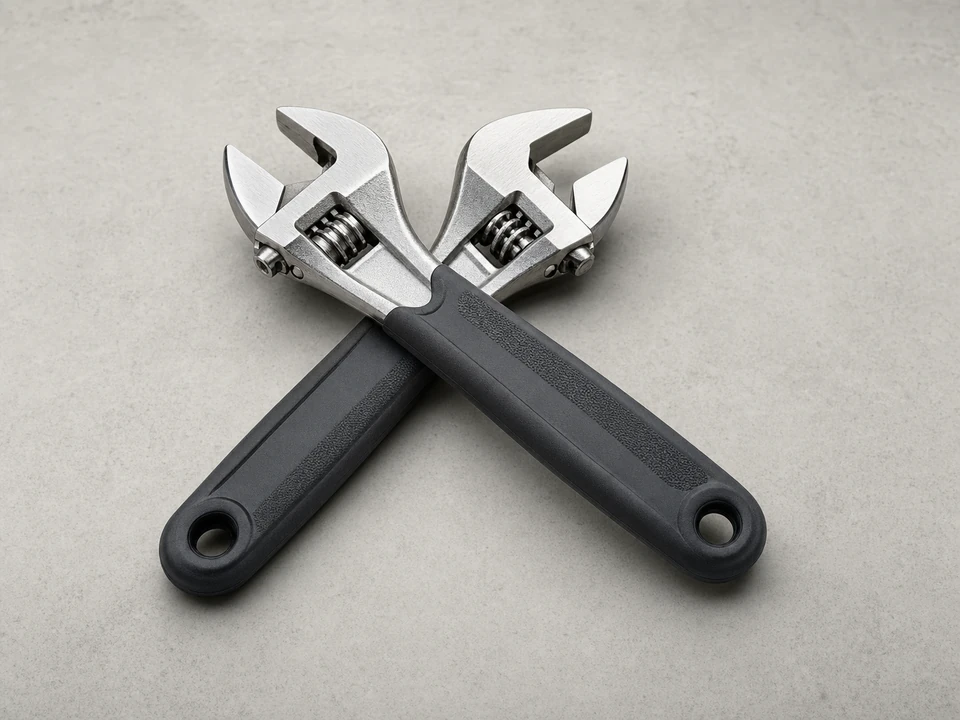
Adjustable wrench
Use it for: To loosen and tighten hose connections under the sink.
Shop adjustable wrenchesIf your pull-down faucet leaks from the hose, snags badly, or drips under the sink when you use the sprayer, replacing the pull down faucet sprayer hose is usually a straightforward repair.
Most homeowners can do this with basic hand tools in under an hour. The key is confirming the hose is the actual leak point, then matching the replacement hose to your faucet's connection style and length.
Before you start: Match the hose length, connection style, and faucet compatibility before ordering.
Use it for: To loosen and tighten hose connections under the sink.
Shop adjustable wrenches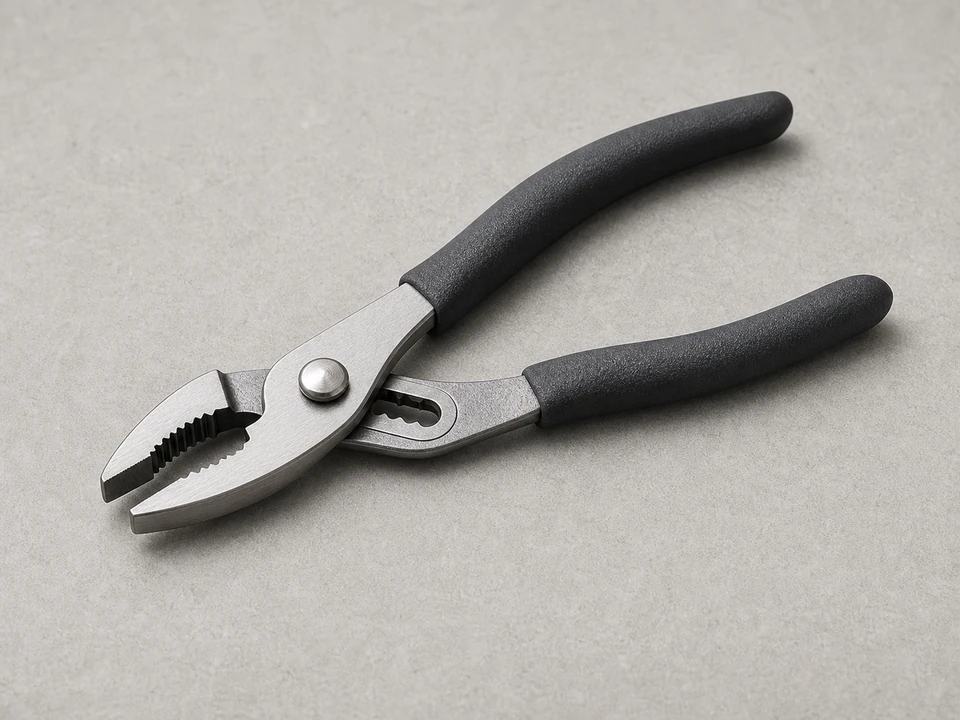
Use it for: To hold fittings or remove clips without rounding parts off.
Shop slip-joint pliers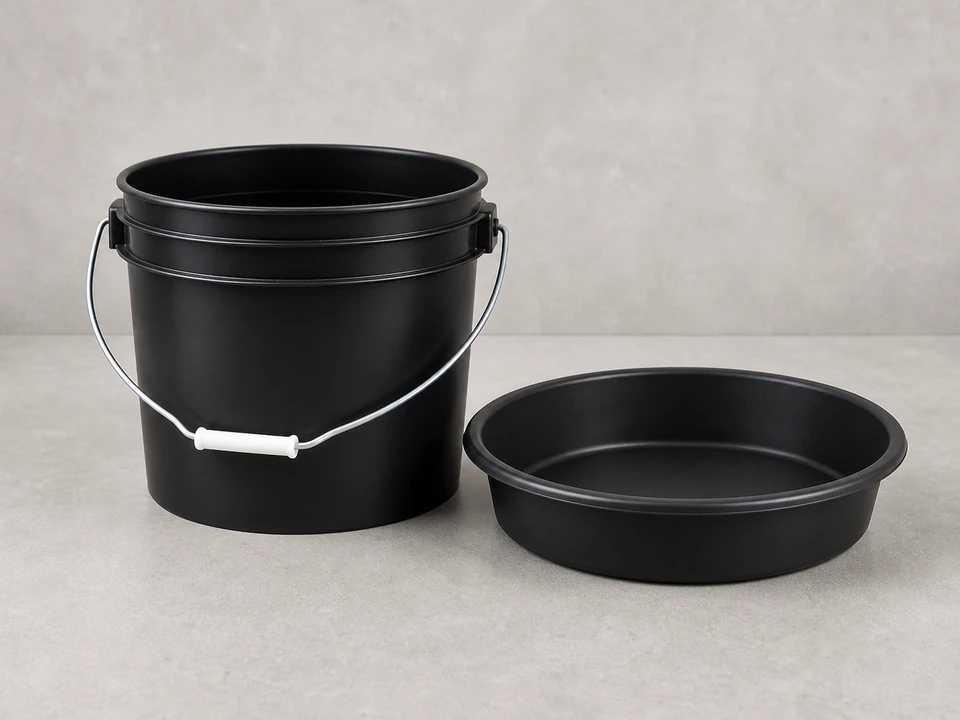
Use it for: To catch the water left in the hose when you disconnect it.
Find a drain pan or bucket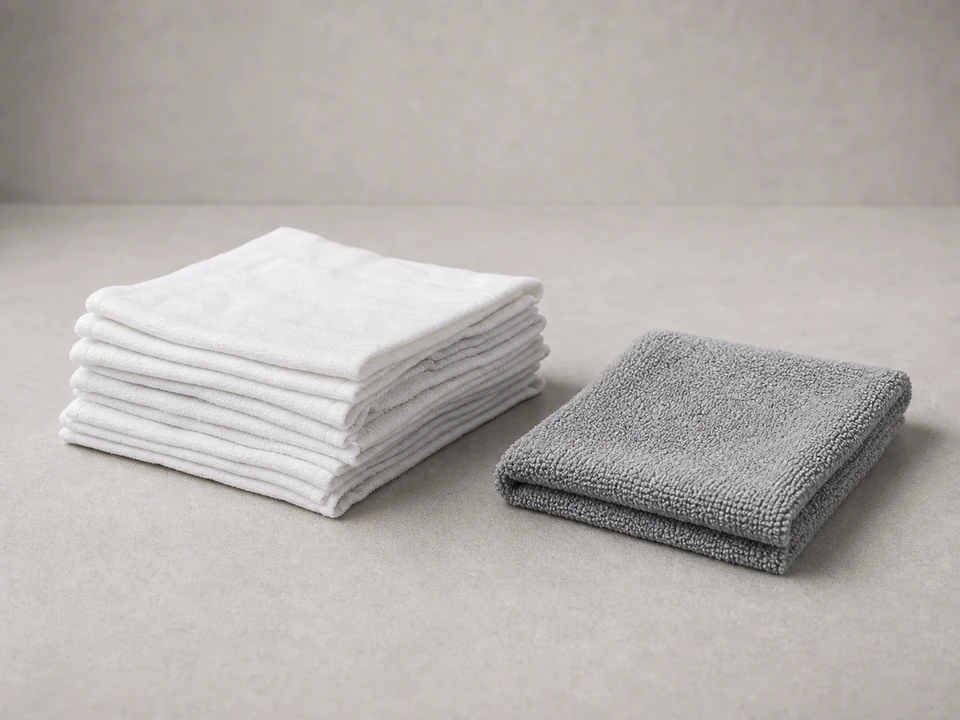
Use it for: To wipe up water and help spot fresh leaks during testing.
Shop absorbent shop towels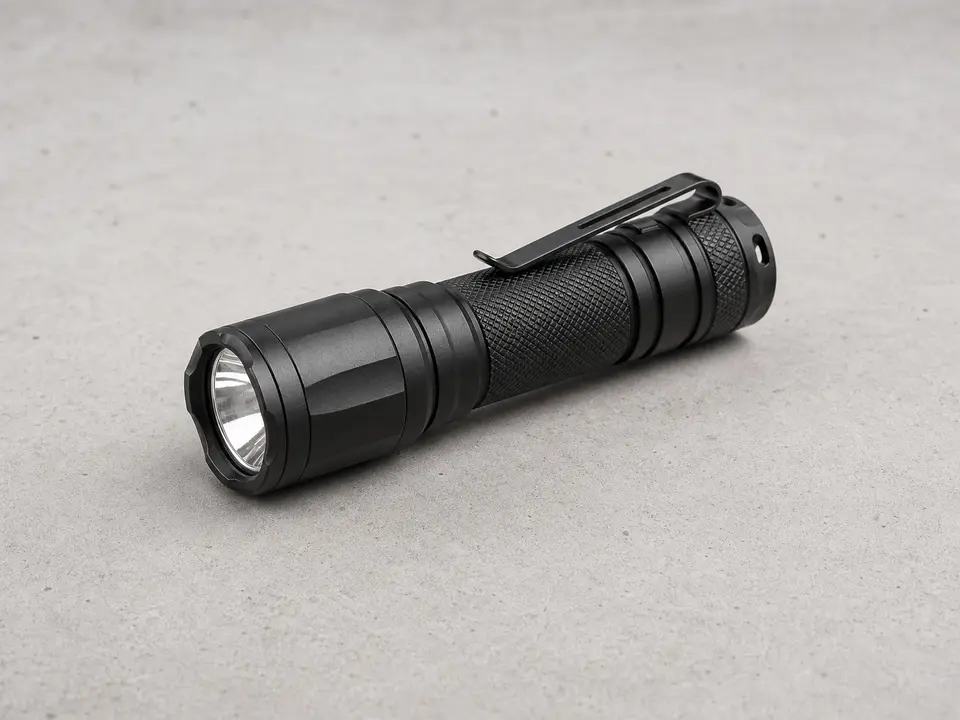
Use it for: To see the hose routing, clips, and connection points under the sink.
Find a work flashlightAs an Amazon Associate I earn from qualifying purchases. Repair Riot may earn a commission at no extra cost to you.
If it works: You have confirmed the hose itself or its hose-end connection is leaking, damaged, or badly worn.
If it doesn’t: If the leak is coming from the faucet body, spray head, shutoff valve, or supply line instead, this is the wrong repair path.
If it works: The water is off, pressure is relieved, and the work area is ready for a wet connection to be opened.
If it doesn’t: If one shutoff valve will not turn or does not stop the water, stop here until the valve issue is handled.
If it works: The old hose is fully removed and you know where the weight and connections belong.
If it doesn’t: If the hose will not come free, look again for a hidden clip, locking tab, or a second connection point higher up on the faucet assembly.
If it works: The new hose is installed, connected securely, and routed without kinks.
If it doesn’t: If the new hose does not match the old hose connections or length closely enough to install cleanly, return it and get the correct replacement.
If it works: There are no leaks at the hose connections, and the sprayer extends and retracts smoothly.
If it doesn’t: If a connection drips, shut the water back off and reseat the clip, reconnect the quick-connect, or retighten the threaded fitting carefully.
If it works: The faucet works normally, the sprayer retracts well, and the area under the sink stays dry in real use.
If it doesn’t: If the hose still snags or a leak returns, recheck the weight position, hose routing, and whether the replacement hose is truly the correct fit for the faucet.
Match the hose length, connection style, and faucet compatibility before ordering.
As an Amazon Associate I earn from qualifying purchases. Repair Riot may earn a commission at no extra cost to you.
If water leaks under the sink when you use the sprayer, or you can see a split or worn spot on the hose, the hose is the likely problem. If the leak is only at the nozzle end above the sink, the spray head may be the issue instead.
Usually no. Most of the time you reuse the existing weight unless the new hose kit includes a replacement or the old weight is broken.
Sometimes, but only if the connection style, length, and faucet compatibility match. Many pull-down hoses look similar but use different fittings.
Only if the replacement instructions for that connection call for it. Many faucet hose connections seal with washers, O-rings, or quick-connect fittings and do not use tape.
The hose weight may be in the wrong spot, the hose may be twisted, or something under the sink may be blocking its travel. Recheck the routing and weight position.