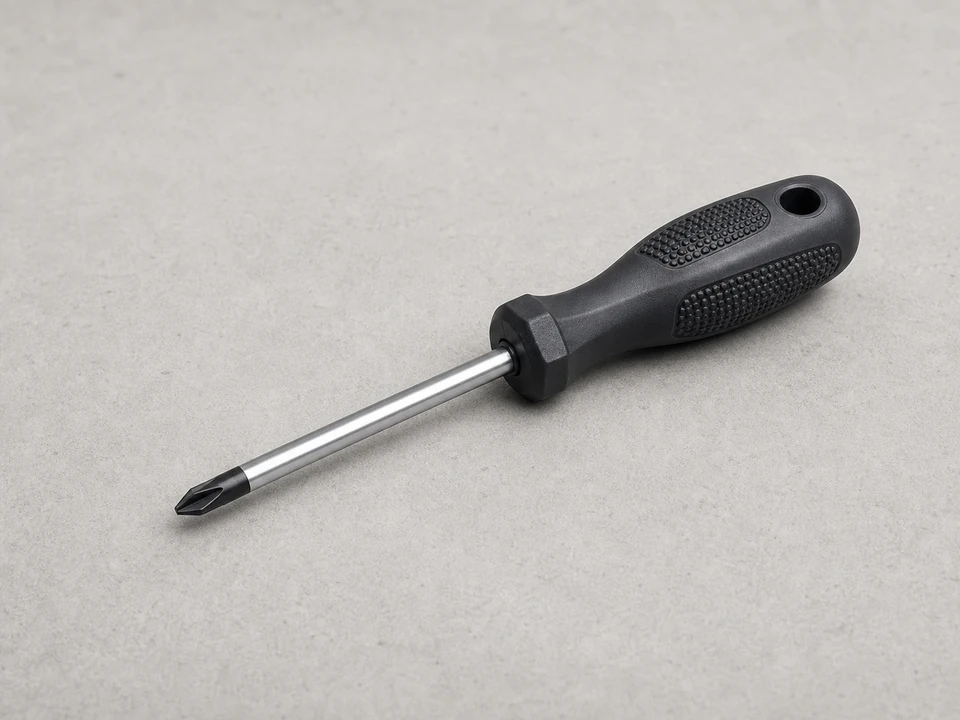
Phillips screwdriver
Use it for: Removes control panel, back panel, or top-access screws on many ranges.
Shop Phillips screwdriversTo replace a range burner ignition switch, first confirm one burner control is causing the bad clicking or no-spark problem, then disconnect power, open the control area, transfer the wires to the new switch one at a time, reassemble, and test each burner.
This repair is usually worth doing when one burner knob causes constant clicking, clicks only in the wrong positions, or fails to trigger spark when turned to light. The job is straightforward, but you need to work carefully around sharp metal edges and live ignition wiring, so unplug the range before opening anything.
Before you start: Match the switch style, terminal layout, shaft fit, and your range model compatibility before ordering.
Use it for: Removes control panel, back panel, or top-access screws on many ranges.
Shop Phillips screwdrivers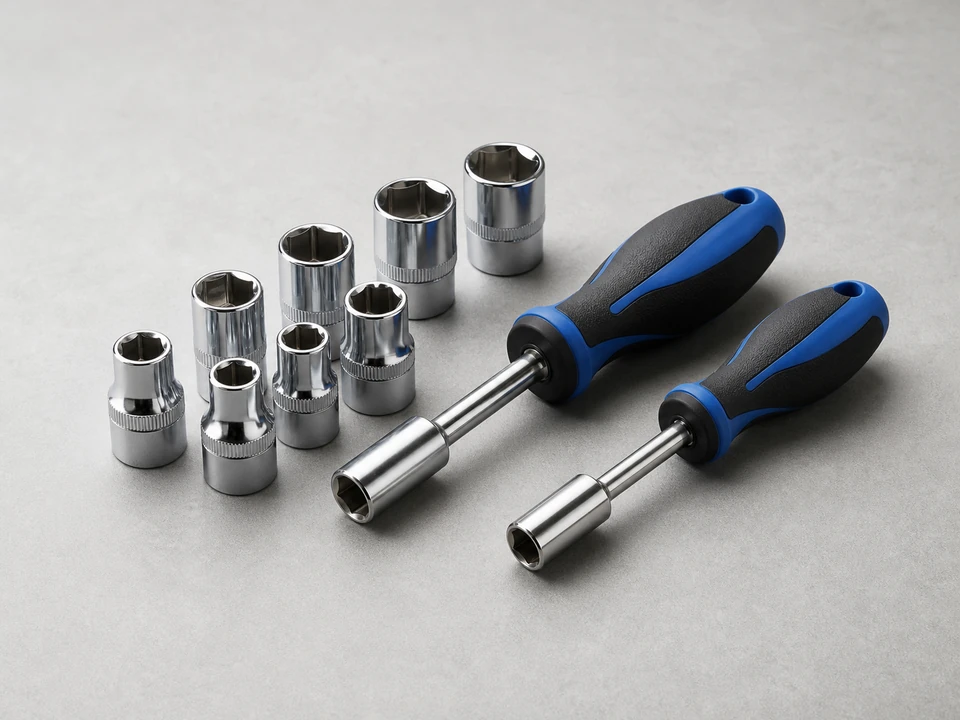
Use it for: Removes hex-head screws often used on appliance panels.
Shop nut driver sets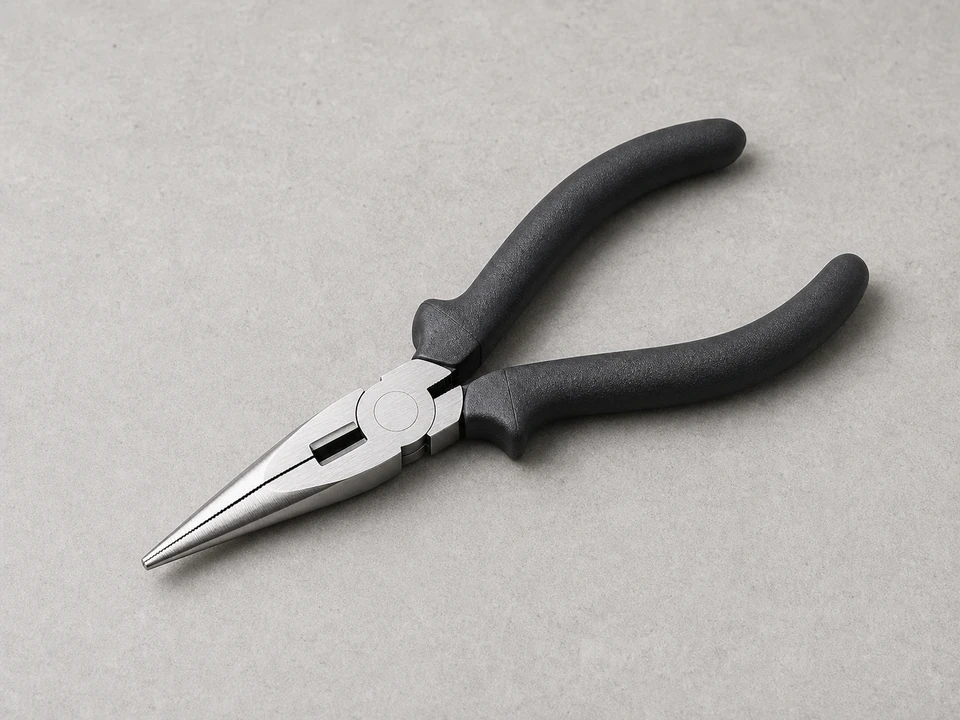
Use it for: Helps pull wire terminals off the old switch without yanking the wires.
Shop needle-nose pliers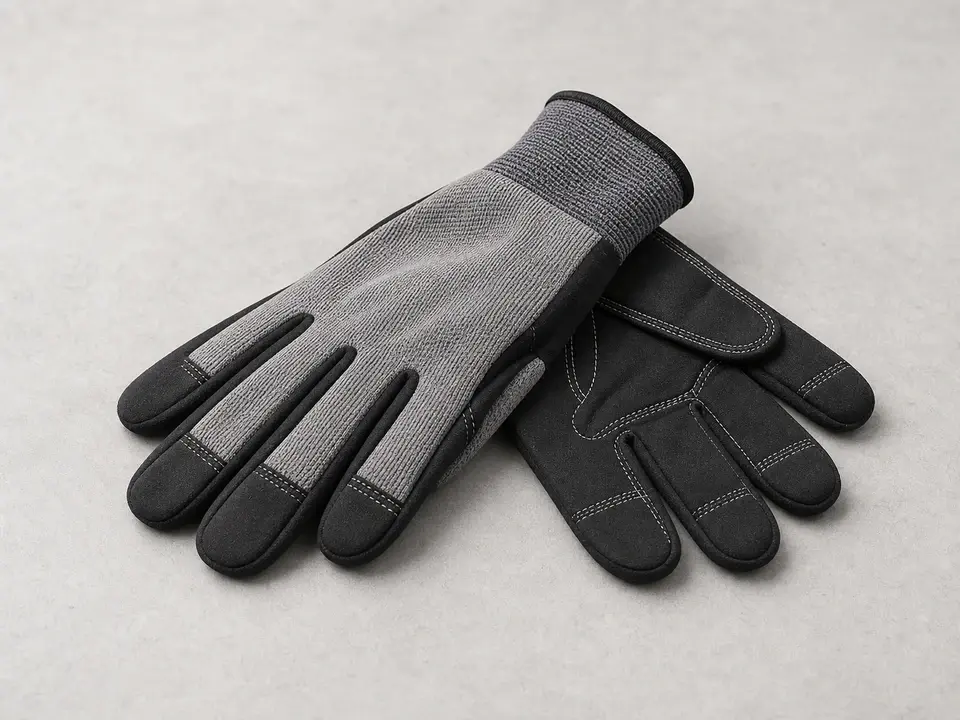
Use it for: Protects your hands from sharp sheet-metal edges inside the range.
Shop work gloves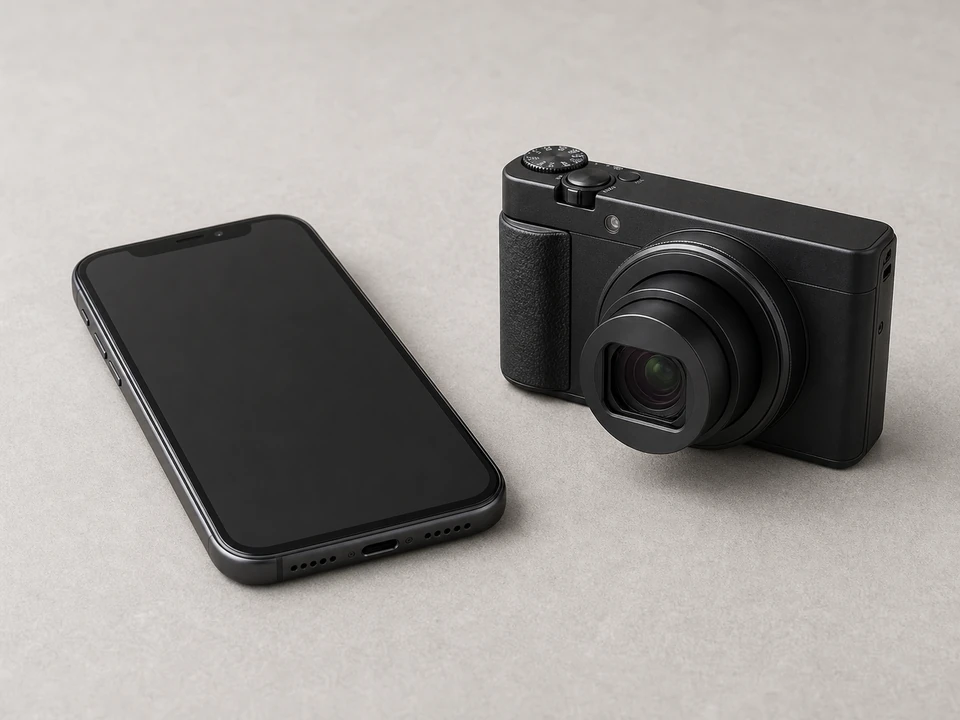
Use it for: Lets you photograph wire locations before moving anything.
Shop phone tripods and holdersAs an Amazon Associate I earn from qualifying purchases. Repair Riot may earn a commission at no extra cost to you.
If it works: You have a clear reason to replace the switch behind one burner control.
If it doesn’t: If the burner simply will not light but the igniter clicks normally, clean and dry the burner parts first before replacing the switch.
If it works: The range is de-energized and you can see the ignition switch behind the affected burner knob.
If it doesn’t: If you still cannot reach the switch, look for hidden screws along the backguard, under the front lip, or beneath the control panel trim.
If it works: The old switch is out and you have a clear record of where each wire belongs.
If it doesn’t: If a terminal is stuck, use needle-nose pliers and rock the connector gently instead of pulling harder on the wire.
If it works: The new switch is mounted securely and wired to match the original layout.
If it doesn’t: If the wires seem too loose on the terminals, stop and correct the connector fit before reassembly.
If it works: The range is back together and ready for a live ignition test.
If it doesn’t: If a panel does not sit flat, reopen it and check for trapped wires or a switch that is not seated correctly.
If it works: The repaired burner lights normally, the clicking behavior is correct, and the problem does not return after use.
If it doesn’t: If the burner still clicks constantly or will not spark correctly, recheck the wire placement and consider a related fault in the switch harness, spark module, or burner assembly.
Match the switch style, terminal layout, shaft fit, and your range model compatibility before ordering.
As an Amazon Associate I earn from qualifying purchases. Repair Riot may earn a commission at no extra cost to you.
A bad switch often causes constant clicking, clicking in the wrong knob position, or no spark command when you turn one burner knob to light.
Usually no, because this repair is in the electrical control area and does not require opening the gas line. You do need to disconnect electrical power before starting.
Yes, if the problem is isolated to one burner control and the switch is separate and serviceable. Some ranges use linked switch assemblies, so compare the replacement part to what is installed.
Recheck the wire locations first. If the wiring is correct, the problem may be in a switch harness, spark module, wet or dirty burner parts, or damaged wiring.
Not always. If it clicks normally, start by cleaning and drying the burner cap and head and making sure the cap is seated correctly. The switch is more likely when the clicking behavior itself is wrong.