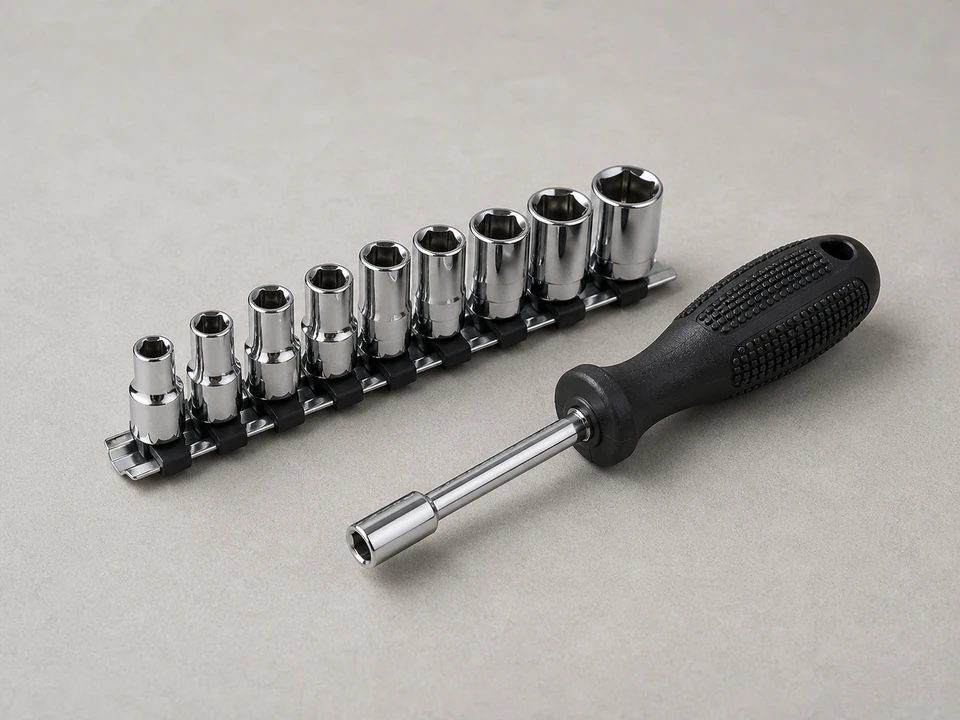
Nut driver or socket set
Use it for: Removes and reinstalls most hinge bolts and bracket screws.
Shop nut drivers and socketsTo replace a refrigerator door hinge, support the door, remove the old hinge, install the matching new hinge, then realign the door so it swings smoothly and seals evenly.
A worn, bent, or loose hinge can make the refrigerator door sag, rub, pop, or stay slightly open. This repair is manageable for many homeowners, but the door is heavier than it looks, so take your time and support it before removing hardware.
Before you start: Match the hinge position, handedness, mounting pattern, and door style before ordering.
Use it for: Removes and reinstalls most hinge bolts and bracket screws.
Shop nut drivers and sockets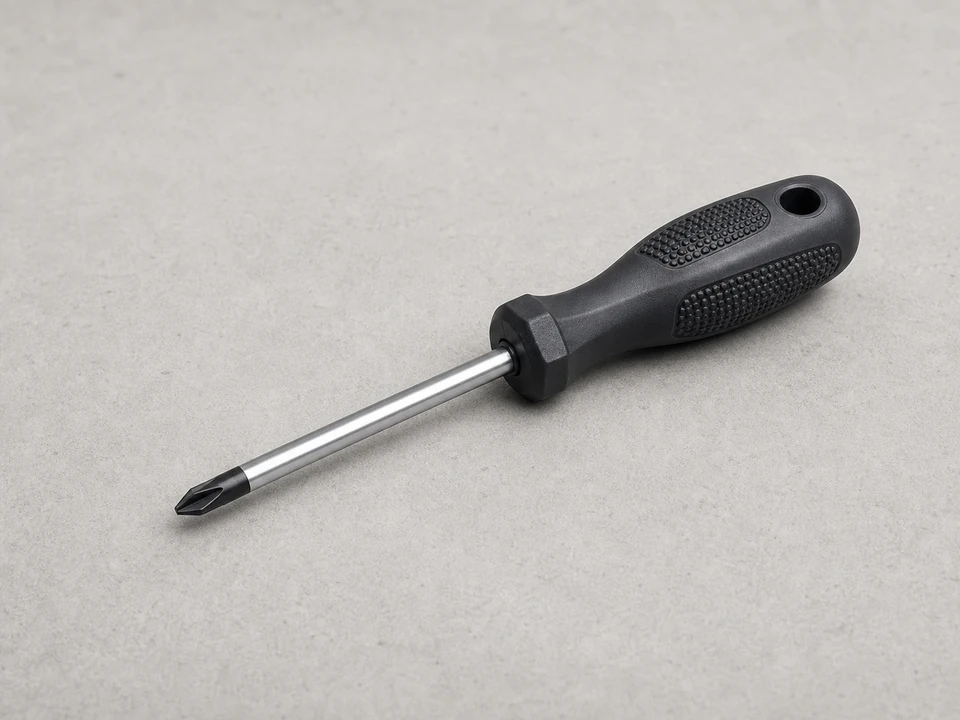
Use it for: Removes hinge covers and any screws holding trim or brackets.
Shop Phillips screwdrivers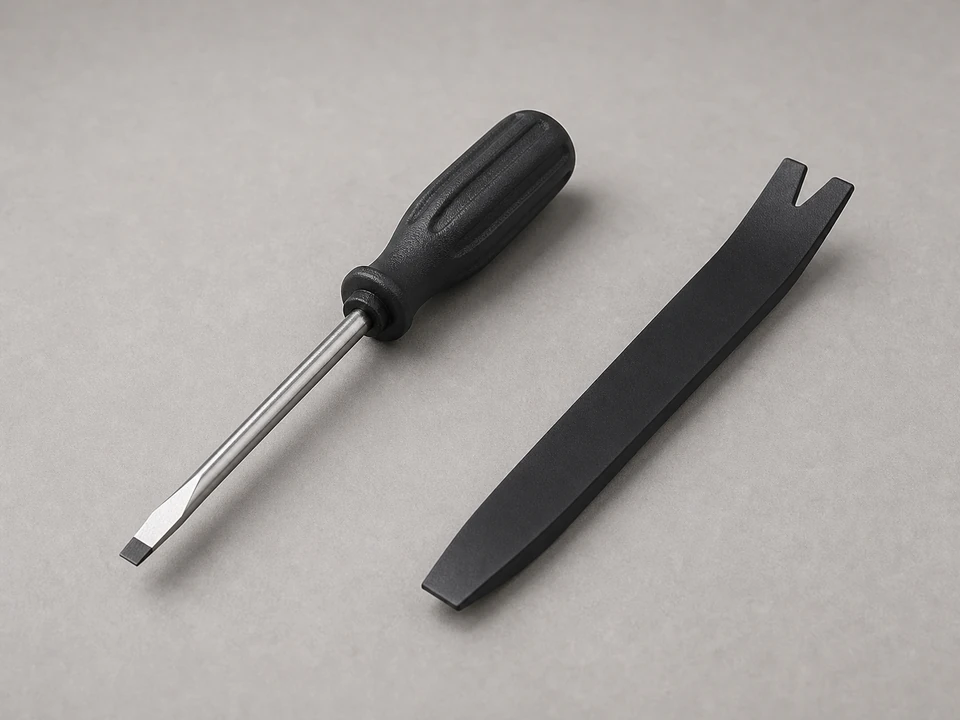
Use it for: Helps lift hinge covers without cracking them.
Shop pry tools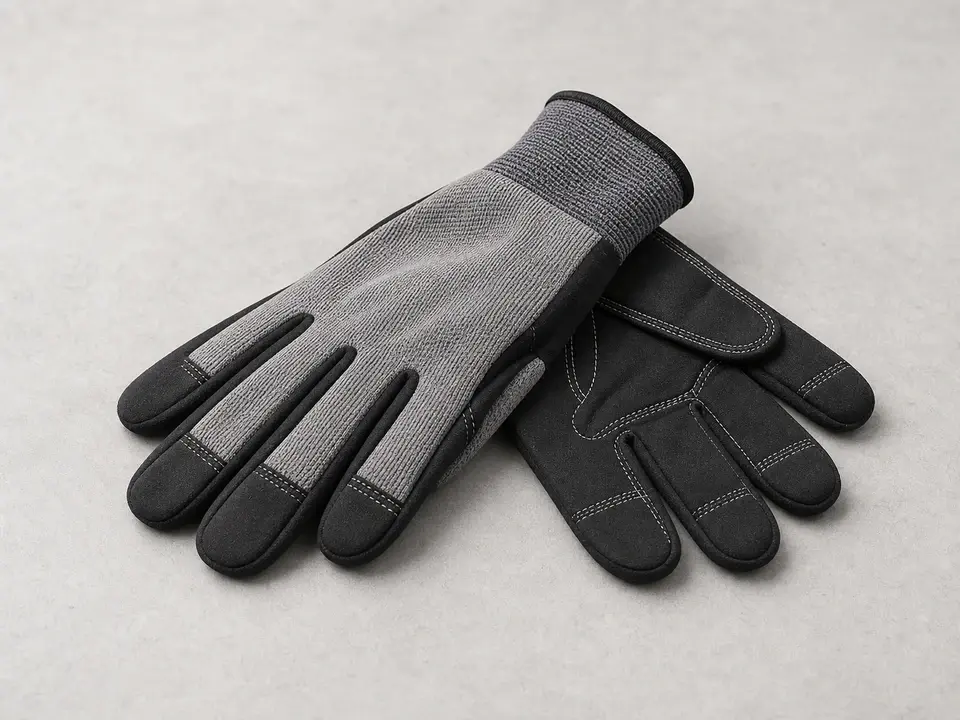
Use it for: Improves grip and helps protect your hands around sheet metal edges.
Shop work gloves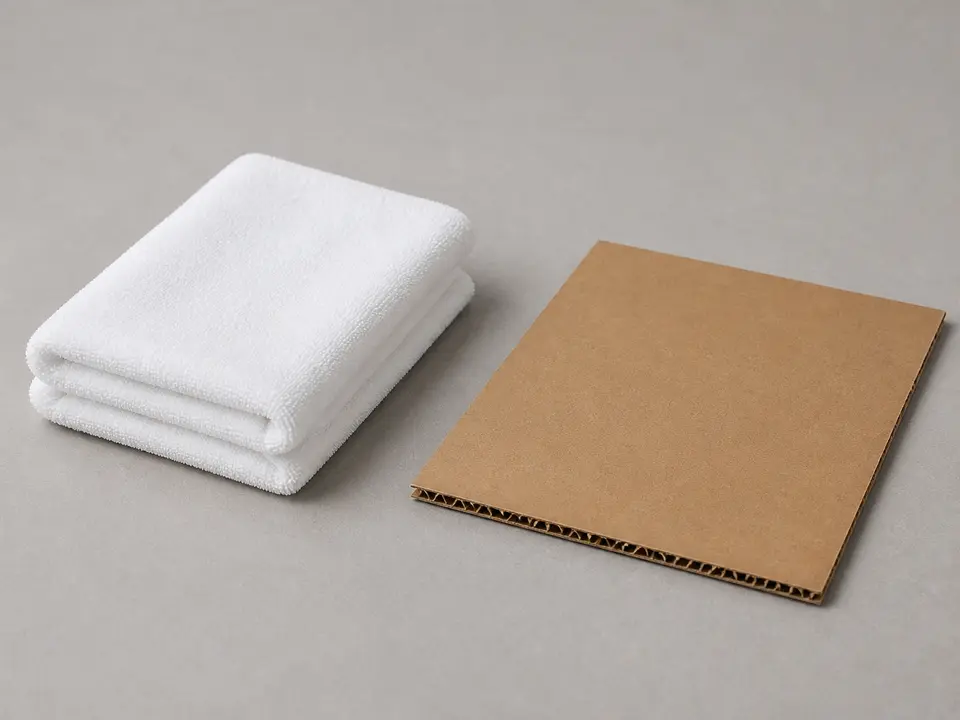
Use it for: Protects the floor and gives you a safe place to rest the door if needed.
Shop floor protection sheets
Use it for: Supports the door while the hinge is off so the door does not twist or drop.
Find lifting help toolsAs an Amazon Associate I earn from qualifying purchases. Repair Riot may earn a commission at no extra cost to you.
If it works: You have clear signs of hinge wear or damage, and the replacement hinge appears to match the original.
If it doesn’t: If the door is aligned but still not sealing, inspect the door gasket, overloaded door bins, and anything blocking the door from closing fully.
If it works: The door is lighter, the work area is protected, and the door is safely supported.
If it doesn’t: If you cannot keep the door fully supported, pause and get a helper before removing hinge hardware.
If it works: The old hinge is off, the hardware order is noted, and the mounting area is clean enough for the new part.
If it doesn’t: If the hinge is off but the mounting holes are stripped, use the original hardware only if it still tightens securely; otherwise the repair may need a professional fix.
If it works: The new hinge is mounted securely and the door is back in place without obvious wobble.
If it doesn’t: If the screws will not start cleanly or the hinge sits crooked, remove it and compare the part orientation and hardware stack-up to the original.
If it works: The door looks even, swings smoothly, and closes without rubbing the cabinet.
If it doesn’t: If the door still sags after alignment, inspect the opposite hinge point, center hinge area on multi-door models, and door cam or bushing wear.
If it works: The door stays aligned in normal use, closes fully, and the hinge remains tight.
If it doesn’t: If the door still will not stay shut or keeps dropping, the problem may also involve the gasket, door cam, bushing, or a damaged mounting point.
Match the hinge position, handedness, mounting pattern, and door style before ordering.
As an Amazon Associate I earn from qualifying purchases. Repair Riot may earn a commission at no extra cost to you.
Common signs are a sagging door, rubbing at the cabinet, a door that needs to be lifted to close, visible hinge damage, or looseness that returns even after tightening the screws.
Not always. Many hinge replacements are mechanical only. If you find wiring routed through the hinge area, treat it carefully and do not proceed if the wiring is damaged or cannot be separated safely.
Sometimes, but a helper is strongly recommended. The door can shift or drop when the hinge is removed, and having someone hold it makes the repair much safer and easier.
The door may still need alignment, or another part may also be worn, such as a hinge bushing, center hinge, lower hinge point, or door cam. A damaged mounting area can also keep the door from sitting correctly.
It is better to fix it soon. A sagging door can wear out the gasket, let cold air leak out, and put extra stress on the remaining hinge hardware.