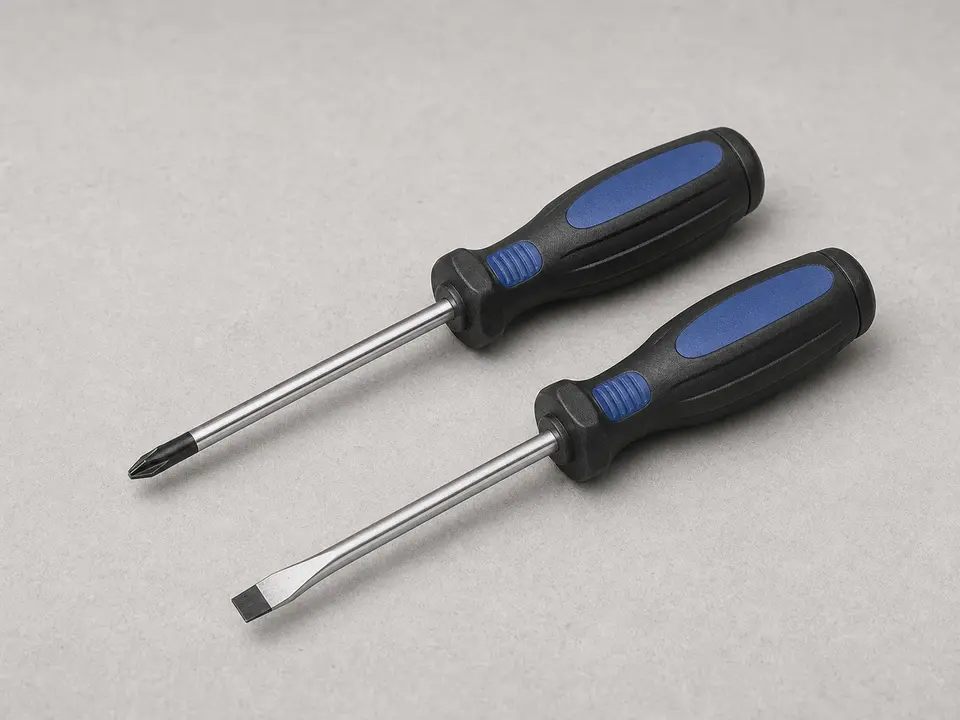
Phillips and flathead screwdriver
Use it for: To remove the handle screw, trim screws, and any retaining parts.
Shop screwdrivers for shower repairIf your shower handle is hard to turn, drips when shut off, or swings from hot to cold unpredictably, replacing the shower cartridge is often the right fix.
This repair is usually straightforward if you can shut off the water and remove the handle without forcing anything. The key is getting the exact replacement cartridge and reinstalling it in the same orientation as the old one.
Before you start: Match the cartridge shape, stem pattern, overall length, and valve compatibility before ordering.
Use it for: To remove the handle screw, trim screws, and any retaining parts.
Shop screwdrivers for shower repair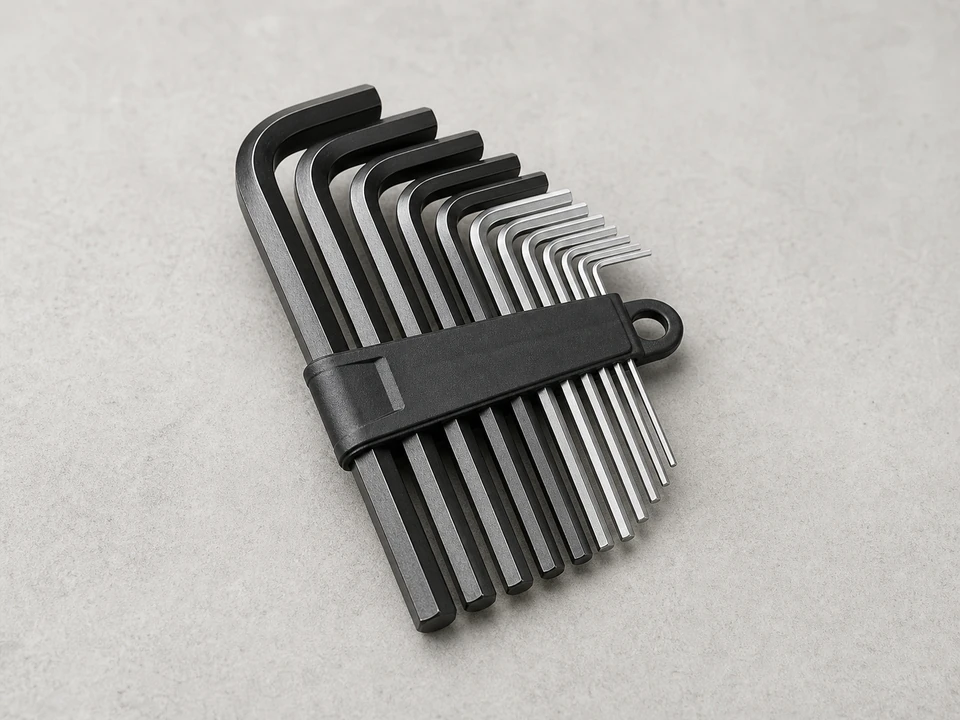
Use it for: Many shower handles use a small set screw instead of a face screw.
Shop Allen key sets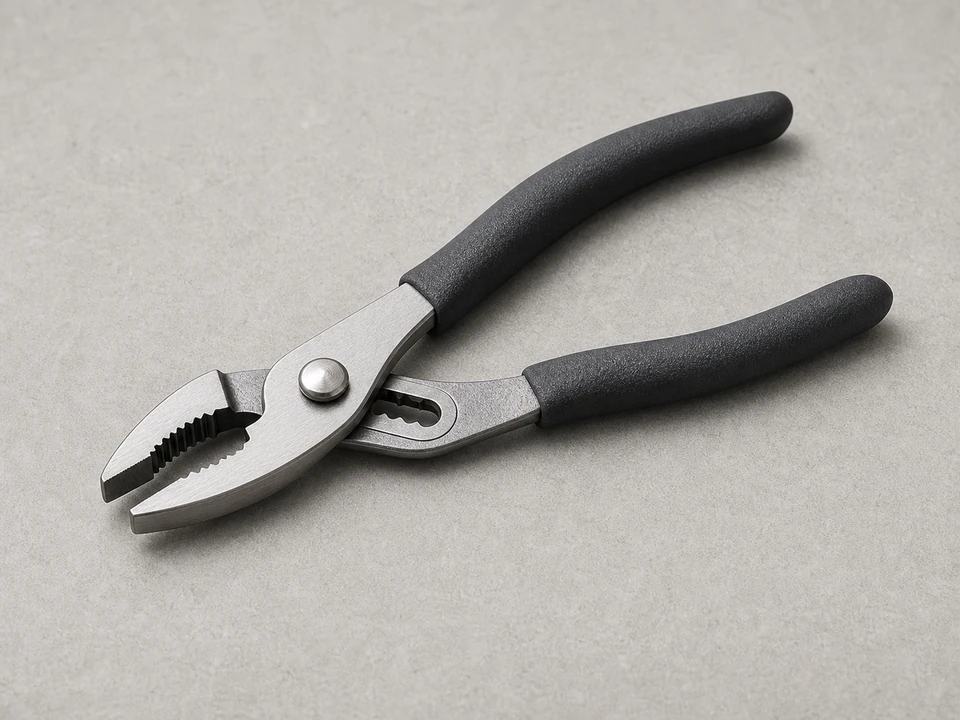
Use it for: To pull clips, loosen retaining nuts, or help wiggle out a stuck cartridge gently.
Shop slip-joint pliers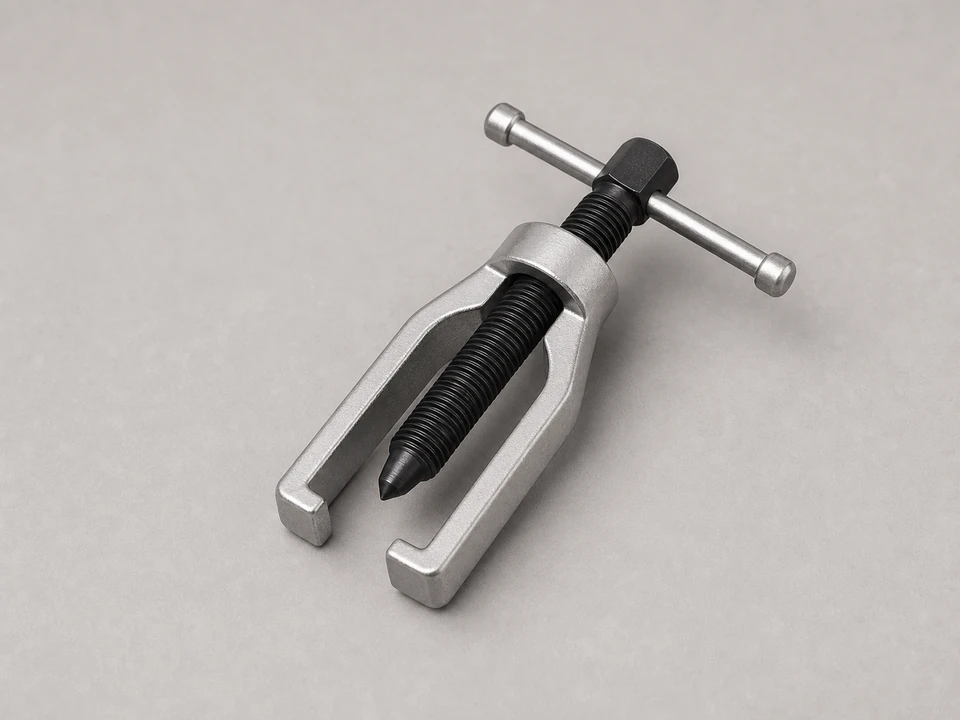
Use it for: Helpful when the old cartridge is seized in the valve body.
Shop shower cartridge pullers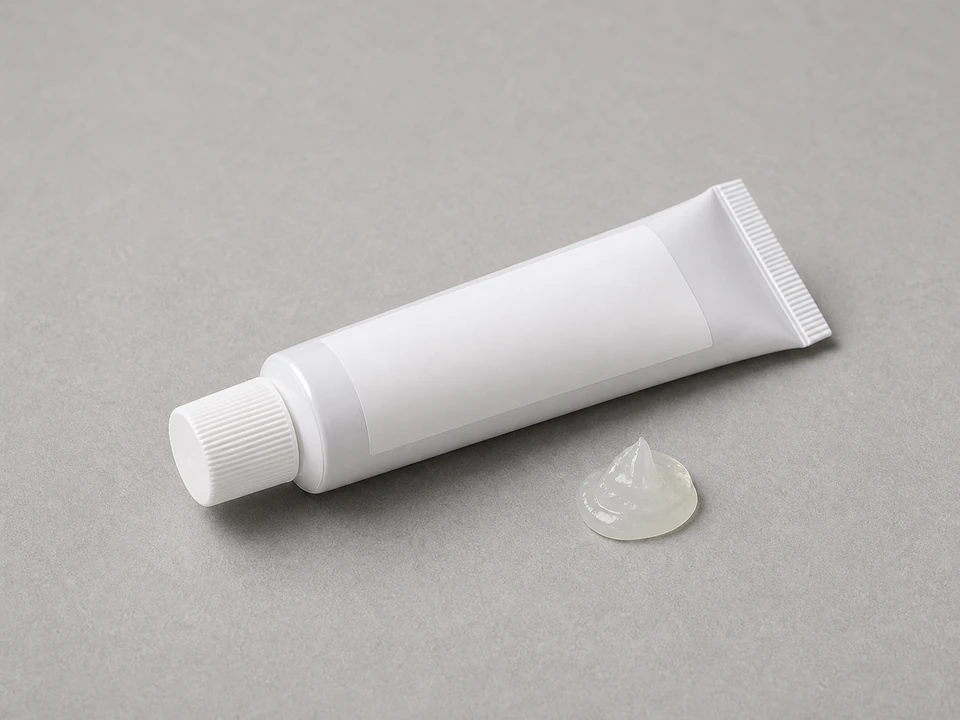
Use it for: To lightly lubricate O-rings so the new cartridge slides in without damage.
Shop silicone plumber's grease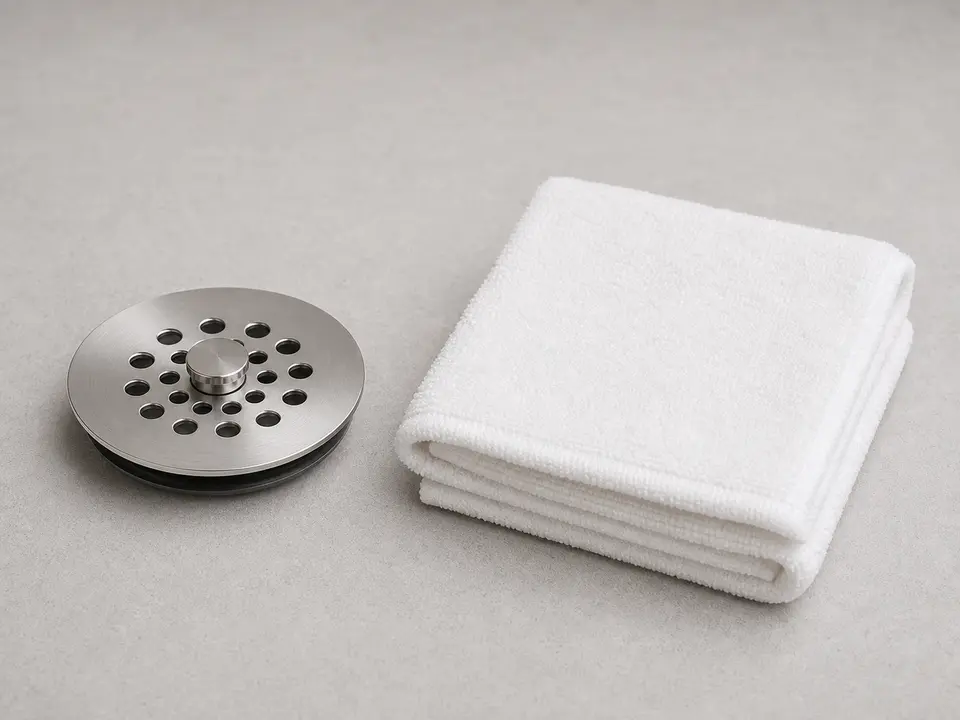
Use it for: To protect the tub or shower floor and keep small screws from falling into the drain.
Shop drain covers and work towelsAs an Amazon Associate I earn from qualifying purchases. Repair Riot may earn a commission at no extra cost to you.
If it works: The symptoms fit a worn or sticking shower cartridge, and you have a matching replacement ready.
If it doesn’t: If the shower problem affects multiple fixtures, starts at the water heater, or you cannot identify a matching cartridge, pause and diagnose that issue first.
If it works: The water is off, pressure is relieved, and the cartridge area is exposed without damaging the trim.
If it doesn’t: If the handle is stuck, apply steady hand pressure and gentle wiggling. A handle puller may help, but do not force the valve body in the wall.
If it works: The old cartridge is out, and the new cartridge matches it closely in shape and connection points.
If it doesn’t: If the cartridge will not come out, keep the valve body supported and switch to a puller instead of adding more force by hand.
If it works: The new cartridge is fully seated, secured, and the handle and trim are back on.
If it doesn’t: If the cartridge will not seat fully, remove it and recheck orientation, debris in the valve body, and whether the replacement is truly the same part.
If it works: The shower operates smoothly, the temperature control feels normal, and there are no leaks at the trim or ongoing drips after shutoff.
If it doesn’t: If the handle works but the shower still drips or the temperature is reversed, shut the water back off and recheck cartridge orientation and seating.
If it works: The shower works normally in real use, with stable control and no signs of leaking.
If it doesn’t: If symptoms return quickly, the valve body may be worn or damaged, and the repair may need to move beyond a cartridge replacement.
Match the cartridge shape, stem pattern, overall length, and valve compatibility before ordering.
As an Amazon Associate I earn from qualifying purchases. Repair Riot may earn a commission at no extra cost to you.
Common signs are a shower that drips when turned off, a handle that is hard to turn, or temperature control that has become erratic. If the problem is only at one shower, the cartridge is a strong suspect.
Only if your shower valve does not have local shutoffs built in behind the trim. If there are no local stops, use the main water shutoff before opening the valve.
Try gentle rocking and straight pulling first. If it still will not move, a cartridge puller is the safer next step because it reduces the chance of damaging the valve body in the wall.
A light coat of silicone plumber's grease on the O-rings is usually helpful. It helps the cartridge slide in smoothly and reduces the chance of nicking the seals during installation.
The new cartridge may be the wrong match, installed in the wrong orientation, or not fully seated. If those are correct and it still drips, the valve body itself may be worn or damaged.