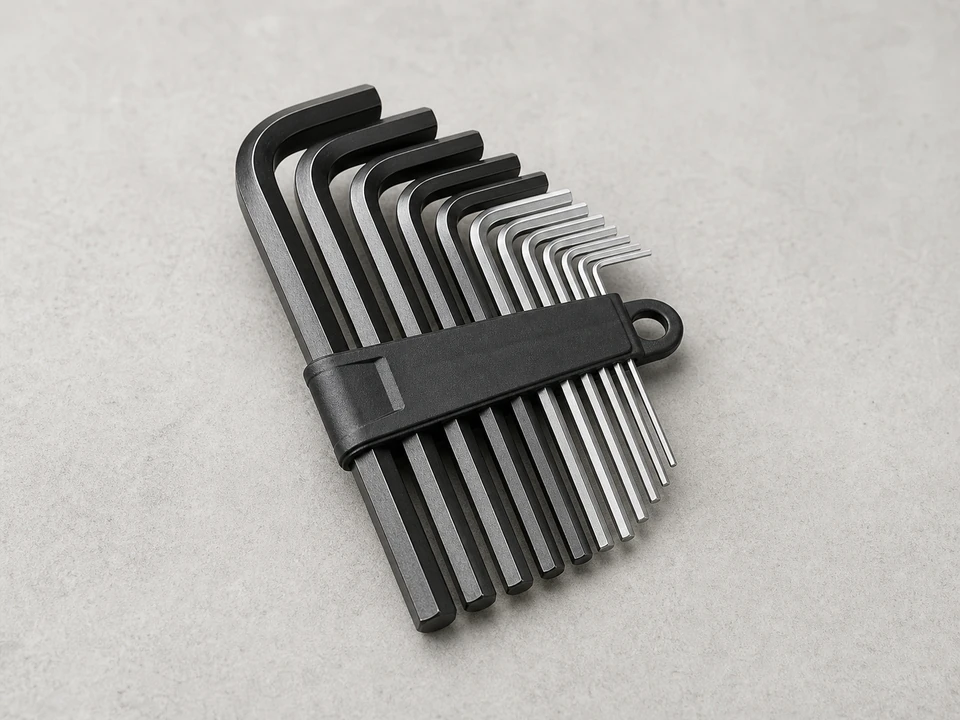
Hex key set
Use it for: Most slip-on tub spouts use a small set screw underneath that loosens with an Allen key.
Shop hex key setsTo replace a slip on bathtub spout with diverter, confirm your spout is the slip-on style with a small set screw underneath, loosen that screw, slide the old spout off the copper pipe, clean the pipe, then slide the new spout on and tighten the set screw.
This is usually a manageable homeowner repair when the pipe stub-out is solid and undamaged. The key is making sure you have the right style of spout before you buy anything, then installing the new one straight so it seals at the wall and the diverter works normally.
Before you start: Match the replacement part to your exact bathtub before ordering.
Use it for: Most slip-on tub spouts use a small set screw underneath that loosens with an Allen key.
Shop hex key sets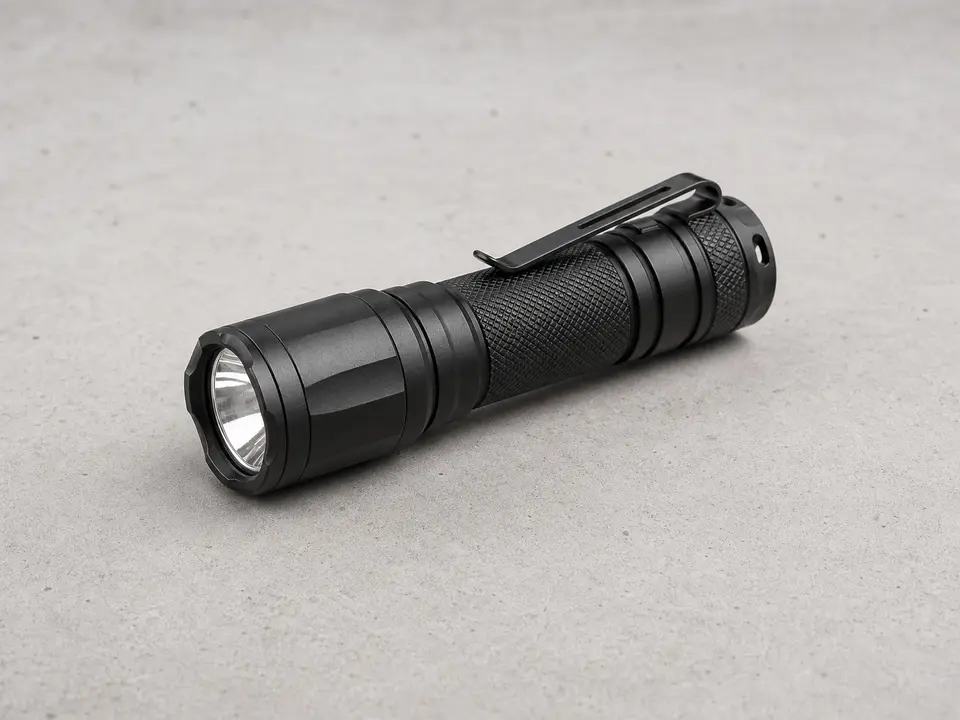
Use it for: Helps you see the underside of the spout and the set screw clearly.
Shop flashlights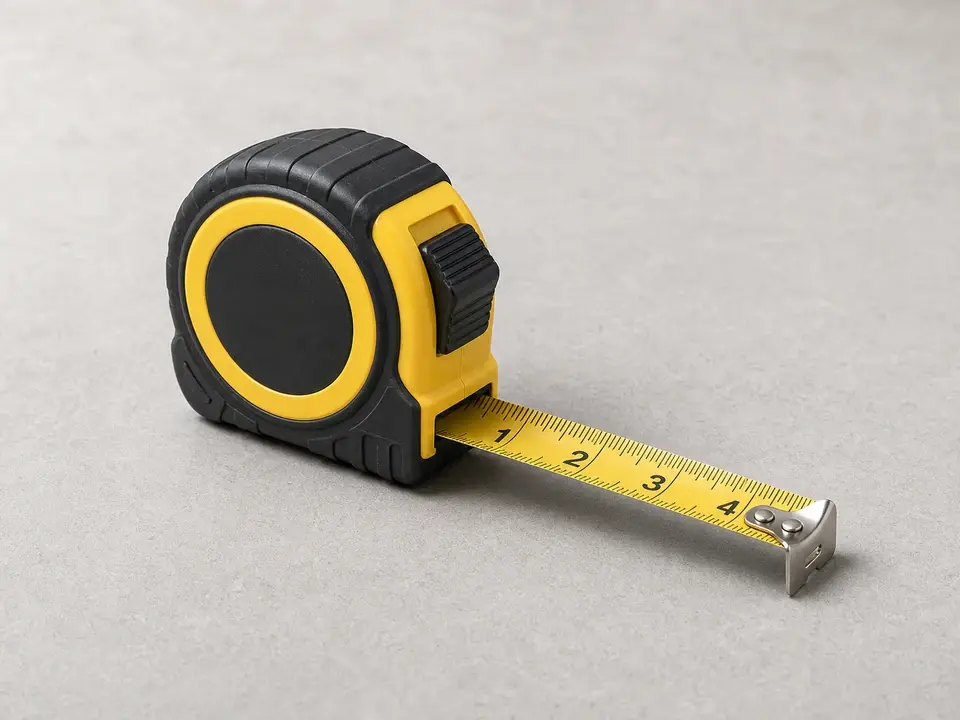
Use it for: Lets you check the pipe size and stub-out length so the replacement spout fits.
Shop tape measures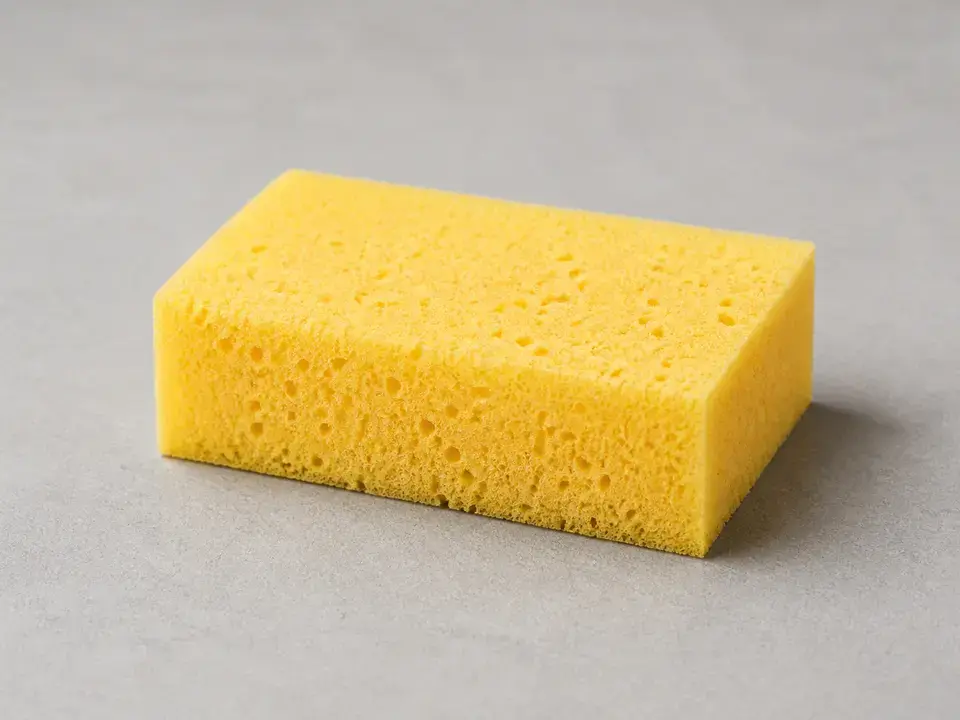
Use it for: Used to clean mineral buildup and old residue off the pipe and wall area.
Shop non-scratch cleaning pads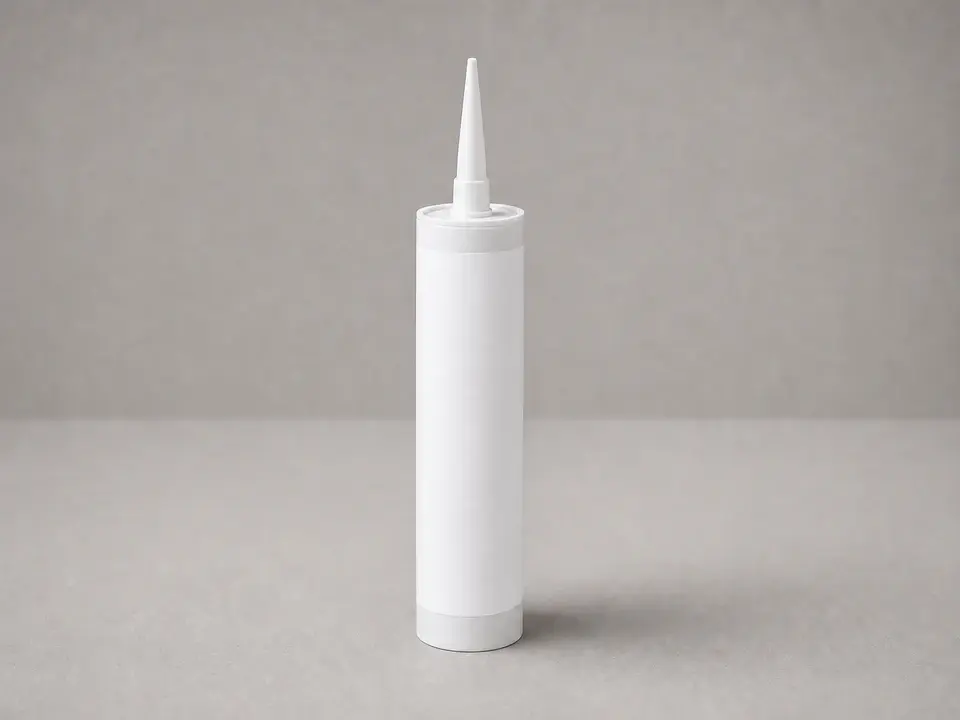
Use it for: A small bead at the wall can help keep water from getting behind the spout if the manufacturer allows it.
Shop clear silicone caulkAs an Amazon Associate I earn from qualifying purchases. Repair Riot may earn a commission at no extra cost to you.
If it works: You have confirmed the old part is a slip-on bathtub spout with diverter and your replacement is the same style and fit.
If it doesn’t: If there is no set screw and the spout appears to twist onto threads, stop and use a threaded tub spout replacement process instead.
If it works: The set screw is loose and the spout is ready to slide off.
If it doesn’t: If the set screw is stuck, apply steady pressure with the correct size hex key and try again after clearing any mineral buildup from the screw opening.
If it works: The old spout is off and the pipe stub-out is clean and ready for the new spout.
If it doesn’t: If the old spout will not slide off, double-check that the set screw is fully loosened and keep working it off gently without forcing the pipe.
If it works: The new spout is seated straight, snug to the wall, and secure on the pipe.
If it doesn’t: If the spout will not slide on fully, remove it and recheck for burrs, debris, or a mismatch in pipe size or required stub-out length.
If it works: The spout stays secure, does not leak at the wall, and the diverter sends water to the shower as expected.
If it doesn’t: If you see a small leak or wobble, retighten the set screw and confirm the spout is fully seated on a clean, undamaged pipe. If the diverter still does not work well, recheck that the replacement spout is the correct style and fit.
If it works: The new spout stays tight, dry, and diverts water properly during normal use.
If it doesn’t: If the spout loosens or leaks again, remove it and inspect the pipe stub-out more closely for damage or poor fit that a new spout alone cannot correct.
Match the replacement part to your exact bathtub before ordering.
As an Amazon Associate I earn from qualifying purchases. Repair Riot may earn a commission at no extra cost to you.
A slip-on spout usually has a small set screw on the underside near the wall and slides onto a smooth pipe. A threaded spout usually unscrews from a threaded pipe nipple and often has no set screw.
Usually no. For this repair, the faucet just needs to be fully off because you are replacing the spout at the end of the tub outlet, not opening the supply lines.
A small amount can be normal, but a heavy flow usually means the diverter inside the spout is worn or the replacement spout is not the right fit for the pipe setup.
Use the hardware that comes with the new spout when possible. It is matched to that spout and is less likely to give you fit or holding problems.
A small bead on the top and sides can help keep splash water out if the spout instructions allow it. Leave the bottom uncaulked so any hidden moisture can drain out instead of getting trapped.