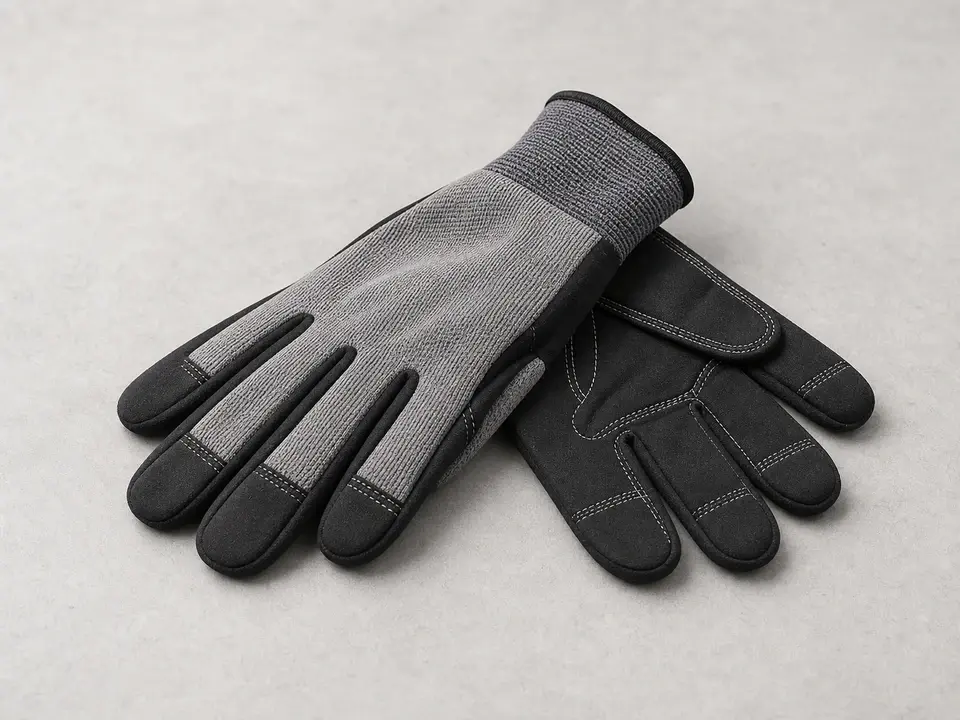
Work gloves
Use it for: Protects your hands from sharp cabinet edges and spring hardware.
Shop work glovesTo replace washer suspension rods, unplug the top-load washer, open the top, support the tub, replace the rods one at a time with the matching set, make sure every cup and spring seats correctly, then test with a small balanced load.
This is the right repair when the tub bounces like a basketball, bangs the cabinet in spin, or sits off-center even with normal loads. Do not guess from one bad spin cycle. Confirm the tub is loose, check the mounts, and replace the full set so the washer is supported evenly.
Before you start: This is for top load washers that use suspension rods. Unplug the washer, support the tub, and replace rods one at a time. If a mount is cracked, new rods will not fix it.
Use it for: Protects your hands from sharp cabinet edges and spring hardware.
Shop work gloves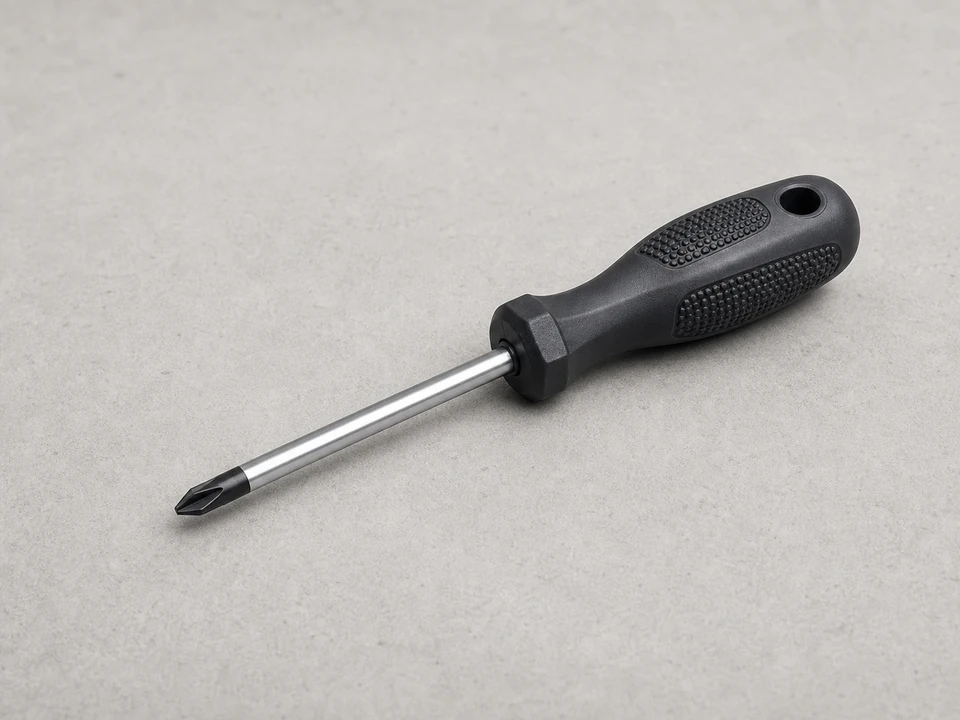
Use it for: Removes screws on some control panels, top panels, or access points.
Shop Phillips screwdrivers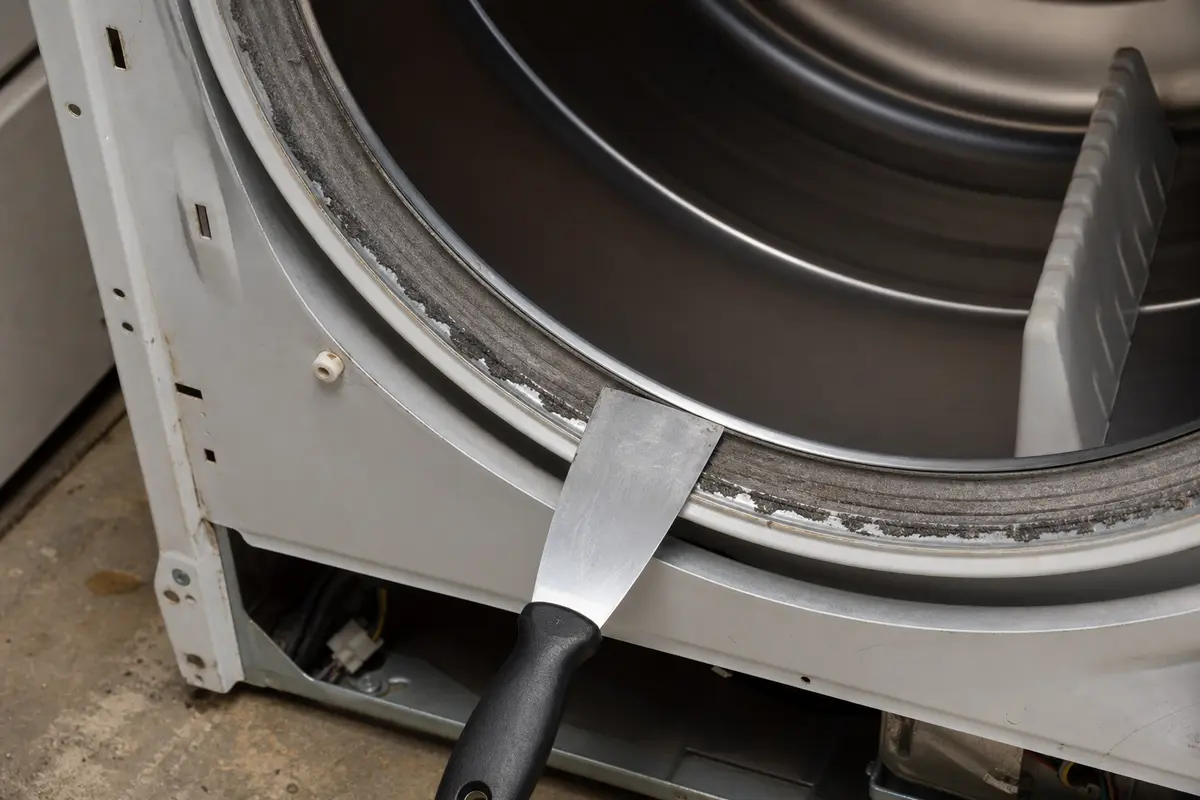
Use it for: Releases spring clips on some washer tops without bending the cabinet.
Shop putty knives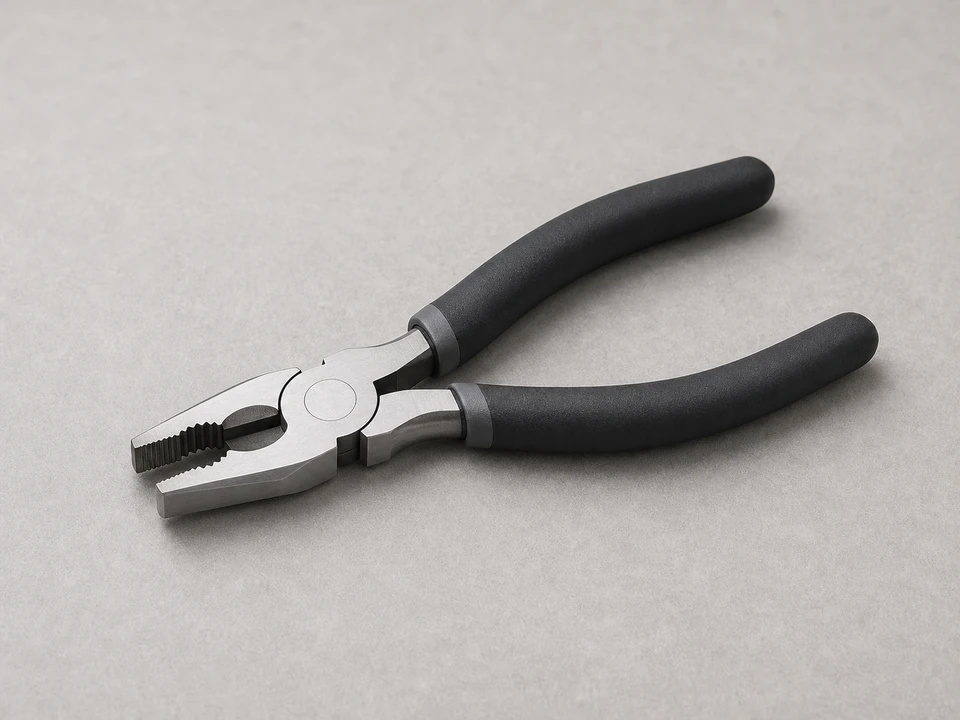
Use it for: Helps unhook retainers or guide springs if they are tight.
Shop pliers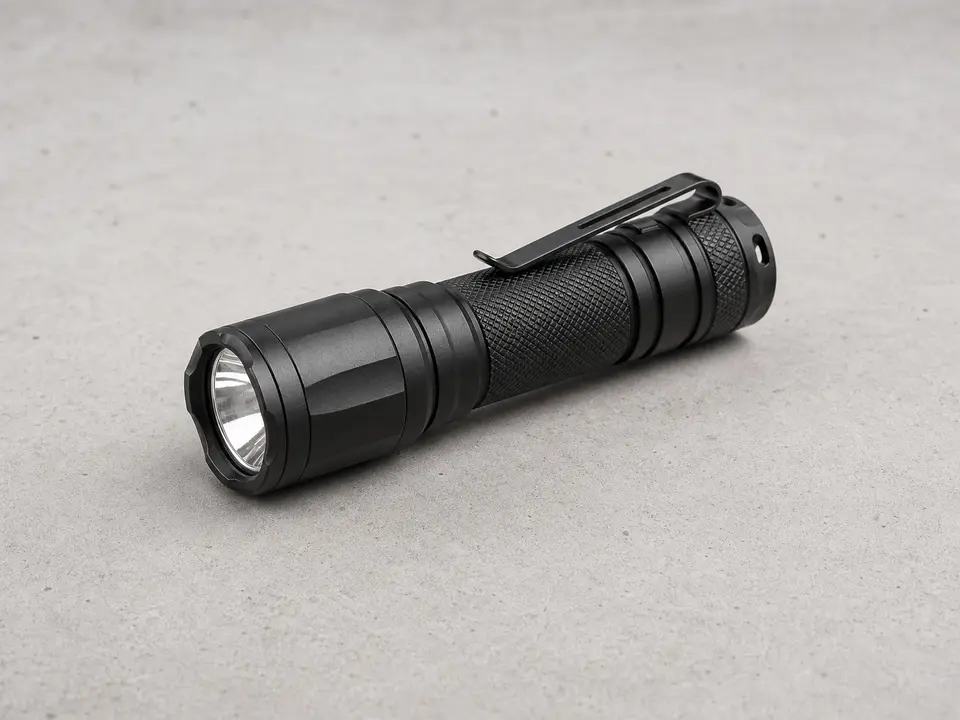
Use it for: Lets you see the rod mounts, cups, and suspension points clearly.
Shop flashlights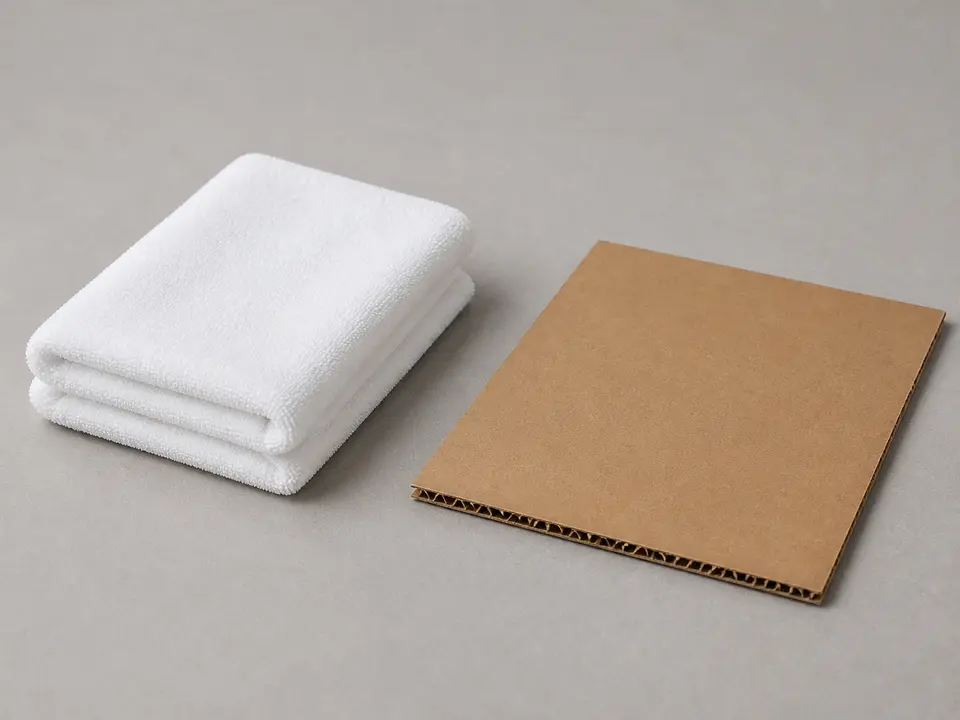
Use it for: Protects the cabinet edge and gives you a place to rest parts while you work.
Shop shop towelsAs an Amazon Associate I earn from qualifying purchases. Repair Riot may earn a commission at no extra cost to you.
If it works: The tub movement points to weak suspension support, not just one bad load.
If it doesn’t: If the washer only shook during one oversized or uneven load and now runs normally, you may not need this repair yet.
If it works: The washer is unplugged, the top is open, and you can see the rod mounts without forcing panels.
If it doesn’t: If the top will not release, look for hidden screws or clips instead of bending the cabinet.
If it works: The old rod is out, and the new rod matches the length, ends, spring, and cups.
If it doesn’t: If the replacement does not match, stop before installing a mixed or wrong set.
If it works: The new rod is seated at the top and bottom, and the spring hardware is straight.
If it doesn’t: If the rod keeps popping out, recheck the cup, bushing, and socket order before moving to the next corner.
If it works: All rods are replaced, the tub sits centered, and each corner is seated evenly.
If it doesn’t: If the tub still sits badly off-center with all new rods installed, inspect for a damaged tub support, basket issue, or cabinet problem.
If it works: The washer completes the test cycle with much less shaking, no hard banging, and stable tub movement.
If it doesn’t: If shaking is still severe, level the washer and inspect for other causes such as worn dampers, a damaged tub support, or a persistent load-balance problem.
Match the exact washer model, rod length, spring style, top cups, lower sockets, and bushing pieces. Replace the full set unless the manufacturer says otherwise.
As an Amazon Associate I earn from qualifying purchases. Repair Riot may earn a commission at no extra cost to you.
Replace the full set when possible. If one rod is worn, the others are usually not far behind, and mixing old and new support parts can leave the tub uneven.
No. They help when the tub support is weak or bouncy. Shaking can also come from an unlevel washer, bad loading habits, worn dampers, or damaged tub support parts.
Match the replacement set to your exact washer model before ordering. Compare the rod length, end fittings, and any included cups or bushings to the originals before installation.
It is better not to. A loose or broken rod can let the tub swing hard enough to damage the cabinet, top frame, or other suspension points.
Doing one corner at a time helps keep the tub supported and makes it easier to copy the original rod position and hardware layout.