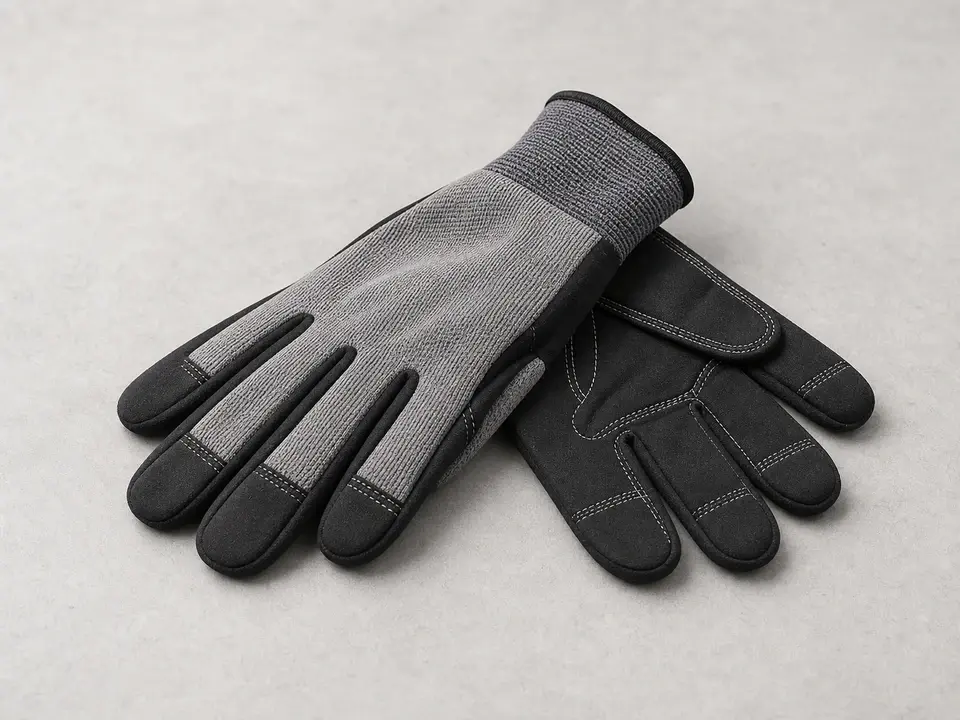
Work gloves
Use it for: Protects your hands while digging and handling dirty or rough plastic parts.
Shop work glovesTo replace an exterior drainage pop up emitter, confirm the old emitter is cracked, stuck, or no longer sealing, dig enough to expose the connection, remove the old fitting, install a matching new emitter, backfill around it, and test it with water to make sure it opens and drains properly.
This is a straightforward yard-drain repair if the pipe itself is still sound. The main job is matching the new emitter to the existing drain line and setting it at the right height so it opens under flow and sits flush with the surrounding grade.
Before you start: Match the pipe diameter, connection style, and pop up emitter shape before ordering. Measure the drain pipe opening instead of guessing.
Use it for: Protects your hands while digging and handling dirty or rough plastic parts.
Shop work gloves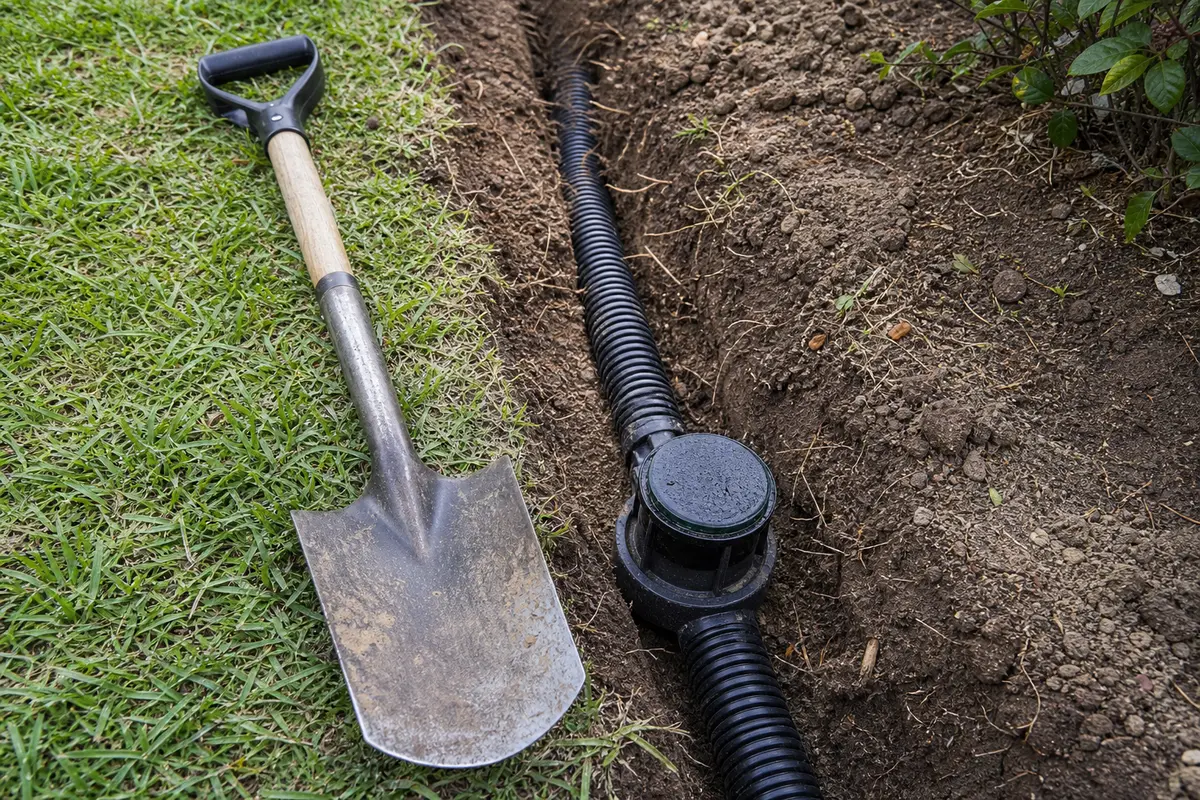
Use it for: Lets you expose the emitter and pipe connection without damaging the drain line.
Shop a hand shovel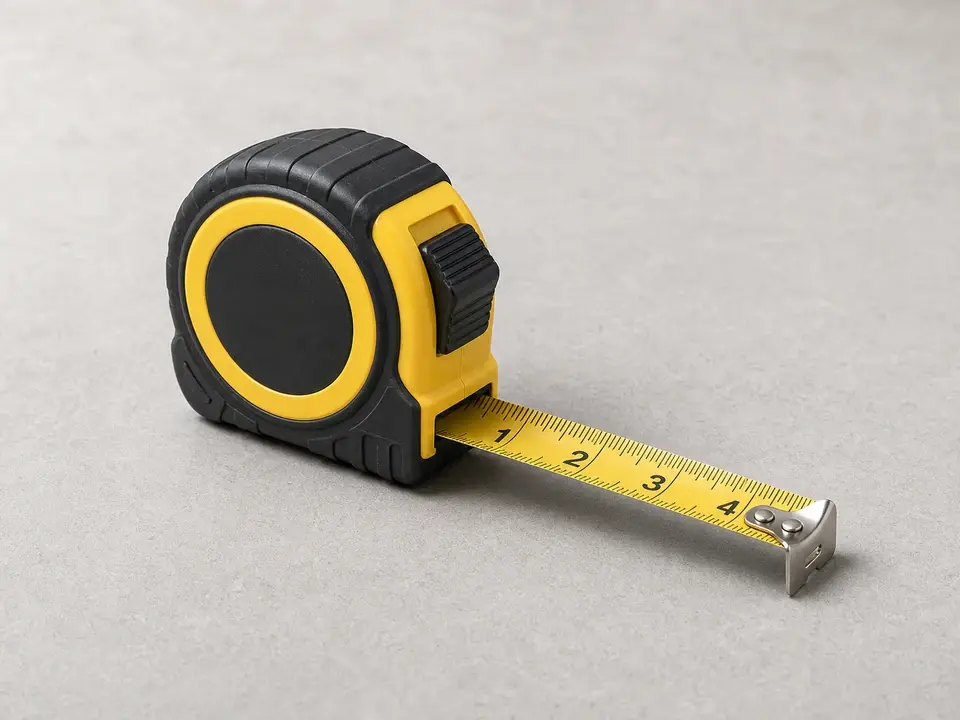
Use it for: Helps you measure the pipe opening and old fitting so the replacement matches.
Shop a tape measure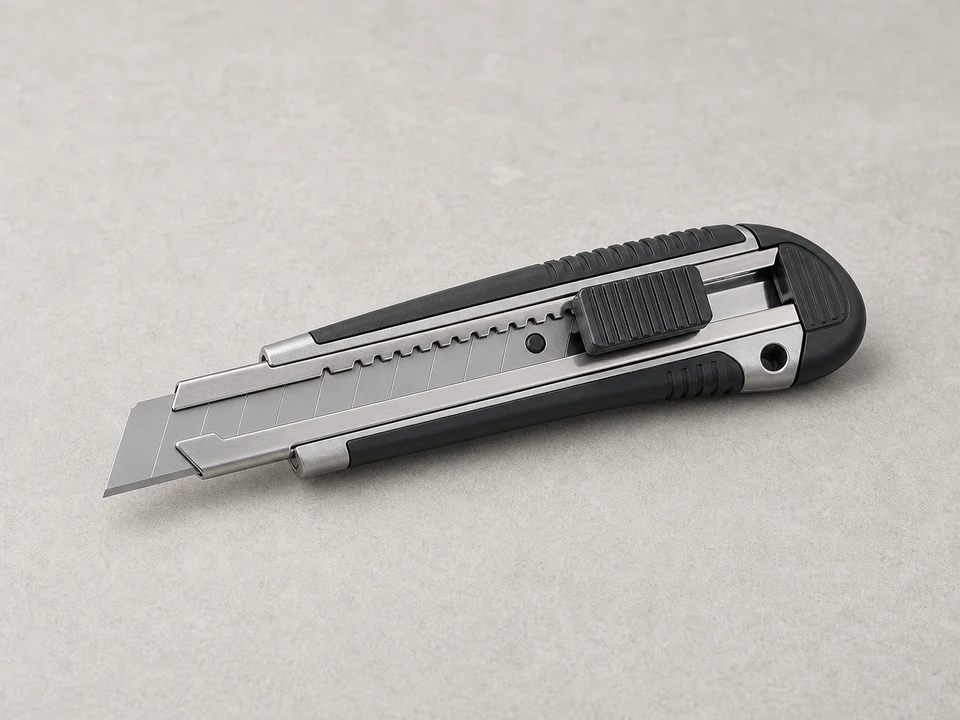
Use it for: Useful for trimming roots, cutting old sealant, or cleaning up around the pipe opening.
Shop a utility knife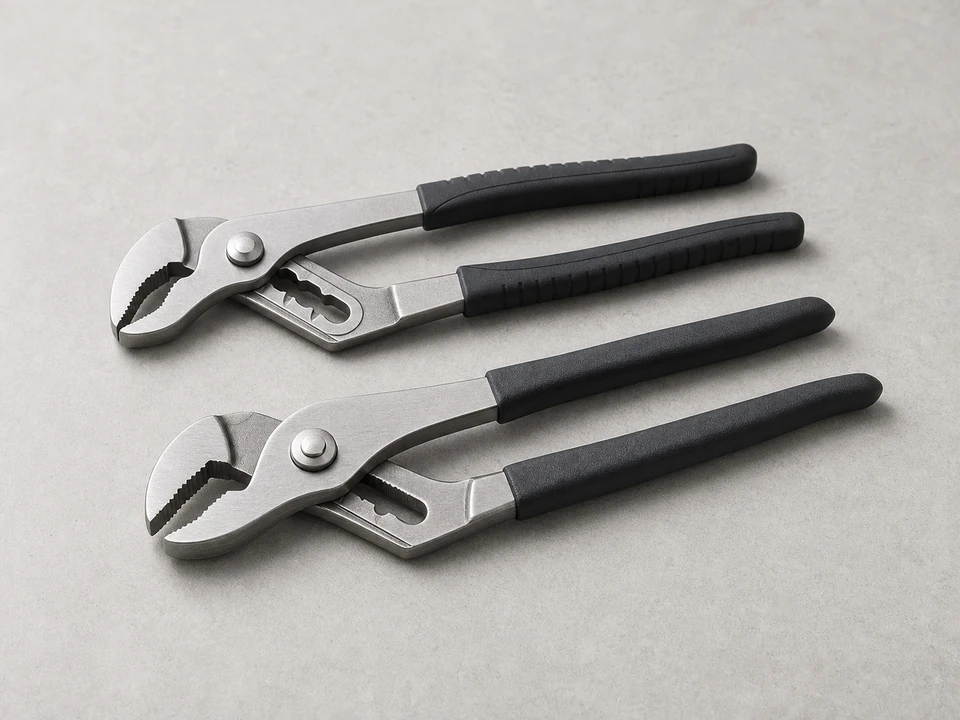
Use it for: Helps twist or pull a stubborn emitter loose without cracking the pipe.
Shop channel-lock pliers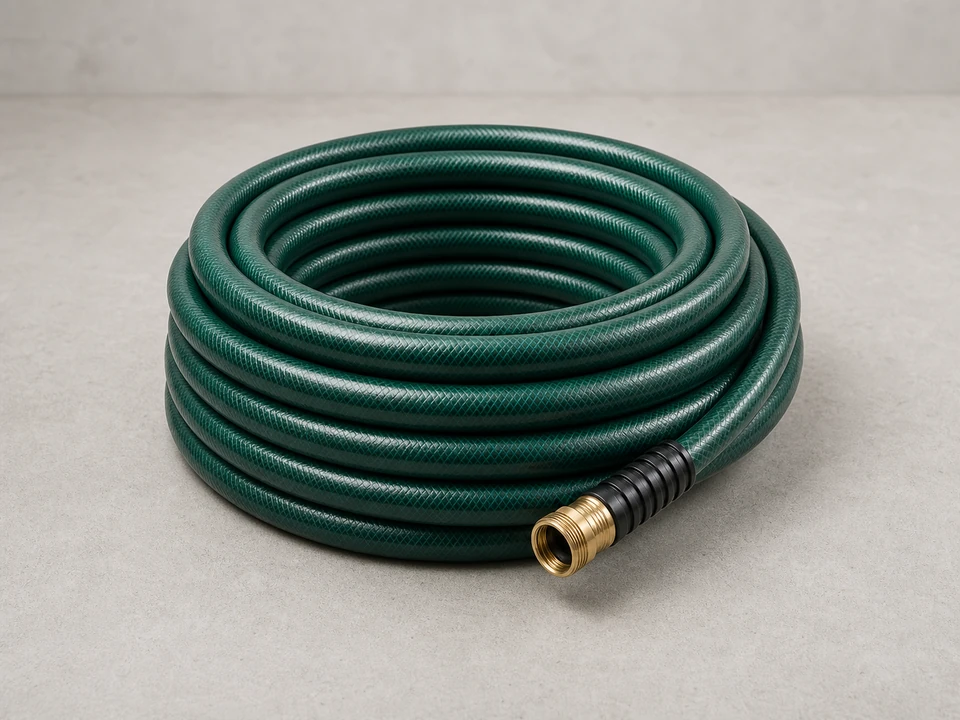
Use it for: Used to flush the line and verify the new emitter opens and drains correctly.
Shop a garden hoseAs an Amazon Associate I earn from qualifying purchases. Repair Riot may earn a commission at no extra cost to you.
If it works: You confirmed the emitter itself is damaged, badly worn, or the wrong fit for the drain line.
If it doesn’t: If the emitter is intact and only packed with mud or grass, clean it and test the drain before replacing anything.
If it works: The emitter body and its connection to the drain pipe are fully visible and accessible.
If it doesn’t: If the area is too tight to work in, widen the hole instead of forcing the fitting and risking pipe damage.
If it works: The old emitter is removed and the pipe end is clean, round enough, and ready for the new part.
If it doesn’t: If the old emitter will not release, keep exposing more of the pipe so you can pull it off straight instead of prying sideways.
If it works: The new emitter fits securely, sits level, and the lid can open without rubbing on soil or turf.
If it doesn’t: If the emitter feels loose or sits crooked, remove it and recheck the pipe size, pipe condition, and soil support before continuing.
If it works: The emitter is supported by firm soil and the area around it is graded so the lid can open and water can escape.
If it doesn’t: If the emitter shifts while backfilling, pull soil back out and reset it before the area firms up.
If it works: The lid opens under flow, closes afterward, and the drain discharges water away from the yard without backing up at the outlet.
If it doesn’t: If the lid barely opens or water backs up, check for a downstream blockage at the outlet area or an upstream clog in the drain line.
Match the pipe diameter, connection style, and pop up emitter shape before ordering. Measure the drain pipe opening instead of guessing.
As an Amazon Associate I earn from qualifying purchases. Repair Riot may earn a commission at no extra cost to you.
Measure the outside or inside of the pipe connection at the old emitter location and compare it to the replacement listing. Do not guess by looking at the lid size alone.
Sometimes, but only if you can find the exact matching lid for the existing body and the body is still in good shape. If the hinge, body, or connection is damaged, replace the full emitter.
The most common causes are dirt packed around the lid, grass growing over it, a warped or broken lid, or a blockage in the drain line that prevents enough flow from reaching the outlet.
Usually it should sit close to flush with the finished grade. If it is buried, it may not open. If it sticks up too high, it can get hit by mowers and may look uneven.
That usually means the outlet area is too flat, the soil is compacted, or the discharge point is in a low spot. Regrade the area so water can move away after it exits the emitter.