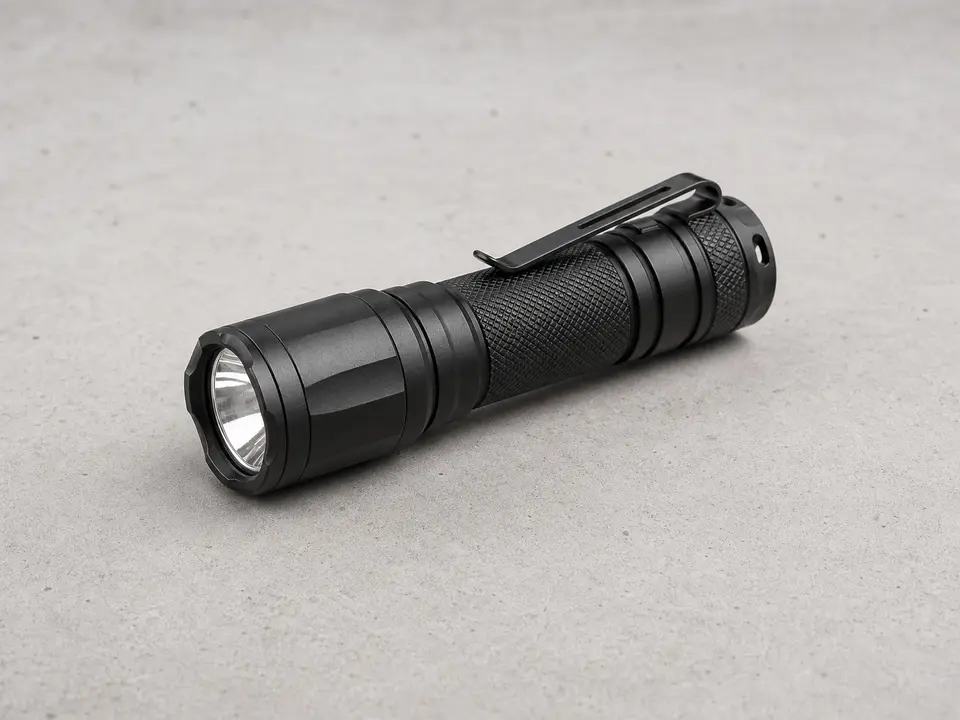
Flashlight
Use it for: To see the furnace switch, filter slot, sight window, and any blinking status light.
Find a flashlightTo reset a furnace after lockout, first make sure the thermostat is actually calling for heat and the furnace has power, airflow, and fuel. Then use the furnace power switch or breaker to shut it off for about 30 seconds, restore power, and watch for a normal ignition and heating cycle.
A furnace usually goes into lockout because it failed to light or sensed an unsafe condition too many times in a row. A reset can get it running again, but it only holds if you fix the simple cause first, like a dirty filter, dead thermostat batteries, or a tripped switch.
Before you start: There is no universal lockout reset part. Match any filter, batteries, or tools to your furnace size and thermostat type before ordering.
Use it for: To see the furnace switch, filter slot, sight window, and any blinking status light.
Find a flashlight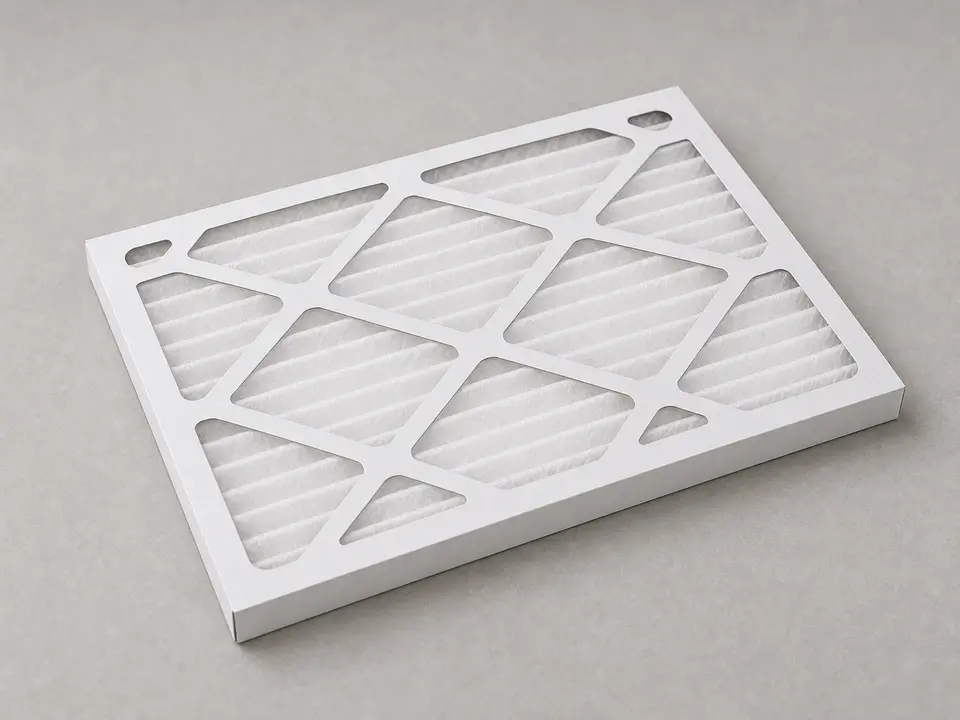
Use it for: A clogged filter can overheat the furnace or restrict airflow enough to trigger repeated faults.
Shop furnace air filters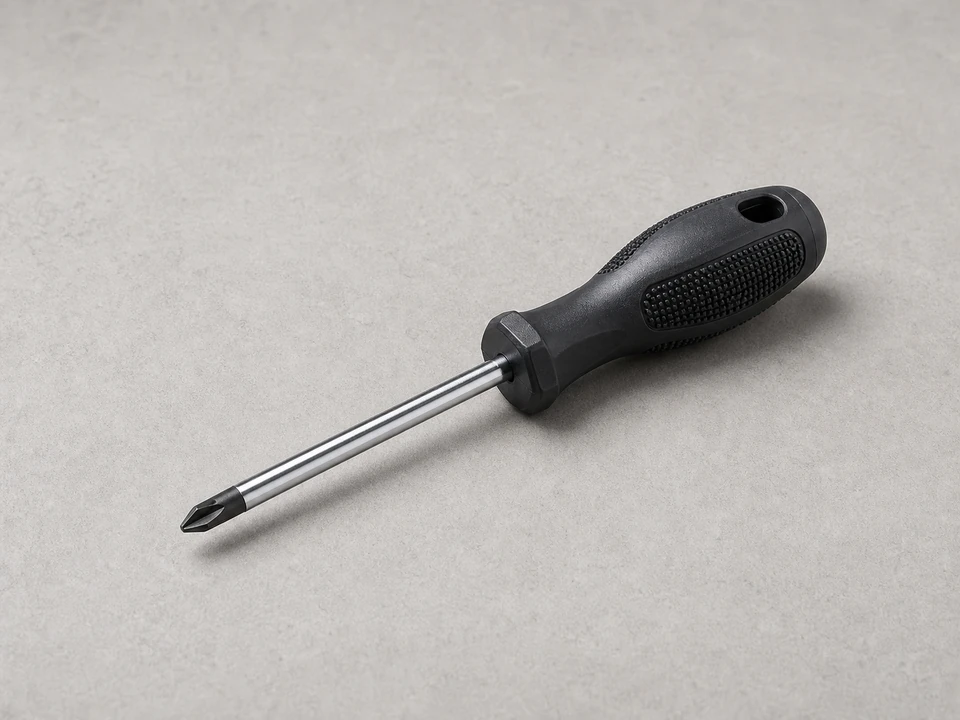
Use it for: To open the blower door or access panel if your furnace uses screws.
Find a screwdriver set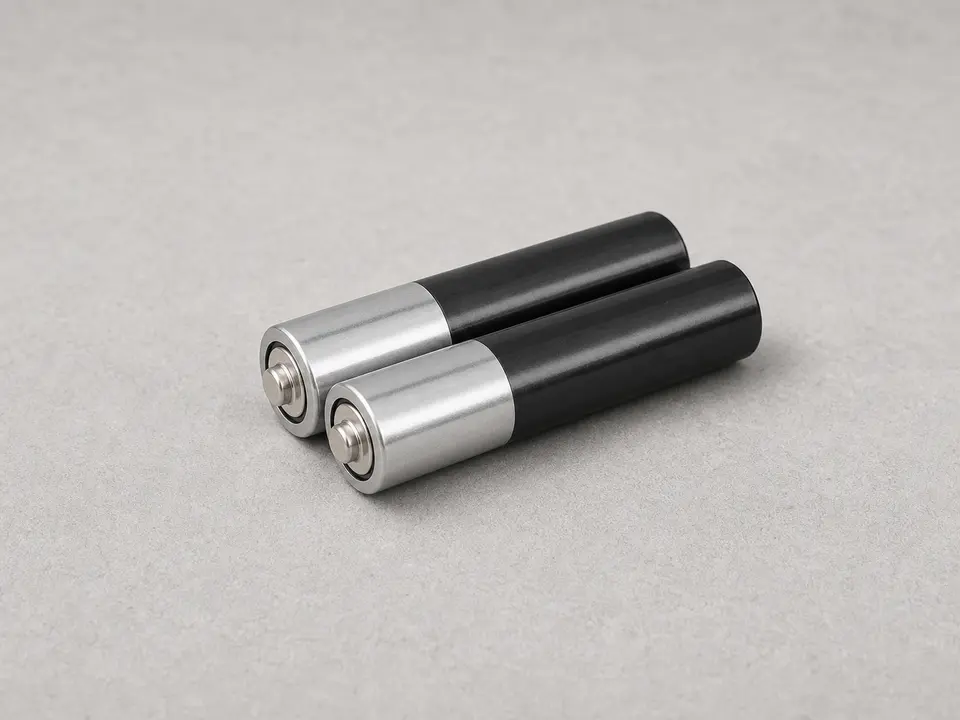
Use it for: Weak batteries can keep the thermostat from sending a steady heat call.
Shop thermostat batteries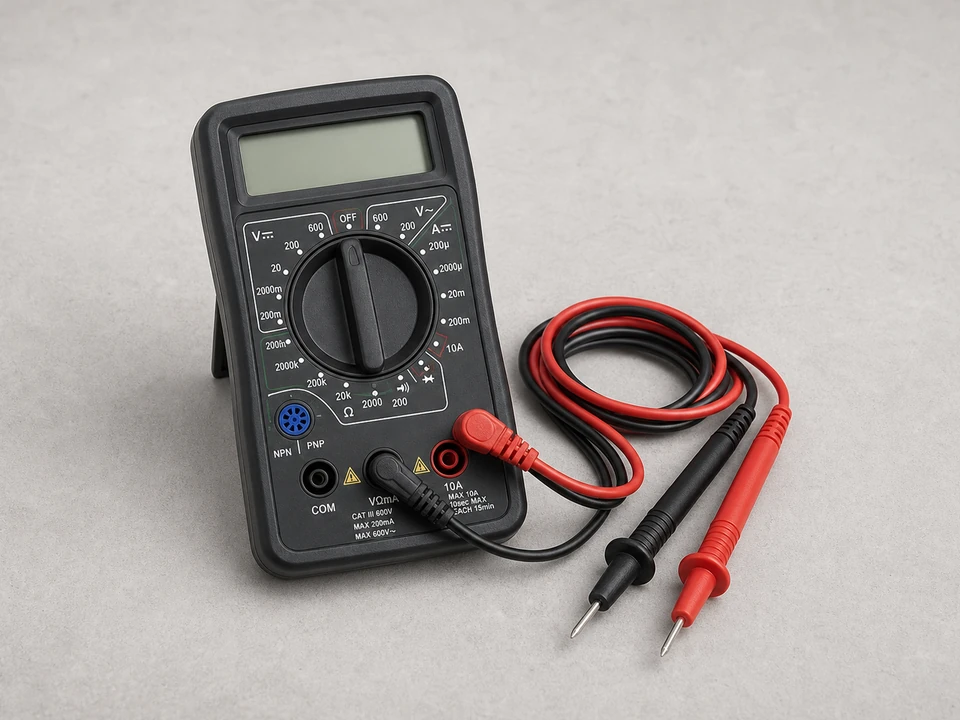
Use it for: To confirm the furnace is getting power if the switch and breaker look normal but nothing responds.
Find a multimeterAs an Amazon Associate I earn from qualifying purchases. Repair Riot may earn a commission at no extra cost to you.
If it works: You have confirmed the furnace is not heating normally and a basic reset is a reasonable next step.
If it doesn’t: If the furnace is heating the house normally now, do not reset it. Keep an eye on it through the next full heating cycle instead.
If it works: You have ruled out the most common homeowner-fix issues that can cause a lockout to come right back.
If it doesn’t: If you find a clogged filter, dead batteries, or a switched-off furnace, correct that first and then try a normal call for heat before doing a full reset.
If it works: The furnace has been power-cycled and is ready to attempt a fresh startup.
If it doesn’t: If the furnace does not respond at all after power is restored, recheck the service switch, breaker, blower door fit, and thermostat settings.
If it works: You now know whether the reset actually restored a normal heating cycle or whether the furnace is locking out again for the same reason.
If it doesn’t: If it starts and then fails again, note exactly where the sequence stops. That pattern helps narrow down whether the problem is ignition, flame sensing, airflow, or drainage.
If it works: You have addressed the last common homeowner-level causes that can make a reset fail right away.
If it doesn’t: If no simple issue is found and the furnace still returns to lockout, the problem likely needs diagnosis rather than more resets.
If it works: The furnace reset held through real operation and the system is heating normally again.
If it doesn’t: If the furnace locks out again within the next one or two cycles, stop resetting it and schedule service with the startup pattern or status light code you observed.
Usually because it failed to ignite several times, lost flame signal, overheated from poor airflow, or detected another unsafe condition. The lockout is there to stop repeated unsafe starts.
No. One reset after checking the simple causes is reasonable. Repeated resets can hide a real ignition, airflow, drainage, or control problem that needs repair.
About 30 seconds to 1 minute is usually enough for a full power cycle. If your system has a specific reset procedure on its label or manual, follow that instead.
It can. A badly clogged filter can restrict airflow enough to overheat the furnace or cause limit trips that lead to shutdowns and repeat faults.
Recheck the thermostat setting, batteries, breaker, service switch, and that the blower door is fully closed. If those are all correct and it still does nothing, the issue is likely beyond a basic reset.