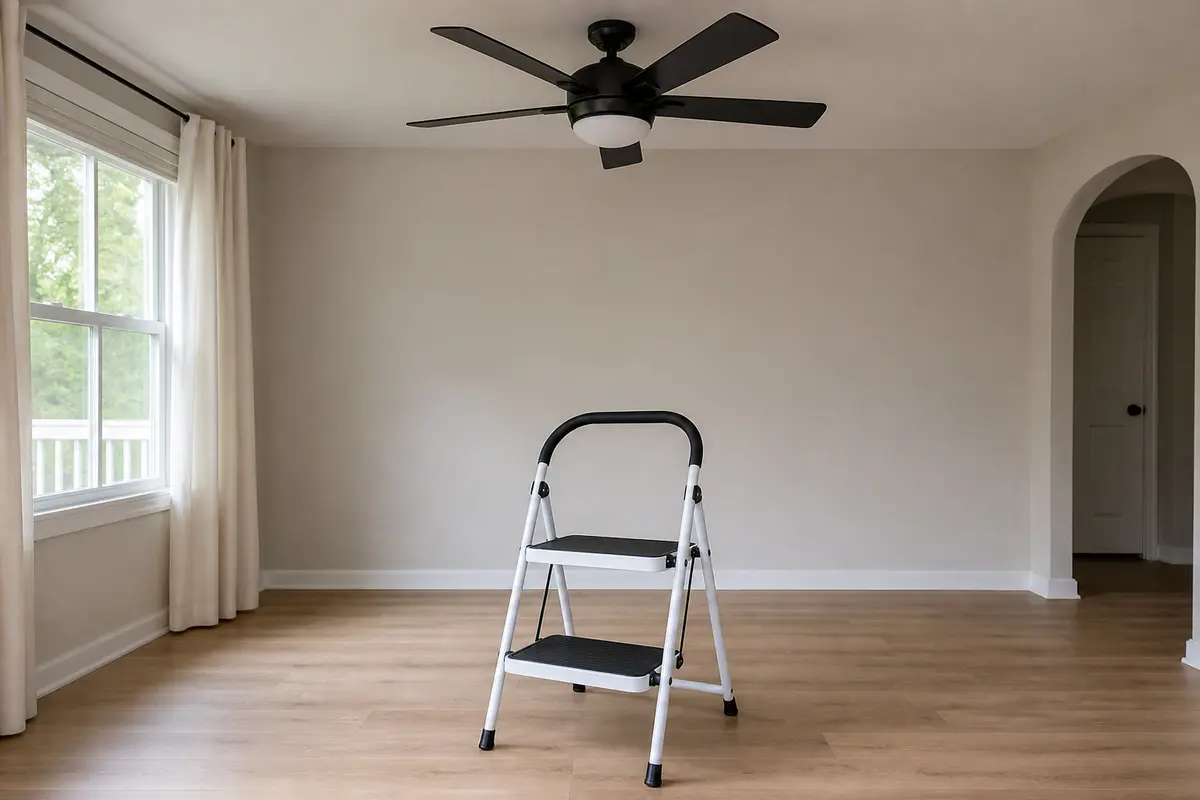
Step stool or ladder
Use it for: Lets you reach the detector safely without stretching.
Find a step stoolTo reset a hardwired smoke detector, first make sure the alarm is not still sensing smoke or steam, then restore or confirm power, replace the backup battery if needed, and press and hold the test or reset button until the unit clears.
A hardwired smoke detector usually needs a reset after a power interruption, a low backup battery, nuisance alarms from steam or dust, or after the alarm has been triggered. The goal is to clear the cause first, then reset the detector and confirm it returns to normal standby operation.
Before you start: Match the battery type and alarm style before ordering. Hardwired alarms often still use a backup battery, and replacement alarms need to be compatible with your existing wiring connector or mounting setup.
Use it for: Lets you reach the detector safely without stretching.
Find a step stool
Use it for: Useful for wiping dust from the outside of the alarm.
Shop microfiber cloths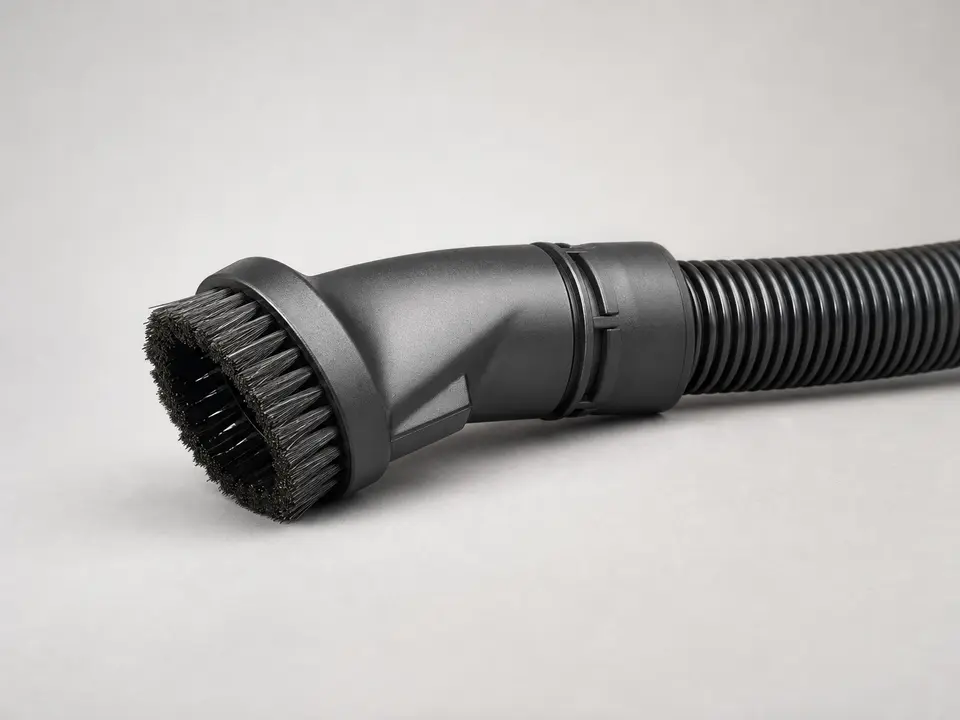
Use it for: Helps remove dust or cobwebs from the alarm vents.
Find a vacuum brush attachment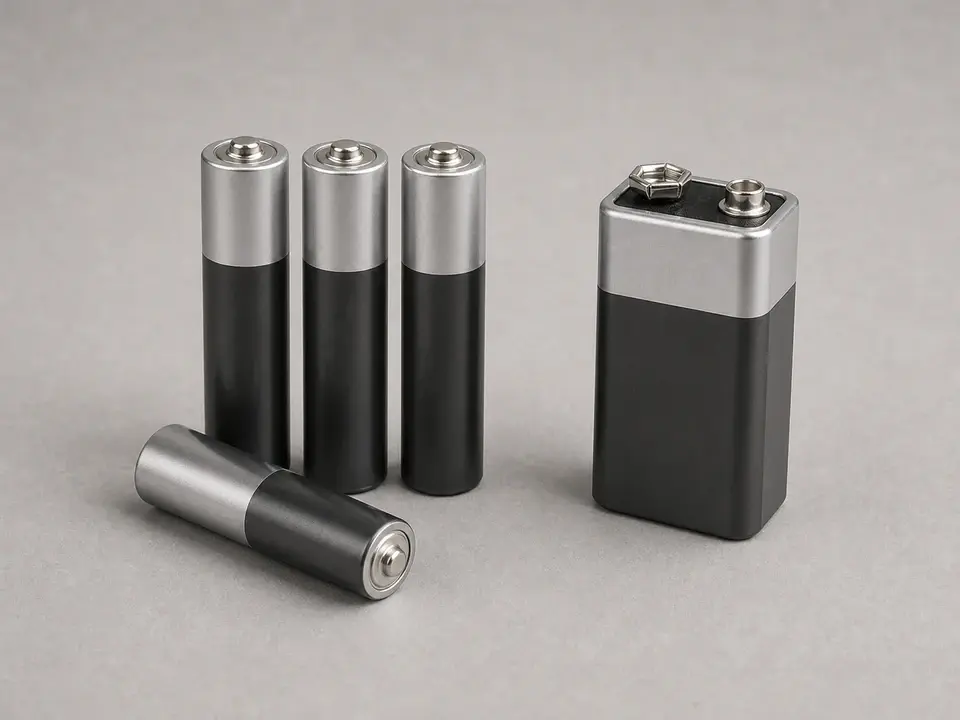
Use it for: Many hardwired smoke detectors still rely on a battery for backup and chirp or lock into trouble mode when it is weak.
Shop smoke detector batteries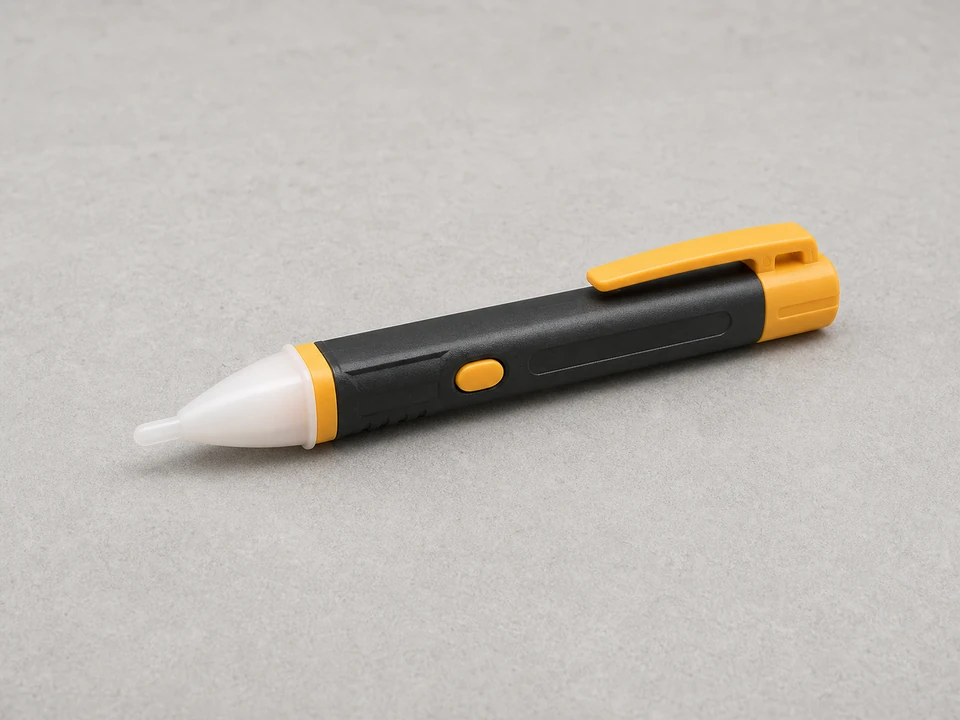
Use it for: Helps confirm whether power is present before you assume the detector itself is the problem.
Find a non-contact voltage testerAs an Amazon Associate I earn from qualifying purchases. Repair Riot may earn a commission at no extra cost to you.
If it works: You have a likely non-emergency reason for the alarm and a reset makes sense.
If it doesn’t: If you cannot identify a harmless trigger, treat it as a real alarm first and clear the home before troubleshooting.
If it works: The detector is clean, the air around it is clear, and the backup battery is not the obvious problem.
If it doesn’t: If the alarm keeps sounding in clean air after several minutes, continue to the power and reset steps to narrow it down.
If it works: The detector has house power, backup power, or both, and is ready to be reset.
If it doesn’t: If there is no power to the alarm circuit, restore power first. If power will not stay on, the issue is beyond a simple reset.
If it works: The detector stops the nuisance alarm or chirp and returns to normal standby mode.
If it doesn’t: If the detector will not reset after power is restored and the battery is fresh, the unit may be at end of life or the problem may be coming from another interconnected alarm.
If it works: The detector responds to a test and then returns to normal without repeated chirping or false alarms.
If it doesn’t: If the detector fails its test, keeps chirping with a new battery, or repeatedly re-alarms in clean air, replacement or further diagnosis is the better next step.
If it works: The alarm stays in normal standby and only sounds during an intentional test.
If it doesn’t: If the problem returns soon, replace the backup battery again only if the first one was questionable; otherwise plan on replacing the detector or having the circuit checked.
Most hardwired smoke detectors also use a backup battery. A weak battery, a battery drawer that is not fully closed, or an end-of-life warning can all cause chirping even when house power is present.
Not always. Many detectors reset by clearing the alarm condition and holding the test or reset button. Turning off the breaker is only useful if you need a full power cycle and can safely identify the correct circuit.
Many hardwired alarms are interconnected. When one detector senses smoke or goes into alarm, it can signal the others to sound too.
Hold it until the detector responds and returns to standby. That is often several seconds, not just a quick tap.
Replace it if it will not pass a test, keeps false alarming in clean air after cleaning and battery replacement, or gives an end-of-life warning. Older detectors also become less reliable over time.