Wiring intermittent power in bedroom
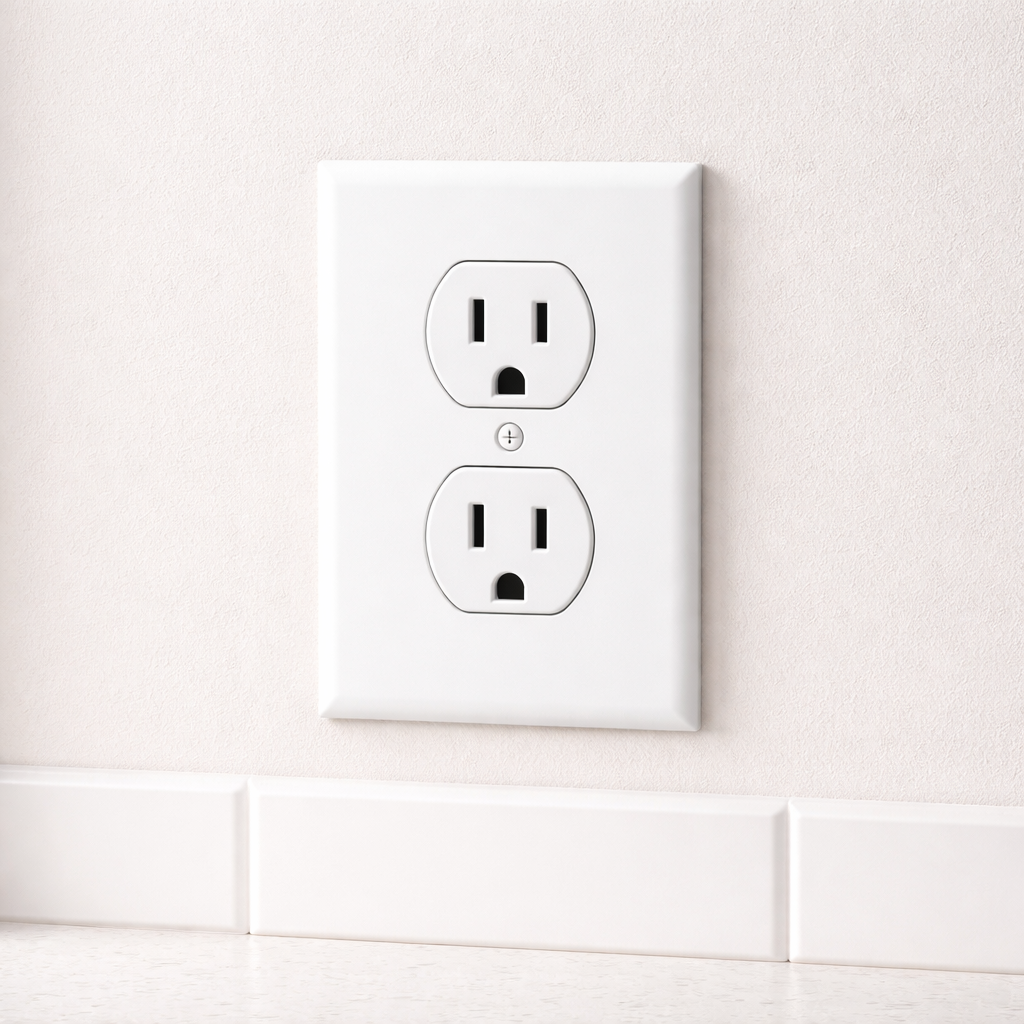
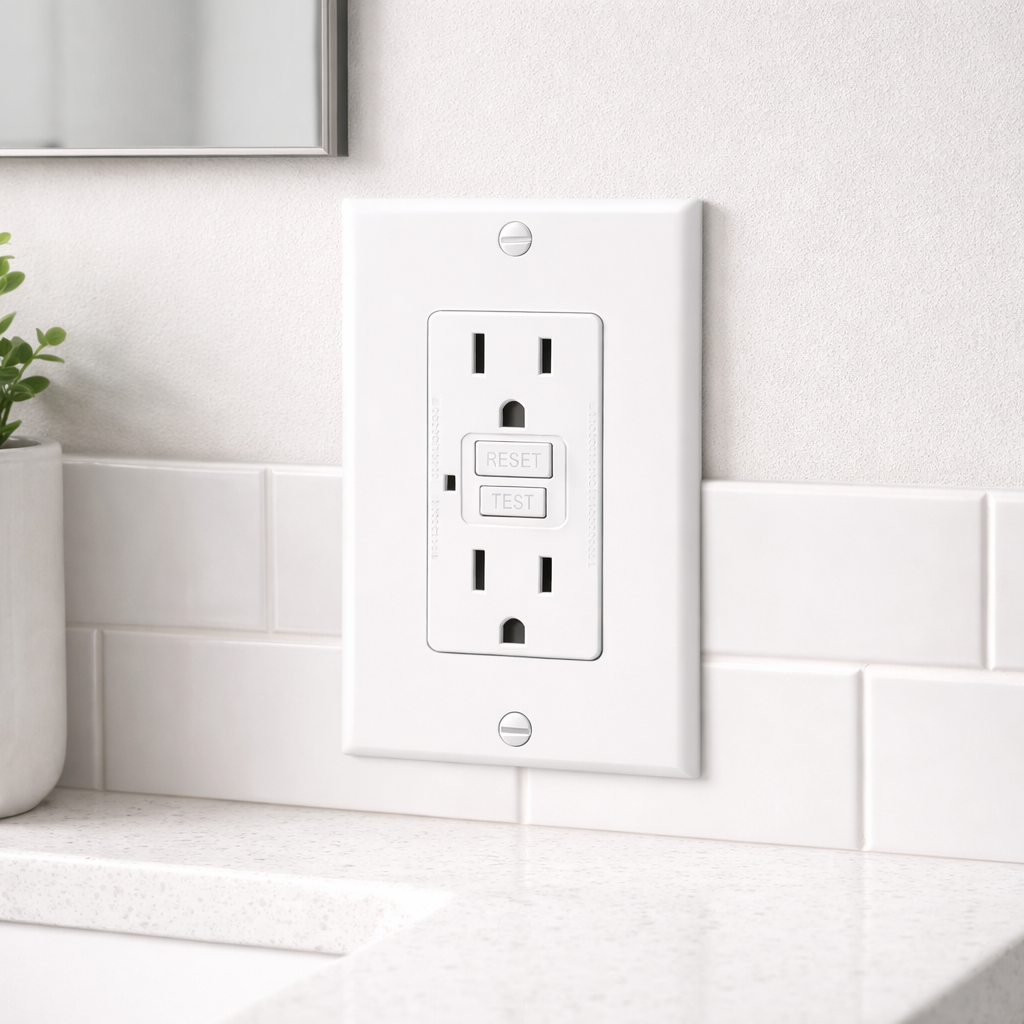
If bedroom power cuts in and out, start with breaker and GFCI checks, then stop early for heat, smell, buzzing, or loose-connection signs and call an electrician.
Use these guides to recognize wiring warning signs, isolate safer first checks, and know when the repair should stop.
If bedroom power cuts in and out, start with breaker and GFCI checks, then stop early for heat, smell, buzzing, or loose-connection signs and call an electrician.
Buzzing in a wall can come from a dimmer, outlet, fixture, loose connection, or breaker issue. Start outside the wall and stop for heat or odor.
If you found chewed electrical wires under a subfloor, treat it as a fire and shock hazard first. Learn what to shut off, what to inspect safely, and when to call an electrician.
If you smell burning electrical odor in a wall, treat it as urgent. Shut off the affected circuit if you can do it safely, look for heat or discoloration, and call an electrician when the source is not obvious and safe.
If you notice an electrical smell after rain, treat it as a moisture-and-wiring safety issue first. Check where the smell is strongest, look for wet fixtures or devices, and stop early if there is heat, buzzing, or breaker trouble.
If you smell something electrical after a storm, treat it as a safety issue first. Check for wet devices, tripped breakers, and storm damage, then know when to shut power off and call an electrician.
If you smell burning electrical wiring, treat it as a possible fire hazard. Start by shutting off power to the affected area, then narrow down whether the smell is coming from a device, outlet, switch, light, or hidden wiring before calling an electrician.
A repeatable tingle from a metal appliance is unsafe. Unplug safely, check outlet and grounding faults, and get a professional if leakage continues.
If power started cutting in and out after a remodel, treat it like a loose or disturbed connection until proven otherwise. Start with breaker and GFCI checks, then stop early for heat, smell, buzzing, or panel work.
If a light and outlet on the same circuit both lost power, start with the breaker, nearby GFCI outlets, and signs of a loose connection. Stop early for heat, smell, or buzzing.
Find out why lights dim when the heat turns on, when a small dip is normal, and when it points to a loose connection, overloaded circuit, or HVAC electrical problem that needs a pro.
A tiny light dip can be normal motor startup. Strong, repeated, or house-wide dimming can mean a loose connection, overloaded circuit, or service problem.
Find out why lights flicker when the AC starts. Check whether it is a normal brief dip, a weak connection, an overloaded circuit, or a service issue, and know when to stop and call an electrician.
Mice chewed AC condenser wire? Turn cooling off first, sort low-voltage control wire from power wiring, and know when to call HVAC or electrical service.
If mice chewed basement wiring, treat it as a fire and shock risk first. Learn what to shut off, what to inspect safely, and when to call an electrician.
If mice chewed a coax cable in the attic, treat it as a damage-and-safety problem first. Check for exposed conductor, service loss, and nearby electrical damage before calling the cable provider or an electrician.
If mice chewed wires in your crawlspace, treat it as a fire and shock hazard first. Learn what to shut off, what to inspect safely, and when to call an electrician.
If mice chewed a dishwasher wire, treat it as a fire and shock risk first. Learn what to shut off, what to inspect safely, and when to call an electrician or appliance tech.
If mice chewed a doorbell wire, treat it as damaged low-voltage wiring first. Learn what you can safely check, when to shut power off, and when to call an electrician.
If mice chewed electrical wire in your attic, treat it as a fire and shock hazard. Learn the safe first checks, what to shut off, and when to call an electrician fast.
If mice chewed electrical wire in a wall, treat it as a fire and shock hazard. Start by shutting off the affected circuit, checking for heat, smell, or tripping, and getting an electrician involved for hidden wire damage.
If mice chewed a furnace wire, treat it as a safety issue first. Check for heat, smell, tripped breakers, and visible damage, then know when to stop and call an HVAC or electrical pro.
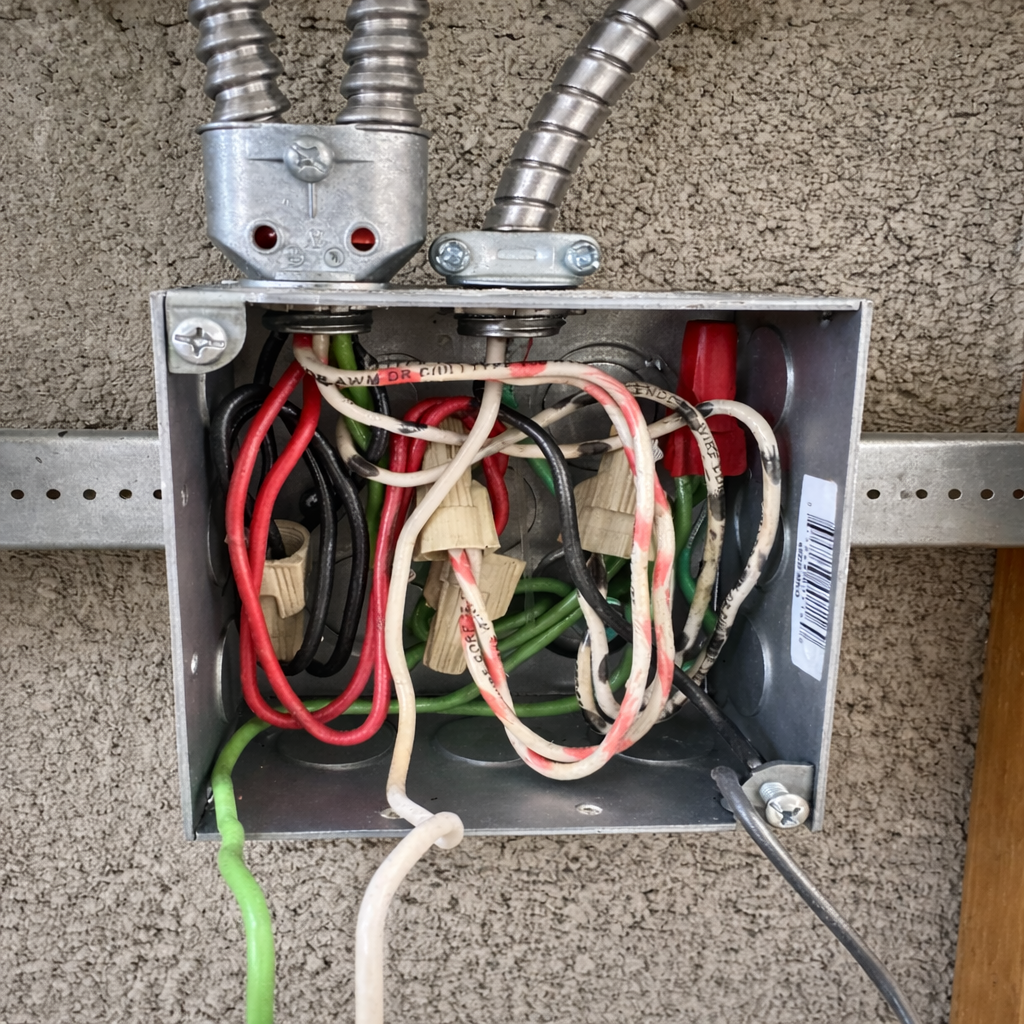
If mice chewed wire inside a junction box, treat it as a fire and shock hazard. Start by shutting off the circuit, checking for heat or burning smell, and deciding when to stop and call an electrician.
If mice chewed a low voltage wire, start by making the area safe, identifying what the cable serves, and checking for hidden damage before restoring power or patching anything.