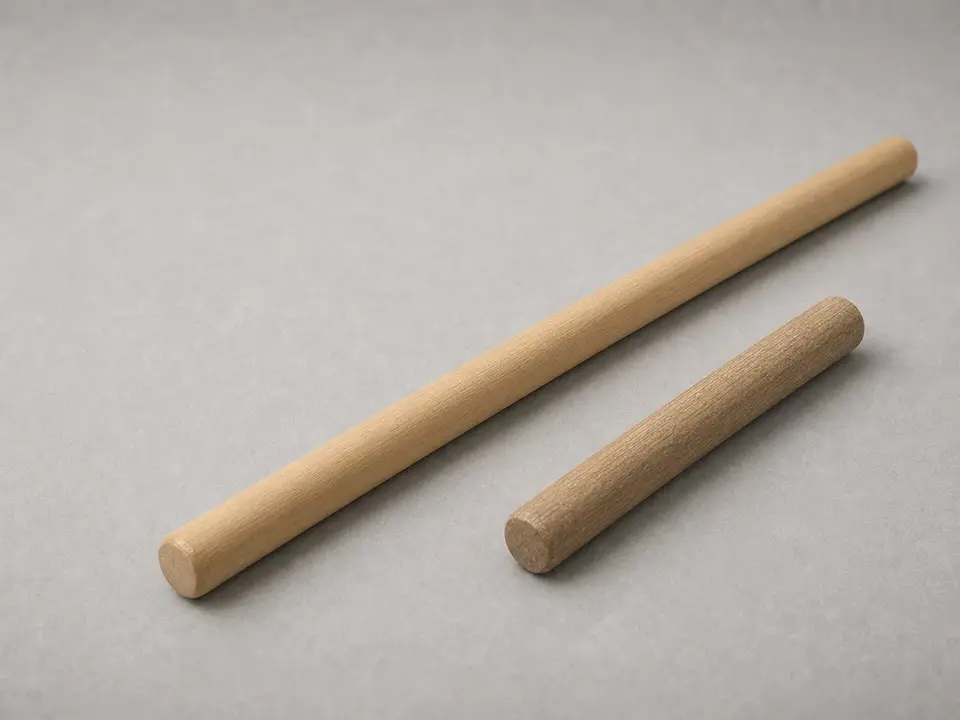
Broom handle or other blunt wooden dowel
Use it for: To probe the salt bed and break the crust without using a sharp metal tool.
Find a wooden broom handleTo break up a water softener salt bridge, confirm there is a hard crust of salt with empty space underneath, then carefully break that crust apart with a blunt tool, remove loose chunks, and make sure the salt can fall freely to the bottom of the brine tank.
A salt bridge is a hardened layer of salt that looks like the tank is full even though the softener cannot reach usable salt below it. This is usually a simple homeowner fix if you work gently and avoid cracking the tank or poking internal parts.
Before you start: You usually do not need a replacement part for this job. Use a non-sharp tool long enough to reach the salt crust without damaging the brine tank. Stop if the repair becomes unsafe or unclear.
Use it for: To probe the salt bed and break the crust without using a sharp metal tool.
Find a wooden broom handle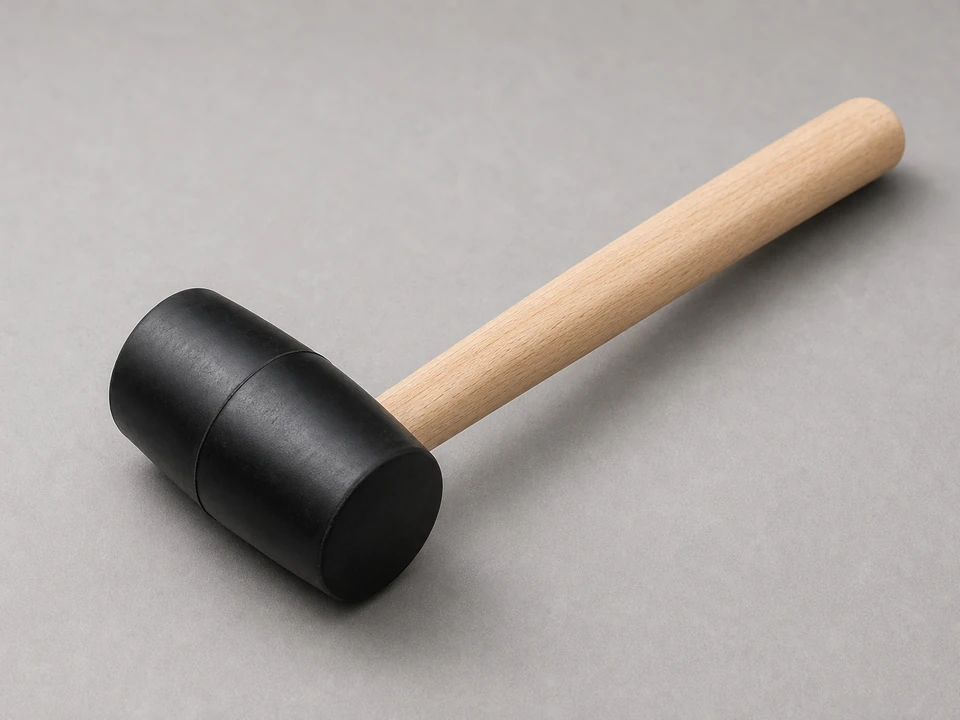
Use it for: To tap the handle lightly if the bridge is stubborn.
Shop rubber mallets
Use it for: To protect your hands while lifting salt chunks out of the tank.
Get work gloves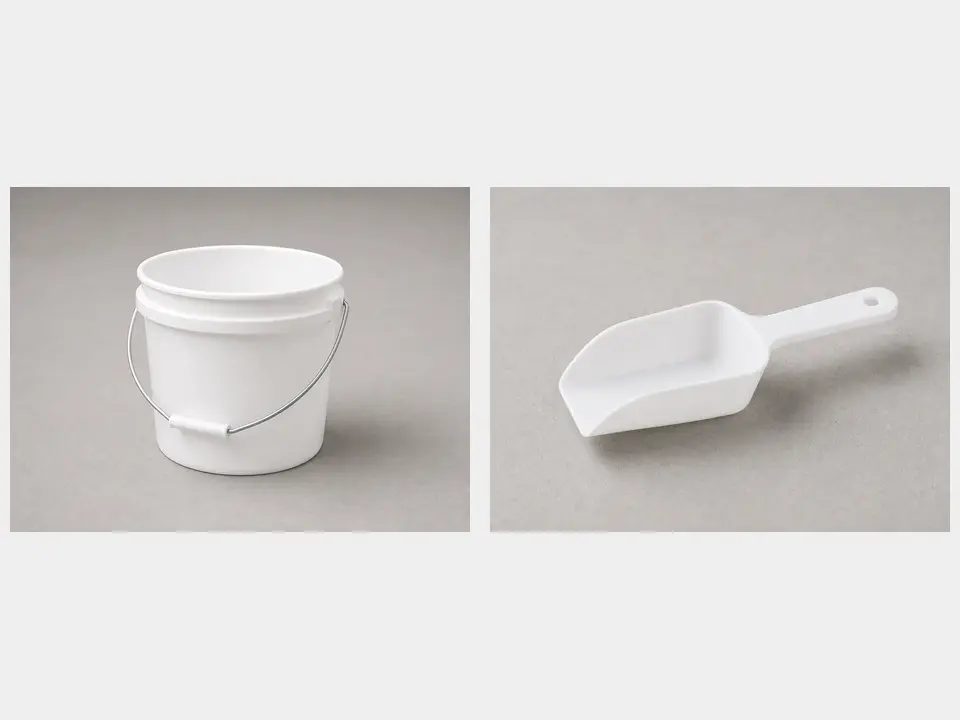
Use it for: To remove broken salt pieces so they do not re-pack into a hard layer.
Find a utility scoop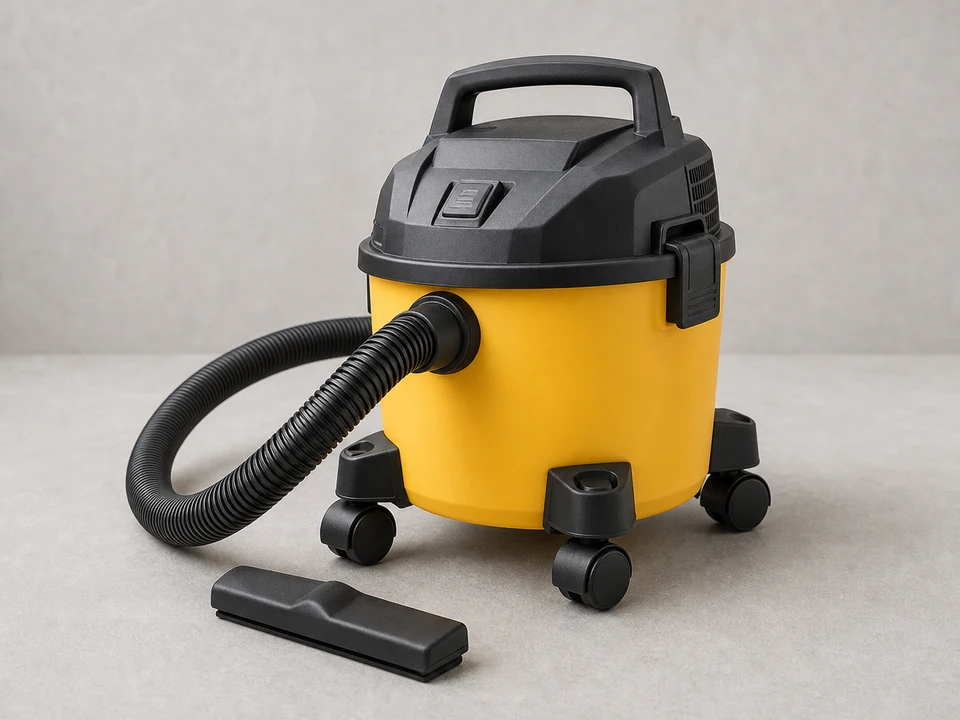
Use it for: To clean out loose salt debris near the top of the tank if needed.
Shop wet dry vacsAs an Amazon Associate I earn from qualifying purchases. Repair Riot may earn a commission at no extra cost to you.
If it works: You found a hard salt crust with a hollow space underneath, which confirms a salt bridge.
If it doesn’t: If the salt is loose all the way down, the problem is likely something else such as mushy salt at the bottom, low salt, or a separate softener issue.
If it works: You are ready to break the bridge without putting side pressure on the tank.
If it doesn’t: If you cannot reach the bridge safely from above, use a longer blunt handle rather than forcing the tool at an angle.
If it works: The solid crust has broken apart and the handle can move through the former bridge area.
If it doesn’t: If the crust still feels solid, keep working in a wider pattern around the tank and use light taps rather than heavy blows.
If it works: The tank no longer has a hard shelf, and the salt bed is loose and more even.
If it doesn’t: If you find mostly wet, heavy salt sludge at the bottom instead of a crust, you may be dealing with salt mushing rather than a bridge.
If it works: The brine tank has a manageable amount of loose salt and the lid is back in place.
If it doesn’t: If the salt you have is damp or already clumped in the bag, replace it with dry softener salt before refilling.
If it works: The salt level begins dropping normally over time, and the softener appears to be working again.
If it doesn’t: If the softener still is not using salt, look next for salt mushing, a clogged injector, a brine draw problem, or a control issue.
A salt bridge is a hard crust of salt that forms above the usable salt or water in the brine tank. It can make the tank look full even though the softener cannot draw salt properly.
It is better not to. A sharp or heavy metal tool can crack the brine tank or damage parts inside it. A wooden broom handle or other blunt tool is the safer choice.
Salt bridges are often caused by humidity, temperature swings, overfilling the tank, or salt that has absorbed moisture and hardened. Keeping the lid closed and avoiding long periods with an overfull tank can help.
That is usually salt mushing, not a bridge. In that case, the fix is different and may involve removing the mush, cleaning the tank, and checking the brine draw system.
The easiest sign is that the softener starts using salt again over the next few days. You may also notice improved water feel, less spotting, or fewer other hard water symptoms after the system regenerates.