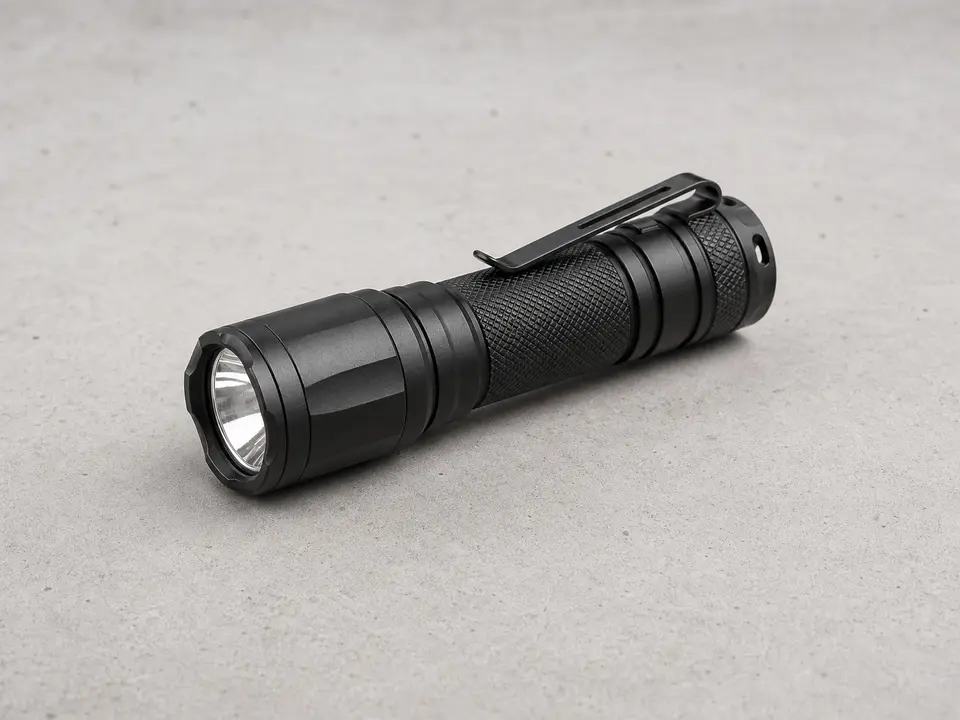
Flashlight
Use it for: Helps you spot staining, swollen edges, gaps, and surface changes in low light or along walls.
Get a bright inspection flashlightTo check a floor for moisture damage, start by looking for swelling, staining, soft spots, musty odor, and changes in level or feel underfoot. Then confirm suspicious areas with a moisture meter and trace the moisture source before deciding on repair.
Moisture damage usually shows up as movement, staining, softness, or odor before a floor fully fails. A careful check helps you tell the difference between a cosmetic issue and a leak or long-term dampness that needs real repair.
Before you start: A pinless meter is the easiest choice for finished flooring. If you are checking exposed subfloor or framing, a pin-type meter can give more direct readings. Stop if the repair becomes unsafe or unclear.
Use it for: Helps you spot staining, swollen edges, gaps, and surface changes in low light or along walls.
Get a bright inspection flashlight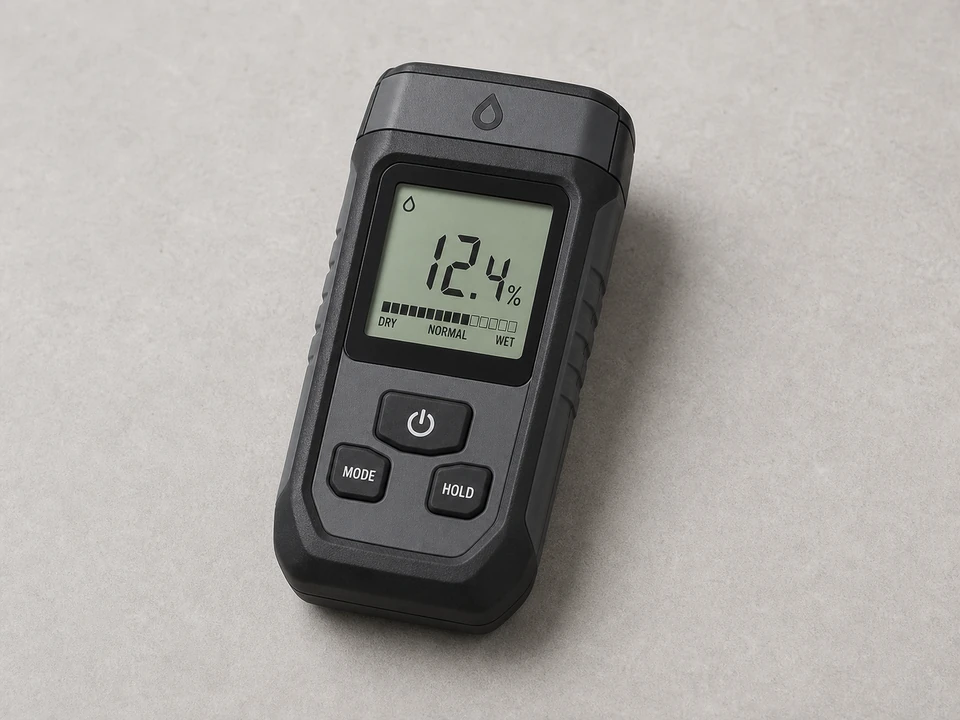
Use it for: Confirms whether a suspicious area is actually damp instead of just stained or worn.
Shop moisture meters for flooring
Use it for: Lets you mark suspect spots so you can compare them later or track whether the area is spreading.
Pick up painter's tape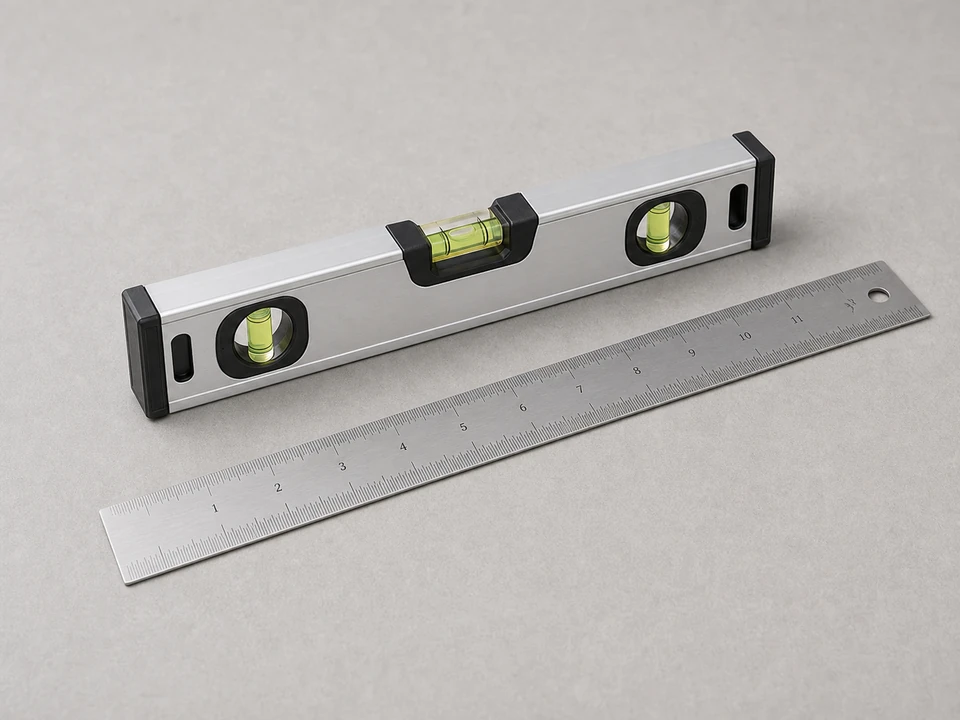
Use it for: Shows whether the floor has cupping, crowning, sagging, or raised edges.
Find a long level or straightedge
Use it for: Useful for wiping up surface moisture so you can tell whether dampness is active or just leftover residue.
Buy shop towelsAs an Amazon Associate I earn from qualifying purchases. Repair Riot may earn a commission at no extra cost to you.
If it works: You have a specific area and a few clear symptoms that make moisture damage a reasonable concern.
If it doesn’t: If you do not see staining, odor, softness, swelling, or dampness, monitor the floor for a few days and check again after rain, cleaning, or normal use.
If it works: The floor surface is visible, dry enough to inspect, and marked where it looks questionable.
If it doesn’t: If the area keeps getting wet while you are inspecting, focus on finding the active source before judging the floor condition.
If it works: You know whether the floor problem is mostly surface-level, localized, or affecting the material underneath.
If it doesn’t: If you cannot tell whether the floor is changing shape, compare it to an unaffected room and recheck with the straightedge from several directions.
If it works: You have comparison readings that help confirm whether moisture is active, localized, or likely old damage that has already dried.
If it doesn’t: If you do not have a meter, use the visual and feel checks for now and watch the area over time, especially after rain, bathing, cooking, or appliance use.
If it works: You have a likely source or at least a clear pattern that explains why the floor is getting wet.
If it doesn’t: If you cannot find the source, check again during the conditions that seem to trigger it, such as shower use, dishwasher cycles, rain, or heavy humidity.
If it works: The floor stays dry and stable in real use, and you know whether you are dealing with a monitor-only issue or a repair that needs to be scheduled.
If it doesn’t: If the floor still feels soft, keeps testing wet, or the marked area expands, move on to drying, leak repair, or floor replacement planning instead of waiting.
Common signs are staining, swollen edges, cupping, bubbling finish, loose tile, soft spots, musty odor, and areas that feel uneven or spongy underfoot.
Yes. Moisture often starts below the surface from plumbing leaks, slab moisture, crawlspace humidity, or water trapped under flooring. That is why comparing readings with a moisture meter helps.
Not always, but it makes the check much more reliable. Visual clues and soft spots can point you in the right direction, while a meter helps confirm whether the problem is active moisture or old staining.
Stop if the floor feels unsafe, the subfloor looks rotten, moisture keeps returning, or the source seems hidden inside a wall, under a tub, or under finished flooring that may need to be opened up.
Not always, but it is a strong clue that moisture has been present. A musty smell near a soft, stained, or swollen area makes moisture damage much more likely.