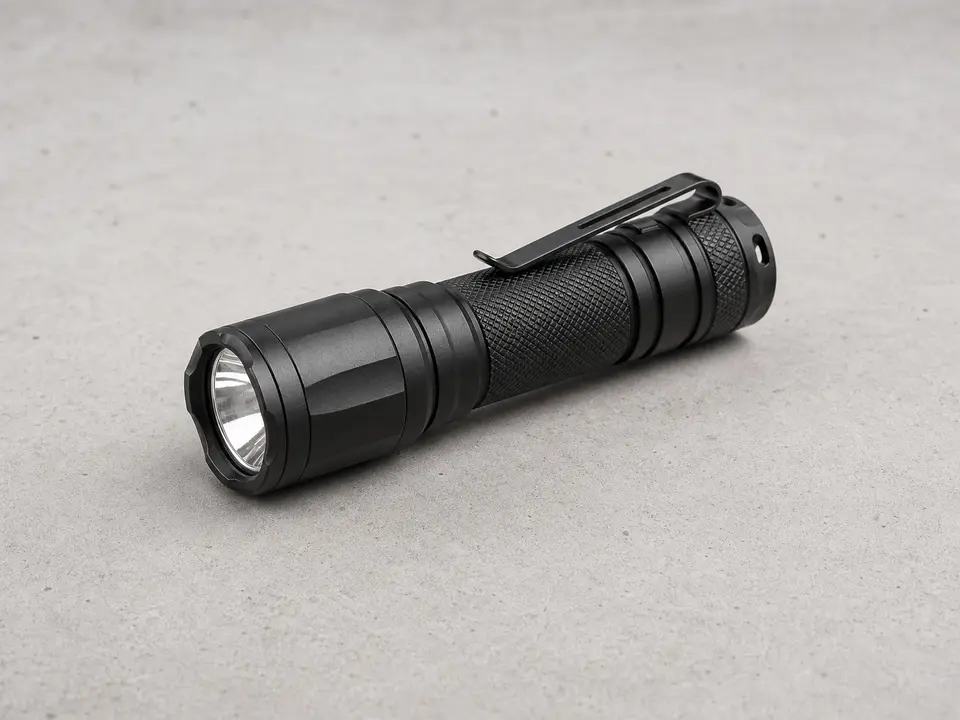
Flashlight
Use it for: Helps you see the valve body, handle, and any active drips in a basement, crawlspace, or utility area.
Shop flashlightsTo check a main water shutoff valve, find the valve where water enters the home, make sure it turns or operates smoothly, then close it briefly and confirm water flow stops at a nearby faucet before reopening it fully.
This is a simple test that tells you whether your home’s main shutoff will actually work in a leak or burst-pipe emergency. The goal is not to force an old valve. You are checking location, movement, and whether it can stop water without causing a new problem.
Before you start: Match the pipe connection type, outlet size, and shutoff orientation before ordering. Stop if the repair becomes unsafe or unclear.
Use it for: Helps you see the valve body, handle, and any active drips in a basement, crawlspace, or utility area.
Shop flashlights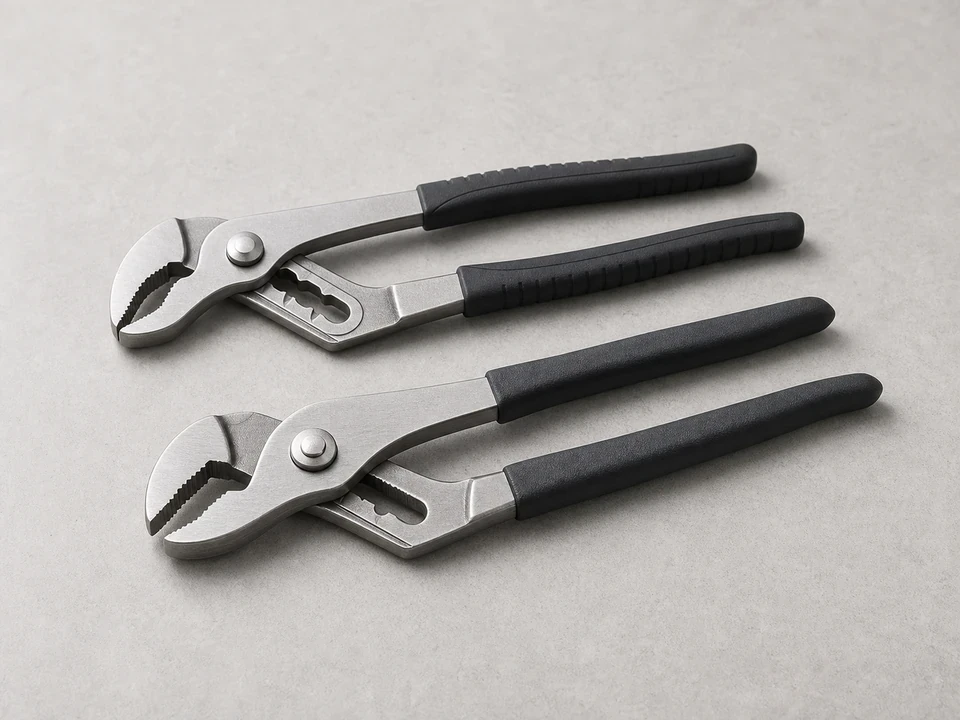
Use it for: Useful for a stubborn handle only if the valve is designed to be turned gently by hand or with light assistance.
Shop adjustable pliers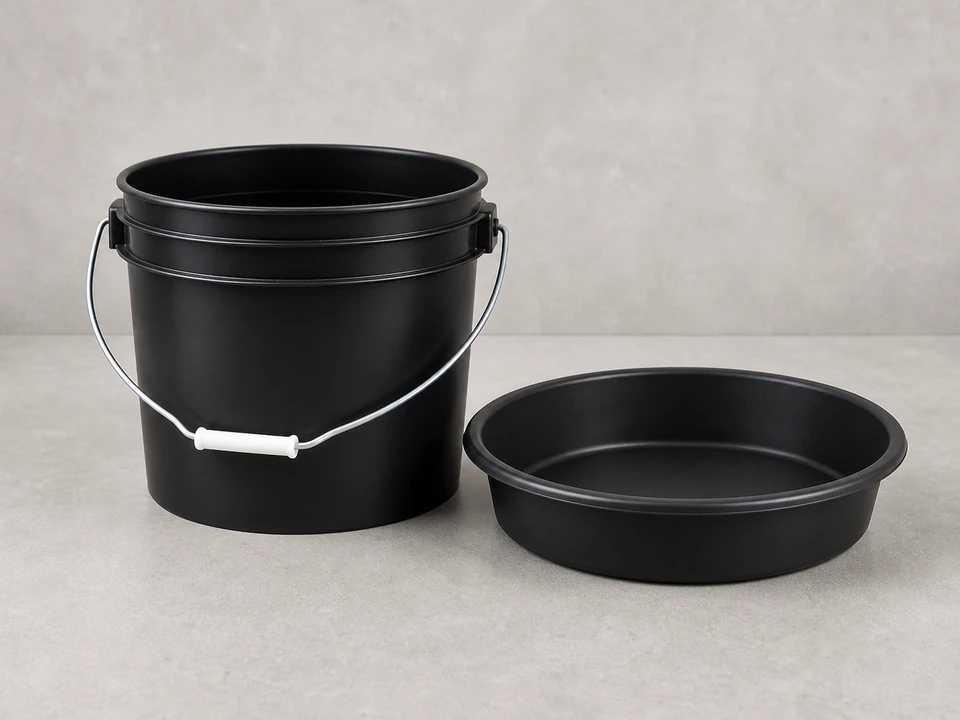
Use it for: Catches minor drips if the packing nut or stem seeps during the test.
Shop drip catch pans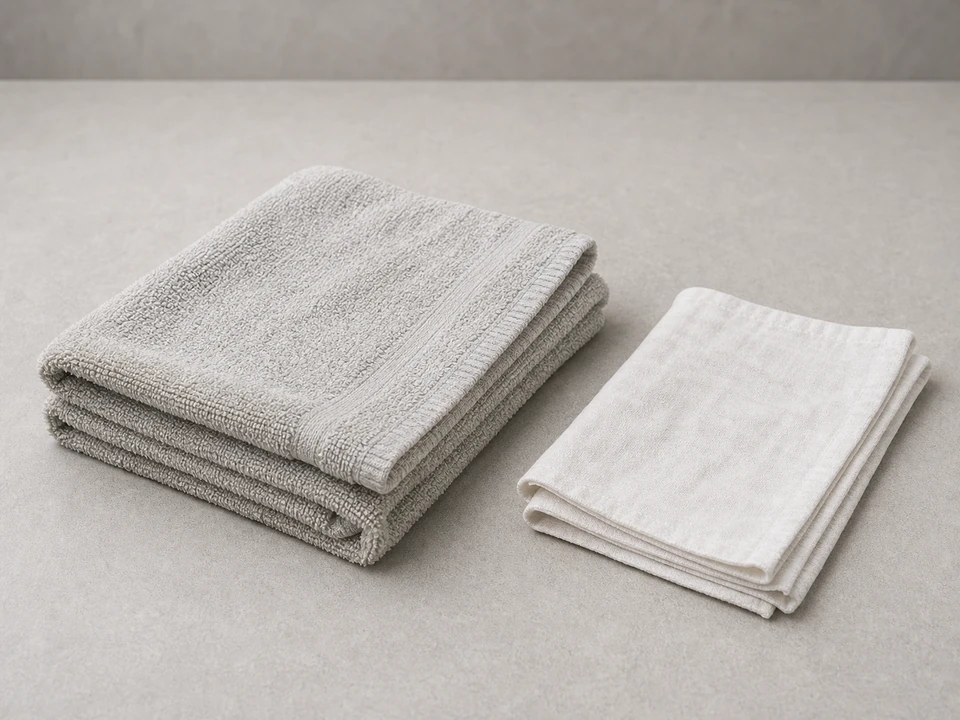
Use it for: Lets you dry the valve and surrounding pipe so you can spot fresh leaks after testing.
Shop shop towelsAs an Amazon Associate I earn from qualifying purchases. Repair Riot may earn a commission at no extra cost to you.
If it works: You have identified the home’s main shutoff valve and a nearby faucet to confirm whether water stops.
If it doesn’t: If you cannot confidently identify the main shutoff, trace the incoming water line from the meter or where the pipe enters the home, or ask your water utility where the house-side shutoff is typically located.
If it doesn’t: If you see a small seep at the stem, monitor it closely and arrange repair before the valve is needed in an emergency.
If it works: Fixtures work normally again, and the valve stays dry after real use.
If it doesn’t: If pressure is weak, flow is irregular, or the valve starts seeping later, schedule repair or replacement so the main shutoff is dependable when you need it.
A quick check once or twice a year is usually enough. The point is to make sure it still moves and still shuts off water before an emergency happens.
Stop before you force it. A stiff valve can often be replaced on your schedule, but a broken valve has to be dealt with immediately. If gentle pressure does not move it, treat that as a sign the valve needs service.
Yes, reopen it fully unless you have a specific reason to leave the house water partly restricted. The main goal is normal flow and a valve that is ready to close when needed.
A brief trickle can be normal while pressure drains out of the pipes. If water keeps running steadily, the valve may not be sealing fully or you may be testing the wrong valve.
It can on older valves with worn packing or corrosion. That is why it helps to inspect first, move the handle slowly, and watch the stem and joints closely while you test.