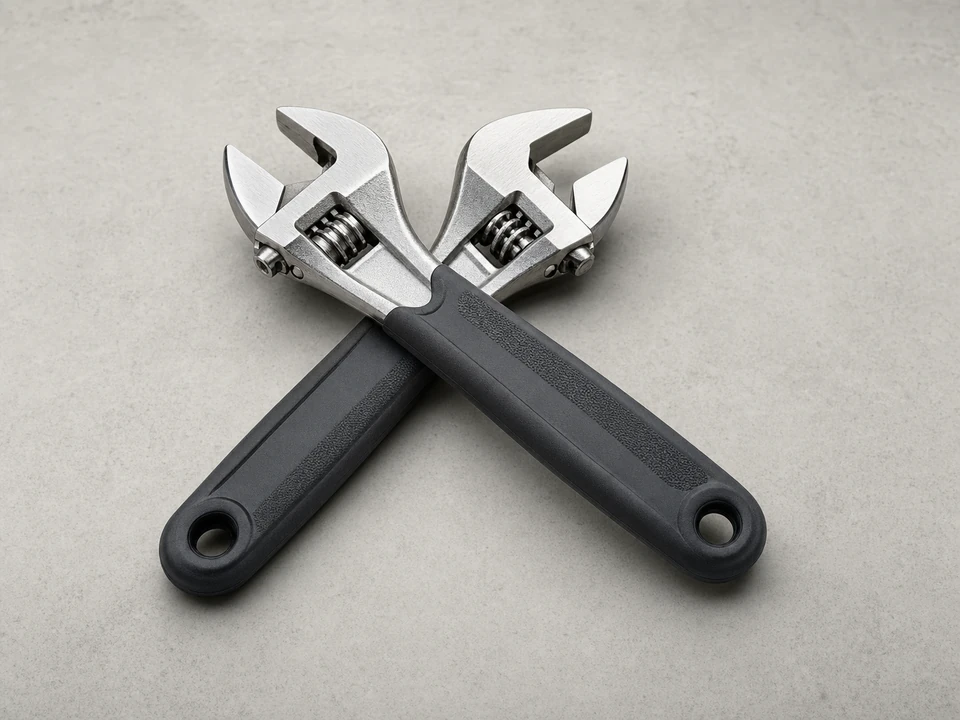
Adjustable wrench
Use it for: To loosen and tighten the supply line nuts without rounding them off.
Shop adjustable wrenchesIf the supply line at your main water shutoff is leaking, kinked, corroded, or will not seal after tightening, replacing the compression supply line is usually the right fix.
This job is mostly about getting the correct replacement, shutting the water off upstream, and making clean, square connections without over-tightening. Work slowly, keep a bucket and towels nearby, and stop if the valve body or pipe itself is damaged.
Before you start: Match the line length, end sizes, and connection type before ordering.
Use it for: To loosen and tighten the supply line nuts without rounding them off.
Shop adjustable wrenches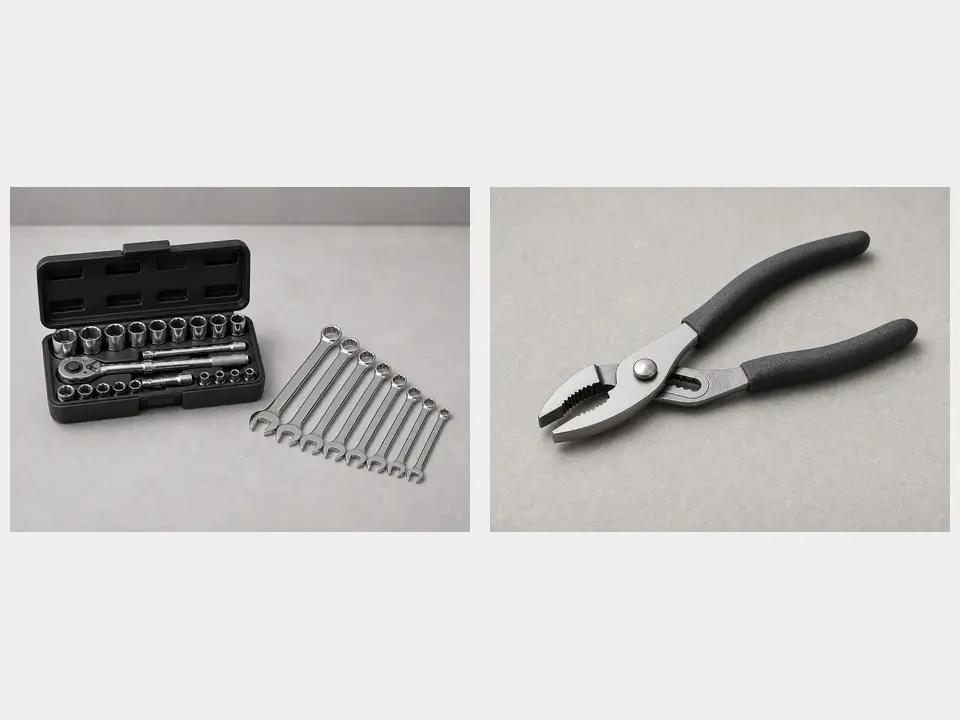
Use it for: To hold the valve or opposing fitting steady while you turn the nut.
Shop slip-joint pliers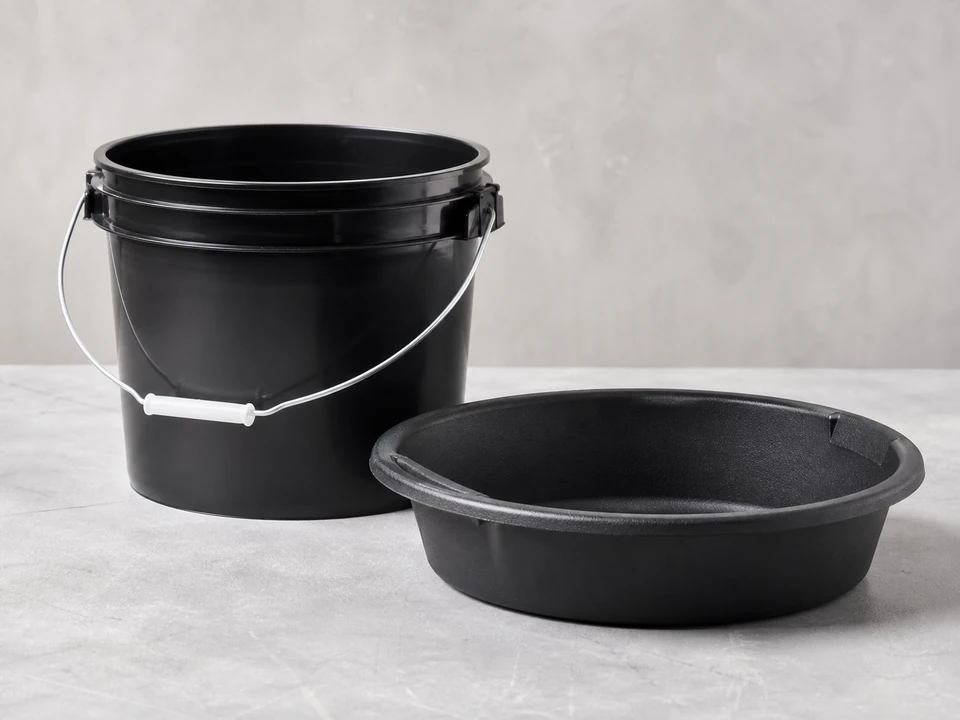
Use it for: To catch the water left in the line when you disconnect it.
Find a small utility bucket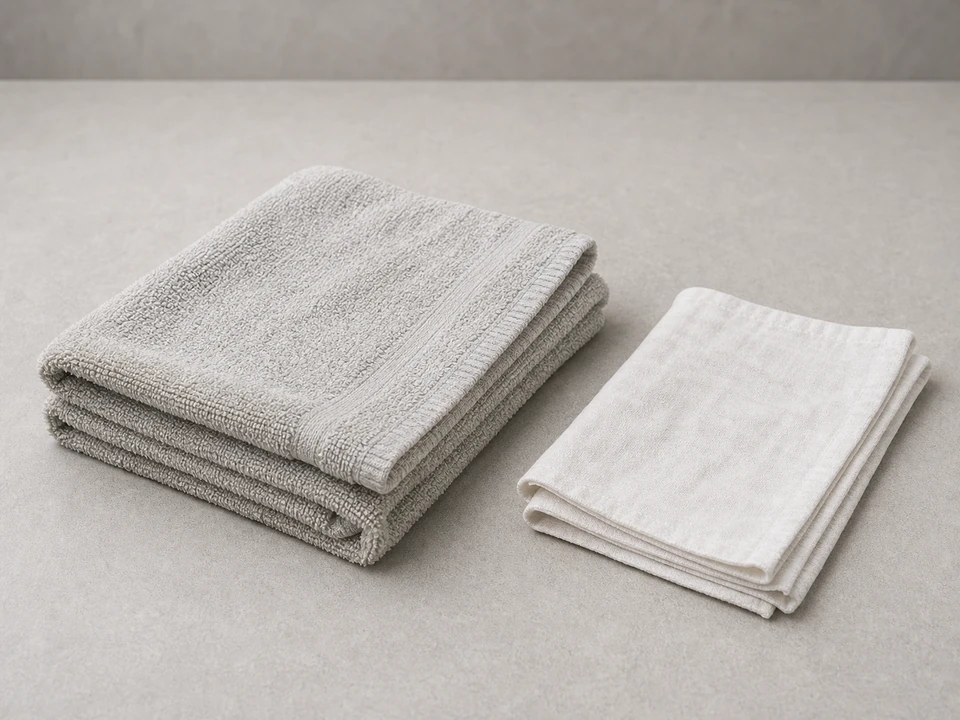
Use it for: To protect the area and wipe fittings dry for leak checks.
Shop absorbent shop towels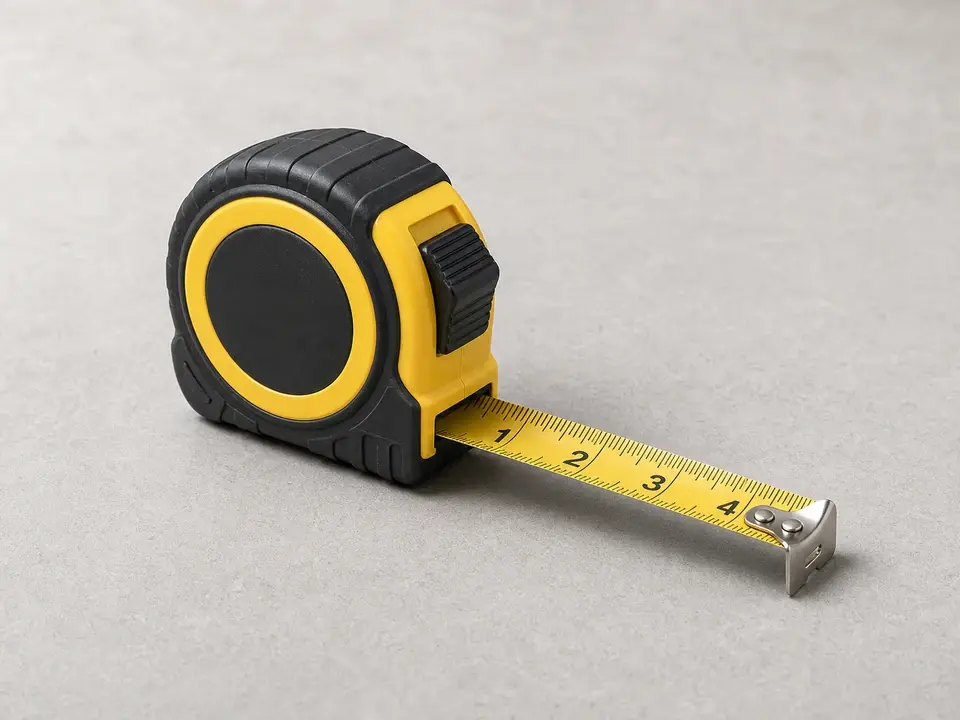
Use it for: To match the replacement line length and avoid a line that is too short or sharply bent.
Find a tape measureAs an Amazon Associate I earn from qualifying purchases. Repair Riot may earn a commission at no extra cost to you.
If it works: You have confirmed the leak or damage is at the main water shutoff compression supply line or its end connections.
If it doesn’t: If everything stays dry, the leak may be intermittent. Place a dry paper towel under the area and recheck during normal water use to pinpoint the source before buying parts.
If it works: Water flow has stopped or dropped to a small residual trickle, and the line is no longer under pressure.
If it doesn’t: If water keeps flowing strongly, you have not isolated the line yet. Find the correct upstream shutoff before disconnecting anything.
If it works: The old line is out, and both connection points are clean and easy to inspect.
If it doesn’t: If a nut is stuck, apply steady pressure instead of jerking the wrench. Reposition your tools so you are turning only the nut and not the pipe.
If it works: The new supply line is installed straight, supported by its natural shape, and both nuts are snug with no cross-threading.
If it doesn’t: If the line will not start by hand or does not reach comfortably, remove it and recheck the size and connection type before tightening further.
If it works: The line stays dry as the water comes back on and the nearby faucet runs normally without sputtering after the air clears.
If it doesn’t: If a connection still drips after a small additional tightening, shut the water back off and inspect the fit, alignment, and sealing surfaces again.
If it works: The new main water shutoff compression supply line stays dry during real use and after sitting under pressure.
If it doesn’t: If you find even a small recurring drip, shut the water off again and correct the connection before leaving the area unattended.
Match the line length, end sizes, and connection type before ordering.
As an Amazon Associate I earn from qualifying purchases. Repair Riot may earn a commission at no extra cost to you.
Sometimes a slight drip stops with a small tightening, but if the line is corroded, kinked, split, or keeps leaking after that, replacement is the better fix.
Usually no. Compression-style connections seal at the fitting surfaces, not on the threads. Adding tape can make tightening feel misleading and does not fix a bad fit.
Match the length, both end sizes, and the same connection style. The new line should thread on by hand and reach both fittings without being stretched or sharply bent.
A new supply line will not fix that. If water is coming from the valve stem, body, or the pipe attached to it, the repair path is different and may require valve replacement.
It is a reasonable DIY repair if you can shut the water off upstream and the fittings are in good shape. Call a plumber if the valve is seized, the pipe moves, corrosion is severe, or you cannot stop the water fully.