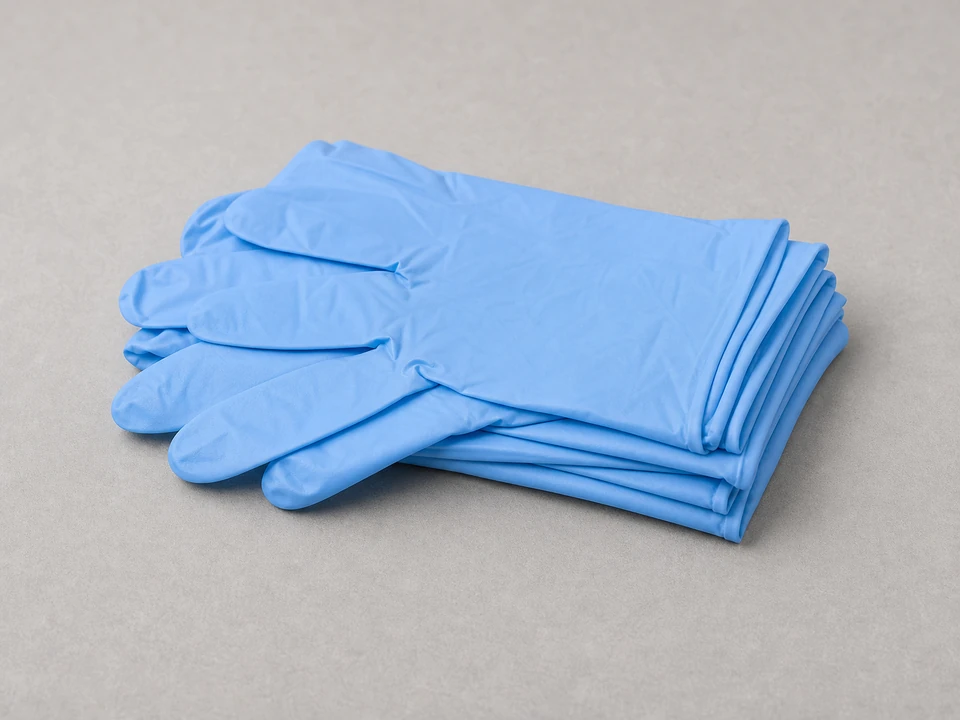
Dish gloves
Use it for: Protects your hands from sharp debris and old food in the bottom of the tub.
Shop dish glovesTo clean a dishwasher filter, remove the lower rack, unlock and lift out the filter, rinse away food and grease, scrub it gently with warm soapy water, then reinstall it securely and test the dishwasher.
A dirty dishwasher filter can leave grit on dishes, slow draining, and make the machine smell musty. This is usually a simple maintenance job, but work gently so you do not crack the filter or damage the sump area underneath it.
Before you start: Match the filter size, thickness, and direction or model compatibility before ordering. Stop if the repair becomes unsafe or unclear.
Use it for: Protects your hands from sharp debris and old food in the bottom of the tub.
Shop dish gloves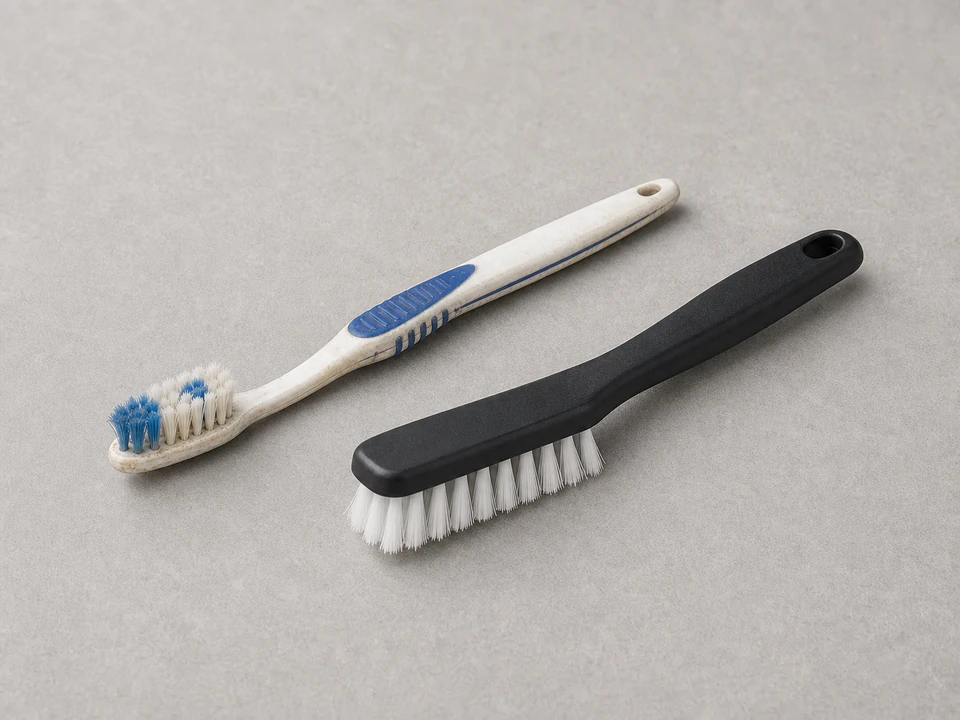
Use it for: Helps scrub grease and trapped debris out of the filter mesh without tearing it.
Shop a soft cleaning brush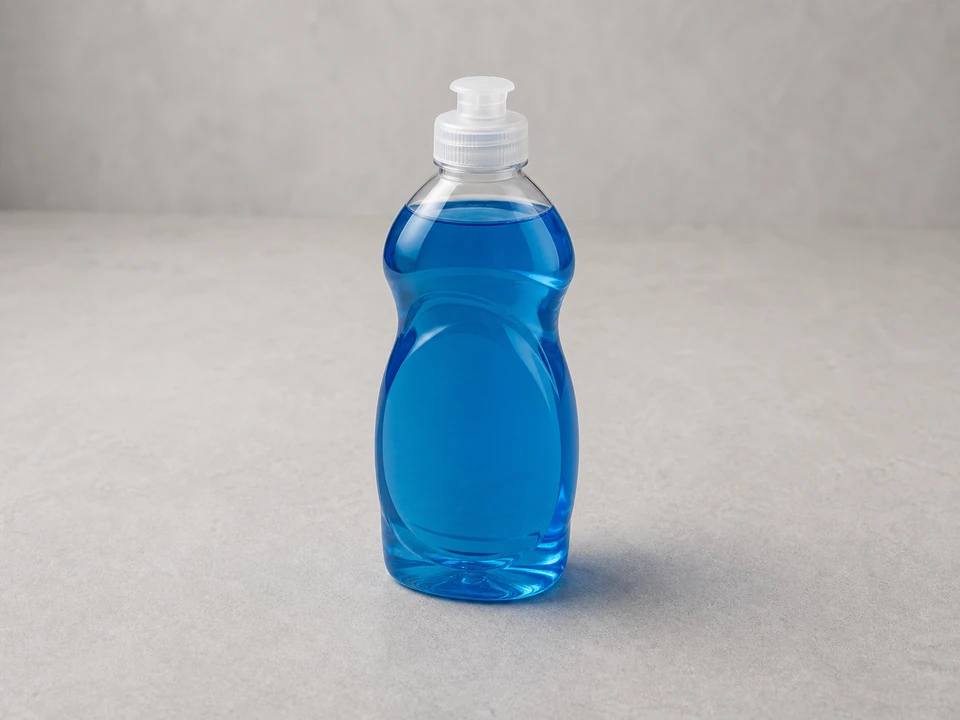
Use it for: Breaks down greasy buildup on the filter and around the filter opening.
Shop dish soap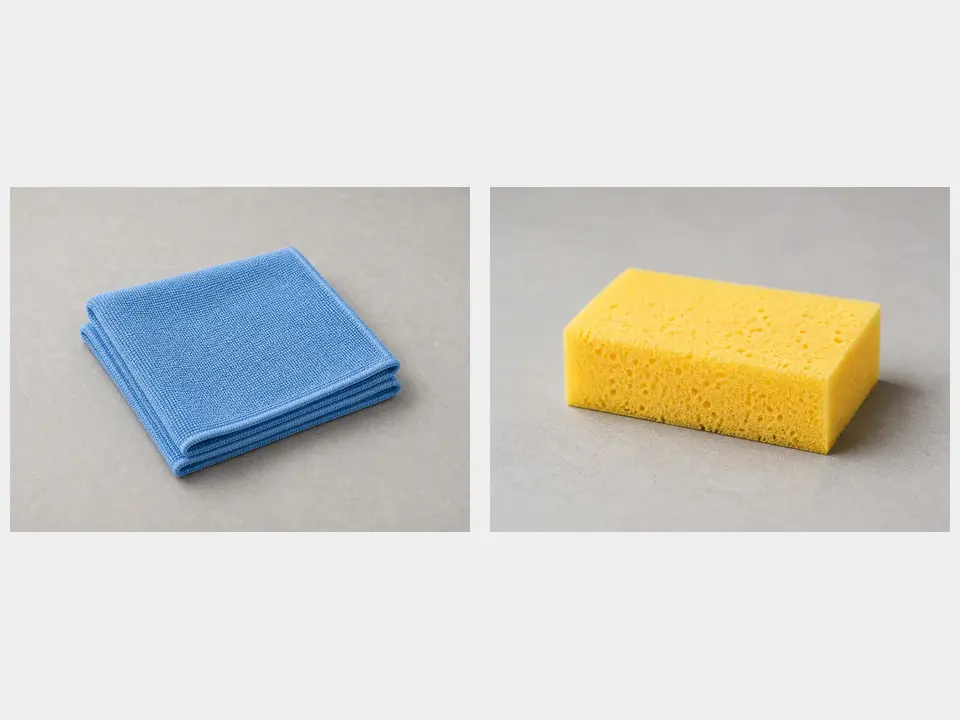
Use it for: Wipes sludge and residue from the filter area and dishwasher floor.
Shop microfiber cloths
Use it for: Catches debris while rinsing so it does not wash back into the drain.
Shop a sink strainerAs an Amazon Associate I earn from qualifying purchases. Repair Riot may earn a commission at no extra cost to you.
If it works: You have clear signs that a clogged or dirty dishwasher filter could be causing the problem.
If it doesn’t: If the dishwasher will not start, leaks heavily, or leaves a full tub of water every time, filter cleaning may help but may not be the main repair.
If it works: The bottom of the dishwasher is accessible and loose debris has been cleared away.
If it doesn’t: If the lower rack blocks access, lift it off its track stops if your model allows, or work with it pulled fully forward.
If it works: The dishwasher filter and any removable screen pieces are out of the machine without damage.
If it doesn’t: If the filter does not turn easily, check for tabs or arrows molded into the part and try again gently instead of forcing it.
If it works: The filter looks clean, the mesh is open, and the area under it is free of loose buildup.
If it doesn’t: If greasy film remains, soak the filter in warm soapy water for several minutes and scrub again with a soft brush.
If it works: The dishwasher filter is locked in place and the lower rack moves normally.
If it doesn’t: If the filter rocks, lifts, or will not lock, remove it and realign the tabs before trying again.
If it works: The dishwasher drains normally, the tub bottom stays cleaner, and wash performance improves.
If it doesn’t: If water still stands in the tub or dishes are still dirty, check the spray arms, drain path, and detergent use next. If the filter is damaged, replace the dishwasher filter.
A good starting point is about once a month, or sooner if you run frequent loads, skip pre-rinsing, or notice odors, grit, or slow draining.
You can wipe around it, but a proper cleaning usually means removing it so you can rinse out trapped food and grease from the mesh and the opening underneath.
Do not force it. Look for molded lock arrows or tabs and try a gentle twist again. If it is still stuck, the filter may be jammed with debris or the housing may be damaged.
Warm water, dish soap, and a soft brush are usually enough. Avoid harsh cleaners unless your manufacturer specifically allows them, since they can damage plastic or leave residue.
No. Some have a self-cleaning system instead of a removable dishwasher filter. If you do not see a twist-out or lift-out filter at the bottom of the tub, check your owner's information before taking parts apart.