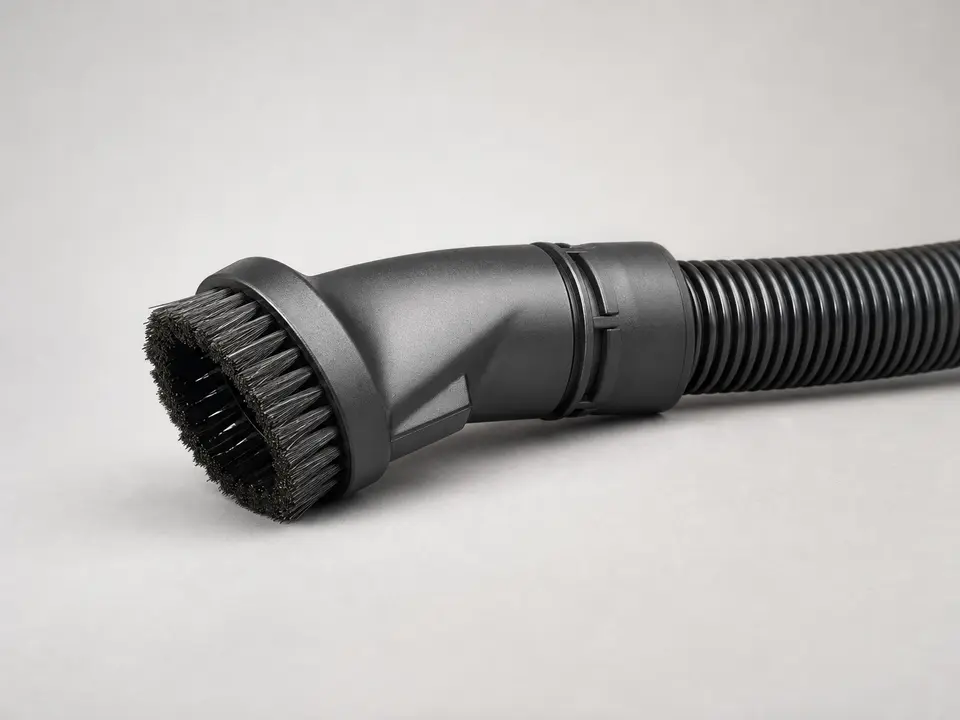
Vacuum with brush attachment
Use it for: Lifts loose dust and lint out of the grille without pushing it deeper into the heater.
Shop vacuums with brush attachmentsTo clean electric heater grilles, turn the heater off, let it cool fully, remove loose dust with a vacuum and soft brush, wipe the grille clean, and make sure airflow is clear before restoring power.
Dust-packed grilles can choke airflow, trap heat, and create that common burnt-dust smell when the heater first runs. This job is usually simple, but it needs a careful shutdown first because electric heaters can stay hot and some grille openings sit close to live wiring.
Before you start: Match the grille style and size to your heater, and only remove parts you can access safely without disturbing wiring. Stop if the repair becomes unsafe or unclear.
Use it for: Lifts loose dust and lint out of the grille without pushing it deeper into the heater.
Shop vacuums with brush attachments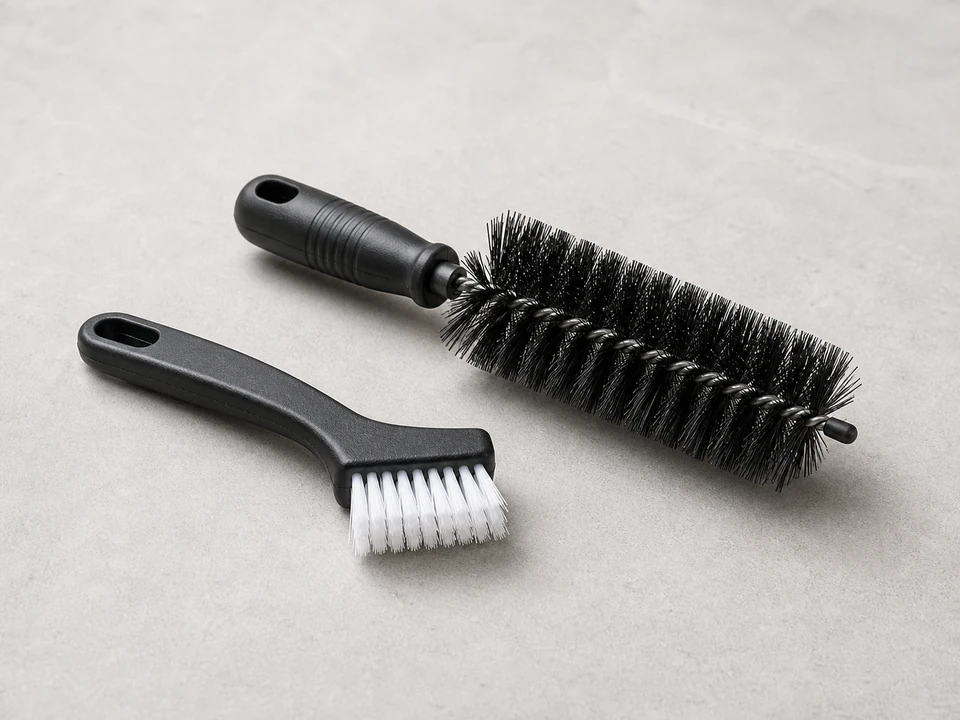
Use it for: Loosens packed dust from grille slots and corners gently.
Shop soft cleaning brushes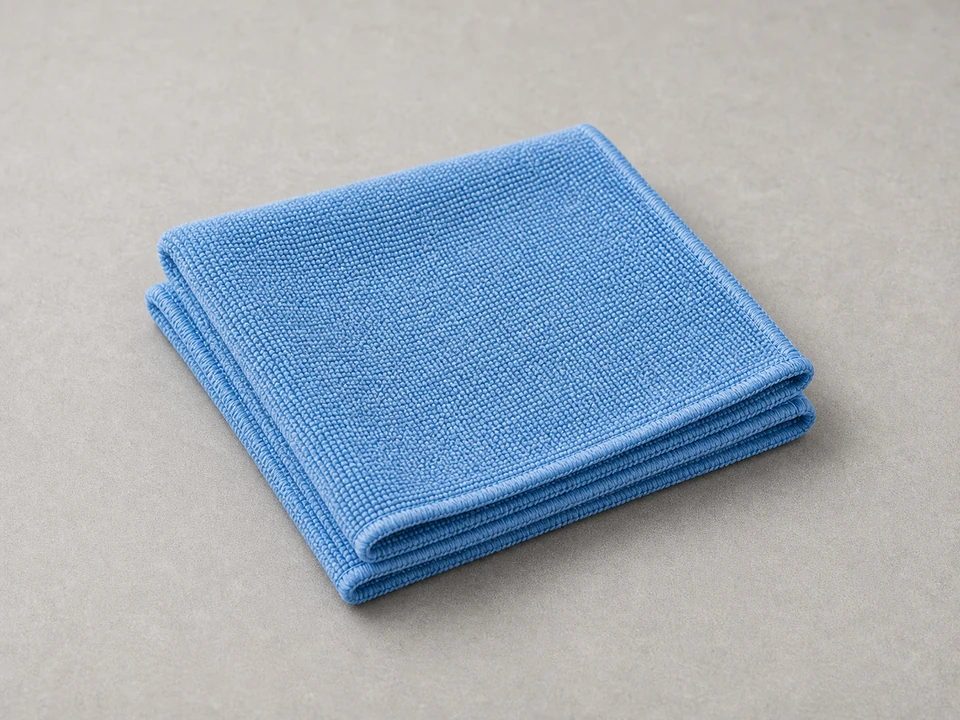
Use it for: Wipes off remaining dust and grime without scratching painted metal.
Shop microfiber cloths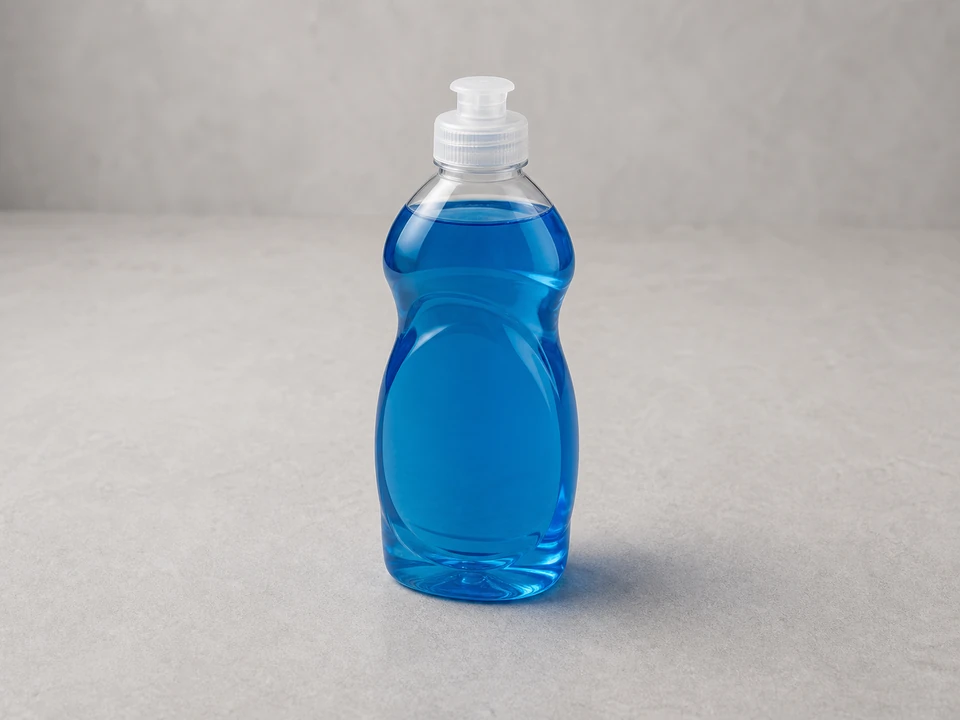
Use it for: Helps clean greasy film or stuck-on dirt from removable grilles.
Shop mild dish soap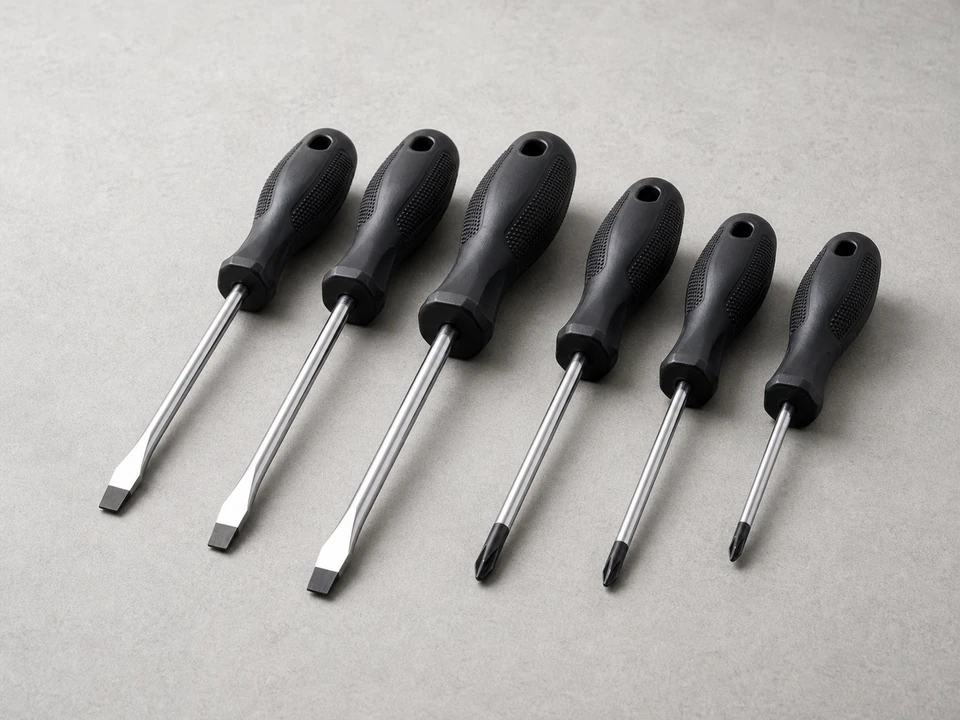
Use it for: Removes grille screws if your heater uses a removable cover.
Shop screwdriver setsAs an Amazon Associate I earn from qualifying purchases. Repair Riot may earn a commission at no extra cost to you.
If it works: You have a clear reason to clean the grilles and no obvious signs of a larger electrical failure.
If it doesn’t: If the heater still seems dead, keeps shutting off, or smells like hot wiring instead of dust, move to diagnosis or service instead of cleaning alone.
If it works: The heater is off, cool, and safe to handle for basic cleaning.
If it doesn’t: If you cannot confirm power is off, do not put tools or fingers through the grille openings.
If it works: Most loose dust and lint are removed from the grille face and openings.
If it doesn’t: If dust is still packed behind the grille, continue with a removable-cover cleaning if your heater allows it.
If it works: The grille is clean on both sides and reinstalled securely.
If it doesn’t: If the grille does not come off easily, leave it in place and clean only the accessible surfaces rather than forcing it.
If it works: Air can move into and out of the heater without nearby dust or clutter feeding the problem again.
If it doesn’t: If the area cannot be kept clear, the heater may keep collecting dust quickly and airflow may still suffer.
If it works: The heater runs with clearer airflow, a cleaner grille, and no signs that the cleaning disturbed anything.
If it doesn’t: If airflow is still weak, the smell gets stronger, or the heater cycles oddly, the problem may be inside the unit and needs further diagnosis.
At least once before heating season and again during the season if you have pets, dust, or heavy use. Homes with more lint and pet hair may need more frequent cleaning.
It is usually better to vacuum first because compressed air can blow dust deeper into the heater or into the room. If you use air at all, use it lightly and only where you can control the dust.
A brief dusty smell can happen the first time the heater runs after dust removal, especially if some residue remains inside. A strong electrical smell, smoke, or a smell that keeps getting worse is not normal.
No. Many cleanings can be done from the outside with a vacuum and soft brush. Remove the grille only if it is clearly designed to come off safely and you can do it without reaching wiring.
That usually points to dusty room conditions, blocked clearance around the heater, or airflow constantly pulling in lint from nearby floors, rugs, or fabrics. Cleaning the area around the heater helps slow the buildup.