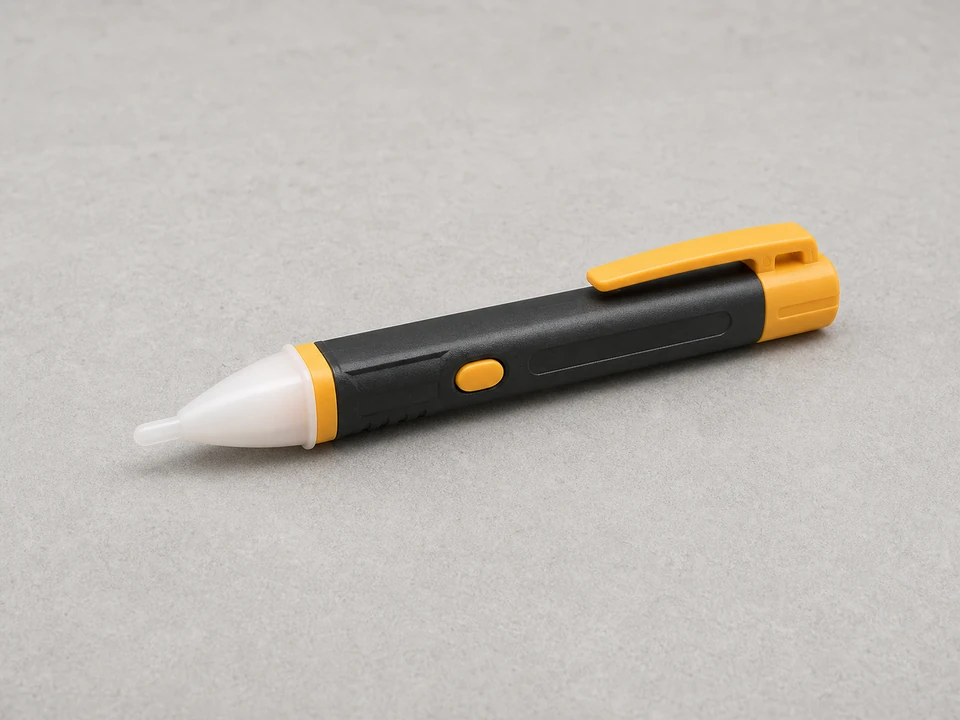
Non contact voltage tester
Use it for: To check that power is off before touching heater wiring.
Shop non-contact voltage testersTo replace an electric heater thermostat, turn off power at the breaker, confirm the heater is de-energized, remove the access cover, label and move the wires one at a time to the matching terminals on the new thermostat, then reassemble and test the heater.
This is a moderate-risk repair because electric heaters often use line voltage. Work slowly, take a photo before disconnecting anything, and stop if the wiring does not clearly match the new thermostat.
Before you start: Match the replacement part to your exact electric heater before ordering.
Use it for: To check that power is off before touching heater wiring.
Shop non-contact voltage testers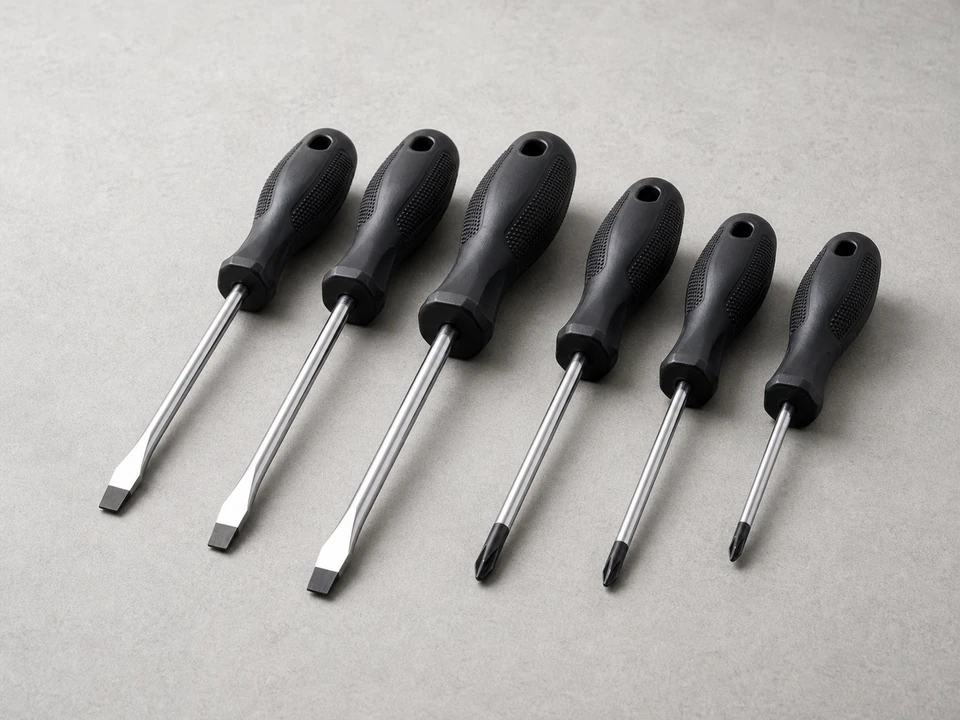
Use it for: To remove the heater cover and thermostat mounting screws.
Shop screwdriver sets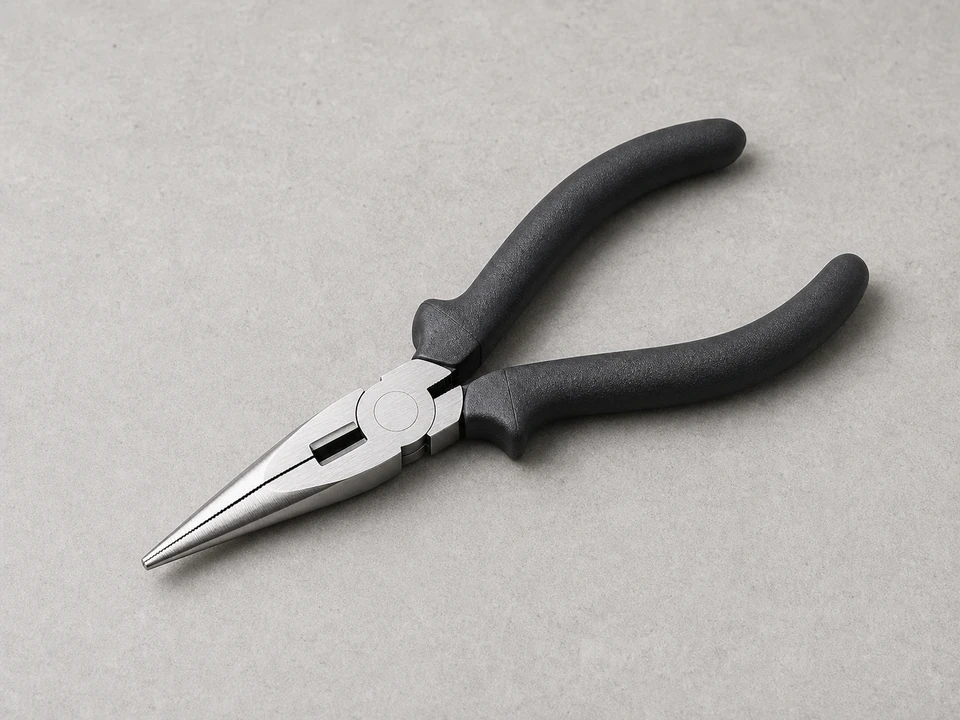
Use it for: To guide small wires onto terminals without damaging them.
Shop needle-nose pliers
Use it for: To mark each wire so it goes back to the correct terminal.
Shop wire labels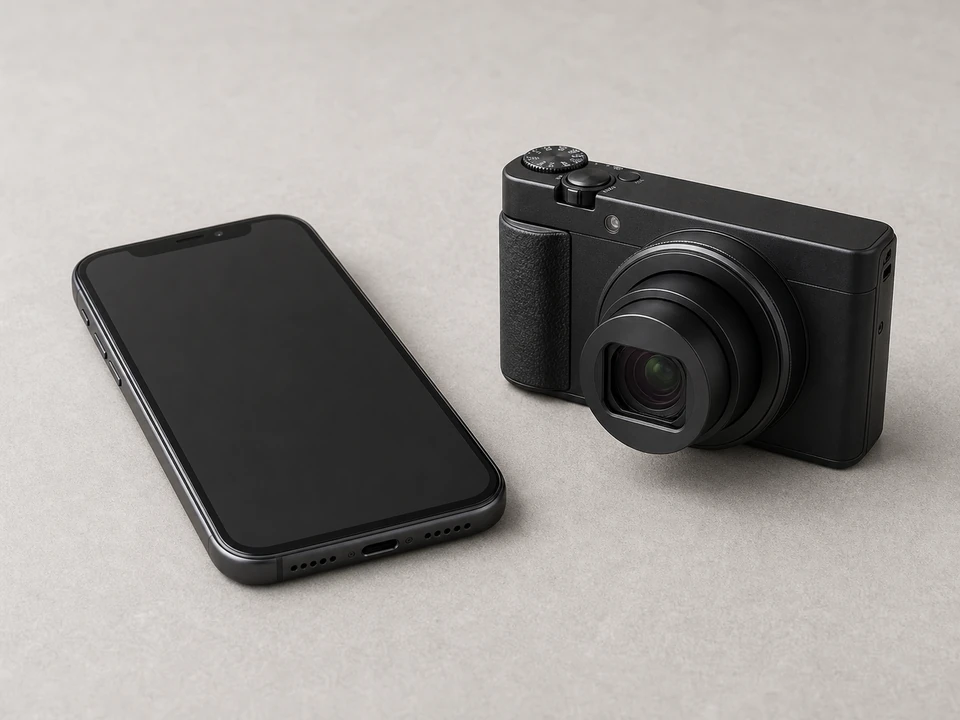
Use it for: To take a clear reference photo before moving any wires.
Shop phone tripods for repair photos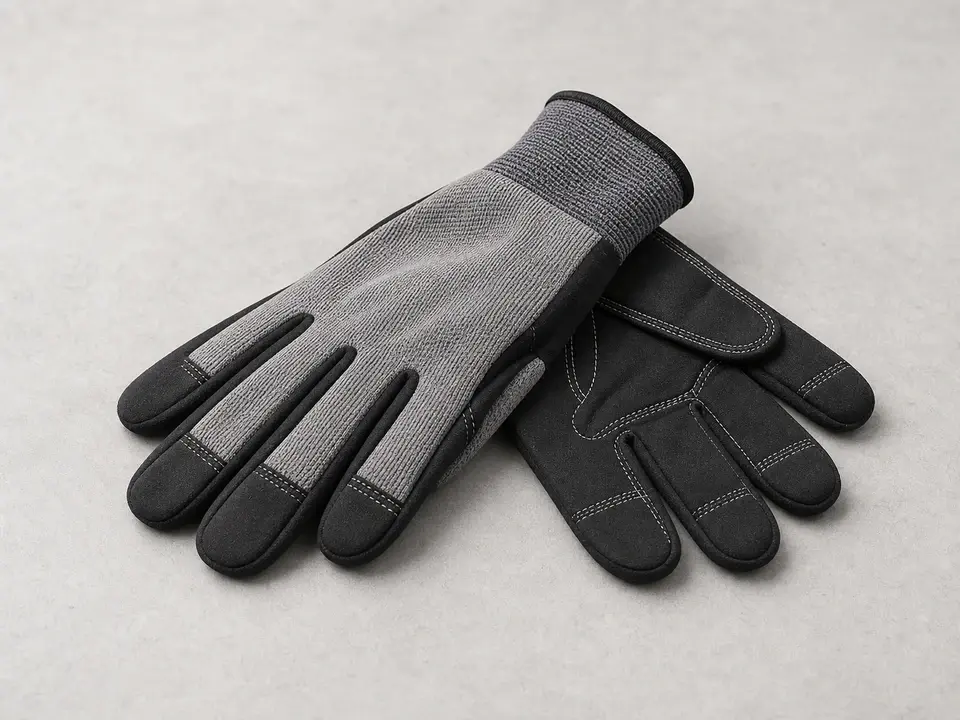
Use it for: To protect your hands from sharp metal edges inside the heater cabinet.
Shop work glovesAs an Amazon Associate I earn from qualifying purchases. Repair Riot may earn a commission at no extra cost to you.
If it works: The heater is off, cool enough to work around, and the tester shows no live power at the wiring area.
If it doesn’t: If the tester still indicates voltage or you are not sure which breaker controls the heater, stop and identify the correct circuit before continuing.
If it works: You can clearly see the thermostat, its mounting screws, and the wire connections.
If it doesn’t: If the thermostat is buried behind other components or the access path is not clear, do not force parts out of the way. Recheck for a safer access point or get help.
If it works: You have a readable photo, each wire is labeled, and the new thermostat appears to match the old one.
If it doesn’t: If the new thermostat does not match the old part closely enough to identify equivalent terminals with confidence, pause and verify the replacement before installing it.
If it works: The old thermostat is removed and the wires remain identifiable and in good condition.
If it doesn’t: If a terminal is stuck, support the connector with pliers and work carefully. Do not yank the wire free.
If it works: The new thermostat is mounted firmly and all wires are connected to the correct terminals.
If it doesn’t: If a wire does not reach comfortably or the terminal match is uncertain, stop and verify the part and wiring before restoring power.
If it works: The heater turns on when the thermostat calls for heat and shuts off when the setting is lowered.
If it doesn’t: If the heater does not respond, turn power back off and recheck the wire placement against your photo and labels.
Match the replacement part to your exact electric heater before ordering.
As an Amazon Associate I earn from qualifying purchases. Repair Riot may earn a commission at no extra cost to you.
A bad thermostat may leave the heater unresponsive, stuck on, or unable to hold a set temperature. Before replacing it, make sure the breaker is on, the heater has power, and there are no obvious burned wires or loose connections.
Many homeowners can replace one if the thermostat is easy to access and the wiring is straightforward. Because electric heaters often use higher-voltage wiring, stop and get help if you cannot clearly confirm power is off or match the wires to the new part.
Usually not, unless the wire ends are burned, brittle, loose, or damaged. If the wiring shows heat damage, the repair may involve more than the thermostat and should be evaluated before you continue.
Small cosmetic differences are common, but the replacement still needs to match the heater's application, terminal function, and mounting style. If the terminal markings or fit are unclear, do not guess.
A tripped breaker can mean a miswired connection, a short, or another heater problem unrelated to the thermostat. Turn power off again and inspect the wiring against your photo. If nothing obvious stands out, stop and have the heater checked.