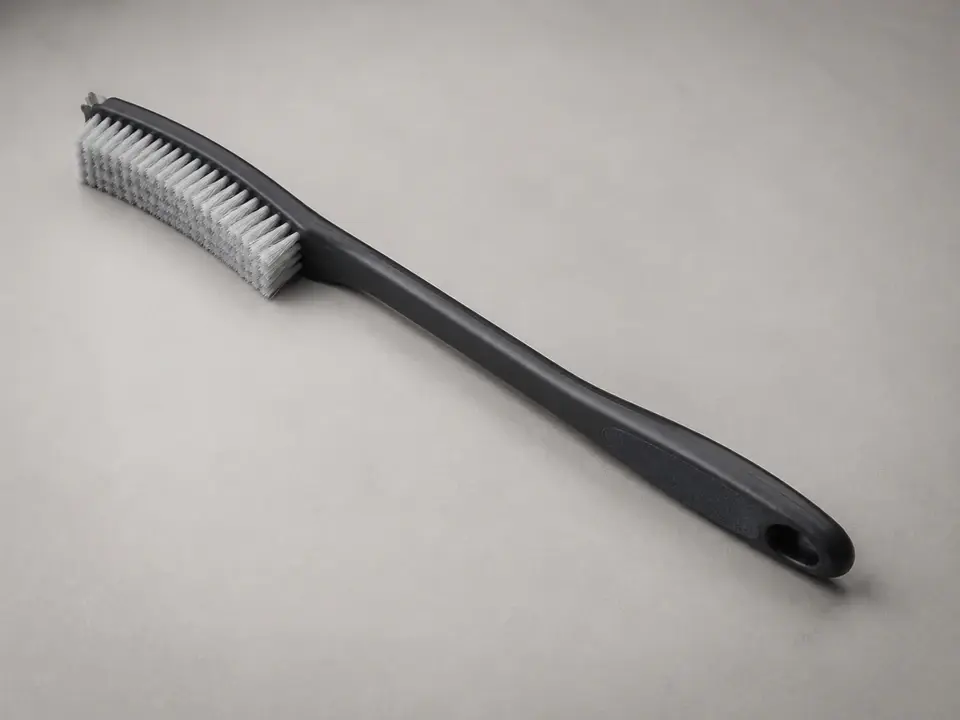
Condenser coil cleaning brush
Use it for: Reaches between and around the coils to loosen packed dust and pet hair.
Find a coil cleaning brushTo clean freezer condenser coils, unplug the freezer, open the coil access area, loosen dust with a coil brush, vacuum the debris, and reinstall any panels before restoring power.
Dirty condenser coils make it harder for a freezer to release heat. That can lead to weak cooling, longer run times, extra noise, and higher energy use. This is a straightforward maintenance job as long as you work with the power disconnected and avoid bending the coils or damaging nearby wiring.
Before you start: Check whether your freezer coils are behind a front toe kick panel, a rear access panel, or underneath so you get a brush that can reach the space. Stop if the repair becomes unsafe or unclear.
Use it for: Reaches between and around the coils to loosen packed dust and pet hair.
Find a coil cleaning brush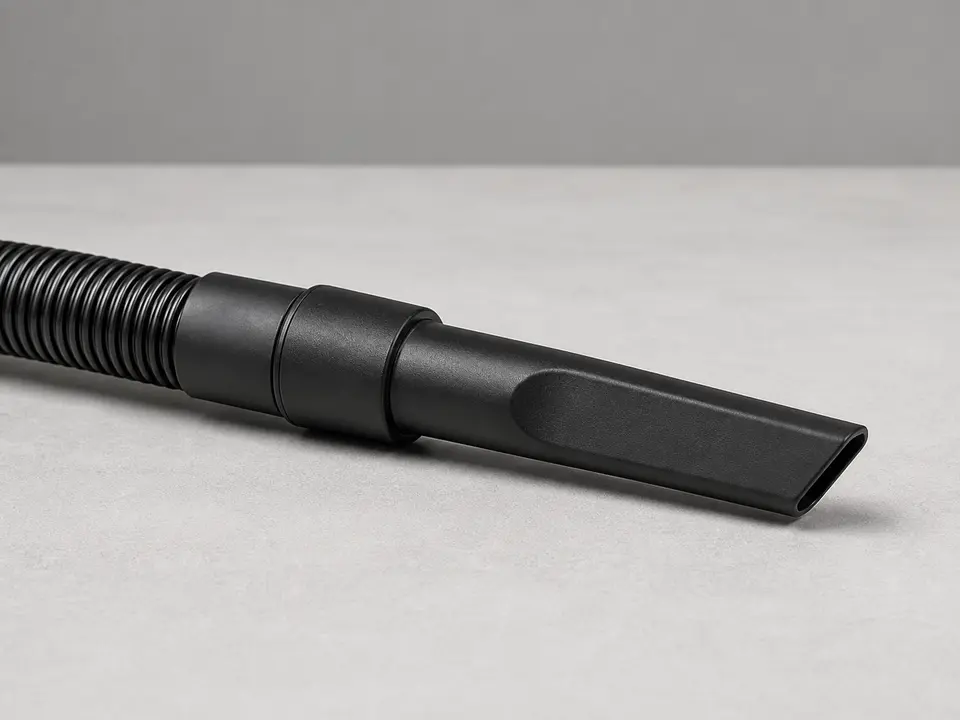
Use it for: Pulls out dust and debris after you brush the coils clean.
Shop vacuums with crevice tools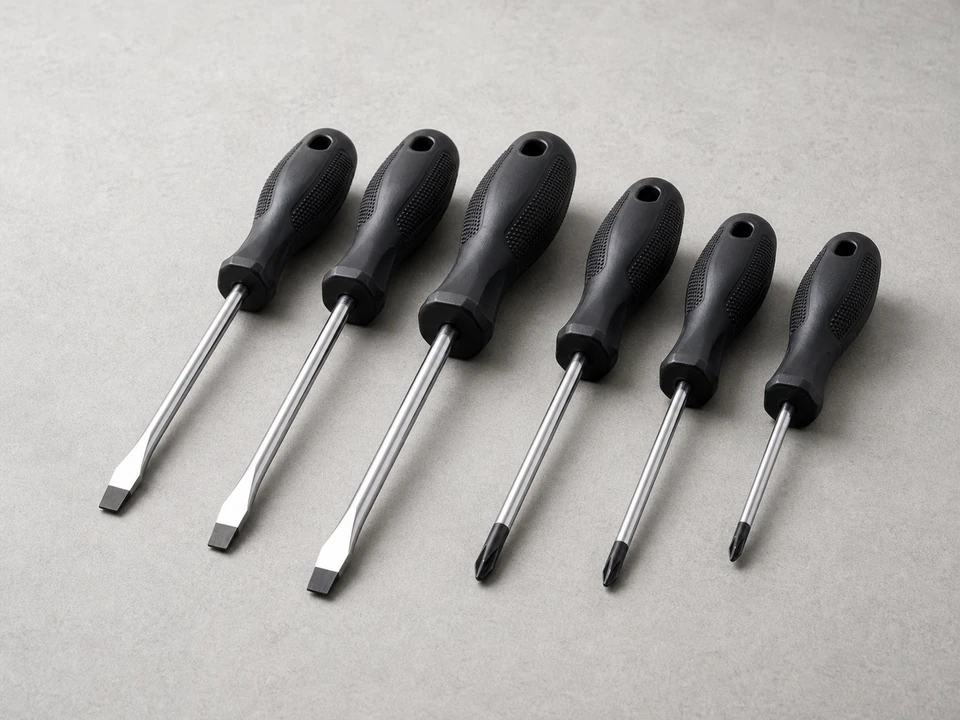
Use it for: Removes a front toe kick or rear access panel if your freezer has one.
Find a basic screwdriver set
Use it for: Protects your hands from sharp panel edges and dusty buildup.
Shop work gloves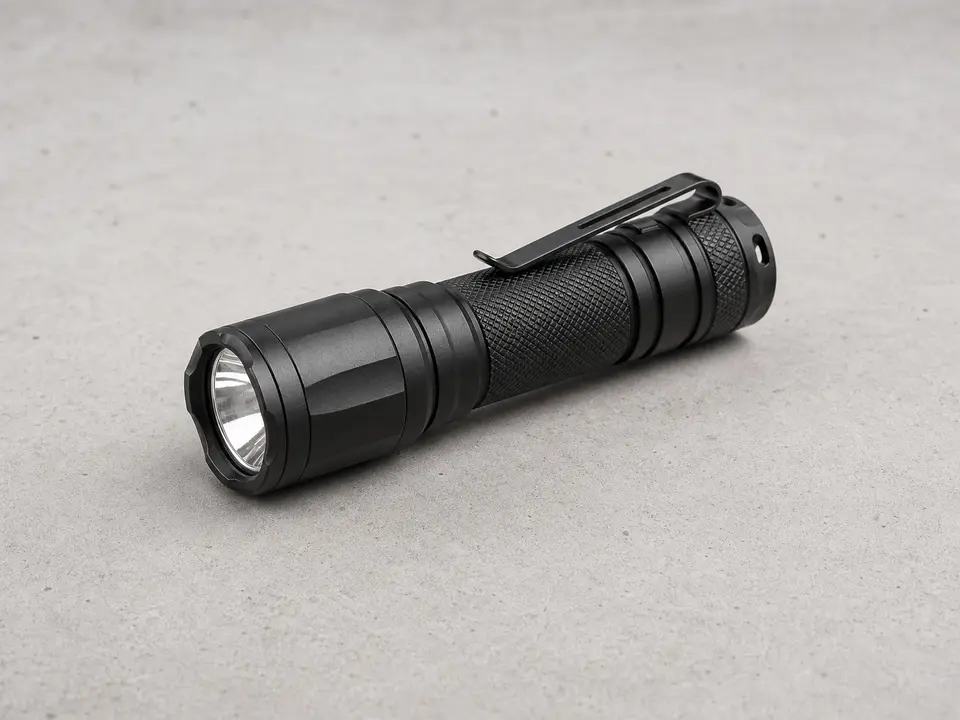
Use it for: Helps you see coils, wiring, and hidden dust under or behind the freezer.
Find a small flashlightAs an Amazon Associate I earn from qualifying purchases. Repair Riot may earn a commission at no extra cost to you.
If it works: You have a good reason to clean the coils and know where the coil area is located.
If it doesn’t: If the freezer is completely dead, tripping breakers, leaking heavily, or has obvious sealed-system issues like no cooling at all with a running compressor, coil cleaning is probably not the main fix.
If it doesn’t: If debris is still trapped deep underneath, try a different brush angle and vacuum again rather than forcing the tool.
If it works: The freezer cools normally, runs more steadily, and the repair held in real use.
If it doesn’t: If cooling is still weak or run time is still excessive after the coils are clean, move on to other likely causes such as airflow problems, door seal issues, a failed fan, or a control problem.
A good starting point is every 6 to 12 months. If you have pets, a dusty home, or the freezer sits near the floor where lint collects, check them more often.
They are commonly behind a front toe kick, behind a rear access panel, or underneath the freezer. A flashlight usually helps you spot the coil area quickly.
Yes. When the coils are coated with dust, the freezer cannot release heat efficiently. That can lead to longer run times, warmer temperatures, and extra strain on the system.
Usually no. This job is done from the outside of the cabinet, so food can stay inside as long as the freezer is unplugged only for a short time.
Then the root cause is likely somewhere else, such as blocked interior airflow, a bad door seal, a fan problem, frost buildup, or a sealed-system issue. Coil cleaning is helpful maintenance, but it will not fix every cooling problem.