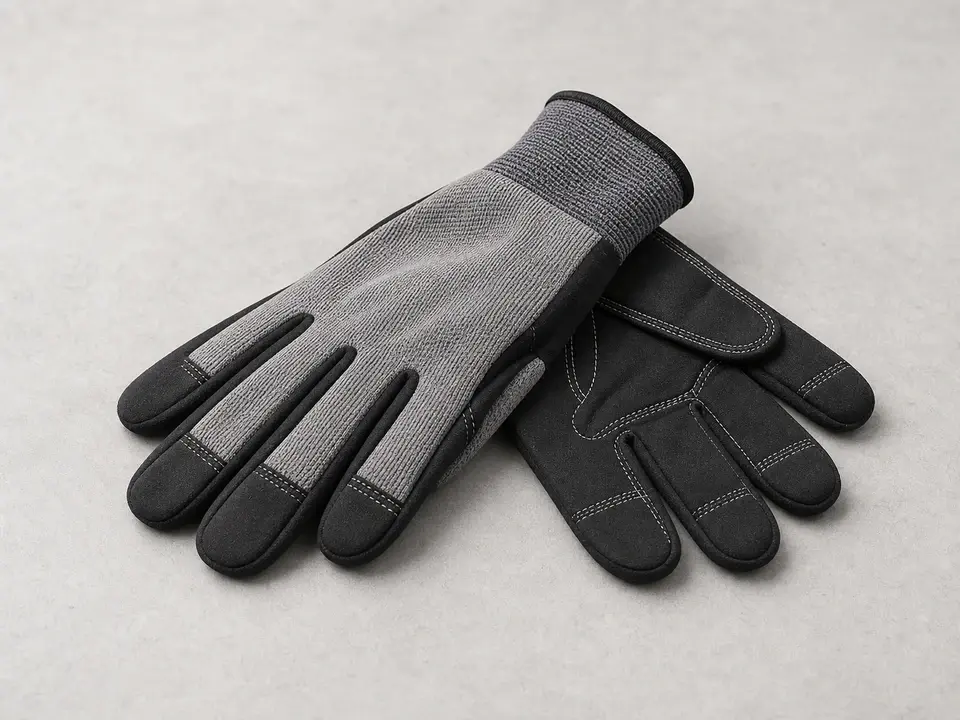
Work gloves
Use it for: Protects your hands from sharp sheet metal edges and mineral residue.
Shop work glovesTo clean a humidifier distribution tray, turn the humidifier off, remove the tray, rinse out loose debris, dissolve mineral buildup with a mild cleaner, clear the water openings, and reinstall it so water can flow evenly again.
A dirty distribution tray can block water flow, leave part of the pad dry, and make the humidifier seem weak or inconsistent. This is a straightforward cleaning job as long as you work gently and stop if you find cracked plastic, heavy corrosion, or signs of leaking inside the unit.
Before you start: Match the part or procedure carefully before you start. Stop if the repair becomes unsafe or unclear.
Use it for: Protects your hands from sharp sheet metal edges and mineral residue.
Shop work gloves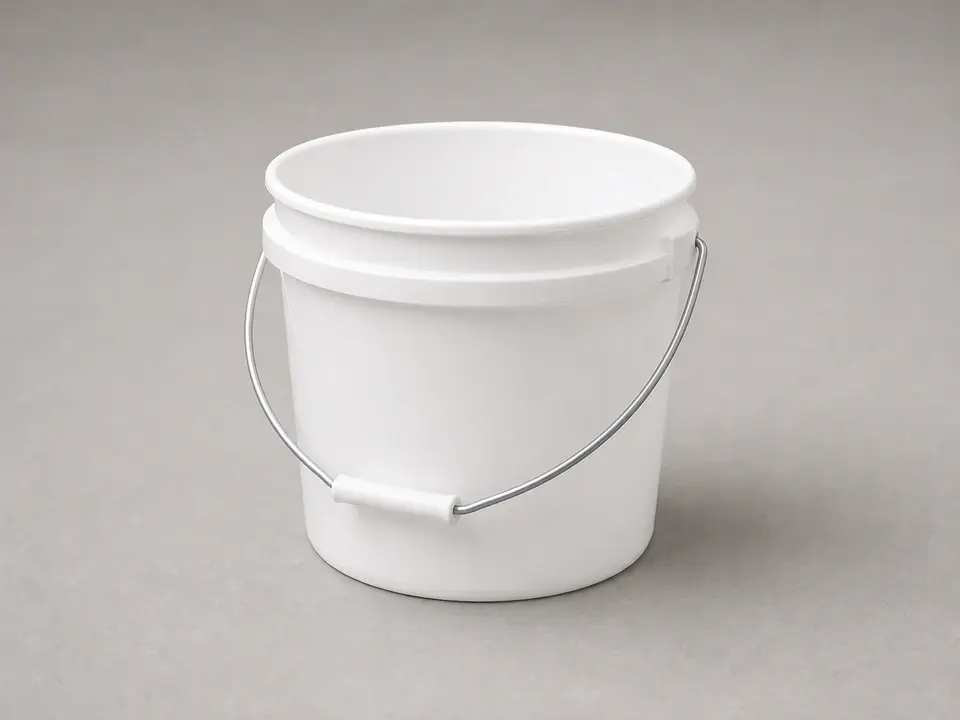
Use it for: Gives you a place to rinse the tray and catch dirty water.
Shop cleaning buckets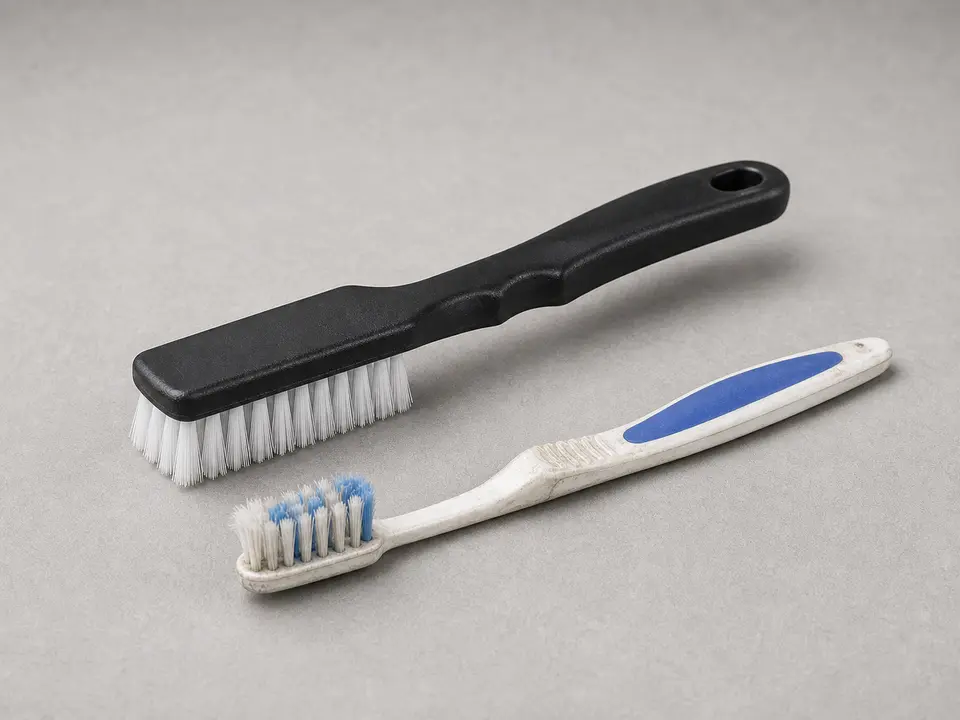
Use it for: Helps scrub scale and slime out of narrow channels without damaging the tray.
Shop nylon cleaning brushes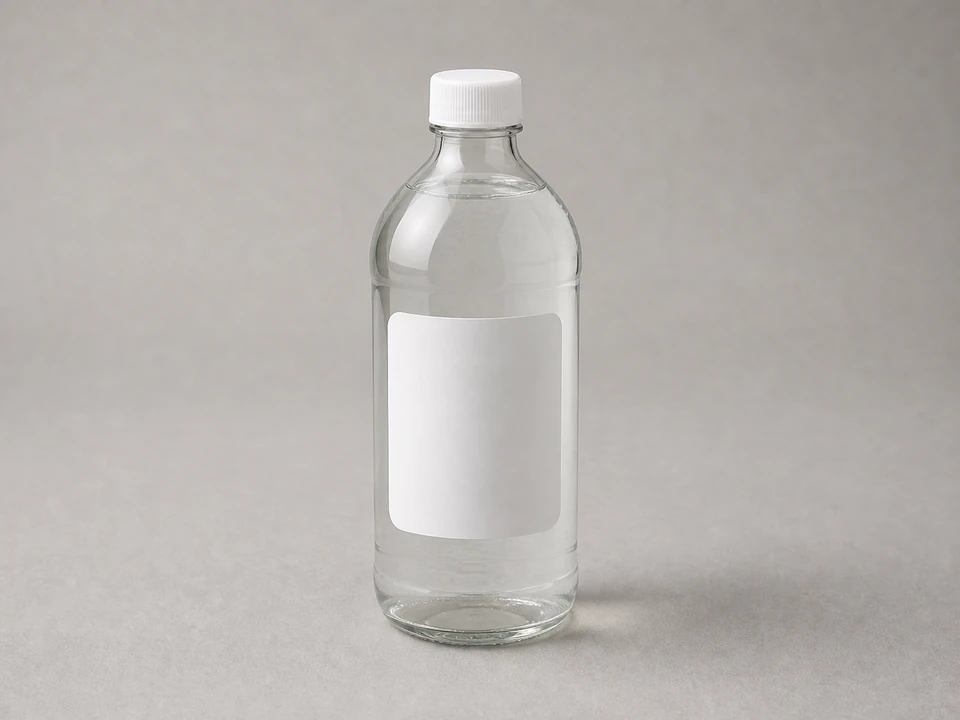
Use it for: Loosens mineral deposits that commonly clog the tray openings.
Shop white vinegar for cleaning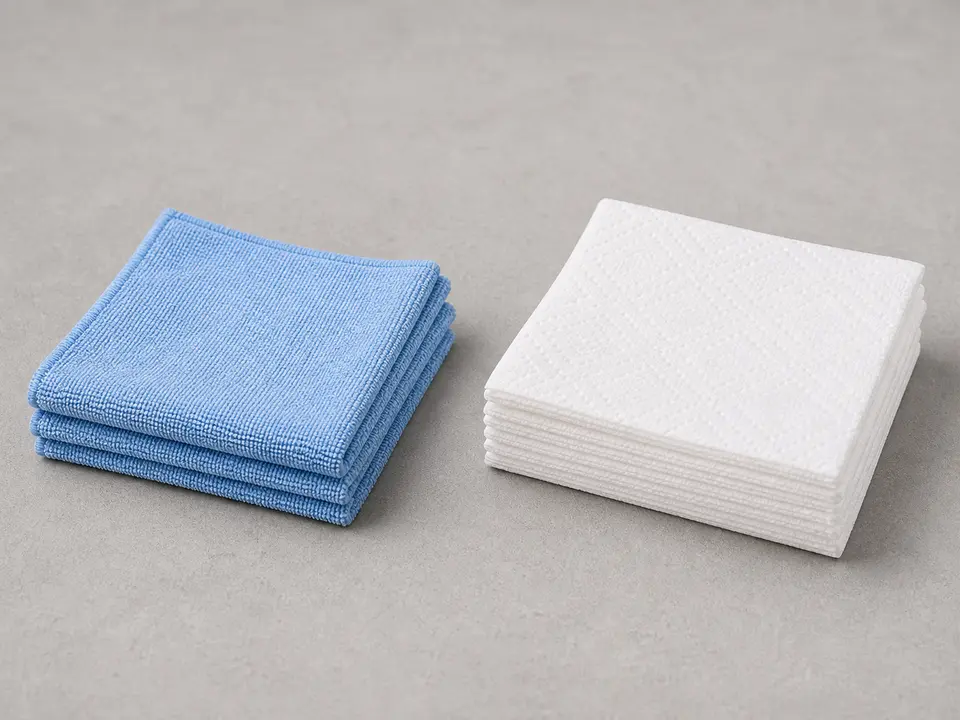
Use it for: Wipes away loosened residue and dries the area before reassembly.
Shop microfiber cloths
Use it for: Lets you check for blocked holes, cracks, and water stains inside the cabinet.
Shop flashlightsAs an Amazon Associate I earn from qualifying purchases. Repair Riot may earn a commission at no extra cost to you.
If it works: You found visible buildup or blockage on the humidifier distribution tray and cleaning makes sense.
If it doesn’t: If the tray is already clean and water still is not reaching the pad, the problem may be with the water supply, valve, feed tube, or pad instead.
If it works: The tray is out and ready to clean without stressing the plastic or nearby parts.
If it doesn’t: If the tray will not come free easily, look again for a clip, tab, or screw you missed rather than prying harder.
If it works: Most of the visible buildup is loosened and the tray surface is noticeably cleaner.
If it doesn’t: If heavy scale remains, repeat the vinegar soak and brushing once more instead of scraping aggressively.
If it works: The tray openings are clear and water can spread evenly instead of pooling in one spot.
If it doesn’t: If one section stays blocked after repeated cleaning, the tray may be too scaled or damaged to reuse reliably.
If it works: The tray is back in place, aligned correctly, and ready for a test run.
If it doesn’t: If the tray rocks, sits crooked, or will not align with the pad, remove it and reseat it before testing.
If it works: Water flows evenly from the tray, the pad wets more uniformly, and there are no leaks.
If it doesn’t: If flow is still weak or uneven, inspect the feed tube, water supply, valve, and pad for separate restrictions or wear.
Once or twice during the heating season is common, but hard water can require more frequent cleaning. If you see mineral crust or uneven wetting on the pad, clean it sooner.
Yes. White vinegar is a common way to loosen mineral buildup. Let it soak briefly, then scrub gently and rinse well before reinstalling the tray.
The tray may still be partially blocked, or the real problem may be the feed tube, water valve, supply line, or a worn water panel. Recheck the full water path instead of cleaning the tray again and again.
Replace it if it is cracked, warped, badly scaled, or cannot spread water evenly after a thorough cleaning. Cleaning helps only when the tray is intact.
Yes. That is usually mineral scale from the water supply. A small amount is common, but heavy buildup can block the tray openings and reduce humidifier performance.