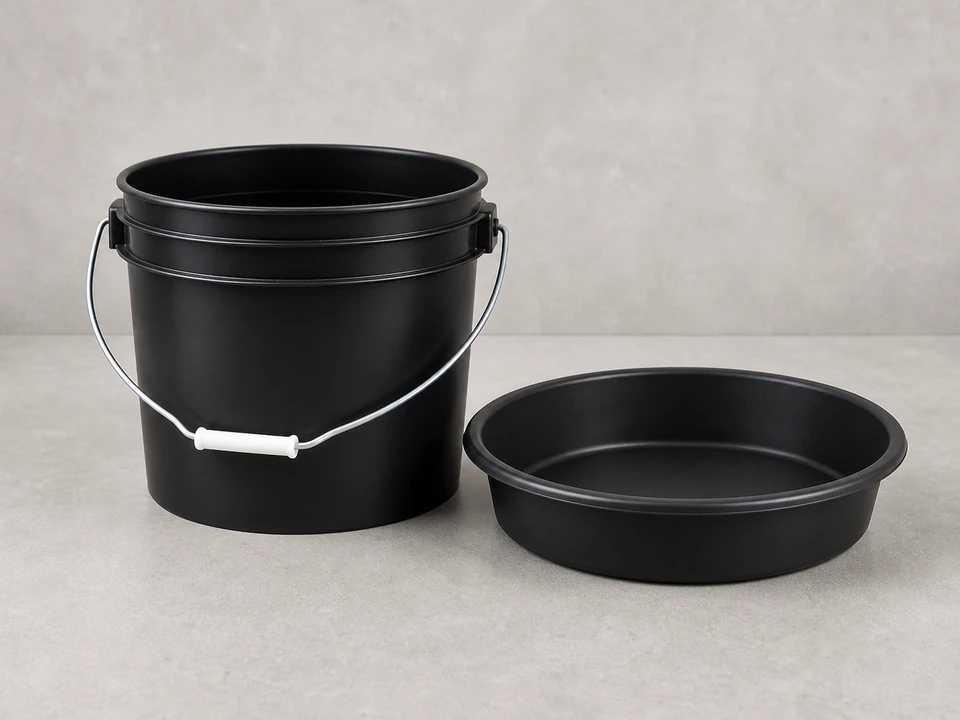
Bucket or shallow pan
Use it for: To catch leftover water when you remove the old hose.
Shop buckets and drain pansIf your humidifier is leaking, backing up, or not draining because the hose is cracked, kinked, clogged, or brittle, replacing the drain hose is usually a straightforward fix.
This job is mostly about safe access, matching the hose size and routing, and making sure water can flow downhill to the drain without sagging or leaking.
Before you start: Match the replacement part to your exact humidifier before ordering.
Use it for: To catch leftover water when you remove the old hose.
Shop buckets and drain pans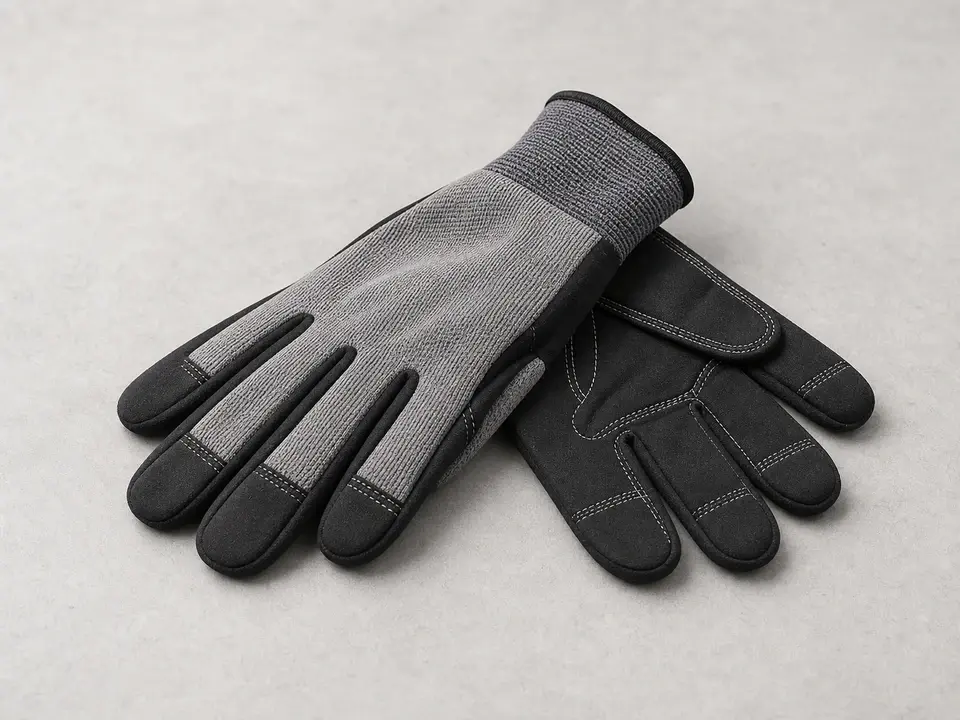
Use it for: To protect your hands from sharp sheet metal edges and dirty water.
Shop work gloves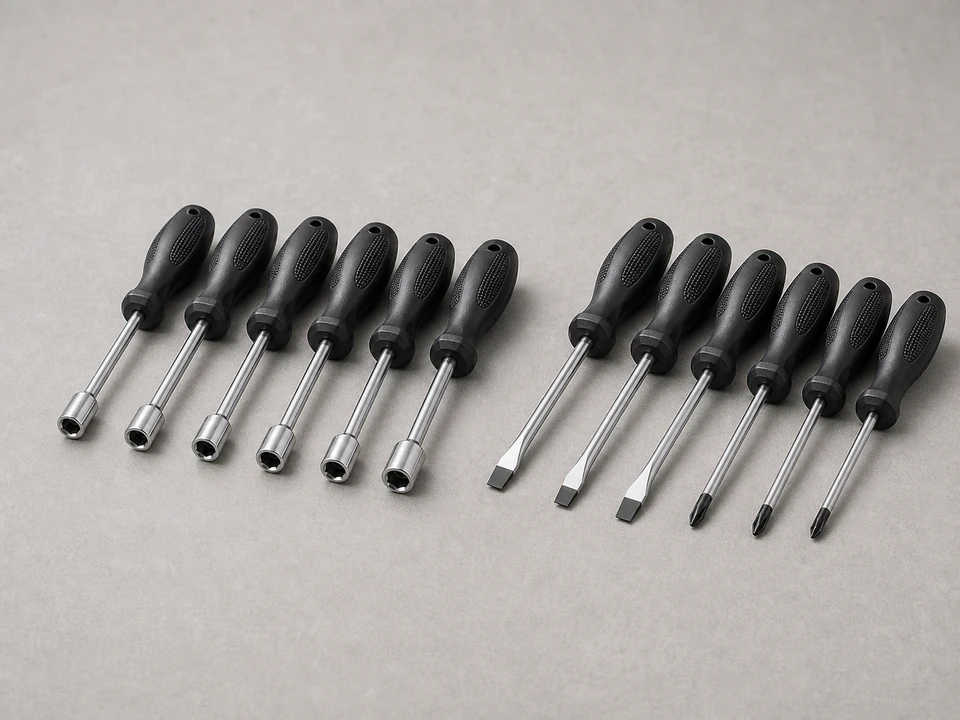
Use it for: To remove access panels or loosen hose clamps if your setup uses them.
Shop screwdriver and nut driver sets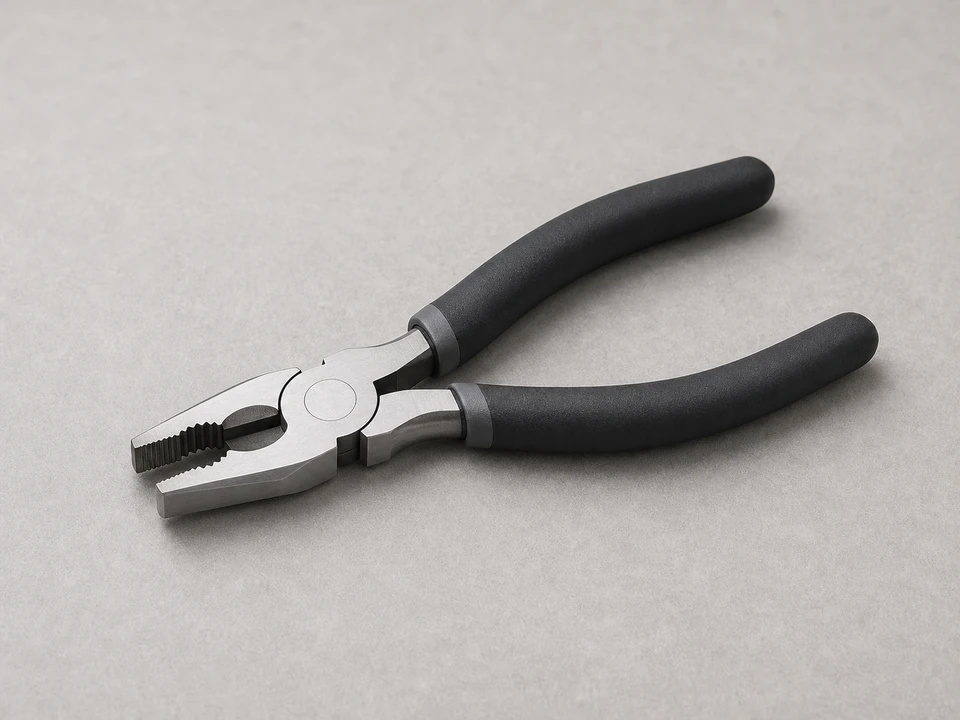
Use it for: To slide spring clamps or help free a stuck hose.
Shop pliers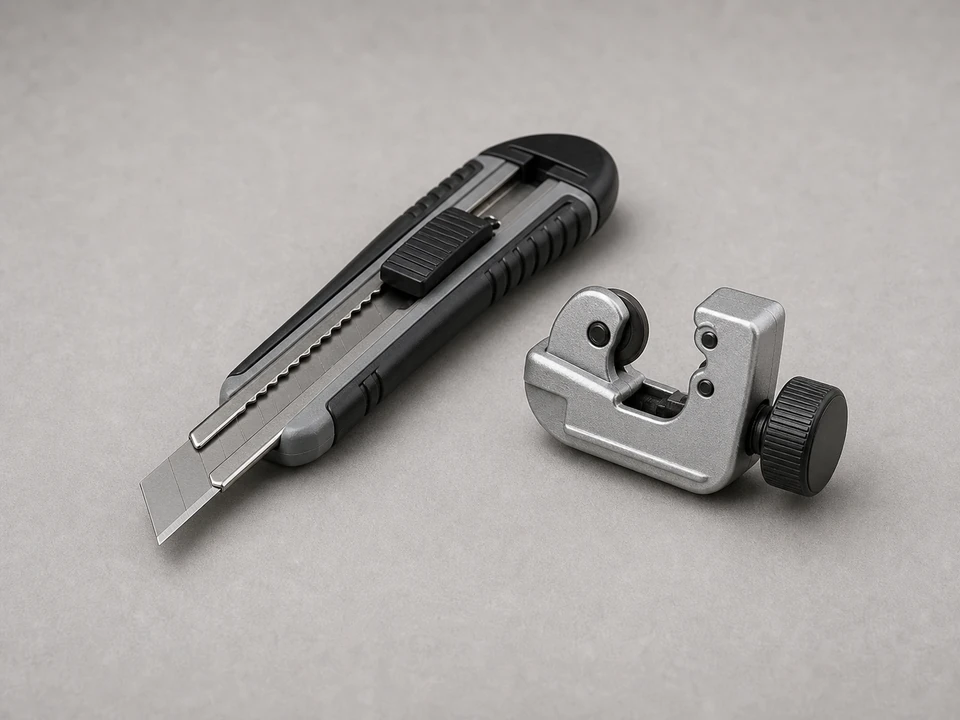
Use it for: To trim the new hose cleanly if it comes longer than needed.
Shop tubing cutters and utility knives
Use it for: To secure the new hose if the old fasteners are worn or missing.
Shop hose clamps and zip tiesAs an Amazon Associate I earn from qualifying purchases. Repair Riot may earn a commission at no extra cost to you.
If it works: You have confirmed the humidifier drain hose is damaged, blocked beyond simple cleaning, or no longer staying connected.
If it doesn’t: If the hose looks sound, check for a clogged drain opening, a misaligned humidifier pad, or water coming from a different part before buying parts.
If it works: The humidifier is off, the water supply is shut down, and you can reach the hose without making a mess.
If it doesn’t: If access is too tight, remove only the paneling needed to see both ends of the hose and its full route.
If it works: The old hose is fully removed and you know the size and routing the new hose needs to match.
If it doesn’t: If the hose is stuck, twist it gently with pliers instead of yanking on the humidifier fitting.
If it works: The new hose is cut and routed with a steady downhill path and no obvious kinks or traps.
If it doesn’t: If you cannot create a downhill route, rework the hose path before connecting it permanently.
If it works: Both hose connections are secure and the hose stays in position when you let go.
If it doesn’t: If a connection still feels loose, trim the hose end square and reconnect it with a proper clamp.
If it works: The humidifier drains through the new hose without leaks, kinks, or overflow during normal operation.
If it doesn’t: If water still backs up or leaks, inspect the drain opening, pump, and internal water distribution parts for a separate blockage or misrouting problem.
Match the replacement part to your exact humidifier before ordering.
As an Amazon Associate I earn from qualifying purchases. Repair Riot may earn a commission at no extra cost to you.
Yes, if the hose is only lightly clogged and still flexible. Replace it if it is cracked, brittle, permanently kinked, or still drains poorly after cleaning.
Match the inside diameter to the old hose and make sure the material and length work for your humidifier's drain route. Using your exact humidifier model is the safest way to confirm fit.
Yes. A steady downward path helps water leave the humidifier instead of sitting in the hose. Low spots and uphill sections often lead to slow drainage, buildup, and overflow.
The leak may be coming from a clogged drain opening, a loose fitting, a condensate pump issue, or another internal water-handling part. Recheck the hose route first, then inspect the rest of the drain path.
Sometimes, but only if the size, material, and routing needs match your unit. A hose that is too loose, too stiff, or the wrong diameter can leak or kink.