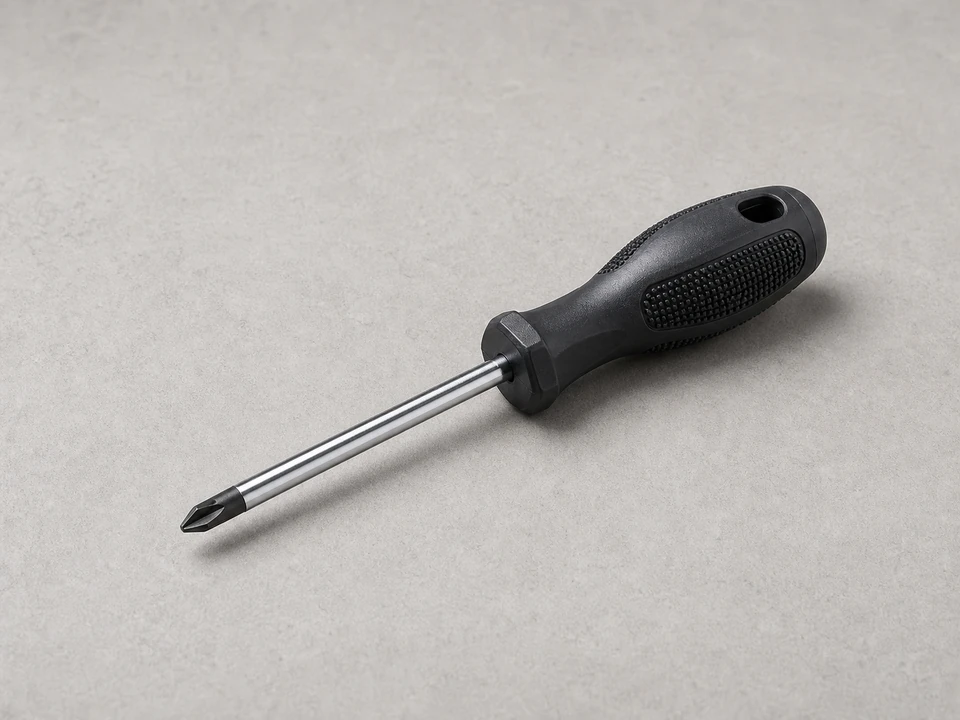
Screwdriver
Use it for: Removes the screws holding the register or grille in place.
Shop screwdriversTo clean an HVAC register and grille, turn the system off at the thermostat, remove the cover if possible, wash off dust and grime, vacuum the duct opening edge, let everything dry, then reinstall and check airflow.
This is a good DIY task when the vent cover is dusty, airflow seems blocked by buildup, or you want to cut down on dust blowing into the room. The goal is to clean the cover and the area just inside the opening without knocking debris deeper into the duct or damaging the wall or ceiling.
Before you start: Match the duct opening size, outer face size, damper style, and ceiling-or-wall application before ordering. Stop if the repair becomes unsafe or unclear.
Use it for: Removes the screws holding the register or grille in place.
Shop screwdrivers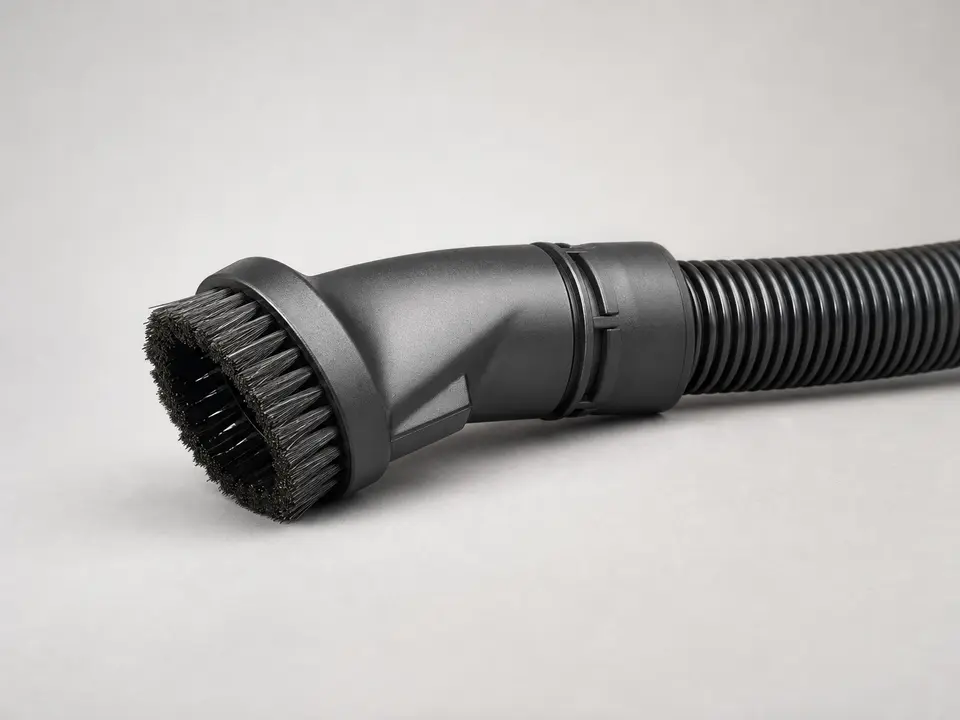
Use it for: Lifts loose dust from the cover, surrounding trim, and the edge of the duct opening.
Shop vacuums with brush tools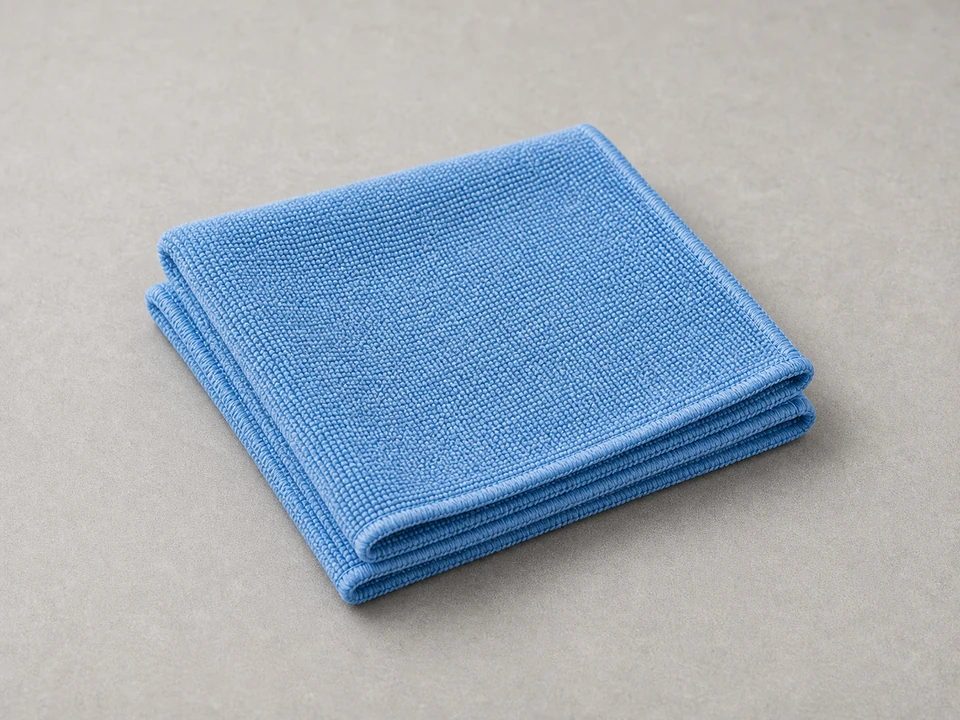
Use it for: Wipes dust and dries the cover without leaving lint behind.
Shop microfiber cloths
Use it for: Cuts grime on painted or metal vent covers without being too harsh.
Shop dish soap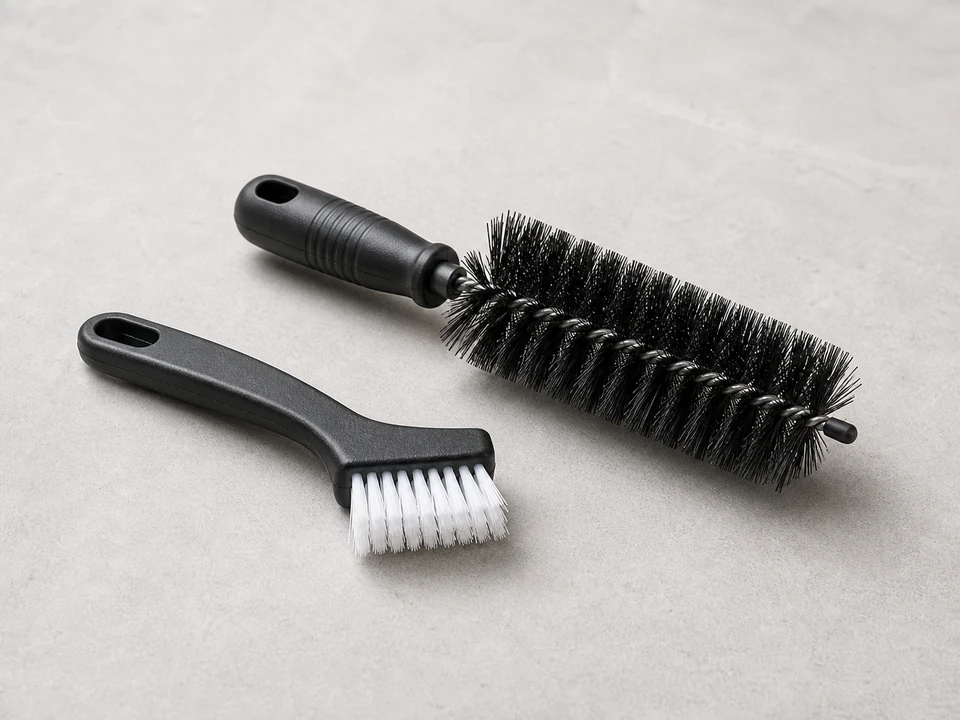
Use it for: Cleans between louvers and around damper parts where a cloth cannot reach.
Shop soft cleaning brushes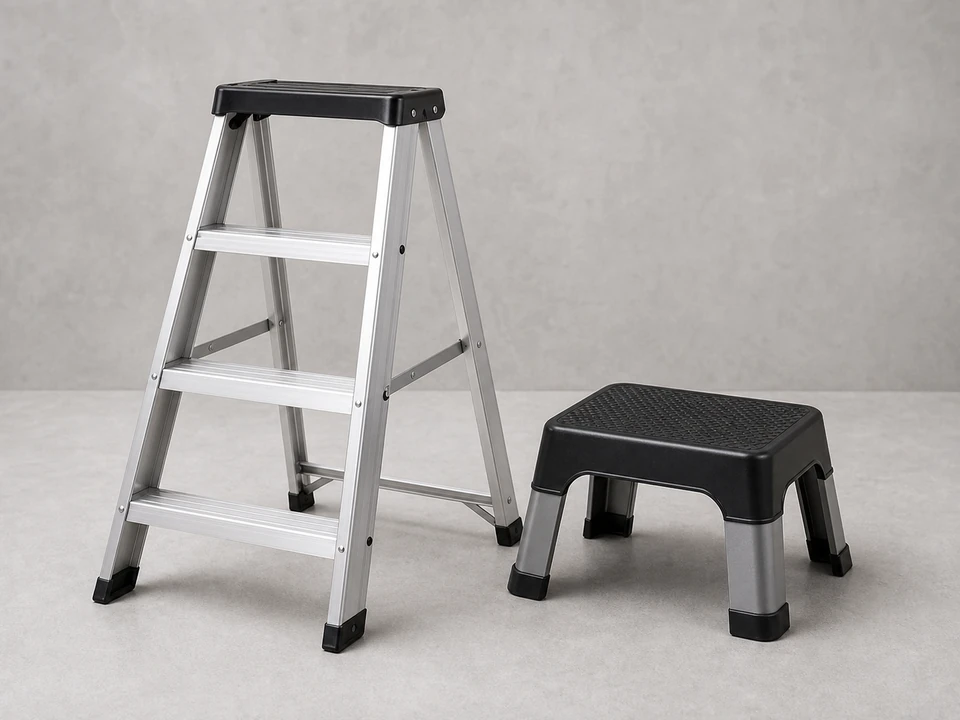
Use it for: Gives you stable access to ceiling or high wall registers.
Shop step laddersAs an Amazon Associate I earn from qualifying purchases. Repair Riot may earn a commission at no extra cost to you.
If it works: You have confirmed the vent cover is dirty and cleaning it is a reasonable next step.
If it doesn’t: If the room has little or no airflow even with a fairly clean cover, troubleshoot the HVAC system, filter, damper position, or duct issue instead of stopping at vent cleaning.
If it works: The area is safe to work in and loose dust will be easier to control.
If it doesn’t: If you cannot reach the vent comfortably with both hands free, reposition the ladder or get help before removing the cover.
If it works: The register or grille is off the opening without bending it or damaging the surrounding surface.
If it doesn’t: If the screws spin without backing out, the fastener hole may be stripped and may need a wall anchor, larger screw, or repair when you reinstall.
If it works: The cover is clean and dry, and the area around the opening is free of loose dust and grime.
If it doesn’t: If grease, nicotine, or old paint buildup will not come off, a replacement register or grille may be the cleaner and faster fix.
If it works: The register or grille is secure, straight, and not rattling or pinching the damper.
If it doesn’t: If the cover rocks or will not sit flat, remove it and check for bent edges, debris behind the frame, or stripped screw holes.
If it works: Air moves through the vent normally, the cover stays in place, and the cleaning held in real use.
If it doesn’t: If airflow is still weak, check the HVAC filter, make sure the damper is open, and look for a larger duct or system issue beyond the vent cover.
Usually yes. Removing it lets you clean both sides and vacuum the opening edge properly. For very light dust, you can wipe the face in place, but a full cleaning works better with the cover off.
For this task, stick to the area you can easily reach at the opening. Pushing a hose or brush deep into the duct can knock debris loose, damage flexible duct, or make a mess farther inside the system.
Light surface rust can sometimes be cleaned, but heavy rust, flaking finish, or bent louvers usually means replacement is the better option. A damaged cover can rattle, stain the surface, or restrict airflow.
A quick dusting every few weeks and a deeper cleaning a few times a year works for many homes. You may need to clean more often if you have pets, ongoing remodeling dust, or high dust buildup near certain rooms.
It can help if the louvers were packed with dust, but it will not fix a clogged filter, closed damper, duct leak, or HVAC equipment problem. If airflow is still weak after cleaning, the cause is probably elsewhere.