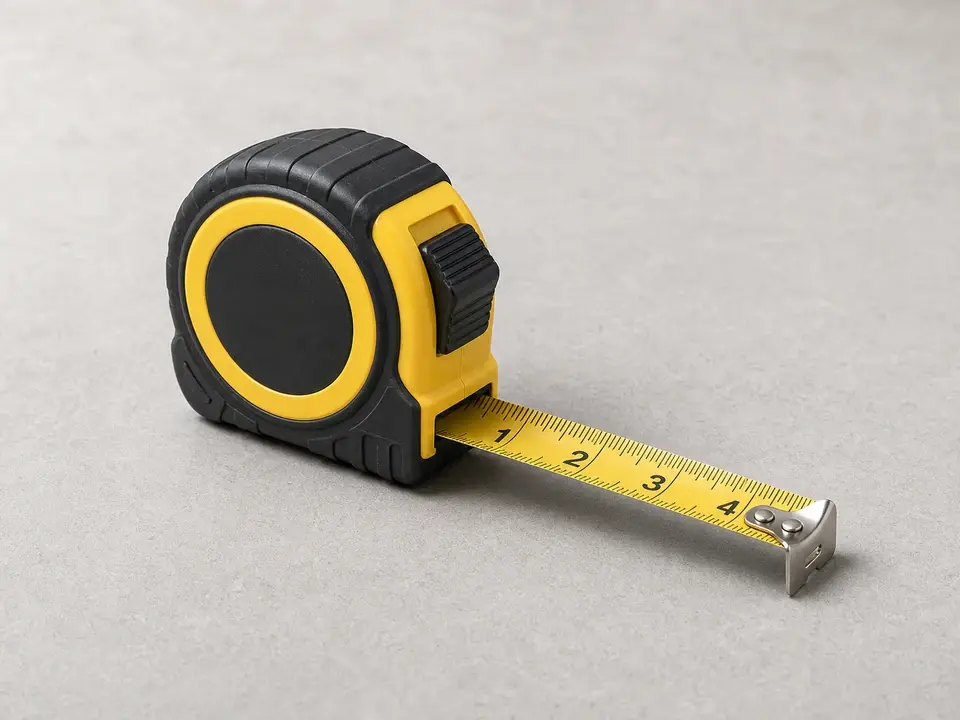
Tape measure
Use it for: To measure the duct opening and compare it to the replacement register.
Shop tape measuresTo replace a ceiling or wall HVAC register, confirm the register itself is damaged, measure the duct opening and face size, remove the old register, install the matching replacement, and test airflow and damper movement.
This is usually a straightforward swap if the surrounding wall or ceiling is solid and the new register matches the old one. The most common mistake is ordering by the outer face size instead of the duct opening size, so measure before you buy.
Before you start: Match the replacement part to your exact ductwork vent before ordering.
Use it for: To measure the duct opening and compare it to the replacement register.
Shop tape measures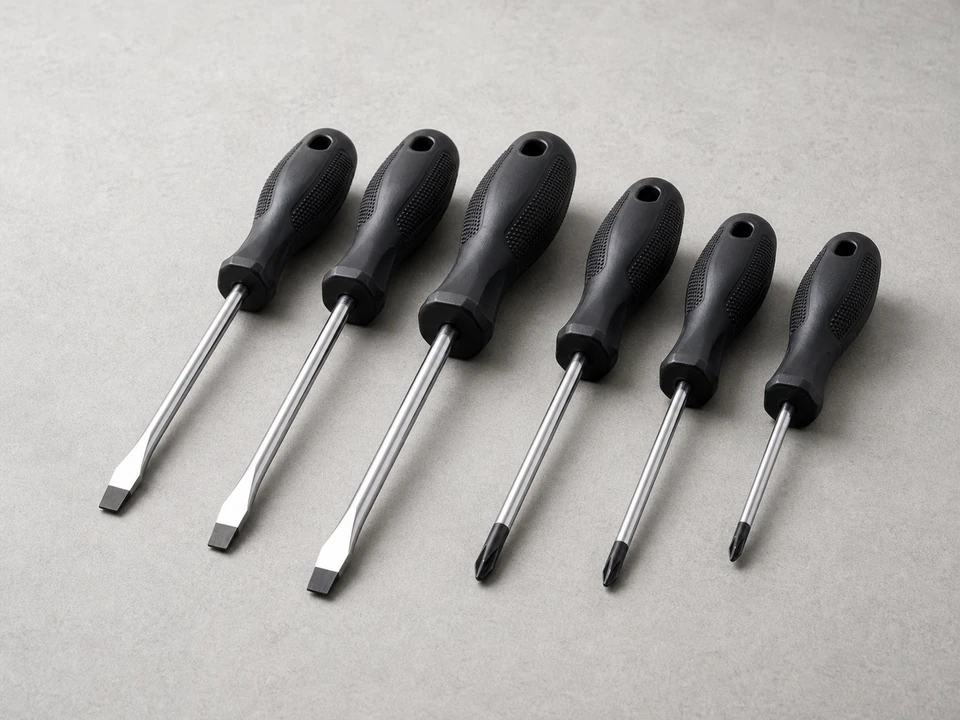
Use it for: To remove the old mounting screws and install the new register.
Shop screwdriver sets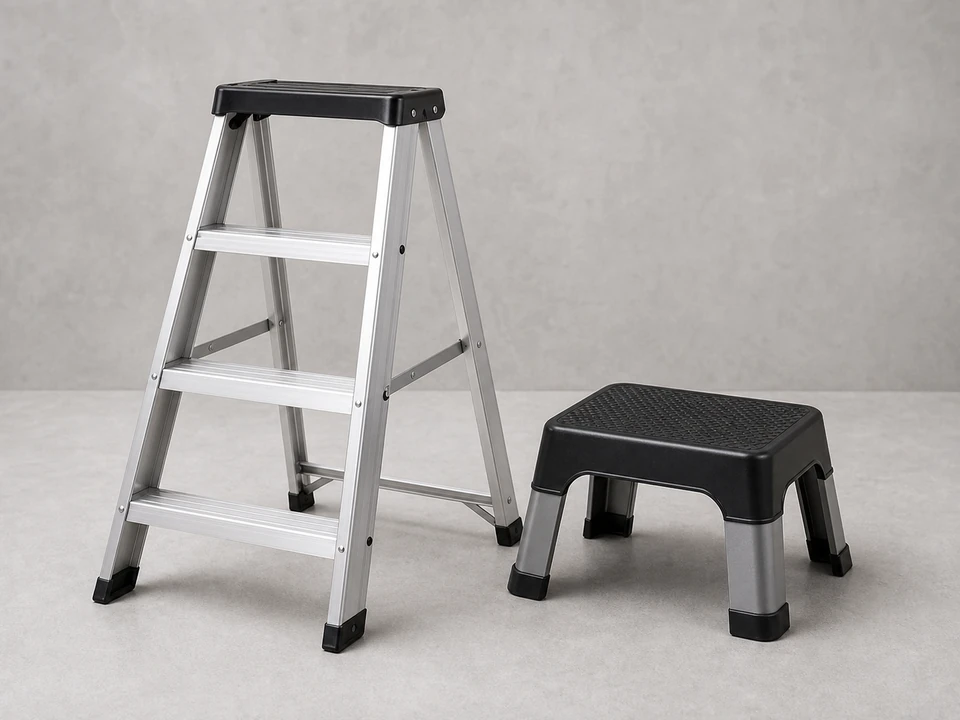
Use it for: To safely reach a ceiling register or a high wall register.
Shop step ladders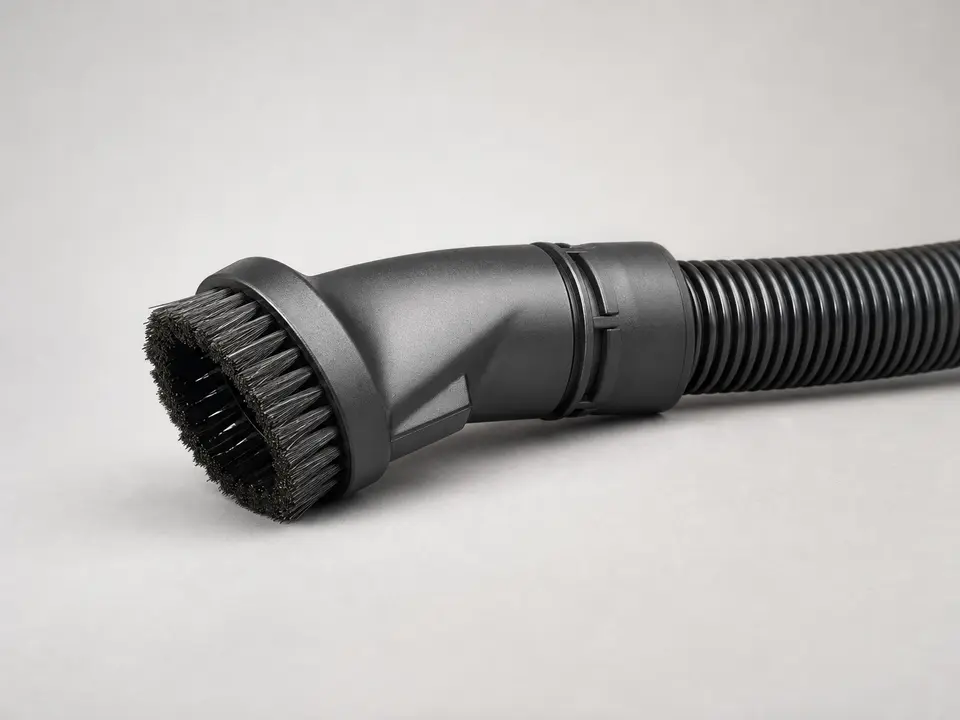
Use it for: To clean dust from the register opening before installing the new part.
Shop vacuums with brush attachments
Use it for: To protect your hands from sharp sheet metal edges around the duct opening.
Shop work glovesAs an Amazon Associate I earn from qualifying purchases. Repair Riot may earn a commission at no extra cost to you.
If it works: You confirmed the register is damaged or worn out and you have the measurements needed to replace it.
If it doesn’t: If the register looks fine but airflow is still poor, troubleshoot the HVAC system or duct airflow before replacing this part.
If it works: The old register is off and the opening is exposed without extra damage around it.
If it doesn’t: If the register will not come free, check again for hidden paint, caulk, or an extra screw before forcing it.
If it works: The opening is clean, solid, and ready for the new register.
If it doesn’t: If the old screw holes are stripped, use slightly larger screws only if they still catch solid material and hold the register flat.
If it works: The new register is mounted securely, sits flat, and the damper moves normally.
If it doesn’t: If the register rocks or gaps at one side, loosen it, recenter it, and retighten evenly.
If it works: Air is flowing through the new register and it adjusts normally without unusual noise.
If it doesn’t: If airflow is still weak, compare this vent to others in the house and check for a closed damper, dirty filter, or a larger duct issue.
If it works: The register stays secure, airflow is normal, and the replacement is holding in real use.
If it doesn’t: If the new register loosens, rattles, or shows poor airflow again, inspect the duct boot and surrounding surface for hidden damage that needs repair.
Match the replacement part to your exact ductwork vent before ordering.
As an Amazon Associate I earn from qualifying purchases. Repair Riot may earn a commission at no extra cost to you.
Measure the inside duct opening, not just the outer face. The replacement should match the opening size so the neck fits into the duct boot correctly.
You usually do not need to shut off electrical power at the breaker for this job, but turning the thermostat off is a good idea so the blower does not push dust while you work.
A register usually has an adjustable damper to control airflow. A grille is typically just a fixed cover without a damper.
The old register may not have been the root cause. Check for a closed damper, dirty air filter, blocked duct, or a broader HVAC airflow problem.
Yes, if they are not stripped, rusted, or too short to hold the new register securely. Replace them if they no longer tighten well.