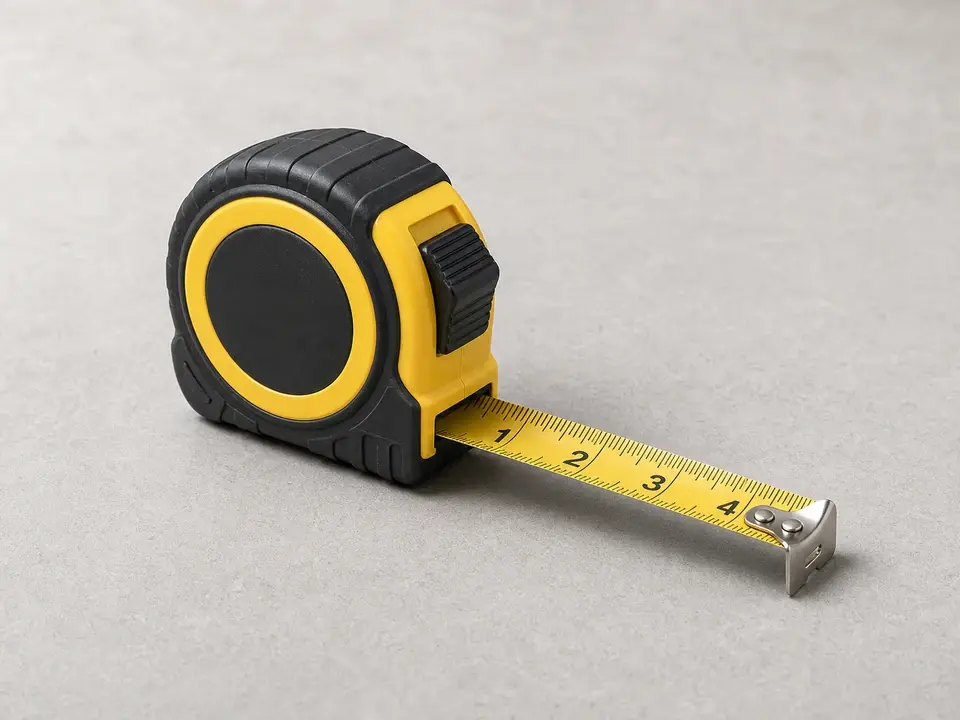
Tape measure
Use it for: To measure the duct opening and overall face size so the new register fits correctly.
Shop tape measuresTo replace a ceiling or wall supply register, first confirm the register itself is bent, broken, rusted, loose, or the wrong size. Then measure the duct opening, remove the old register, clean the area, install the matching replacement, and test airflow to make sure it sits flat and directs air properly.
This is usually a straightforward swap, but the replacement has to match the opening size and mounting style. A register that is too large, too small, or fastened into damaged drywall will never sit right or seal well.
Before you start: Match the replacement part to your exact ductwork vent before ordering.
Use it for: To measure the duct opening and overall face size so the new register fits correctly.
Shop tape measures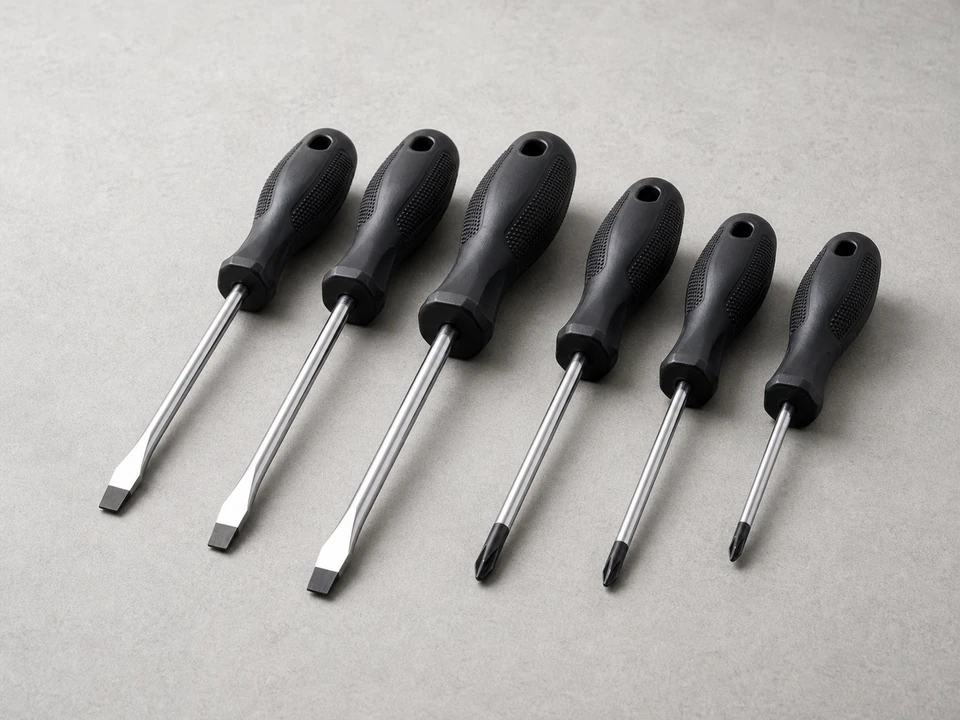
Use it for: To remove the old mounting screws and install the new register.
Shop screwdriver sets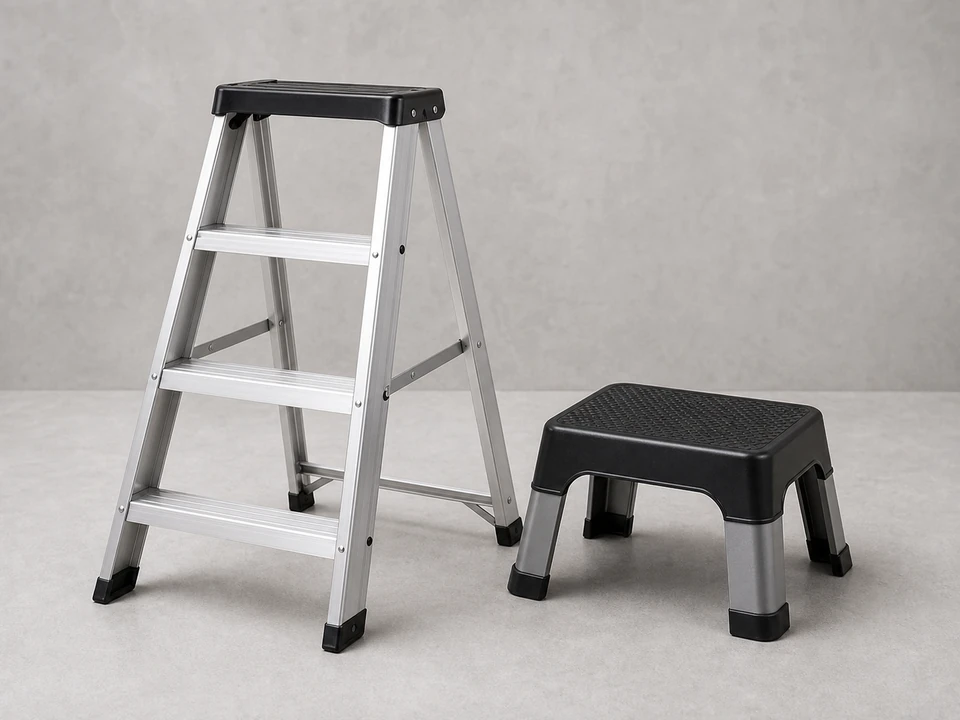
Use it for: To safely reach a ceiling register or a high wall register.
Shop step ladders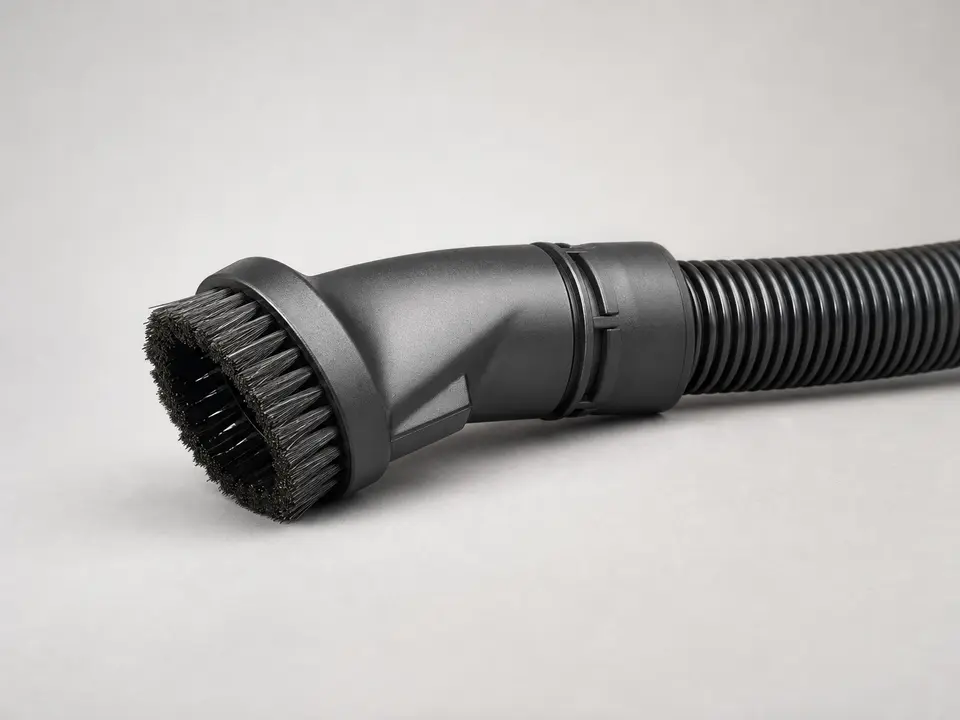
Use it for: To clean dust from the vent opening and surrounding surface before installation.
Shop vacuums with brush tools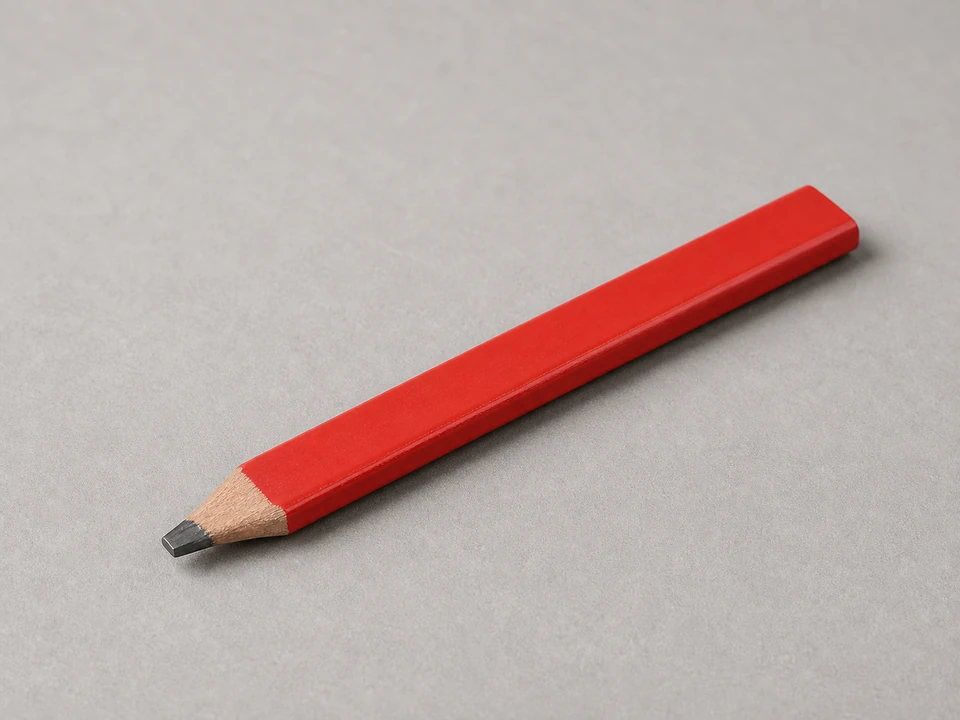
Use it for: To mark screw locations if the new register holes do not line up exactly.
Shop pencilsAs an Amazon Associate I earn from qualifying purchases. Repair Riot may earn a commission at no extra cost to you.
If it works: You have a clear reason to replace the register and the issue appears to be at the vent opening itself.
If it doesn’t: If the register looks fine but airflow is still poor or the air temperature is wrong, troubleshoot the duct, damper, filter, or HVAC system before replacing the register.
If it works: You have a replacement register that matches the duct opening and mounting style.
If it doesn’t: If you cannot match the opening size exactly, bring the old register with you when shopping or compare both the neck size and face size before ordering.
If it works: The old register is off and the opening surface is clean and ready for the new part.
If it doesn’t: If the old register will not come free because of paint or caulk, score the edge carefully and try again without tearing the wall surface.
If it works: The new register fits the opening, sits flat, and can be fastened without strain.
If it doesn’t: If the face rocks or leaves gaps, recheck the opening size and look for drywall buildup, old paint ridges, or a mismatched register size.
If it works: The new register is secure, straight, and flush against the surface without wobbling.
If it doesn’t: If the screws will not hold, move to a better mounting point if the face allows it, or repair the damaged screw area before reinstalling.
If it works: The register stays secure during normal system operation and airflow is directed properly without extra noise.
If it doesn’t: If the new register still rattles, whistles, or has weak airflow, inspect for a bent damper, a blocked duct, or an airflow problem elsewhere in the HVAC system.
Match the replacement part to your exact ductwork vent before ordering.
As an Amazon Associate I earn from qualifying purchases. Repair Riot may earn a commission at no extra cost to you.
Measure the inside duct opening width and height, not just the outer face. The face is usually larger than the opening so it can cover the cutout.
Yes, as long as the new register matches the opening size and mounting method. Just make sure the face is large enough to cover the old opening cleanly.
A register usually has an adjustable damper and directional louvers for supply air. A grille is often a fixed cover, commonly used on return openings.
Whistling usually means air is being forced through a partly closed damper, a narrow opening, or a poor fit around the vent. Open the damper fully and make sure the register is the correct size and seated flat.
Usually no. A properly sized register should sit flat and cover the opening without caulk. If there are visible gaps because the wall surface is damaged, fix the surface or mounting area instead of relying on caulk alone.