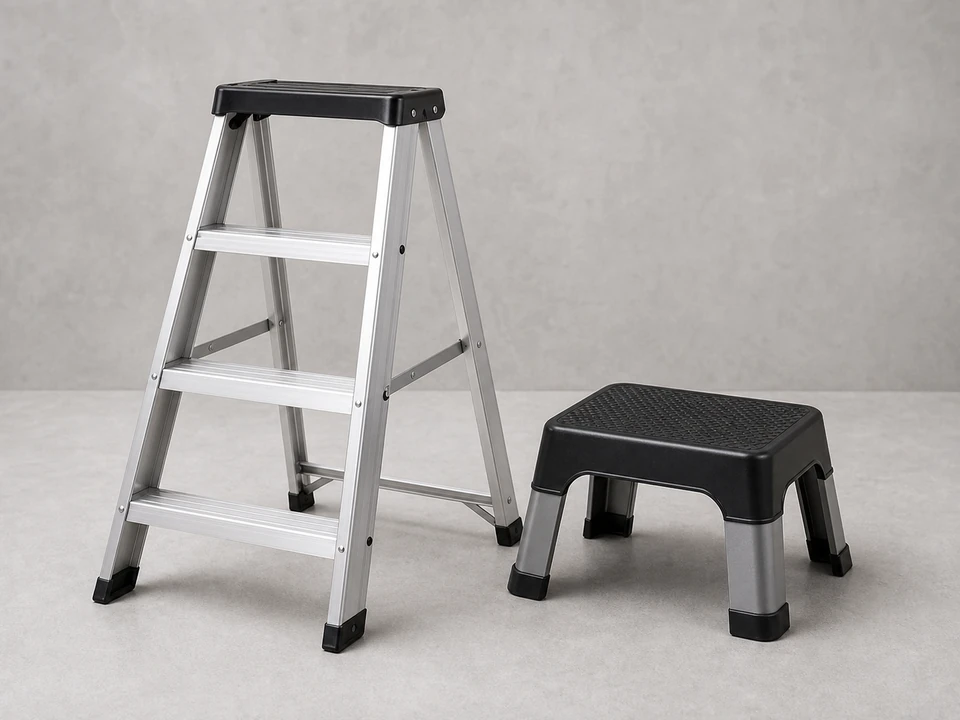
Step ladder
Use it for: Lets you reach the ceiling register safely and work with both hands free.
Shop step laddersTo replace a ceiling supply register, first confirm the old register is damaged or no longer mounting securely, then measure the duct opening, remove the old register, clean and inspect the boot edge, and install a matching new register so it sits flat and opens and closes smoothly.
This is usually a straightforward swap, but fit matters. The new register needs to match the opening size and mounting style, not just the outside face size. Work from a stable ladder, take the old register down carefully, and check for loose drywall or bent metal before you fasten the new one in place.
Before you start: Match the replacement part to your exact ductwork vent before ordering.
Use it for: Lets you reach the ceiling register safely and work with both hands free.
Shop step ladders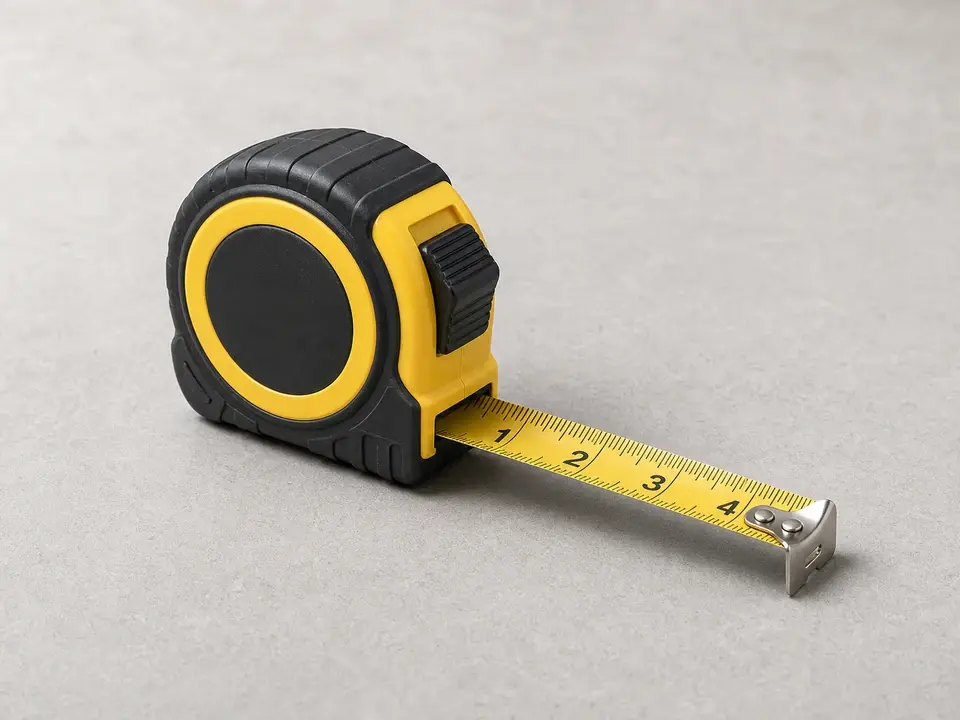
Use it for: Used to measure the duct opening and compare it to the replacement register.
Shop tape measures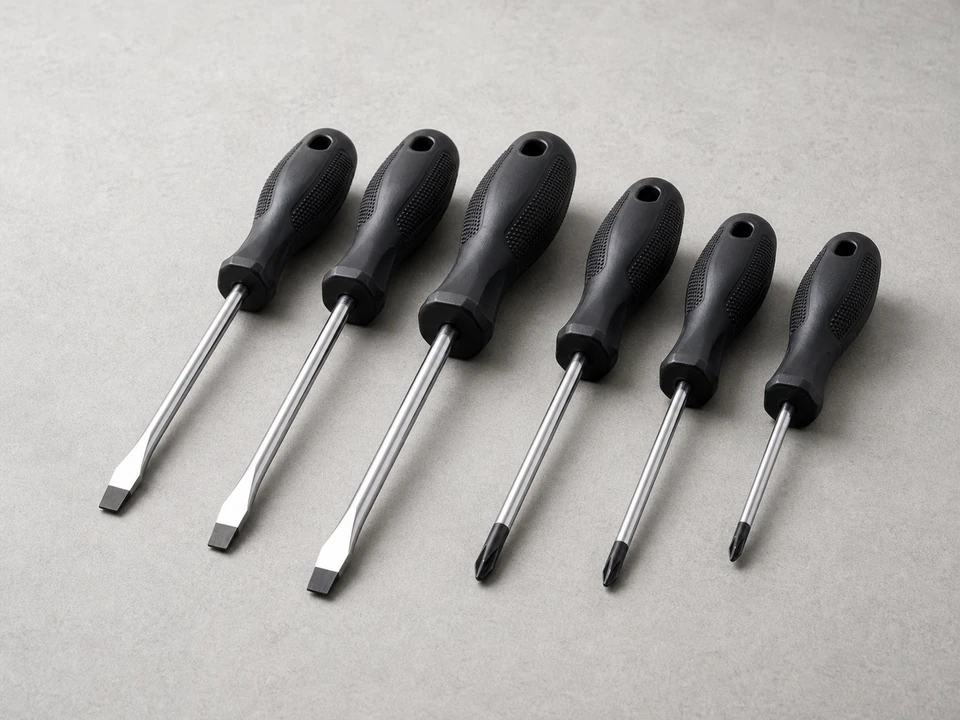
Use it for: Removes the old mounting screws and installs the new register.
Shop screwdriver sets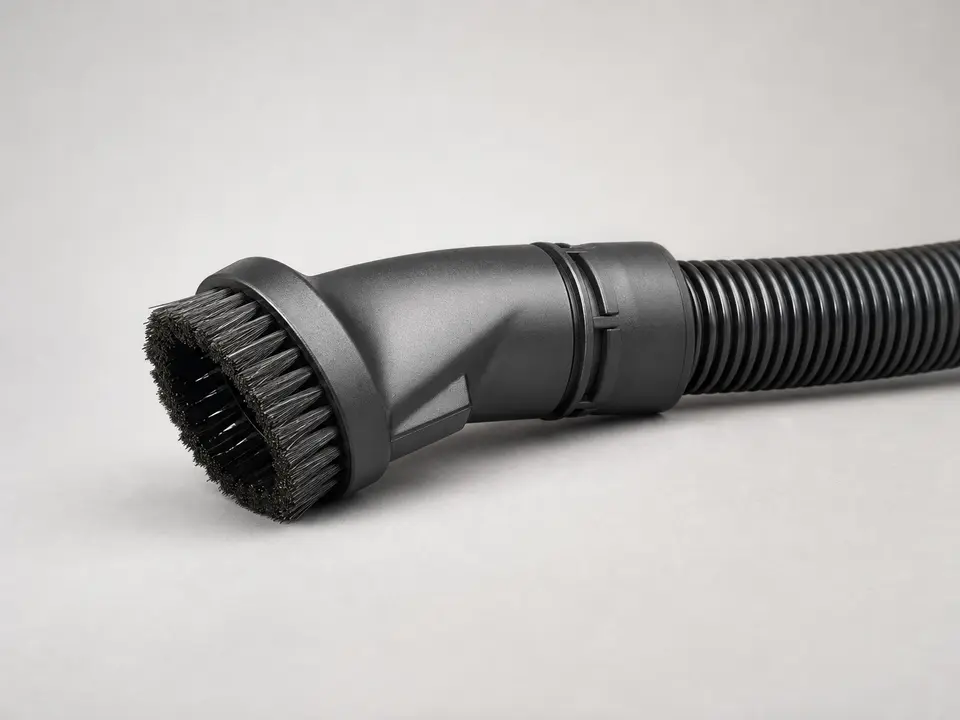
Use it for: Cleans dust from the register opening and surrounding ceiling area before installation.
Shop vacuums with brush tools
Use it for: Helps protect your hands from sharp sheet metal edges inside the vent opening.
Shop work glovesAs an Amazon Associate I earn from qualifying purchases. Repair Riot may earn a commission at no extra cost to you.
If it works: You have confirmed the ceiling supply register is damaged, worn out, or no longer mounting properly.
If it doesn’t: If the register looks fine but airflow is weak, the issue may be farther back in the duct or at the HVAC system rather than the register.
If it works: You have a replacement register that matches the opening size and mounting style.
If it doesn’t: If the new register does not match the opening or leaves gaps around the ceiling cutout, exchange it for the correct size before continuing.
If it works: The old register is off and the vent opening is fully exposed.
If it doesn’t: If the register will not come free, check for paint, caulk, or hidden fasteners around the face and loosen those before pulling harder.
If it works: The opening is clean, solid, and ready for the new register.
If it doesn’t: If the mounting area is weak, patchy, or too damaged to hold screws, repair the ceiling surface or boot attachment before installing the new register.
If it works: The new register is mounted securely, sits flat, and operates smoothly.
If it doesn’t: If the register rocks, leaves a visible gap, or the damper binds, loosen it, realign it, and retighten evenly.
If it works: The new ceiling supply register stays secure during normal system operation and airflow is directed properly.
If it doesn’t: If you still have rattling, poor airflow, or moisture forming on the vent, the register may not be the only issue and the duct, insulation, or HVAC airflow balance may need attention.
Match the replacement part to your exact ductwork vent before ordering.
As an Amazon Associate I earn from qualifying purchases. Repair Riot may earn a commission at no extra cost to you.
Measure the duct opening or boot opening, not just the outside face of the old register. The face is usually larger than the opening so it can cover the ceiling cutout.
Yes, if they are straight, not rusted, and still hold well in the mounting area. If the old screws are stripped or too short for the new register, use matching replacements.
A register usually has a damper you can open or close to control airflow. A grille is typically just a cover without an airflow control damper.
Rattling usually means the register is not sitting flat, the screws are uneven, or airflow is causing vibration because the frame is slightly loose. Realign it and tighten the screws evenly without overtightening.
Usually no. A properly sized register should sit flat and cover the opening without needing caulk. If there are visible gaps because the ceiling opening is damaged, fix the mounting surface instead of relying on caulk alone.